

By Burnett Munthali
Hon. Esther Jolobala, Member of Parliament for Machinga East Constituency, has officially announced her intention to contest for the position of Second Deputy Speaker of the National Assembly.
Jolobala, who represents the United Democratic Front (UDF), made the declaration ahead of the much-anticipated parliamentary leadership elections scheduled for October 30, 2025.
In her statement, she expressed strong confidence in her ability to foster unity and inclusiveness within the National Assembly, emphasizing that Parliament should serve as a platform for cooperation and development for all Malawians.

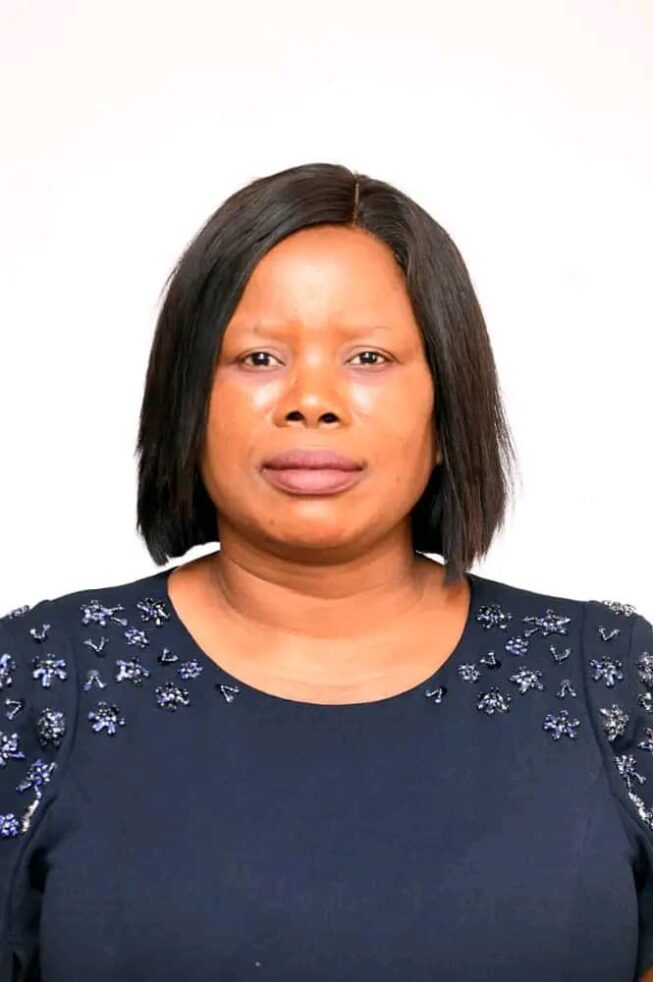
“I believe Parliament must be a place that accommodates everyone, regardless of political affiliation,” Jolobala said. “My vision is to promote harmony and ensure that our legislative process benefits every citizen equally.”
The lawmaker, who has successfully retained her parliamentary seat in multiple elections, has built a reputation as one of Malawi’s most outspoken and principled voices in Parliament.
Since first being elected to Parliament in 2019, Jolobala has been a consistent advocate for transparency, women’s empowerment, and the protection of human rights.
She has also been recognized for her courage in holding the government accountable on issues affecting rural communities, particularly in areas of education, healthcare, and local development.
Political analysts say her decision to vie for the Second Deputy Speaker post could inject a new sense of balance and independence into the parliamentary leadership.
If elected, Jolobala would join the top tier of the National Assembly’s leadership, working alongside the Speaker and First Deputy Speaker to guide legislative business, maintain order, and ensure that debates remain fair and productive.
Her candidacy also carries symbolic importance for gender representation in Malawi’s political landscape.
Over the years, Jolobala has been a vocal supporter of increasing women’s participation in decision-making positions, both in Parliament and across public institutions.
Colleagues from both the government and opposition benches have acknowledged her integrity and commitment to national service, describing her as a “bridge-builder” who often seeks consensus on divisive issues.
The race for parliamentary leadership this year is expected to be one of the most competitive in recent memory, following the swearing-in of new Members of Parliament and the formation of President Peter Mutharika’s government.
The election of the Speaker and Deputy Speakers will be crucial in determining the tone of legislative operations in the next session, especially as the new administration embarks on ambitious reforms aimed at reviving the economy and restoring institutional trust.
Political observers have noted that the upcoming vote will not only test party alliances but also demonstrate how Parliament intends to balance oversight and cooperation with the executive branch.
For Jolobala, however, the focus remains on building a Parliament that reflects the aspirations of ordinary Malawians rather than political elites.
“I want to be part of a leadership team that ensures Parliament works efficiently, transparently, and in the best interest of the people,” she stated.
She further emphasized the need for effective communication and collaborative decision-making among legislators, noting that “true progress can only be achieved when we all pull in the same direction.”
Her campaign for the Second Deputy Speaker post has been welcomed by UDF supporters, who see her as a capable leader ready to strengthen the party’s influence in national governance while promoting a culture of accountability and fairness.
If successful, Jolobala will become one of the few women in Malawi’s parliamentary history to hold such a senior position in the legislative hierarchy.
As the countdown to October 30 continues, all eyes are now on the political maneuvers within the House, as alliances form and candidates like Jolobala position themselves for the crucial leadership vote.
Regardless of the outcome, her candidacy underscores a growing recognition that Parliament must evolve — not only as a lawmaking body but also as a platform for national dialogue, inclusion, and development.