
Tuesday, April 21, 2026
No menu items!
spot_img
Home Blog Page 1392

Chakwera urgers Farmers to grow high quality tobacco to get the best from buyers

0

By Staff Reporter

President Dr. Lazarus Chakwera has urged tobacco stakeholders in the country to continue working together in harmony to create a vibrant industry.

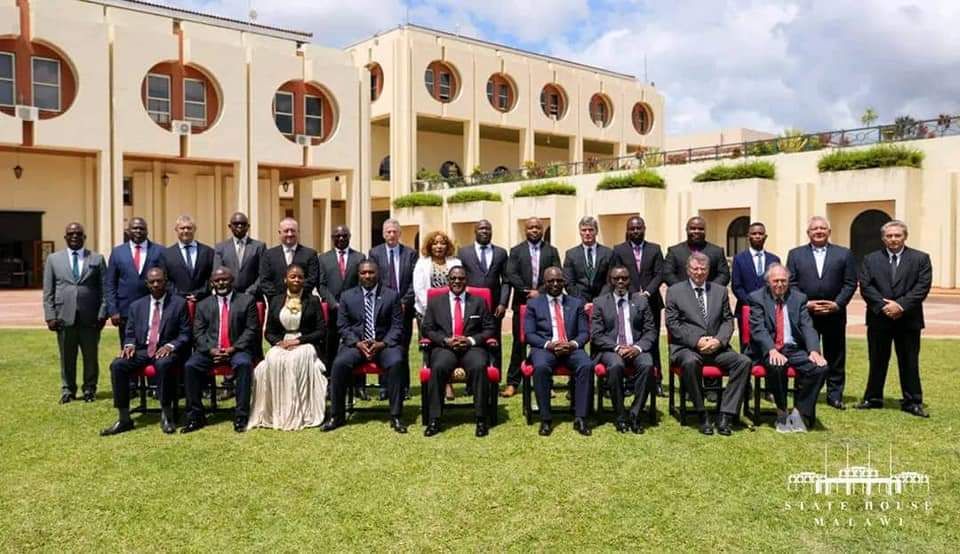
Chakwera made the remarks today during an engagement with officials from the Ministry of Agriculture and Tobacco Processors Association, at Kamuzu Palace in Lilongwe.


In his speech, the Malawi leader advised the stakeholders to maintain sanity in the industry by developing quick solutions every time they are faced with challenges.

“Whenever faced with challenges, let’s handle them quickly. Let us continue the engagement, the collaboration and avoid putting spanners in the works,” he said.

Chakwera also appealed to tobacco buyers to ensure that farmers reap the rewards of their hard work.

President Chakwera further urged tobacco farmers to do the right thing by growing high quality tobacco in order to get the best from buyers.

“We can’t continue producing low quality leaf and then expect to get the best from buyers. There is no need for the president standing on the podium to castigate anybody. We just have to do the right thing,” he said.

He also challenged the industry players to ask themselves why the country continues to struggle with forex issues, even when the tobacco season is over.

“We talk of Tobacco as a forex earner, but after the season is over, you don’t see the forex,” said the president.

Minister of Agriculture, Sam Kawale, assured the gathering that his ministry is working around the clock to deal with illegal cross – border trading of tobacco.

Acting Chief Executive Officer of the Tobacco Commission, Evans Chilumpha, commended the president for creating a cordial working relationship in the industry, due to his open-door policy.

Chilumpha hailed President Chakwera for assenting to the Tobacco Industry Act, saying the move will go a long way in resolving some of the sticky issues in the industry.

On his part, Limbani Kakhome, Chairperson of Tobacco Processors Association asked government to intensify security to deal with illegal cross-boarder tobacco trading.

He also asked government to intensify efforts to ensure that people who do not grow tobacco are barred from participating in the business.

“Let me also ask government to control over supply of the crop on the market to avoid price crash,” he emphasized.


Graduates urged to shift  focus from being employees to being employers

0


By Chisomo Phiri

Graduates from various  higher learning institutions in the country have been urged to shift their focus from being employed to creating jobs.

Speaking on Tuesday when the FDH Bank Plc was launching graduate start-ups program at the Malawi University of Business and Applied Sciences (MUBAS), the bank’s Deputy Managing Director (DMD) George Chitera said it is now time for Malawian graduates to start creating jobs for themselves and others as the job opportunities are scarce out there.

Chitera


Said Chitera:”If you want the government to do everything for you, then forget it. Let us start producing.”

He emphasized the need for the graduates to find solutions to problems the country is encountering.

“Come up with ideas that can change Malawi from number three on the list of poorest countries.

“Malawi is poor because it does not produce or is producing wrong things and called for mindset change,” he said.

In her speech, MUBAS Vice Chancellor, Associate Professor, Nancy Chitera hailed FDH Bank Plc for choosing their institution to be the first beneficiaries of the graduate start-ups program.

“We are very thankful to FDH Bank for choosing our institution to be the first institution to benefit from the graduate start-ups program. This means a lot to us as an institution and we will use the opportunity wisely,” she said.

Chitera then urged the graduates at the institution to utilise the opportunity, saying the university is determined to promote research, innovation, and entrepreneurship.

The graduate start-ups program will offer loans to MUBAS students with promising business ideas.

Tikondane Care for Children ready to empower street kids

0

By Phillimon Backson

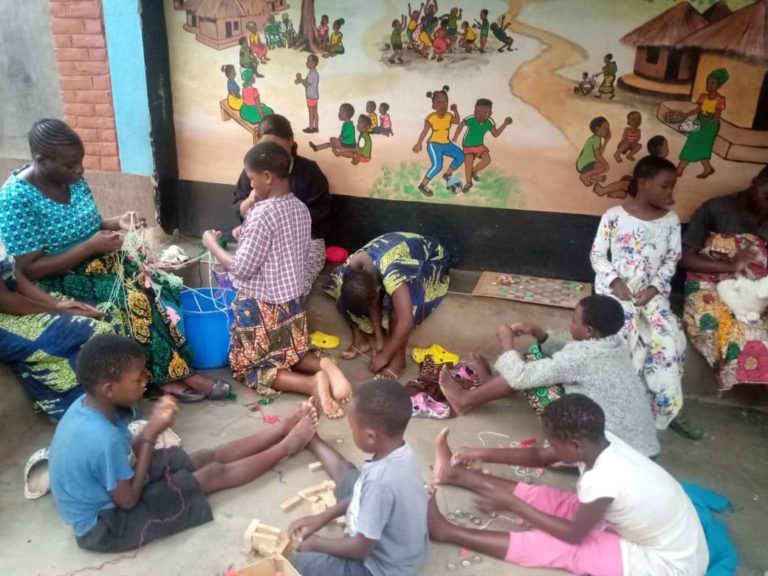
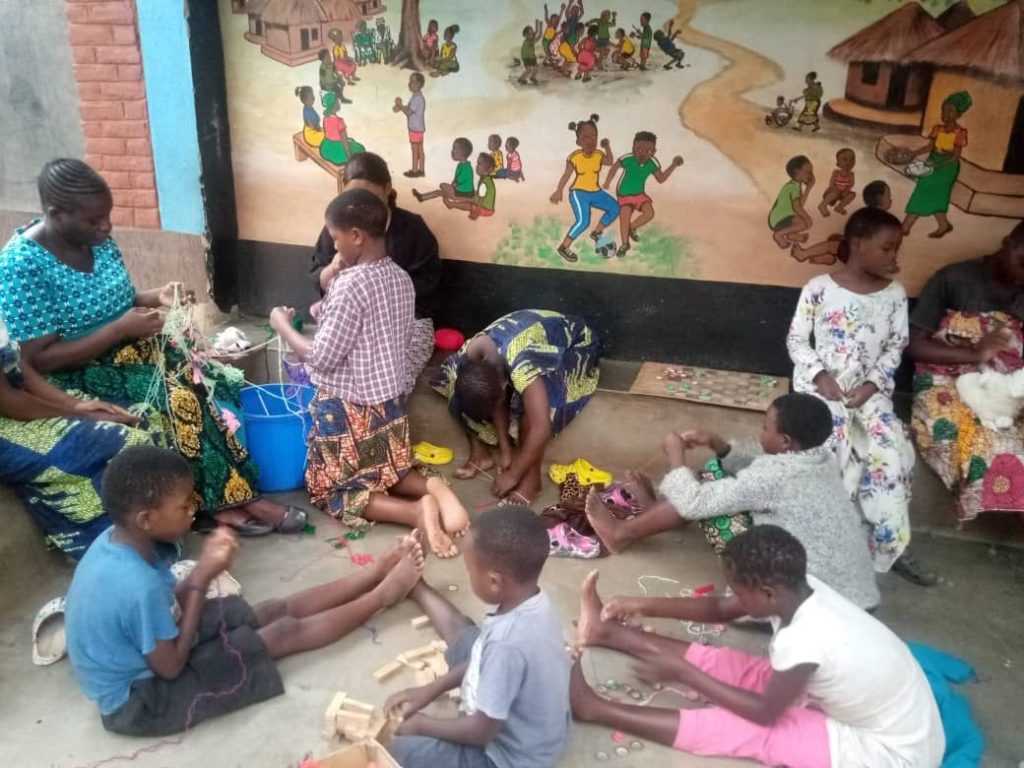
A faith-based-organization called Tikondane Care for Children says it will not relent in providing psycho-social support to vulnerable children who are found in the country’s streets for them to become responsible citizens in future.

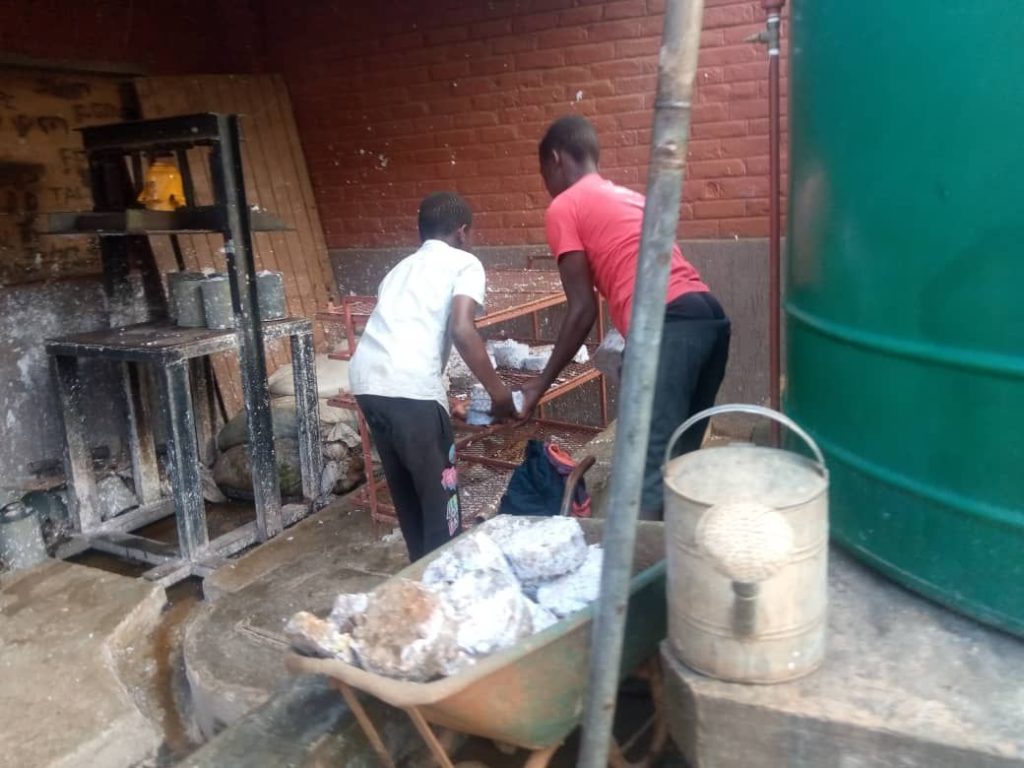
The charitable organization which started in 1998 by the Missionary Sisters of our Lady of Africa in collaboration with Catholic Diocese of Lilongwe  provides support to children at risk to develop to their  full potential by enabling them to return to safe and loving environments to lead  a dignified life.

A faith-based-organization called Tikondane Care for Children says it will not relent in providing psycho-social support to vulnerable children who are found in the country's streets for them to become responsible citizens in future.


TCCS Project coordinator Sister Marie Sakina  said the organization sustains a philosophy of placing the child at the center of all activities by using  a holistic approach in offering hands on Care and protection to  children at risk.

“We invest all our strength and energies to promote children’s Rights, combat all forms of abuse, rejection and marginalized,” she said.

According to sakina , they use street outreach to sensitize street connected children on the dangers of street life as a first line intervention in helping and protecting children from the streets.

She said through the initiative, some children who have been supported by the organization are now journalists, computer engineers,soldiers among others.

Sakina has since called for collaborative efforts to support the vulnerable children saying street connected children have potential to succeed in life and become responsible citizens.

Tikondane Care for Children has 26 staff members.

The organization reaches out to  700 street connected children with both psycho -social and educational support.

Balancing justice and national security in Chilima corruption case

By Twink Jones Gadama

The recent ruling by the High Court in Lilongwe regarding the sensitive documents in the Vice President Saulos Chilima corruption case raises important questions about the balance between transparency and accountability in the legal system. The court’s decision to caution that some of the documents are highly sensitive and may not be suitable for public disclosure highlights the challenges faced by the judiciary in ensuring a fair trial while also upholding national security interests.

One of the key issues at play in this case is the tension between the right to a fair trial and the need to protect sensitive information. The court’s recognition of the sensitive nature of the documents being sought by the defense signals that there are legitimate concerns about the potential impact of public disclosure on national security. However, the court also emphasized the importance of ensuring a fair trial for the accused, suggesting that if the documents are deemed relevant to the case, the state may have to make a difficult decision about whether to proceed with prosecution or terminate the case.

In a democracy, the principle of transparency is essential to holding public officials accountable for their actions. The right of taxpayers to know how their money is being spent and to hold those in power to account is a fundamental aspect of democratic governance. However, in cases involving sensitive information, such as national security issues, there may be legitimate reasons for withholding certain documents from public view. In such cases, the judiciary plays a critical role in balancing the need for transparency with the need to protect sensitive information.

The recent ruling by the High Court in Lilongwe regarding the sensitive documents in the Vice President Saulos Chilima corruption case raises important questions about the balance between transparency and accountability in the legal system. The court's decision to caution that some of the documents are highly sensitive and may not be suitable for public disclosure highlights the challenges faced by the judiciary in ensuring a fair trial while also upholding national security interests.
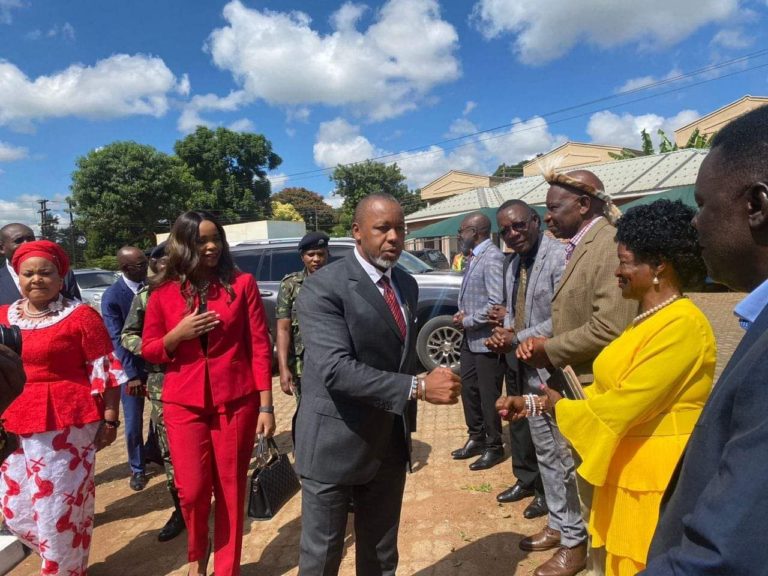
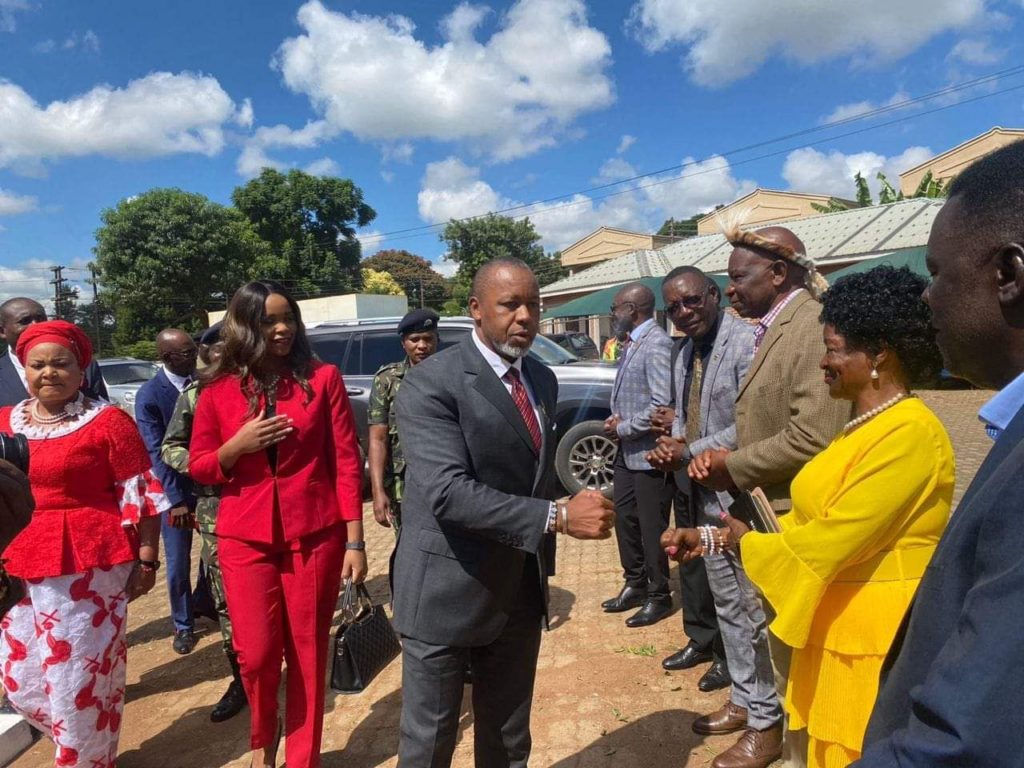
Chilima on the way to court

In this case, the court’s decision to allow a limited viewing of the sensitive documents by key stakeholders, including the defense team lead lawyer, the Attorney General, and the lead lawyer from the Anti Corruption Bureau, is a sensible compromise. By allowing these individuals to review the documents in a controlled setting, the court is ensuring that all parties have access to the information they need to prepare their case while also protecting the sensitive nature of the information.

The court’s ruling also highlights the importance of safeguarding the right to a fair trial for all individuals accused of wrongdoing. In a just legal system, all parties must have equal access to evidence and information relevant to the case in order to present a strong defense or prosecute the case effectively. By making it clear that the state will have to decide whether to disclose the sensitive documents or terminate the case if they are deemed relevant, the court is sending a message that justice must be the top priority in this case.

Overall, the case of Vice President Saulos Chilima raises important questions about the role of the courts in balancing the interests of transparency, accountability, and national security. By carefully considering the sensitive nature of the documents at issue and providing a mechanism for key stakeholders to review them in a controlled setting, the court is working to ensure a fair trial for all parties involved. In a democracy, the rule of law and the protection of individual rights must always be the guiding principles of the legal system, even in cases wherThe recent ruling by the High Court in Lilongwe regarding the sensitive documents in the Vice President Saulos Chilima corruption case raises important questions about the balance between transparency and accountability in the legal system. The court’s decision to caution that some of the documents are highly sensitive and may not be suitable for public disclosure highlights the challenges faced by the judiciary in ensuring a fair trial while also upholding national security interests.

One of the key issues at play in this case is the tension between the right to a fair trial and the need to protect sensitive information. The court’s recognition of the sensitive nature of the documents being sought by the defense signals that there are legitimate concerns about the potential impact of public disclosure on national security. However, the court also emphasized the importance of ensuring a fair trial for the accused, suggesting that if the documents are deemed relevant to the case, the state may have to make a difficult decision about whether to proceed with prosecution or terminate the case.

In a democracy, the principle of transparency is essential to holding public officials accountable for their actions. The right of taxpayers to know how their money is being spent and to hold those in power to account is a fundamental aspect of democratic governance. However, in cases involving sensitive information, such as national security issues, there may be legitimate reasons for withholding certain documents from public view. In such cases, the judiciary plays a critical role in balancing the need for transparency with the need to protect sensitive information.

In this case, the court’s decision to allow a limited viewing of the sensitive documents by key stakeholders, including the defense team lead lawyer, the Attorney General, and the lead lawyer from the Anti Corruption Bureau, is a sensible compromise. By allowing these individuals to review the documents in a controlled setting, the court is ensuring that all parties have access to the information they need to prepare their case while also protecting the sensitive nature of the information.

The court’s ruling also highlights the importance of safeguarding the right to a fair trial for all individuals accused of wrongdoing. In a just legal system, all parties must have equal access to evidence and information relevant to the case in order to present a strong defense or prosecute the case effectively. By making it clear that the state will have to decide whether to disclose the sensitive documents or terminate the case if they are deemed relevant, the court is sending a message that justice must be the top priority in this case.

Overall, the case of Vice President Saulos Chilima raises important questions about the role of the courts in balancing the interests of transparency, accountability, and national security. By carefully considering the sensitive nature of the documents at issue and providing a mechanism for key stakeholders to review them in a controlled setting, the court is working to ensure a fair trial for all parties involved. In a democracy, the rule of law and the protection of individual rights must always be the guiding principles of the legal system, even in cases where sensitive information is at stake.stake.

Bird’s Eye View: Will Chakwera secure a second term?


As the anticipation for the 2025 elections in Malawi builds, there is widespread speculation on whether President Lazarus Chakwera will secure a second term in office or follow the path of two past presidents who served only one term.

This question sparks curiosity, especially among those close to Chakwera, as time steadily moves forward.
Yet, amidst this speculation, another crucial question arises: If not Chakwera, who stands poised to win the upcoming presidential election?

The political landscape of Malawi leading up to the tripartite elections presents an intriguing tableau, notably marked by the apparent quietude and inactivity of major opposition political parties.
While some may interpret this relative dormancy and the defections of members to the Malawi Congress Party (MCP) as indicators of its assured dominance, such a conclusion oversimplifies the intricate dynamics of Malawi’s political sphere.

However, the electoral prospects of opposition parties hinge significantly on their ability to present a united front. Infighting, factionalism, and lack of cohesion among opposition parties could weaken their electoral viability.
Should they fail to project unity and instead engage in internal conflicts, voters may perceive them as unstable and ineffective alternatives, thereby bolstering MCP’s chances of electoral success.

The MCP’s potential to win elections easily in 2025 could be attributed to a combination of factors, including weaknesses within other political parties, effective leadership, and messaging by the MCP, and broader socio-economic dynamics shaping voter preferences.
Truth be told, President Chakwera has exhibited a strong and effective leadership style during his first term in office. He has prioritised issues such as economic development, healthcare, education and infrastructure improvement. His actions in addressing national challenges have gained him popularity among the electorate.

Despite facing numerous natural disasters and pandemics such as COVID-19 and Cholera, Chakwera’s administration has successfully implemented various policies and projects that have positively impacted the lives of citizens.

On the other hand, the opposition parties in Malawi may be fragmented, lacking strong leadership and coherent policies. Their focus seems to be on removing Chakwera from office rather than presenting Malawians with policies aimed at transforming the country.
Compounded by internal discord, absence of a clear vision and an inability to offer a credible alternative to Chakwera’s leadership, opposition parties find their capacity to mount a convincing challenge in the upcoming elections significantly weakened.

The Democratic Progressive Party (DPP) finds itself in disarray, with internal divisions casting doubt on the party’s direction for the upcoming elections. Membership is split on whether to retain APM as a candidate, adding to the uncertainty surrounding the party’s future.
Meanwhile, the United Democratic Front (UDF) appears to be a mere shadow of its former self, grappling with the challenge of asserting relevance in the current political landscape. Conversely, the relative popularity of the United Transformative Movement (UTM) on social media platforms has shown signs of dwindling in recent times.
Without a compelling alternative, voters may lean towards maintaining the status quo, particularly if they perceive Chakwera as the superior choice.

Honest Malawians will agree that under Chakwera’s leadership, Malawi has experienced a period of political stability and social cohesion. A stable political environment often favors the incumbent, as voters tend to prioritise continuity.
Chakwera’s demonstrated leadership style, achievements in office, public approval ratings, weak opposition, political stability, and incumbency advantage collectively position him as a strong contender for victory in the 2025 presidential elections in Malawi.
In conclusion, President Chakwera appears poised to secure a second term during next years elections.