Zimbabwe’s cabinet has approved a bill allowing Parliament to elect the president, a move that has sent shockwaves across the nation and sparked concerns about the erosion of democracy.
The proposed bill, which still needs to be passed by Parliament, could potentially extend President Emmerson Mnangagwa’s rule to 2030, giving him another seven years in office.
Critics argue that the move is a blatant attempt by Mnangagwa’s party, ZANU-PF, to consolidate power and undermine the democratic process, which has been a hallmark of Zimbabwe’s politics since independence.
Mnangagwa
The bill’s approval has also raised fears of increased migration, as more Zimbabweans seek stability and opportunities outside the country, particularly in South Africa, which has historically been a popular destination for Zimbabwean migrants.
The proposed changes to the electoral process are seen as a major setback for democracy in Zimbabwe, and have been widely condemned by opposition parties and civil society organizations.
The Zimbabwean government has defended the move, saying it is aimed at strengthening the country’s institutions and promoting stability, but critics argue that the real intention is to suppress opposition and maintain power.
As news of the bill spreads, Zimbabweans are expressing their discontent on social media, with many calling for protests and demonstrations against the move.
The international community is also watching the situation closely, with concerns that the move could further isolate Zimbabwe and undermine its economic recovery efforts.
The outcome of the bill remains uncertain, but one thing is clear: the eyes of the nation are on Parliament, as Zimbabweans wait with bated breath to see if democracy will prevail.
Castel Malawi Limited, in partnership with one of its distributors, has donated ICT equipment to Kanjedza Intensive School to support teaching, learning, and assessment for learners pursuing a second chance at academic success.
The initiative follows a request from the distributor, Phocus Muhire who identified critical gaps in ICT resources at the school and engaged Castel Malawi to support the institution.
In addition to Castel Malawi’s contribution, Muhire also donated stationery to complement the intervention.
The donation includes computers, printers, printing paper and other learning materials, and is targeted at Form 3 and Form 4 students, many of whom are mature learners returning to education after earlier academic setbacks.
Established in 2013, Kanjedza Intensive School focuses on adult literacy and weekend secondary school learning, offering opportunities to parents, working adults and other younger, but disadvantaged learners seeking to improve their Malawi School Certificate of Education (MSCE) results.
Speaking during the handover ceremony at the weekend, Castel Malawi’s HR and Corporate Affairs Director, Gloria Zimba, said the support reflects the company’s commitment to inclusive education and community development.
“We are here because we are making a donation of ICT equipment to Kanjedza Intensive School. This is a school that caters for students who are determined to improve their grades and give themselves another opportunity to access higher education,” said Zimba.
She explained that the school serves a unique group of learners, including parents and working adults who attend classes over the weekend, as well as younger students re-sitting their MSCE examinations.
“Some of these students have been to school before and are now coming back with renewed purpose. Others did not perform well in their MSCE exams and want a second chance to improve their grades, as well as to advance their opportunity for tertiary education. As Castel Malawi, we felt it was important to come in with this assistance and make a difference in someone’s life,” said Zimba.
Zimba noted that the intervention was initiated through one of Castel Malawi’s distributors, Muhire, himself being a former beneficiary of the school, had approached the company after identifying challenges in accessing ICT tools needed for assessments and learning.
Receiving the donation, Kanjedza Intensive School Headteacher, Thokozani Njoka, described the support as timely and transformative.
“This donation means a lot to the school. It will help improve learning and also improve students’ performance because we will now be able to conduct intensive assessments without asking students to contribute money, since most of them fail to contribute,” said Njoka.
Muhire said his personal connection to the school motivated him to mobilize support.
“I came to know this school when I wanted to upgrade my own education. I saw how the teachers are helping people at a minimal cost, yet there were serious challenges with equipment, especially for printing tests and examinations. That is when I saw the need to approach Castel Malawi,” said Muhire.
One of the students at the institution, Regina Khofi, welcomed the donation, saying it would help level the learning field among students from different economic backgrounds.
“These items will help us a lot because we come from different families, some poor, some better off. This support will help all of us to continue with our academics, without hindrances,” said Khofi.
FDH Bank plc has launched a four-month digital promotion called ‘Swipe to Dubai’, which will run from February 10 to June 13 this year.
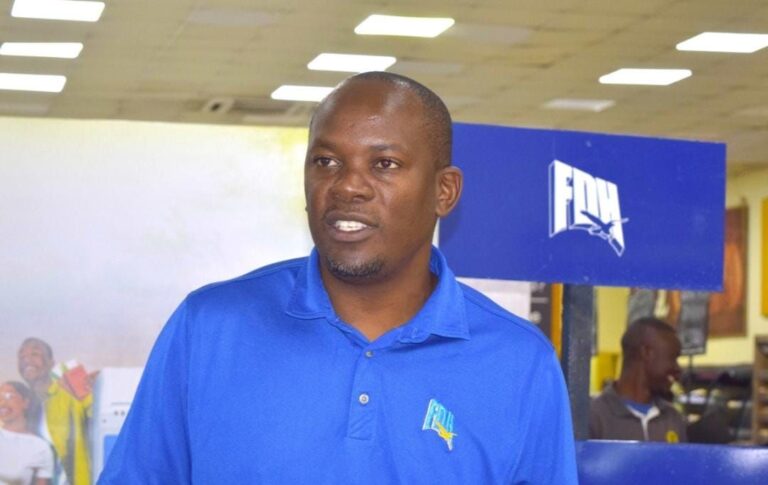
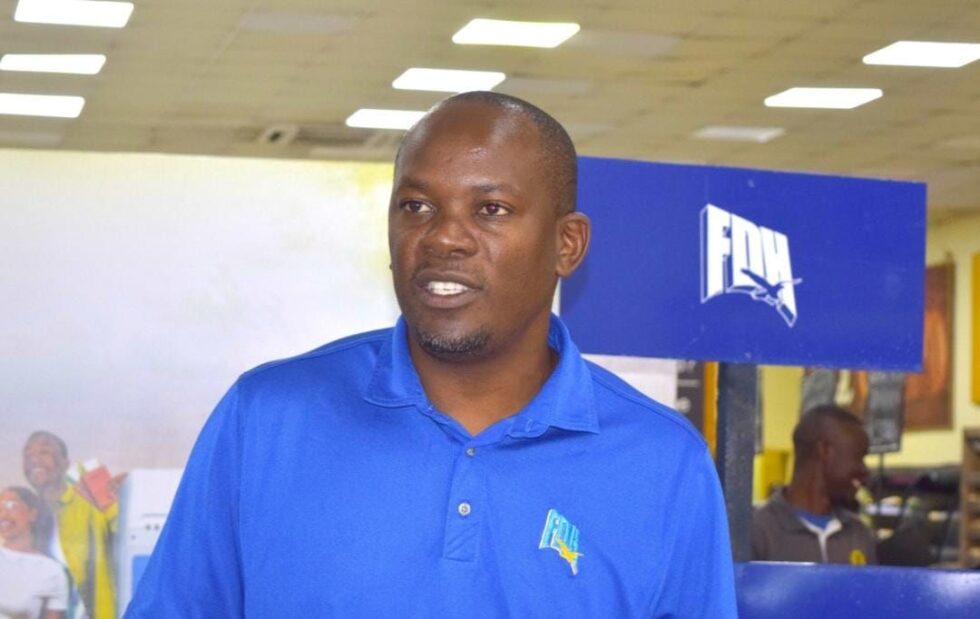
Speaking during the official launch on Tuesday, FDH plc Head of Marketing Ronald Chimchere said the initiative reflects the Bank’s continued commitment to promoting digital marketing rewarding customers for using electronic payment platforms.
He urged customers to embrace digital transactions to increase their chances of winning.
Ronald Chimchere
“We want to reward customers, with an outstanding prize, that is why we have launched this promotion. Three lucky winners will walk away with a fully sponsored trip to Dubai. To qualify, customers are required to spend K20,000 or more and swipe at any Point of Sale (POS) machine available at partnered outlets, including Chipiku and Ekhaya stores nationwide,” said Chimchere.
He also clarified that the competition is open to all bank card users, not only FDH plc customers.
In addition to the grand prize, the Bank will award monthly cash prizes of K100,000 to 25 customers.
“Once you swipe write your name and phone number at the back of the receipt. Your swipe will take you on a journey, so let the swiping begin,” said Chimchere.
One of the customers, Anthony James welcomed the promotion, describing it as an exciting opportunity.
“I am very excited that FDH plc has launched this promotion. It is a lifetime opportunity for us customers to win such an amazing price. I look forward to getting a chance to win with every shopping transaction I make,” said James.
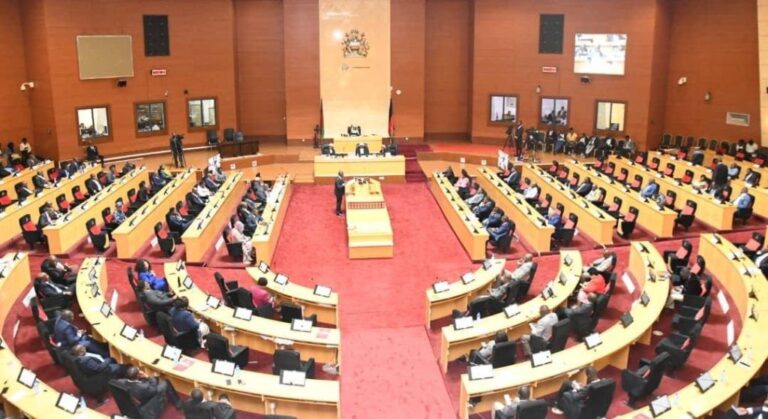
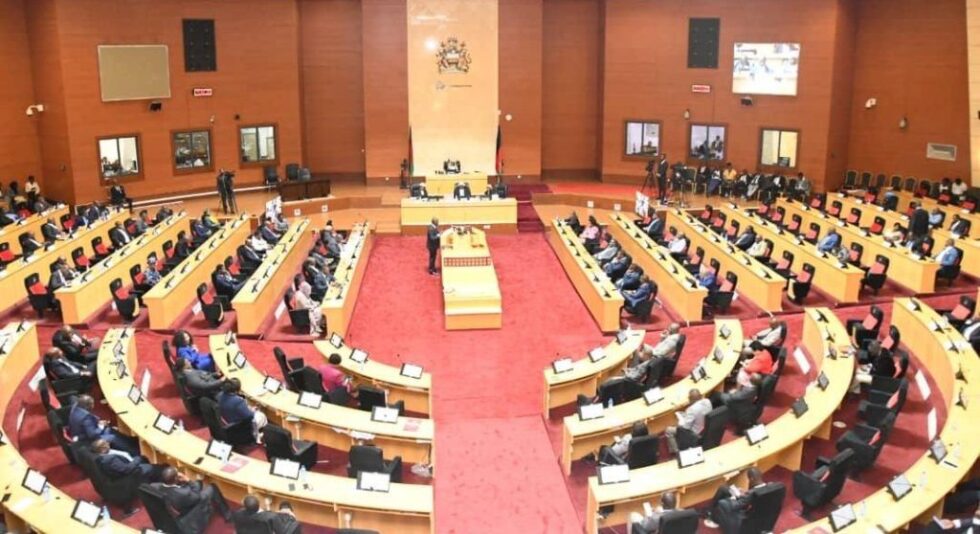
The 2026/2027 Budget Meeting of Parliament is set to commence on Friday, 13th February, 2026, with an official opening ceremony presided over by His Excellency the President, Professor Arthur Peter Mutharika, marking a crucial period for Malawi’s economic planning.
The meeting will take place in the Parliament Chamber in Lilongwe at 10:00 a.m. and will run until Friday, 10th April, 2026.
This budget meeting is significant as it will be the first full national budget tabled by the Democratic Progressive Party (DPP) administration since it assumed power following the September 16, 2025, General Election, and is expected to provide a clear economic direction for the country.
The Centre for Social Concern (CfSC) has described the meeting as timely, saying Malawians will be looking beyond figures to clear economic direction, emphasizing that the budget presents a critical test of the administration’s leadership.
The current 2025/26 National Budget, which expires on March 31, 2026, was revised upward by K512.6 billion during the mid-year review to K8.589 trillion from the initial K8.077 trillion, indicating a shift in economic priorities.
Malawi’s 2026/2027 budget meeting is focusing on key areas like manufacturing, tourism, and agriculture to drive economic growth, with the government aiming to reduce the fiscal deficit to 4.3% and debt-GDP ratio to 55.6%, while prioritizing sectors that can stimulate quick gains.
The budget prioritizes manufacturing and tourism for quick economic gains, with initiatives like electronic components manufacturing and tourism development, and supports agriculture, a crucial sector for Malawi’s economy, to improve food security and exports.
The government is committed to fiscal discipline, transparency, and policy consistency to restore macroeconomic stability, which is expected to have a positive impact on the country’s economic future.
The country’s medium-term economic outlook remains positive, with projected GDP growth of 4% in 2026 and 4.9% in 2027, however, challenges like climate shocks, high inflation, and foreign exchange pressures need to be addressed.
The success of the budget meeting will depend on the government’s ability to implement its economic plans and address the country’s pressing economic challenges.
Over the years, churches in Malawi have undergone a significant transformation, evolving from relying heavily on external funding to becoming financially independent entities.
This shift is a testament to the growing maturity and resilience of the Malawian church, as well as the increasing commitment of its members to support their local congregations.
One of the key factors contributing to this trend is the growing emphasis on self-reliance and stewardship within the church, with many congregations encouraging members to contribute financially and participate in income-generating projects.
Churches have also diversified their income streams, investing in various ventures such as agriculture, real estate, and small businesses, generating revenue and reducing dependence on external aid.
The Catholic Church, for example, has established a number of successful business ventures, including farms, hotels, and printing presses, which have enabled it to support its charitable and social programs.
Similarly, some Pentecostal churches have invested in commercial properties, using the rental income to fund their ministries and community outreach programs.
This financial independence has enabled churches to respond more effectively to the needs of their communities, providing essential services such as education, healthcare, and social support.
Moreover, financially independent churches are better positioned to maintain their autonomy and integrity, free from the influence of external donors or benefactors.
As churches continue to grow and mature, there is a growing recognition of the importance of empowering local congregations and promoting financial sustainability.
The shift towards financial independence has also led to increased accountability and transparency within churches, with many adopting robust financial management systems and reporting mechanisms.
Ultimately, the rise of financially independent churches in Malawi reflects a broader trend of empowerment and self-reliance, as local institutions take ownership of their development and respond to the needs of their communities.