

Wednesday, April 1, 2026
No menu items!
spot_img
Home Blog Page 61

Bobi Wine shatters reports of exile, confirms presence in Kampala


By Burnett Munthali

Contrary to reports that he left Uganda, Bobi Wine has shared proof that he’s still in Kampala, Uganda.

This revelation comes amidst heightened tensions and security concerns surrounding the opposition leader.

Bobi Wine, the prominent Ugandan opposition leader, has been sharing updates on his whereabouts, dispelling rumors of his departure from the country.

His actions are being closely watched, given the current political climate in Uganda.

The situation surrounding Bobi Wine has been volatile, with his home being occupied by military forces and his family facing harassment.

This has sparked international concern and calls for intervention.

Bobi Wine


Bobi Wine’s lawyer, Robert Amsterdam, has expressed serious concerns about the safety of his client and his family, citing breaches of international law.

The international community is urging Uganda to respect human rights and democratic norms.

The opposition leader has been in hiding since the January 15 General Election, which was marred by allegations of fraud and violence. Bobi Wine’s National Unity Platform has been vocal about the irregularities and has called for protests.

Despite the challenges, Bobi Wine remains committed to his cause, using social media to address his supporters and share updates.

His resilience has inspired many, both within Uganda and globally.

The military occupation of Bobi Wine’s home has been condemned by human rights organizations and the international community.

The situation highlights the ongoing tensions between the Ugandan government and opposition forces.

Bobi Wine’s decision to share proof of his presence in Kampala is a bold move, given the risks involved.

It demonstrates his determination to continue fighting for his cause.

The people of Uganda are watching the situation closely, with many expressing solidarity with Bobi Wine and his family.

The international community is also keeping a close eye on developments.

As the situation continues to unfold, it’s clear that Bobi Wine’s actions will have significant implications for Uganda’s political landscape.

His bravery in the face of adversity is a testament to his commitment to democracy and human rights.

The question on everyone’s mind is what’s next for Bobi Wine and Uganda.

Will the international community intervene, or will the situation escalate further?

Bobi Wine’s story is one of resilience and determination.

Despite the challenges, he remains steadfast in his pursuit of justice and democracy.

The world is watching, and the people of Uganda are waiting to see what the future holds.
Malawi pushes for inclusive growth through social protection programmes

0


By Burnett Munthali

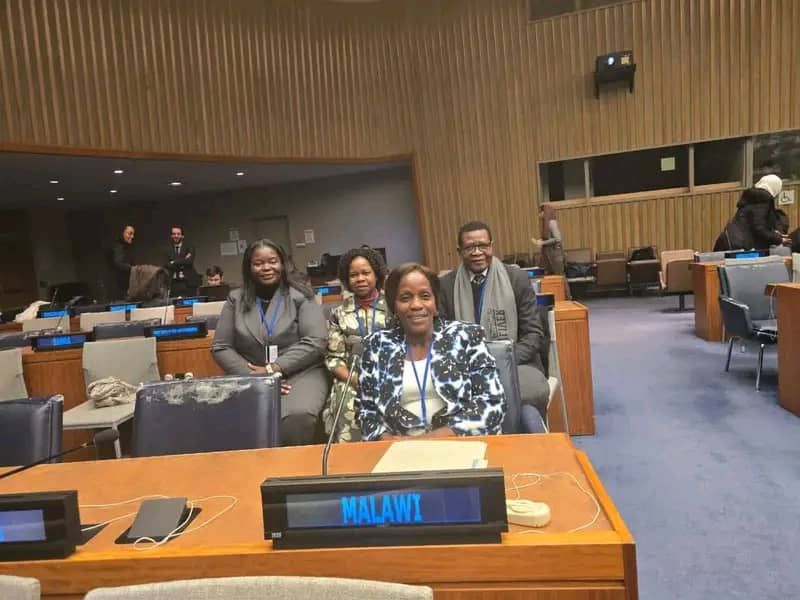
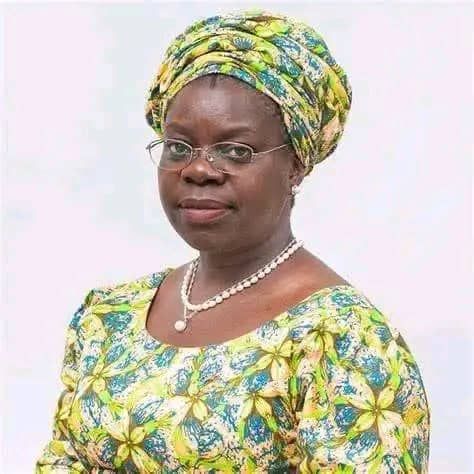
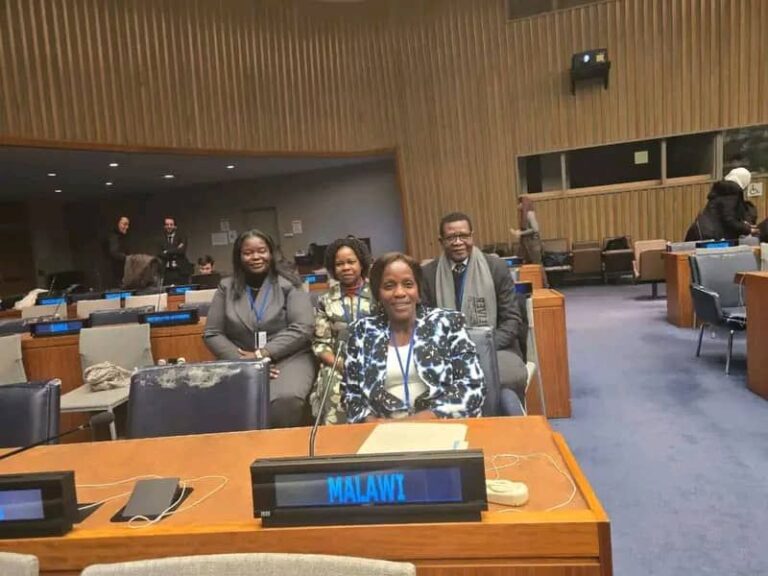
Malawi is implementing programmes aimed at strengthening social protection and promoting inclusive growth, with emphasis on the most vulnerable, Deputy Minister of Gender, Children, Disability and Social Welfare, Martha Mzomera Ngwira, has said.

The Deputy Minister made the remarks in New York, United States of America, during the 64th Session of the Commission for Social Development, a high-level gathering focused on advancing social development and social justice.

Mzomera Ngwira highlighted Malawi’s commitment to reducing extreme poverty and improving access to basic services, citing the adoption of the National Social Protection Policy (2024–2029) as a key milestone.


The policy is being implemented through initiatives such as the Social Support for Resilient Livelihoods Project (SSRLP) and the Malawi Social Cash Transfer Programme, which aim to provide a safety net for the most vulnerable members of society.

The Deputy Minister emphasized the importance of addressing youth and women unemployment, citing labour reforms and the upgrading of vocational and technical education systems as crucial steps towards supporting lifelong learning.

Malawi is also supporting persons with disabilities through targeted policies and funding mechanisms, Mzomera Ngwira said, highlighting the government’s commitment to promoting inclusive growth.

Despite these efforts, sustainability remains a challenge, and the Deputy Minister called for strengthened domestic financing and partnerships to support Malawi’s social protection programmes.

Mzomera Ngwira emphasized the need for continued bilateral and multilateral support to help Malawi achieve its development goals, particularly in the context of the country’s limited resources.

The 64th Session of the Commission for Social Development is being held under the theme “Advancing Social Development and Social Justice through Coordinated, Equitable and Inclusive Policies,” reflecting the global commitment to promoting social justice and reducing inequality.

The session provides a platform for countries to share experiences and best practices in advancing social development, and Malawi’s participation is seen as an opportunity to learn from other countries and showcase its own efforts.

Mzomera Ngwira’s remarks underscore Malawi’s commitment to promoting inclusive growth and reducing poverty, and highlight the challenges that the country faces in achieving these goals.

The Deputy Minister’s call for continued international support reflects the importance of global partnerships in addressing the challenges of social development, particularly in countries like Malawi that face significant resource constraints.

As the world grapples with the challenges of inequality and social injustice, Malawi’s efforts to promote inclusive growth and social protection are an important contribution to the global conversation on social development.

Growing Concerns: Fertiliser scandal snares top officials

0

By Burnett Munthali

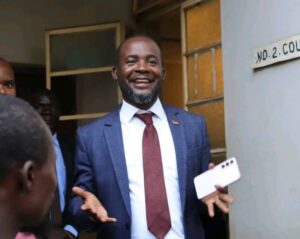
The Principal Resident Magistrate, Benjamin Chulu, has granted bail to former Secretary to the President and Cabinet, Colleen Zamba, and two former cabinet ministers, Sam Kawale and Sosten Gwengwe, who were arrested over a fertilizer contract.

The trio were arrested in connection with a deal awarded to East Bridge for the supply of fertilizer to the government, with allegations of misuse of office hanging over their heads.

Zamba


The accused persons appeared before court this afternoon, where they were informed of the charges they are facing, including conspiracy to commit a crime and misuse of office.

The three are jointly answering a charge of conspiracy to commit a crime, and they have also each been charged with misuse of office, a serious offence that carries significant penalties.

Soon after being informed of the charges, State prosecutor Prescott Mwayiulipo prayed to the court to give the State three weeks to prepare disclosures, citing the complexity of the case.

Lawyer for the three, Khumbo Soko, did not object to the State’s request for more time, instead applying for bail for his clients, an application that was not opposed by the State.

Magistrate Chulu granted bail, setting conditions that include a K2 million bail bond, two sureties bonded at K5 million, monthly reporting to police, and surrendering of travel documents.

The granting of bail has brought temporary relief to the former officials, but the allegations against them continue to raise concerns about corruption and abuse of power in government.

Chulu has also given the State 21 days to prepare disclosures, a deadline that is likely to be closely watched by the public and anti-corruption activists.

As the case unfolds, Malawians are demanding accountability and transparency from their leaders, and are calling for swift and decisive action against those who have abused their positions of trust.

The fertilizer scandal has sent shockwaves through the country, and the outcome of the case is likely to have far-reaching implications for the government’s anti-corruption efforts.

Gwengwe

COSOMA and Police Alliance Signals New Era in Fight Against Copyright Crime

0


By Rahim Abdul

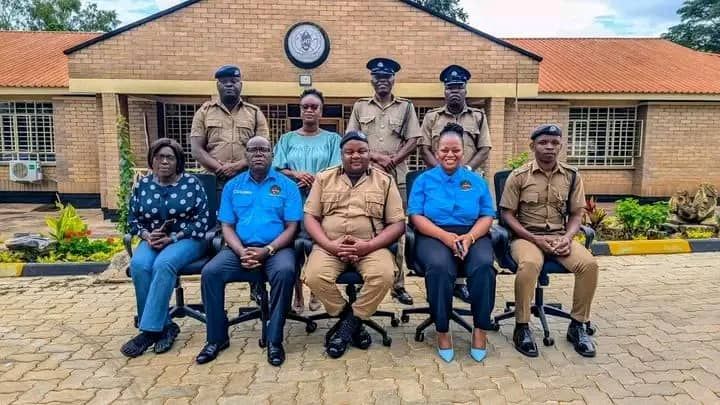
In a move expected to reshape the protection of creative works in Malawi, the Copyright Society of Malawi (COSOMA) has entered into a strategic partnership with the Malawi Police Service (MPS) to strengthen enforcement of the Copyright Act of 2016.

Rather than focusing only on policy, the collaboration places law enforcement at the centre of the fight against copyright infringement, recognising that effective protection of intellectual property depends heavily on trained and empowered police officers.

The partnership will see COSOMA working closely with the police to build a deeper understanding of copyright law, particularly in an era where digital piracy and illegal distribution of creative content are on the rise.

At the heart of the initiative is the development of a structured training programme designed to equip officers with practical skills in handling copyright related investigations and prosecutions.


Through these trainings, police officers are expected to gain clarity on how to identify copyright offences, collect evidence and work with prosecutors to ensure cases are successfully concluded in court.

The collaboration also seeks to improve coordination among police units across the country, ensuring that copyright enforcement is consistent and effective in all regions, not just in major cities.

For Malawian artists, the partnership represents renewed hope, as many have long complained that weak enforcement has left them vulnerable to exploitation and loss of income.

COSOMA believes that by strengthening police capacity, artists will be better protected, allowing them to focus on creating music, films, books and other works without fear of their efforts being stolen.

The initiative is also expected to send a strong message to offenders that copyright violations are serious crimes that will no longer be treated lightly.

Beyond enforcement, the partnership reflects a broader commitment to building a culture of respect for intellectual property, encouraging the public to value and support original creative work.

By aligning the goals of COSOMA and the Malawi Police Service, the collaboration bridges the gap between rights holders and law enforcement, creating a united front against copyright abuse.

Ultimately, the alliance aims to create a safer and more supportive environment for Malawi’s creative industry to grow, ensuring that creativity is rewarded and protected under the law.

Saif al-Islam Gaddafi Reportedly Killed as Libya’s Long Political Turmoil Deepens


By Rahim Abdul

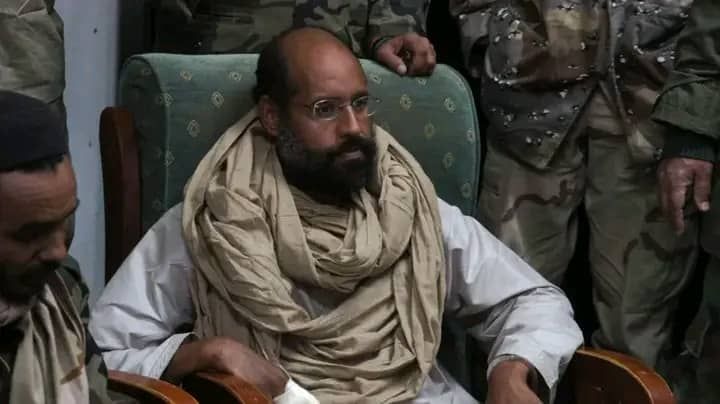
Reports emerging from Libya indicate that Saif al-Islam Gaddafi, son of former Libyan leader Muammar Gaddafi, has allegedly been killed after an attack on his residence by unidentified armed men.

Details surrounding the incident remain unclear and Libyan authorities are yet to issue an official statement.

According to sources close to the family, the attack happened at his home in western Libya, where unknown assailants reportedly stormed the property before opening fire.

The motive behind the killing has not been established and no group has claimed responsibility so far.

Saif al-Islam, aged 53, was for many years viewed as the most influential of Muammar Gaddafi’s children.

During his father’s rule, he was seen by supporters as a potential successor, enjoying significant political influence despite not holding a formal government post.

Gaddafi


However, his political path changed dramatically in 2011, when a popular uprising, supported by Western military intervention, ended Muammar Gaddafi’s more than four decades in power.

The former Libyan leader, who had ruled since 1969, was captured and killed as the country descended into chaos.

Following the collapse of the Gaddafi government, Saif al-Islam was arrested by militia forces and later faced serious charges linked to the violence during the uprising. His legal battles and periods of detention kept him largely out of public life for years.

In later years, Saif al-Islam attempted a political comeback, presenting himself as a figure capable of restoring stability