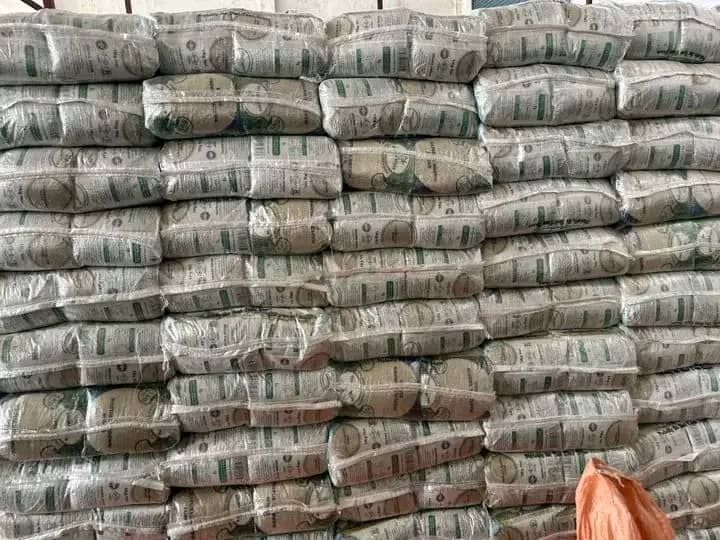
Salima Sugar Company has assured consumers that the price of its sugar remains unchanged, despite recent price adjustments by other players in the sugar industry.
The company’s statement comes at a time when households are facing rising living costs, prompting concerns over possible increases in the prices of basic commodities.
Speaking on the matter, Salima Sugar official Charles Thupi said the company has not revised its sugar prices and has no immediate plans to do so.
Thupi explained that the company’s position remains firm even after other producers, including Ilovo Sugar, raised their prices to around K4,600 per kilogram.
He said Salima Sugar understands the pressure consumers are going through and is committed to ensuring its products remain affordable.
According to Thupi, maintaining stable prices is part of the company’s broader effort to support Malawians during the current economic challenges.
He added that Salima Sugar continues to monitor market trends and production costs while prioritizing the interests of consumers.
The assurance has been welcomed by some consumers who had feared that price increases by one producer would trigger similar moves across the industry.
Economic analysts say price stability by some manufacturers can help ease inflationary pressure, especially on essential food items like sugar.
As the situation unfolds, Salima Sugar says it will keep the public informed should there be any changes, but for now, consumers can expect prices to remain the same.
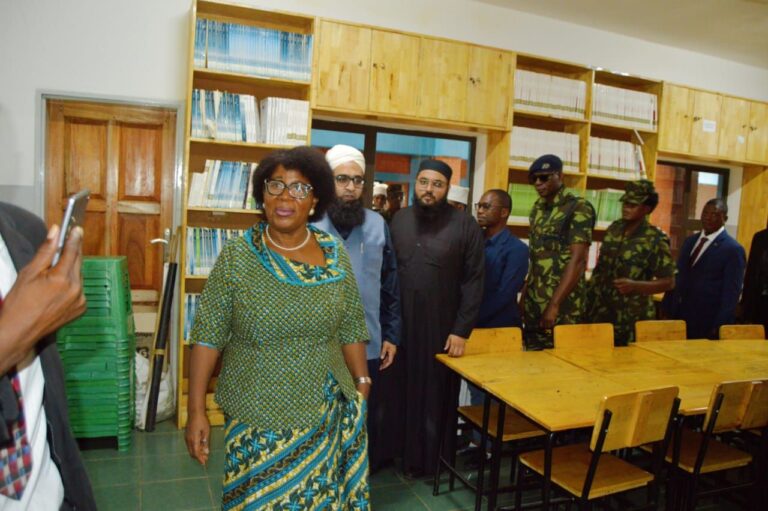
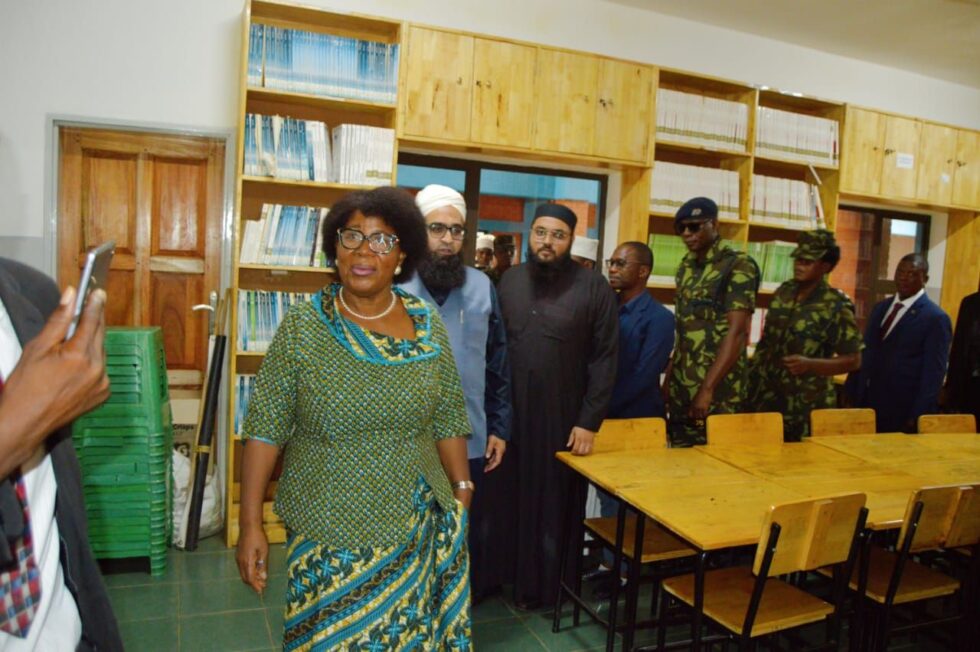
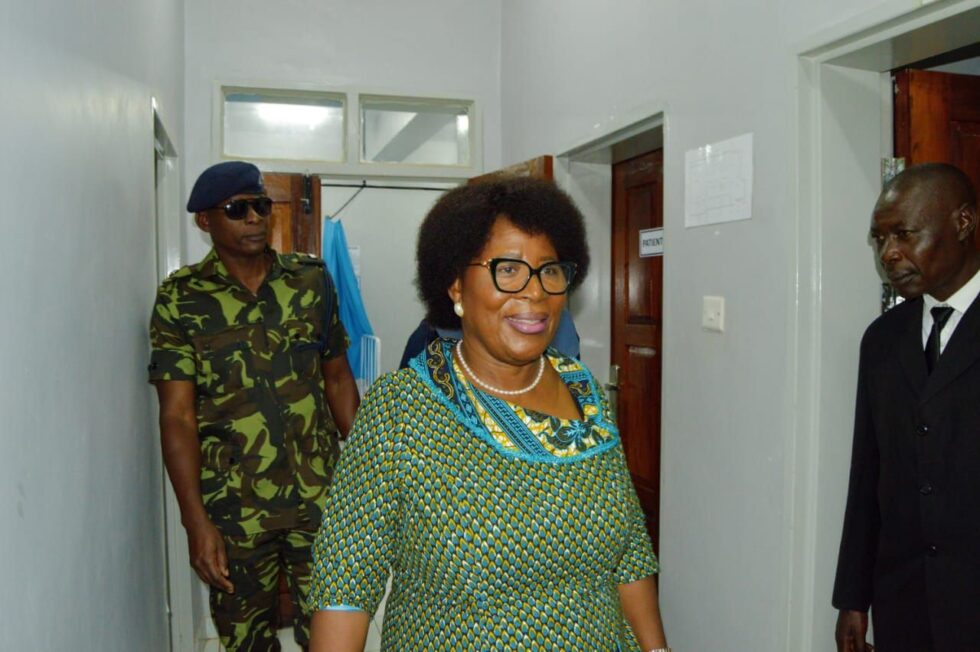
In a recent visit to the Alhus Sunnah Foundation (ASF) in Lilongwe, Vice President Dr. Jane Ansah SC, JA, (Retired) was inspired by the organization’s dedication to uplifting marginalized communities.
The ASF’s focus on providing quality education, scholarships, and promoting Islamic values to underprivileged Muslim students resonated deeply with Dr. Ansah’s own mission to empower vulnerable populations.
This visit marked an important milestone in Dr. Ansah’s ongoing efforts to collaborate with like-minded organizations and individuals to drive positive change in Malawi.
Through her foundation, Dr. Jane Ansah Foundation, she has been supporting a range of initiatives aimed at education, healthcare, and economic empowerment.
The foundation’s flagship program, “Reaching Out, Lifting Up,” is a testament to Dr. Ansah’s unwavering commitment to addressing poverty, hunger, and inequality.
By providing sustainable solutions and opportunities, the program has transformed the lives of countless Malawians, offering them a chance to break the cycle of poverty and build a brighter future.
From scholarships for deserving students to healthcare initiatives in rural areas, the Dr. Jane Ansah Foundation has been a beacon of hope for many.
Dr. Ansah’s tireless work and passion for social welfare and community development have inspired a new generation of leaders and change-makers, and her foundation continues to be a driving force for positive change.
As Dr. Ansah continues to champion social welfare and community development, her foundation remains committed to empowering vulnerable communities and promoting sustainable development in Malawi.
The Dr. Jane Ansah Foundation invites you to join them in their mission to create a brighter future for all Malawians – through volunteering, donating, or simply spreading the word, every effort counts.
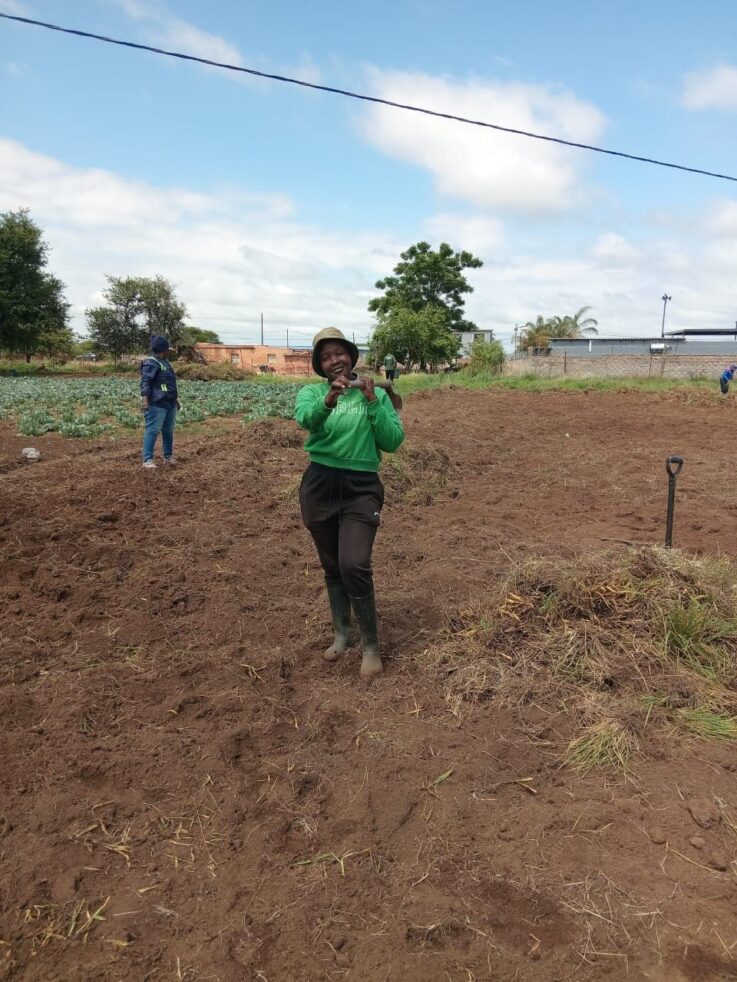
Education does not only happen in classrooms. It happens wherever people are supported to learn by doing, where knowledge is tested against reality, mistakes become lessons, and confidence grows through contribution. On this International Day of Education, a powerful example of this truth is taking root across South Africa, where farms are being transformed into vibrant learning spaces through the Social Employment Fund. In a country where youth unemployment persistently cripples potential, these fields are sowing something new: hope, skill, and dignity.
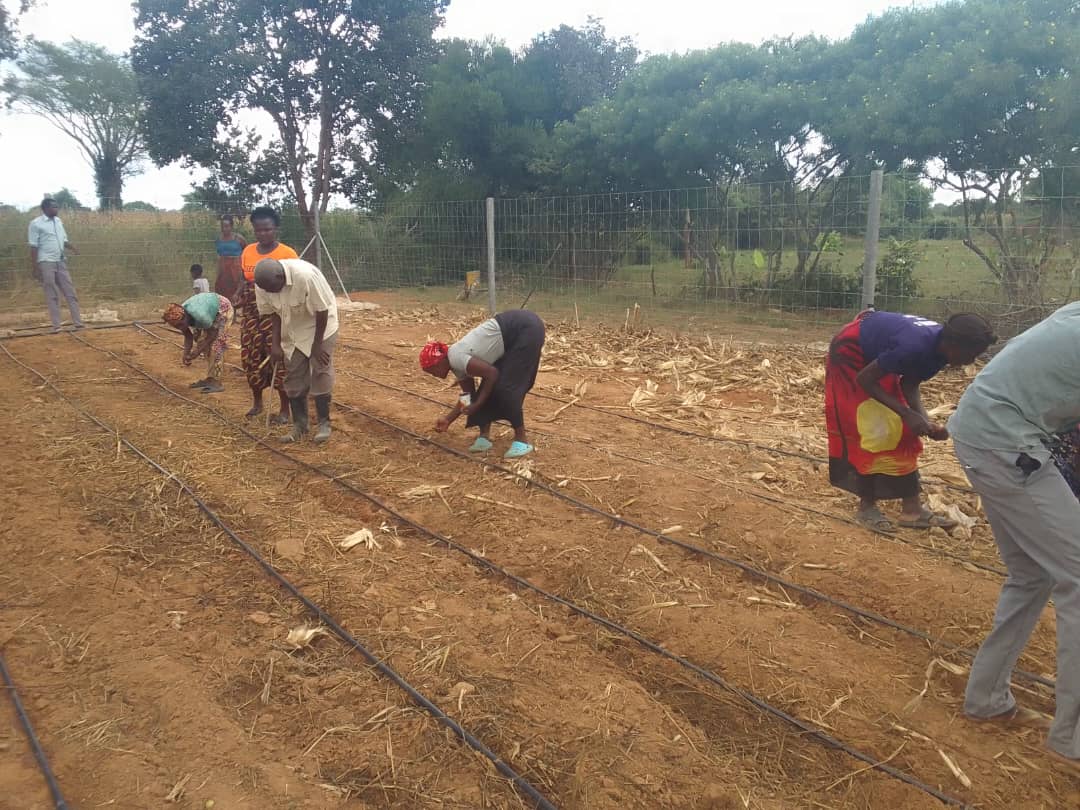
Through Solidaridad’s SEF project, more than 1,700 unemployed young people are engaged in work-based learning across agricultural value chains. On active farms and food gardens, participants gain hands-on experience in everything from soil preparation to enterprise development, guided by experienced farmers and technical staff. This model directly confronts a brutal reality. “Most SEF participants are unemployed youth who have been locked out of both education and work,” says Sade Balogun, Programme Manager at Solidaridad. “Learning on farms connects knowledge with purpose. They don’t just acquire technical farming skills. They learn communication, teamwork, planning, and responsibility. This learning is tied directly to real production and real outcomes, which is what makes it transformative.”
Award winning Tonic Moshobane
The transformative journey is embodied by people like Tonic Moshobane. Her path was marked by severe setbacks, including theft that left her to farm a hectare alone, on her hands and knees. The continuous support and mentorship from Solidaridad through SEF became her anchor. “I cried out to Solidaridad, and instead of being left alone, I was encouraged,” she recalls. That support led her to win a local farming competition, register her own farm, and now, as a certified farmer, she hosts 10 SEF participants on her land, planting thousands of seedlings and facilitating learning for others. “The real change came from skills transfer, mentorship, and continued support. Even after I graduated, SEF did not leave me,” Moshobane states.
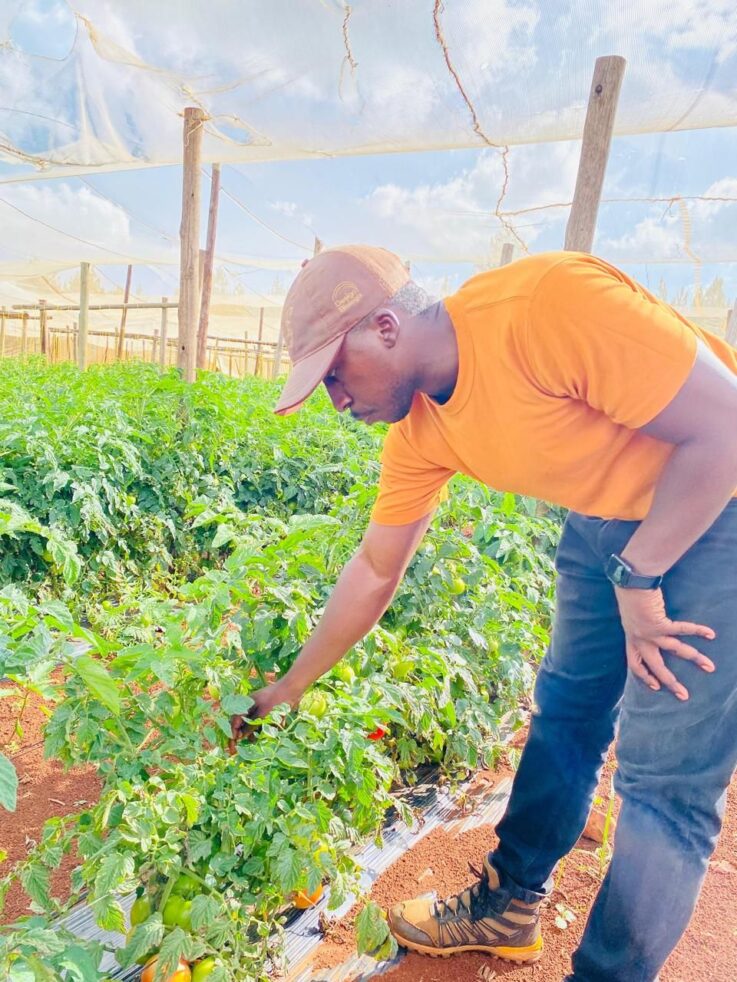
For others, like Lethlogonolo Mnguni, a postgraduate in Crop Science, SEF provided the practical bridge between theory and viable enterprise. He now farms at scale on leased land, supplying major retailers. “SEF taught me to be detailed,” he explains. “The stipend was never my main motivation. I joined SEF to gain skills, mentorship, and the discipline required to succeed.” His mentor from Solidaridad, Dumisani Ngonyama, continues to provide weekend guidance, a testament to the programme’s enduring commitment.
It is this ongoing partnership that fuels systemic change. “It’s not enough to teach people how to grow crops,” says Ngonyama. “We help SEF participants work together, pool produce, and access markets. This is how social employment strengthens food systems, not just individuals.” The social value multiplies as participants contribute food to households and schools, farmers become mentors, and youth move from exclusion to active participation.
On this International Day of Education, the message from these South African fields is clear. True education can flourish anywhere there is a chance to contribute, to persevere, and to grow. It is found in the resilience of a farmer like Tonic, the precision of an entrepreneur like Lethlogonolo, and the quiet dedication of mentors standing in the soil. Sometimes, the most powerful lessons are not written on boards, but are nurtured in the earth, cultivated through work, and harvested in the form of renewed purpose and community strength.
As the world marks the International Day of Education, focus is turning to the humble vegetable garden as a powerful, living classroom. In the face of pervasive hunger and a changing climate, climate-smart agricultural practices are providing vital lessons in food security, ecosystem health, and community resilience across Africa.
The need for such innovation is stark. Over 300 million Africans were chronically undernourished in 2024, according to global reports. In Zambia alone, an estimated 5.8 million people were projected to face heightened food insecurity due to droughts and climate shocks.
“Growing food locally is thus more than a livelihood strategy, it is education in action,” said Vincent Mofya, Senior Project Manager at Solidaridad, an organization supporting sustainable development. “It empowers communities to nourish their families and reduce dependence on unstable markets.”
These climate-smart gardens are designed using a systems-thinking approach, mimicking the balance of natural ecosystems like forests. This method fosters biodiversity, soil health, and water conservation. Key principles involve understanding soil fertility, matching crops to water availability, strategic crop rotation, and prioritizing both household nutrition and market potential.
Zambia showcases a variety of adaptive garden models, from urban backyard plots and rural wetland dambo gardens to efficient keyhole gardens with built-in composting. These spaces serve as laboratories where indigenous knowledge—such as traditional seasonal indicators—converges with Western scientific tools like soil testing and climate-adapted seeds.
“Through this integration, learners understand ecosystem dynamics and resilience strategies in a practical, hands-on way,” explained Sheila Garakara, Country Manager for Solidaridad in Zambia. The organization’s initiatives, such as the FANSER Project, help smallholder farmers blend traditional wisdom with modern techniques.
Establishing such a garden involves careful steps: selecting and designing the site, preparing soil with water conservation in mind, and managing planting, irrigation, and pests with organic and efficient methods.
This International Day of Education underscores that learning extends far beyond formal classroom walls. “Each seed sown is a lesson in sustainability,” Garakara concluded. “By integrating knowledge and practical learning, we empower farmers to feed their families, protect the environment, and shape a resilient future.”
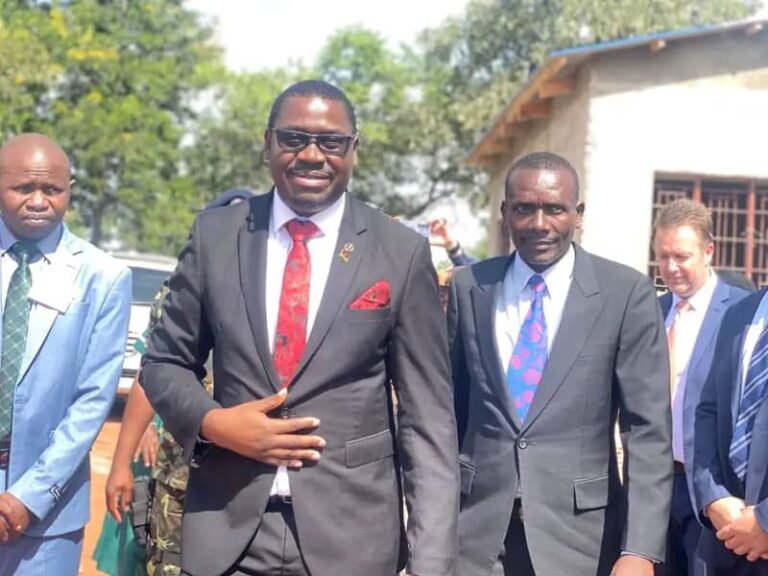
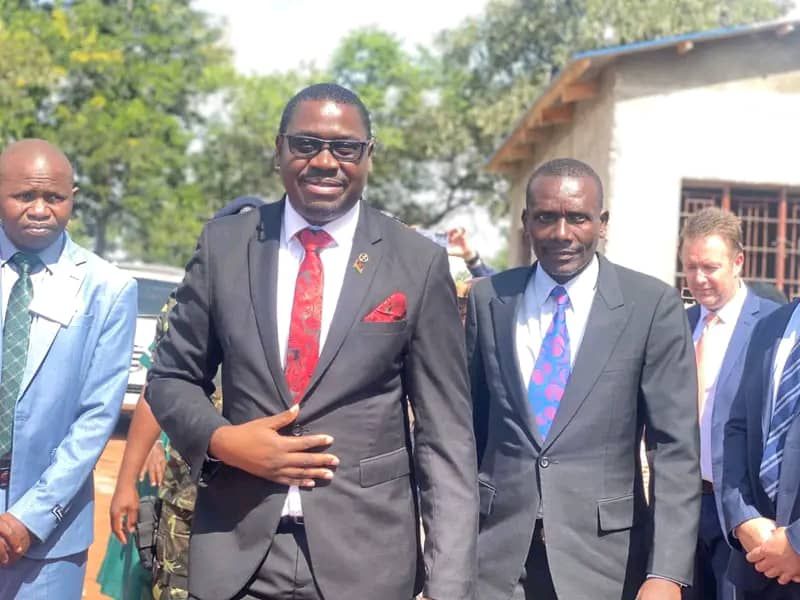
Deputy Minister of Education, Francis Folley, is currently at Kangankunde Primary School in Makolela Village, Traditional Authority Chanthunya in Balaka, to witness the launch of Project Early Learning.
This significant event underscores the importance of education and community development in the region.
Hon Francis Folley
The project demonstrates that education, community development, and responsible mining can progress together, setting a positive example for other initiatives to follow.
By integrating these key aspects, the project aims to create a lasting impact on the lives of Malawian children and their communities.
As development of the Kangankunde Rare Earths Project moves forward, Lindian Resources Limited says it remains committed to supporting local communities by strengthening early education and helping Malawian children build a strong foundation for a better future.
This commitment is a testament to the company’s dedication to responsible mining practices and community engagement.
Minister of Education and Science and Technology, Bright Msaka SC, is expected to be the guest of honour at the event, highlighting the government’s support for education and community development initiatives.
The launch of Project Early Learning is a significant step towards improving education outcomes in Malawi and promoting sustainable development.