Ministry of Finance Economic Planning and Decentralization says government has commenced the large scale disbursement of gratuities to retired civil servants.
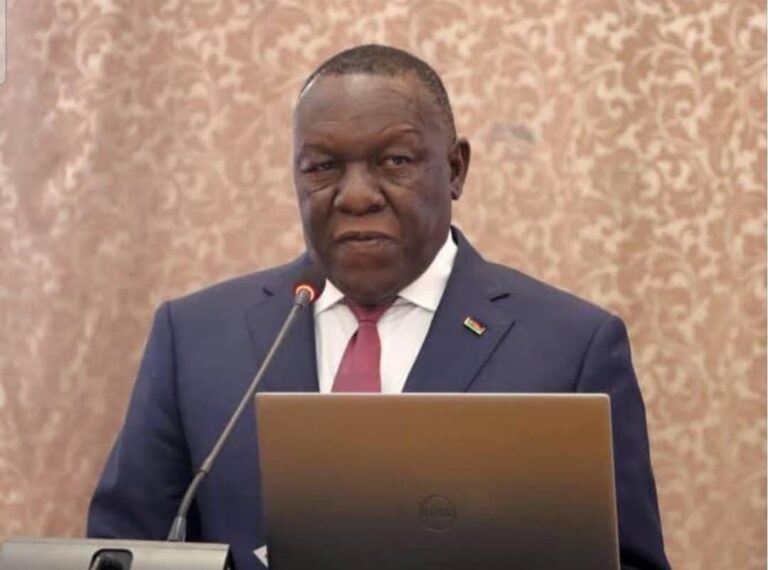
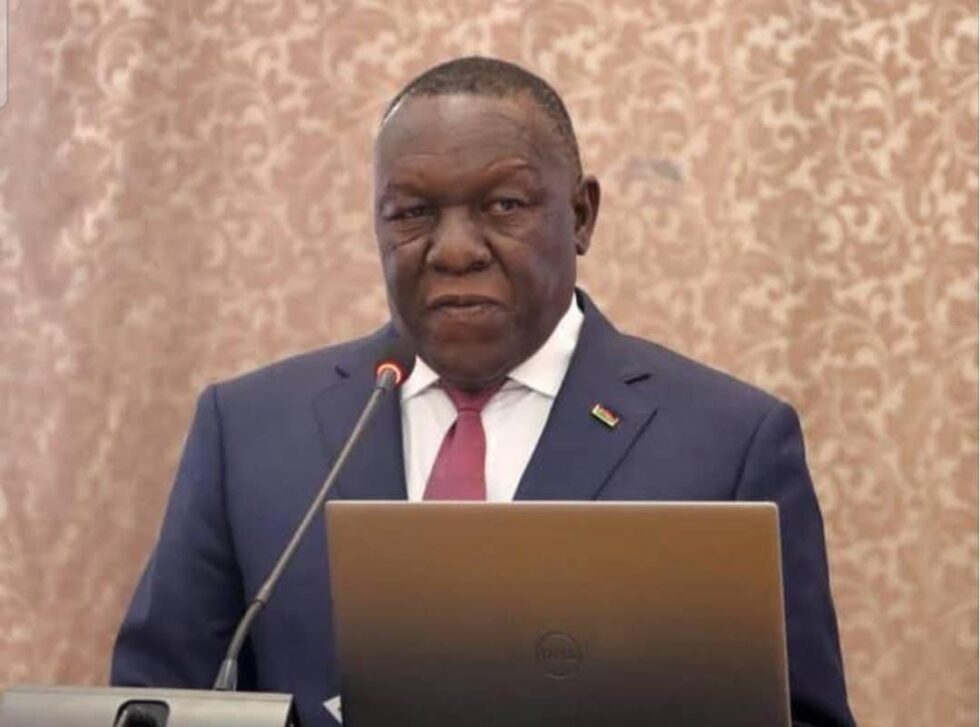
In a press statement Secretary to Treasury Dr. Cliff Chiunda says the development follows the approval by Parliament of additional K196 billion in the 2025/26 Mid-year budget review presented by the line Minister Joseph Mwanamvekha.
Dr Cliff Chiunda
“The initiative underscores government continued commitment to ensuring that retired civil servants receive their terminal benefits in a timely, predictable and orderly manner,” reads part of the statement.
The Ministry therefore assures retired civil servants to remain calm and patient as the due process will be done in a transparent manner on a “first come, first serve” basis. As the objective is to reduce the waiting period for payment of pension gratuities from 36 months to less than 12 months.
The Ministry is optimistic will be soon reduced to 3 months.
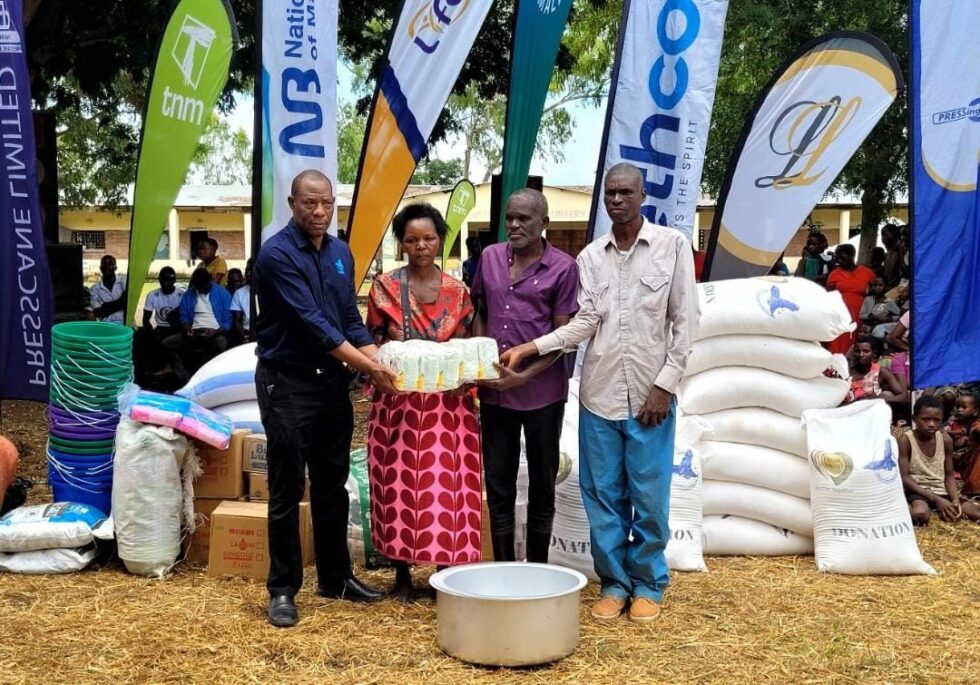
Conglomerate Press Corporation plc and its majority shareholder Press Trust, have donated relief items worth K142 million to people affected by floods in Dwangwa, Nkhotakota, as part of efforts to support communities displaced by the disaster.
The donation, which targeted flood-affected families in Kakuyu and other affected areas in Dwangwa, includes maize flour, blankets, cooking oil and other essential items aimed at assisting households currently staying in temporary camps.
Speaking during the handover on Wednesday, PCL Chief Executive Officer (CEO), Ronald Mangani, said the gesture is part of the group’s corporate social responsibility and is intended to cushion families who were displaced by floods that struck the district in December last year.
“We took note of the disaster that happened in Kasasa, Nkhotakota, and those include people who work with our subsidiary company, Ethanol Company Limited (EthCo). We thought we had an obligation to assist the people who have been affected by the floods. For that reason, we mobilised resources within the Press Group, including Press Trust, to assist the people,” said Mangani.
Mangani further emphasised the importance of enforcing existing policies that prohibit settlement and cultivation in disaster-prone areas, saying this would help reduce the impact of future disasters.
Press Trust Executive Director Gibson Ngalamira said the donation forms part of a coordinated humanitarian response to complement government efforts in addressing the disaster.
“We want to assure the people that Press Trust is committed to supporting communities living in high-risk areas, including efforts to relocate affected families to safer locations. These relief items being donated here will also help the people a lot in the suffering they have endured,” said Ngalamira.
Nkhotakota District Commissioner Ben Matengeni Tonho commended Press Corporation plc and Press Trust for the timely support, describing it as a significant contribution to the district’s disaster response efforts.
“The floods affected approximately 55,000 people and displaced close to 2,000 households, underscoring the need for both immediate humanitarian assistance and long-term preventive measures.”
“The district council is working closely with traditional leaders, and we are in the process of identifying suitable land for the relocation of people from Kakuyu and other severely affected areas,” said Tohno.
The donation comes at a time when many families in Nkhotakota are still recovering from the effects of the floods, which destroyed homes, crops and livelihoods across several communities.
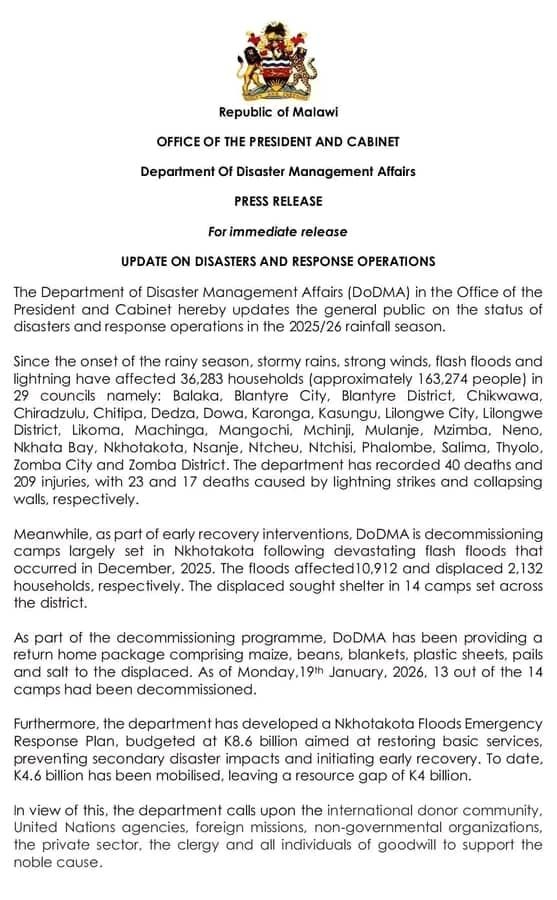
Malawi’s Department of Disaster Management Affairs (DoDMA) says more than 36,000 households across 29 local councils have been affected by extreme weather conditions since the onset of the 2025 rainy season.
According to a statement signed by DoDMA Commissioner Wilson Moleni, heavy rains, strong winds and flooding have combined to cause widespread destruction, leaving thousands of families struggling to recover.
The department reports that at least 40 people have lost their lives as a result of the disasters. Of these deaths, 23 were caused by lightning strikes, while 17 resulted from collapsing structures.In addition, 209 people sustained various injuries.
DoDMA highlights flooding in Nkhotakota District in December last year as one of the major incidents. The floods affected 10,912 households, forcing 2,132 families to flee their homes and seek refuge in 14 temporary camps established in the district.
The situation has since improved, with the department confirming that by January 19 this year, 13 of the 14 camps in Nkhotakota had been closed as displaced families began returning to their homes.
To support affected communities, DoDMA says it is distributing relief items including maize, beans, blankets, plastic sheets, pails and salt to households resettling after the floods.
The department has also appealed to development partners, private companies and well wishers to provide additional assistance, warning that continued rains could worsen the humanitarian situation in some areas.
As the rainy season continues, authorities are urging communities to remain alert and follow safety guidance to reduce the risk of further loss of life and property.
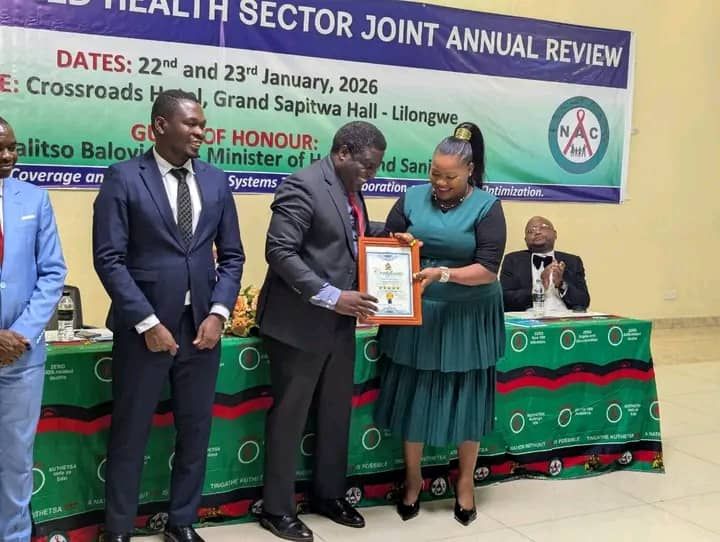
The Malawi Government has ordered all major public hospitals to establish fee paying sections as part of measures to ease financial pressure on the country’s health sector.
The directive comes at a time when Malawi is facing economic challenges following the suspension and reduction of health funding from some international cooperating partners.
Minister of Health Madalitso Baloyi said that the move is intended to help government raise additional resources to support operations and improve service delivery in public health facilities.
Baloyi stressed that paying for services will be optional, explaining that free healthcare services will continue to be provided in designated sections of the hospitals.
He said the initiative is meant to offer patients a choice, particularly those who can afford to pay for improved services, while safeguarding access to free healthcare for vulnerable citizens.
Meanwhile, Parliamentary Committee on Health chairperson Anthony Masamba has welcomed the decision, describing it as a timely intervention to address funding gaps in the health sector.
Masamba said revenue generated from the fee paying sections could be used to improve the quality of services, availability of drugs, and overall conditions in public hospitals.
The government believes the policy will help strengthen the health system amid declining donor support, while ensuring that essential healthcare services remain accessible to all Malawians.
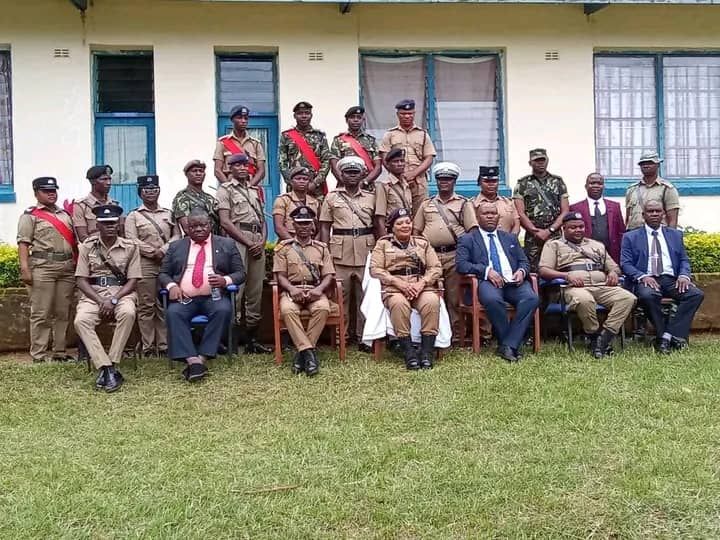
The Malawi Police Service has rolled out a renewed crime management training programme for detectives, signaling a fresh push to strengthen crime investigations across the country.
A total of 100 officers drawn from various policing jurisdictions are undergoing the specialised course at Police Training Schools in Limbe and Mtakataka.
The programme, which was officially launched on Thursday is designed to sharpen investigative skills within the Criminal Investigations Department (CID) after years without similar targeted training.
Director of the Criminal Investigations Department, Assistant Commissioner of Police Isaac Norman, described the initiative as a key step in modernising police operations.
He said the training reflects the service’s commitment to professionalism and pledged that more detective courses will be organised in the future.
Norman also appealed to the public to continue supporting the Malawi Police Service, noting that effective policing plays a critical role in promoting peace, security and national development.
Participants have welcomed the initiative, expressing confidence that it will improve their day-to-day work.
Sub Inspector Wezzie Phiri said the course is expected to expose detectives to advanced CID tactics and practical investigative approaches that will enhance crime detection and case handling.
Deputy Commissioner of Police Evelista Chisale, who was the guest of honour, said the selection of participants was carefully done. She noted that many officers were drawn from hard.to reach and remote areas, a move aimed at ensuring quality and professional policing services are delivered evenly across the country.
Police authorities believe the training will have a lasting impact on crime management, as graduates are expected to transfer the acquired skills to their respective stations and colleagues nationwide.