


By Burnett Munthali
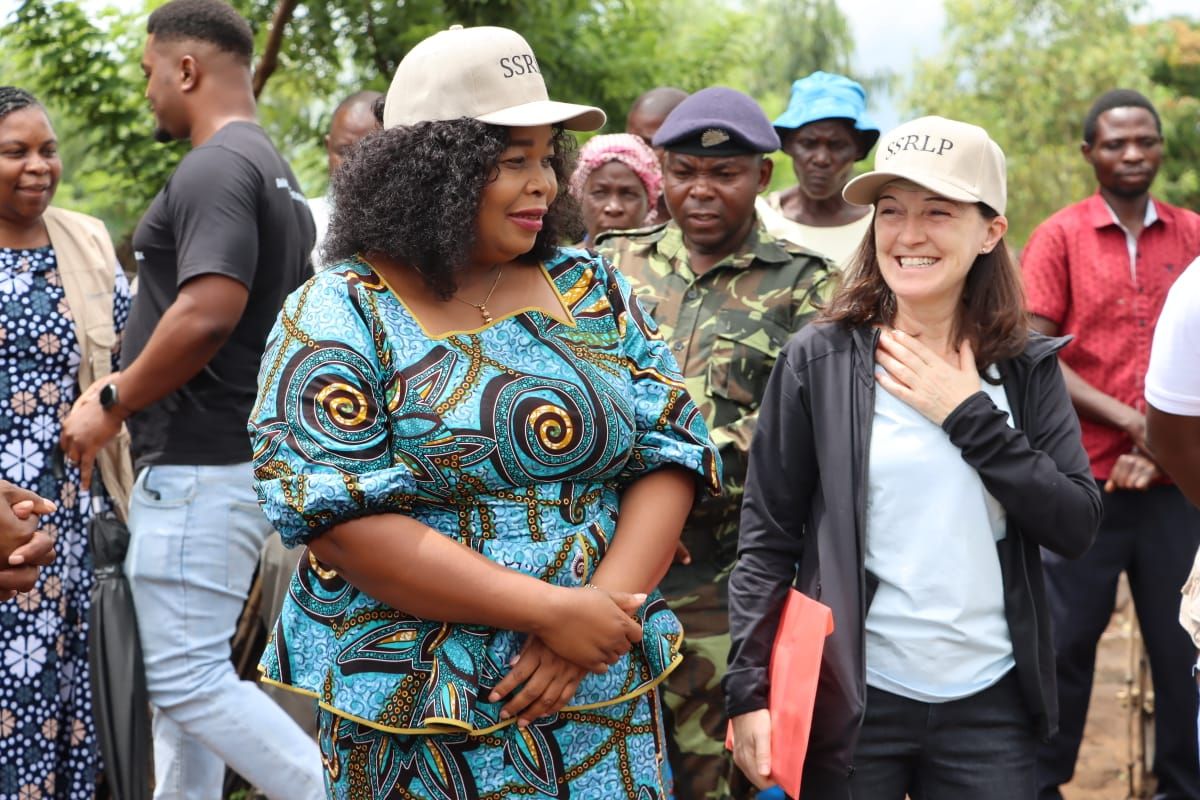
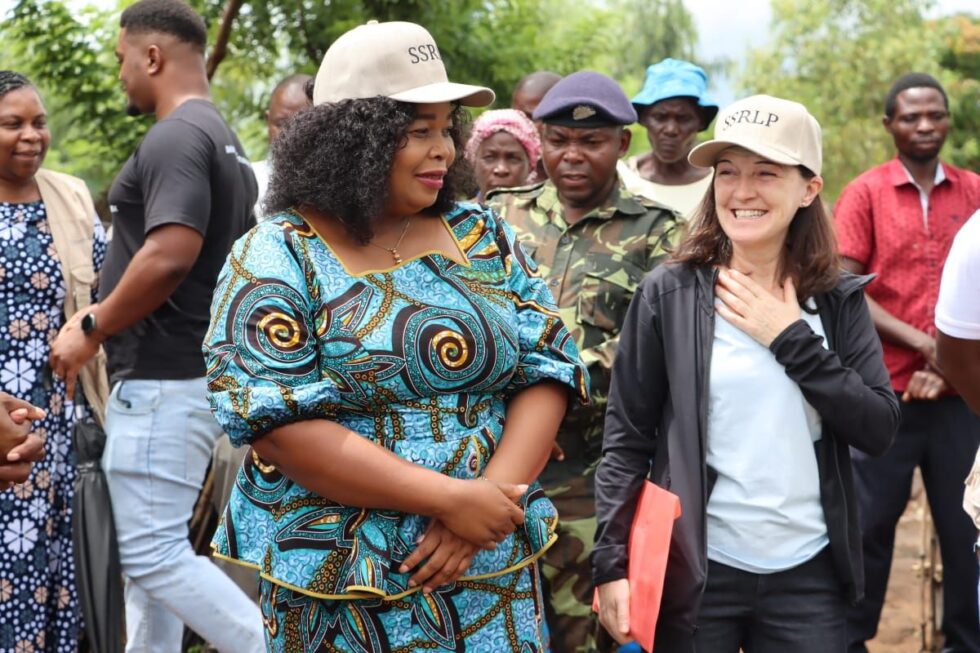
The visit by the Minister of Gender, Children, Disability and Social Welfare, Hon. Mary Thom Navicha, alongside World Bank Practice Manager Ms. Loli Arribas-Bonos, to the Pirimiti Makawa micro-catchment area under the Social Support for Resilient Livelihoods Project reflects strong, hands-on leadership.
By engaging directly with communities in Zomba District, the Minister demonstrated a clear commitment to improving livelihoods while protecting the environment, a crucial aspect of sustainable development.
The tree nurseries, social cash transfer beneficiaries, and natural tree regeneration structures witnessed during the visit highlight the project’s positive impact on environmental conservation and community resilience, showcasing the potential for scalable solutions.
This commendable gesture supports Prof. Arthur Peter Mutharika’s Manifesto and contributes meaningfully to the realization of Malawi 2063 through sustainable development and environmental stewardship, aligning with national goals.
The project’s focus on environmental sustainability and community empowerment is a model for future initiatives, offering lessons in effective collaboration and impactful intervention.
Hon. Navicha’s hands-on approach signals a shift towards more inclusive and sustainable development practices, prioritising both people and the planet in Malawi’s growth narrative.
The visit underscores the importance of partnerships in driving progress, with the World Bank’s support exemplifying, and the need for sustained commitment to environmental conservation.
As Malawi strives for sustainable development, initiatives like this project in Zomba District offer valuable insights and inspiration, highlighting the power of collaborative action.
The Minister’s engagement with the community reflects a broader vision of development that is equitable, sustainable, and people-centred, setting a positive example for others.