By Rick Dzida
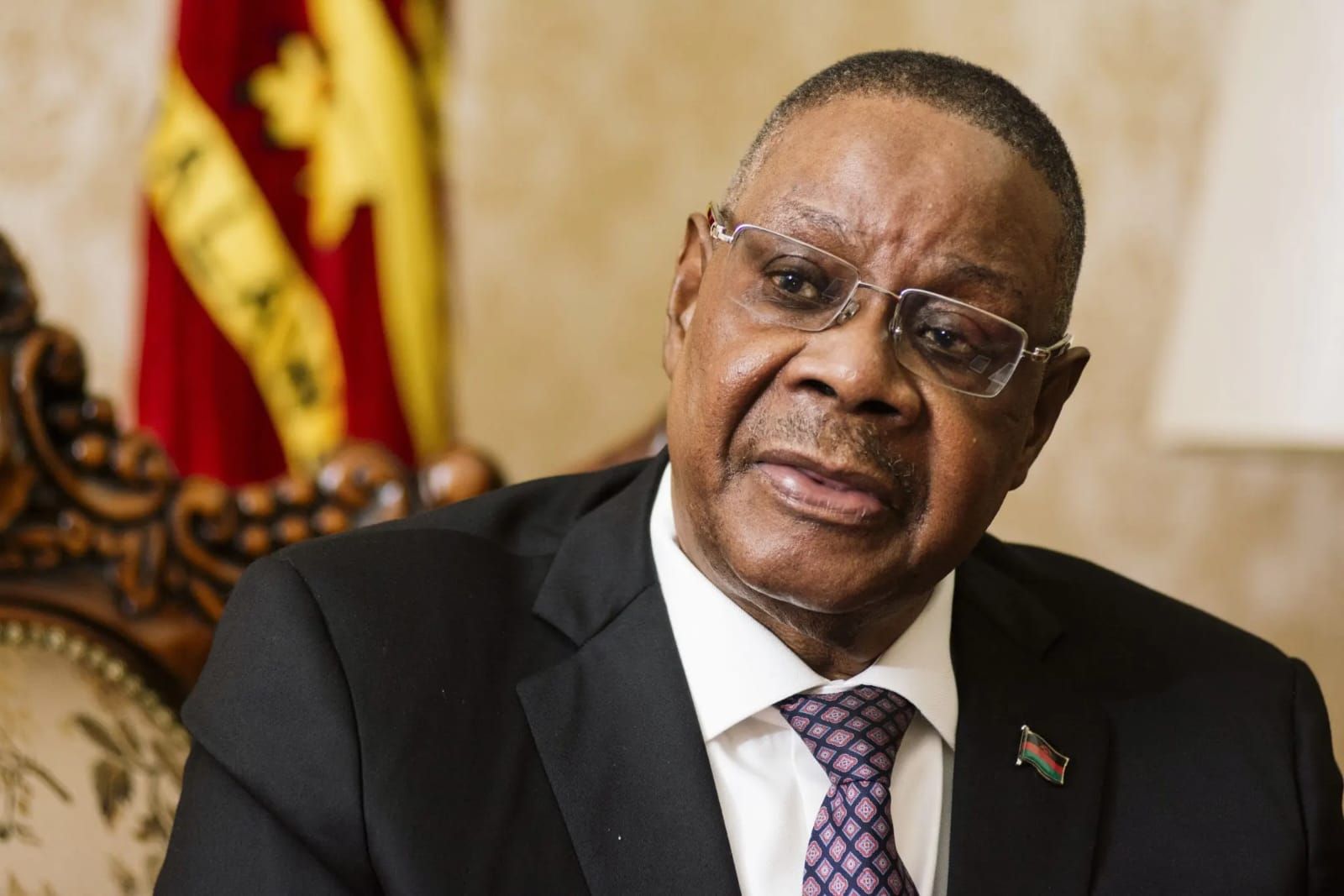
High expectations ensued among many Malawians when President Peter Mutharika (APM) was elected into power in September 2025.
Under APM’s leadership, supporters envisaged a future of zero tolerance to rampant corruption, a stiff stand against albino killings, better public service delivery and improved economy.
Much as some people hold the view that Malawi economic status is gradually improving as the price of some basic food products such as maize is slightly dwindling, others surmise that the September 2025 change of government simply signifies a change of beneficiaries of thieving and corruption.
In contrast to fighting corruption, it is perplexing that President Mutharika continues to employ a bodyguard who was once accused of stealing his Taxpayer Identification Number (TPIN), thereby raising questions about APM’s political will of ensuring accountability and integrity.
Furtherm
ore, the decision to drop corruption charges against officers such as the Reserve Bank Governor Mathanga currently serving the president indicates a lack of commitment to fighting corruption within the government.
In fact, it doesn’t auger well with fighting corruption when Norman Chisale 5 billion kwacha money laundering case was dropped willy-nilly. One wonders if justice is meant to be meted out only to the poor and the disadvantaged under APM’s leadership.
In fact, maintaining Chisale in multiple roles such as Member of Parliament, Deputy minisMinister ter of Homeland and Security, and APM’s personal bodyguard creates a conflict of interest, which usually undermines the integrity of public service.
In a country such as Malawi where joblessness is rampant, it is logically sound that such roles should be evenly distributed to benefit other Malawians. No one should have a monopoly of privileges and opportunities.
Additionally, the appointment of individuals such as Richard Luhanga, Enoch Chihana and others who have corruption charges against them, to public office suggests a disregard for ethical standards in governance as far as APM leadership is concerned.
Much as it remains a daunting fact that a person is deemed innocent till proven guilty by a competent court of law, appointing individuals who are answering corruption charges has a propensity of promoting fraud, bribery and graft as criminal investigations become compromised.
Sadly, the failure by President Mutharika to suspend anyone involved in the financial scandal related to the Amaryllis Hotel points to a potential cover-up or negligence in addressing corruption.
It is disheartening to note huge payments towards the sale of Amaryllis hotel were made in January 2026 under APM’s watch.
Furthermore, appointing individuals such as Brian Banda without following due process raises concerns about transparency and fairness in government appointments.
Both transparency and fairness demand that eligible candidates to the positions of Chief Executive Officer and Director General in the public service sector must undergo intensive and competitive interviews.
Critics have also raised concerns that President Peter Mutharika is potentially promoting and tolerating corruption. Why did APM fail to reprimand Cabinet Ministers Alfred Gangata and Norman Chisale for being awarded security contracts dubiously.
The fact that their Malawi Revenue Authority Security Contract was cancelled is evidence that corruption and bribery really occurred and consequently the culprits must face the long arm of the law.
It remains mind boggling why President Mutharika chose to pardon the murderers of Lule Buleya who were sentenced for over 15 years but only served for less than a year.
Critics have therefore argued that such a pardon has proved the rumours right that APM may have benefited from the escalating albino killings. This is a sad story.
In conclusion, if these concerns remain unaddressed, the trust upon APM’s integrity among many Malawians will continue to erode drastically.