By Burnett Munthali
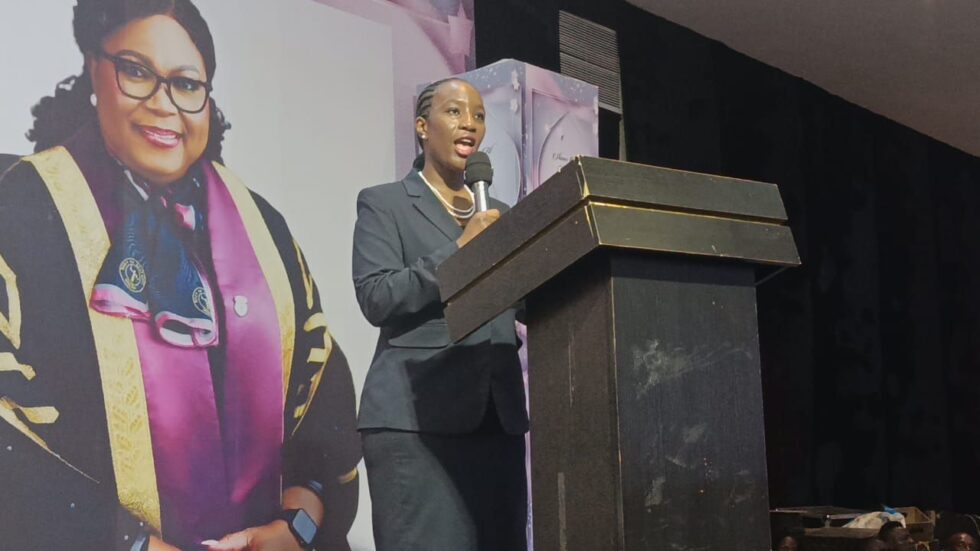
In a powerful call to action, Malawi’s Vice President Jane Ansah has emphasized the need for a unified approach to promote women’s rights across Africa, citing economic empowerment, institutional strengthening, and policy coordination as key drivers.
Speaking at the 60th birthday celebration of human rights champion Joy Ngozi Ezeilo, Ansah stressed that advancing women’s rights demands more than legislative measures, but a holistic strategy tackling societal, economic, and cultural obstacles.
Ezeilo’s tireless advocacy for justice and human dignity has set a remarkable example, Ansah noted, highlighting her contributions as a scholar, activist, and UN Special Rapporteur.
Despite progress, gender disparities persist, with women facing environmental vulnerabilities, limited access to justice, and exclusion from decision-making processes.
Ansah identified weak enforcement, institutional gaps, and patriarchal norms as major obstacles, emphasizing that challenges like gender-based violence and economic exclusion require coordinated efforts.
The Vice President stressed the importance of economic empowerment, noting that restricted access to land, credit, and financial systems hampers women’s economic participation, particularly in rural areas.
Digital inequality, climate change, and migration disproportionately affect women and girls, Ansah noted, highlighting the need for inclusive policies and stronger institutions.
Ezeilo’s work demonstrates the power of bridging law, policy, and practice to drive social transformation, Ansah said, commending efforts to strengthen access to justice and combat gender-based violence.
Ansah called for collective responsibility, urging African governments and citizens to translate policy declarations into actionable steps, ensuring women’s protection and empowerment, especially at the grassroots level.
“Africa’s development hangs in the balance,” she said, emphasizing that advancing women’s rights is both a moral imperative and a governance priority.