By Apengie Apengire
The Malawi Congress Party has accused the Democratic Progressive Party government of failing to deliver on its campaign promises just five months into office, saying public anger is mounting over the economy, governance, and the influence of unelected aides around an aging president.
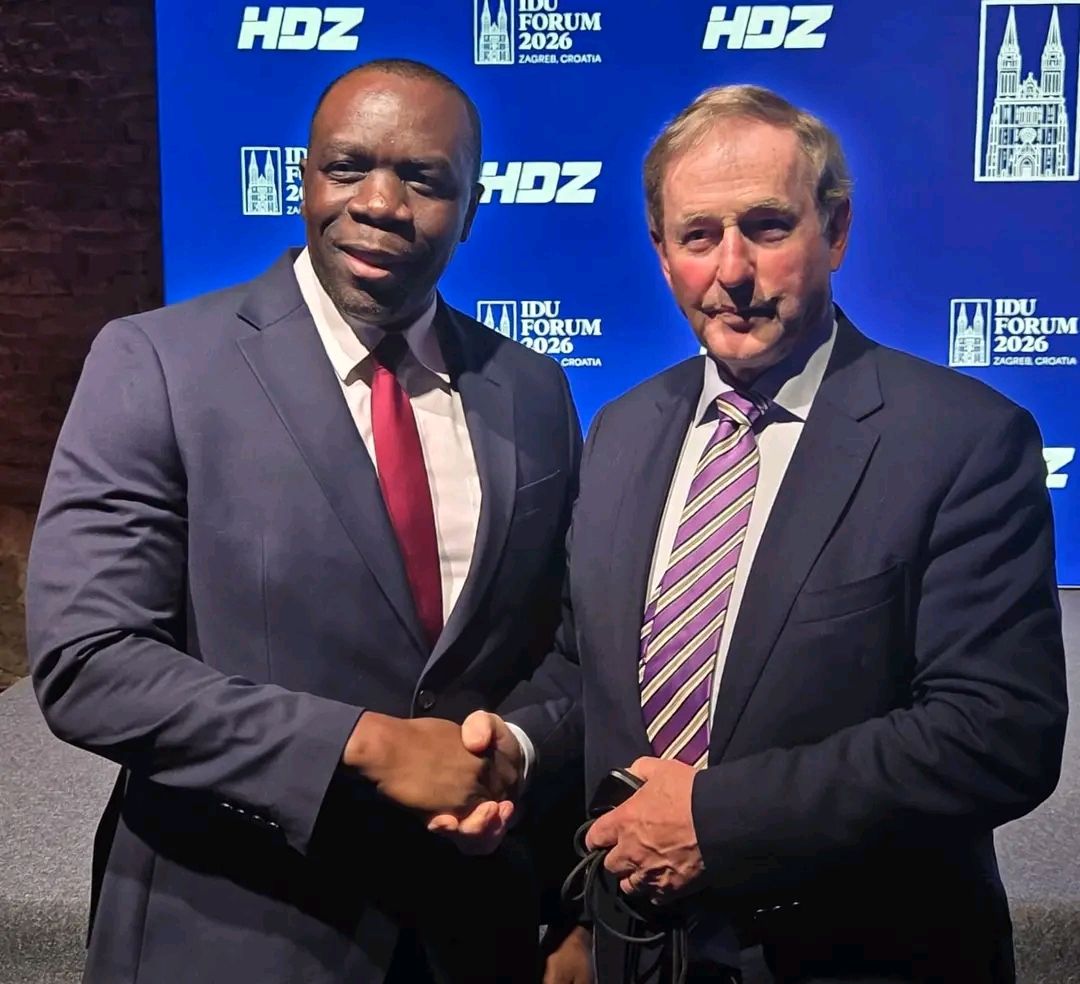
Speaking at the International Democracy Union Meeting in Zagreb, Croatia, MCP Deputy Director of International Affairs Chalo Mvula said the party is reshaping its strategy to return to power in 2030 after reflecting on mistakes that cost it the 2025 election.
Mvula told delegates that many Malawians are already disillusioned with the DPP administration elected in September 2025.
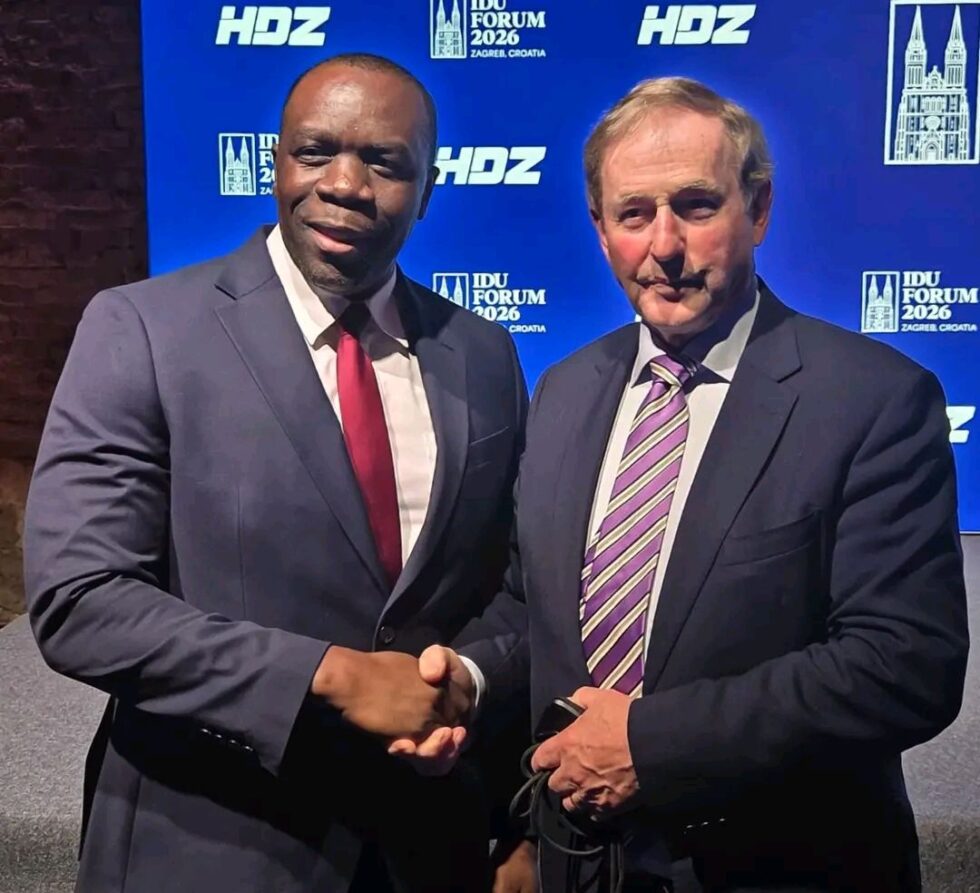
“Malawians have already started seeing that what they elected in September 2025 is not delivering for them,” Mvula said. He added that MCP is focusing on “more mature leadership and better relationships” as the political landscape shifts, positioning itself as a credible alternative to what he called a struggling government.
The MCP official argued that the DPP has squandered its early mandate.
Five months after taking office, the party says, the cost of living remains high, fuel queues have resurfaced, and public services are deteriorating while key campaign pledges remain unmet.
According to Mvula, the frustration on the ground is palpable, with households and businesses feeling the pinch of what he described as policy drift and lack of direction from Capital Hill.
Mvula further alleged that the DPP’s leadership is weakened by the president’s advanced age and over-reliance on close associates.
He singled out Norman Chisale as an example of individuals who, he claimed, wield outsized influence behind the scenes, shaping decisions while the president struggles to assert control.
MCP contends that this dynamic has left government vulnerable to factional interests and slow to respond to national challenges.
“Malawians voted for change, but what they got is a government that cannot keep its word,” Mvula said. “When a leader is being managed by others, the country suffers. That is what we are seeing.”
The MCP says its participation in the Zagreb meeting, opened by Croatia’s Deputy Prime Minister Davor Božinović and attended by more than 84 centre-right political parties, is part of a broader effort to rebuild international partnerships and sharpen its policy platform.
Mvula insisted the party has learned from its 2025 defeat and is ready to present voters with what he called a more disciplined, issue-based alternative.
The DPP has yet to respond to the latest accusations.
However, government officials have previously defended their first months in office, citing global economic headwinds and inherited fiscal pressures.
With the next election set for 2030, MCP says it will not wait to engage voters.
The party plans to intensify grassroots mobilization and policy consultations, betting that growing discontent with the DPP will create space for a comeback built on what Mvula called “experience, maturity, and accountability.”