By Jones Gadama
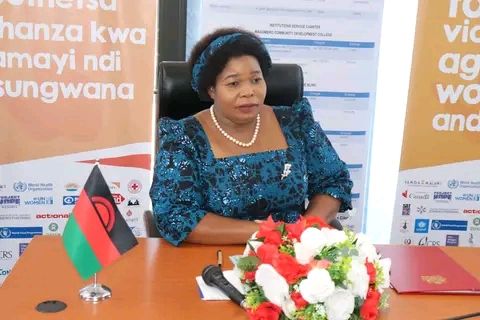
Hon. Mary Thom Navicha, Minister of Gender, Children, Disability and Social Welfare, has called on Malawians to turn International Albinism Awareness Day into real opportunities for jobs, healthcare and security for persons with albinism.
Speaking on Saturday during IAAD 2026 commemorations in Blantyre and in an exclusive interview with 247Malawinews yesterday, Navicha said Malawi’s local theme “Proudly in My Skin: Advancing Access to Inclusive Employment and Economic Opportunities for Persons with Albinism” must move beyond slogans and deliver dignity for every citizen regardless of skin tone.
The Minister reaffirmed government’s commitment to protecting persons with albinism and linked current measures to foundations laid by the Democratic Progressive Party, DPP, administration under President Peter Mutharika. “The DPP government under His Excellency President Peter Mutharika was very concerned and committed with the security of people living with albinism,” Navicha said.

She explained that this concern led to stronger police response, community awareness drives and laws that government continues to strengthen today.
“No person can be proud in their skin if they live in fear. Security must come first,” she added, noting that the Malawi Police Service and traditional leaders are working to improve surveillance in areas where persons with albinism remain vulnerable.
Navicha then pressed employers and the private sector to hire based on ability rather than appearance, saying myths continue to deny Malawi needed skills.
“For too long, prejudice has stolen opportunities from talented Malawians. An employer who looks at skin tone instead of qualifications is robbing the country,” she stated.
She urged companies to partner with government on vocational training, apprenticeships and small business grants targeted at persons with albinism.
“Economic independence is dignity. When a young man or woman with albinism earns a salary or runs their own business, stigma loses power. That is the Malawi we are working toward,” Navicha said.
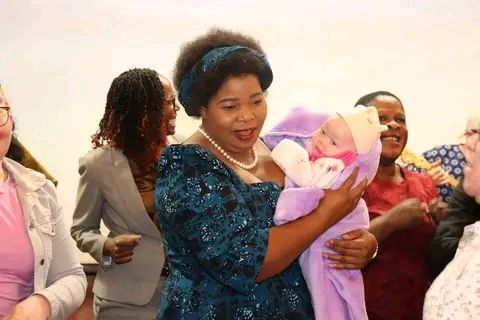
Saturday’s event in Blantyre brought together government officials, civil society and members of the Association of Persons with Albinism in Malawi, APAM, for panel discussions, free skin checks and testimonials. Overton Phiri, a member of APAM, said the Minister’s approach has restored confidence among many persons with albinism.
“For years we were just statistics of attacks. But Minister Navicha listens. She sits with us, asks about our businesses, our children’s school fees, and our health. When she tells us ‘your skin is not a curse, it is your crown,’ you believe it. She has made government feel human again,” Phiri said.
He added that access to sunscreen, sunglasses and skills training has improved, but more jobs are needed for young people with albinism to achieve true independence.
Participants at the commemoration praised Navicha for her humility, hard work and empathetic leadership, describing her as a “good mother” who is approachable and cares deeply for the community.
“She does not just speak from an office. She comes to the communities, she remembers names, she follows up on individual cases. That is why the Society loves her. She treats persons with albinism like her own children,” said one community leader.
Many noted that her habit of visiting rural areas and listening without judgment has made her one of the most trusted voices on disability and inclusion.
The Minister also highlighted ongoing government efforts to improve healthcare access for persons with albinism, who face higher risks of skin cancer and visual impairment due to sun sensitivity. “Inclusive health care means clinics must have sunscreen, sunglasses, and patient education. We are partnering with health institutions and donors to make sure these reach those who need them most,” Navicha explained.
She urged parents and teachers to protect children with albinism and encourage education as the surest path to self-reliance.
“To every young person with albinism: dream big, study hard, and refuse to be limited by anyone’s prejudice. To parents: protect your children, enroll them in school, and tell them daily that they are loved and valued,” she said.
Closing the interview, Navicha appealed to all Malawians to make inclusion a daily practice.
“We can build a Malawi free from stigma and discrimination, where every person with albinism is valued, respected, and empowered to reach their full potential. That Malawi is built by all of us, in our homes, churches, offices and fields. Let us choose inclusion. Let us choose humanity. Let us be proudly in our skin, together,” she concluded.
As APAM continues a week of activities across the country, Saturday’s message was clear: awareness must now translate into measurable change in employment, healthcare and security for every Malawian.