By Durell Namasani
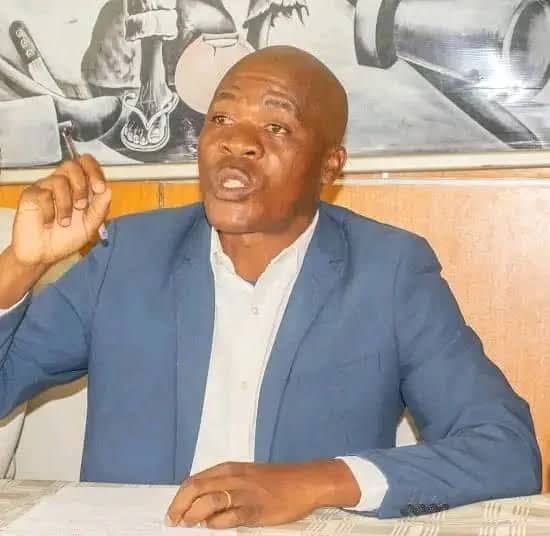
United Democratic Front (UDF) President Atupele Muluzi has thrown his weight behind Centre for Democracy and Economic Development Initiatives (CDEDI) Executive Director Sylvester Namiwa following his summons by the Malawi Police Service, warning that democracy is undermined when citizens fear speaking out against those in public office.
Muluzi’s intervention came hours after CDEDI announced that Namiwa had been instructed to report to the National Police Headquarters at Area 30 in Lilongwe at 2:30 p.m. on Thursday, where he was expected to meet the Head of the Criminal Investigations Department, Gerland Chiwanda, before proceeding to see Inspector General of Police Richard Luhanga.
The summons comes amid an escalating dispute between Namiwa and Minister of Lands and Urban Development Chimwemwe Chipungu. Earlier this week, Chipungu, through his lawyer Khwima Mchizi, gave Namiwa and CDEDI 48 hours to apologise and retract remarks made during a press briefing in which the civil society organisation demanded accountability and called for the minister to voluntarily undergo a lifestyle audit over allegations it had raised.
In a public alert issued Thursday morning, CDEDI linked the police summons to the ongoing standoff, saying the development came only hours after the minister’s legal demand. The organisation also claimed that Namiwa recently received a telephone call from Deputy Minister of Homeland Security Norman Chisale—described as President Peter Mutharika’s personal bodyguard—expressing frustration over remarks Namiwa made during a Luntha TV interview.
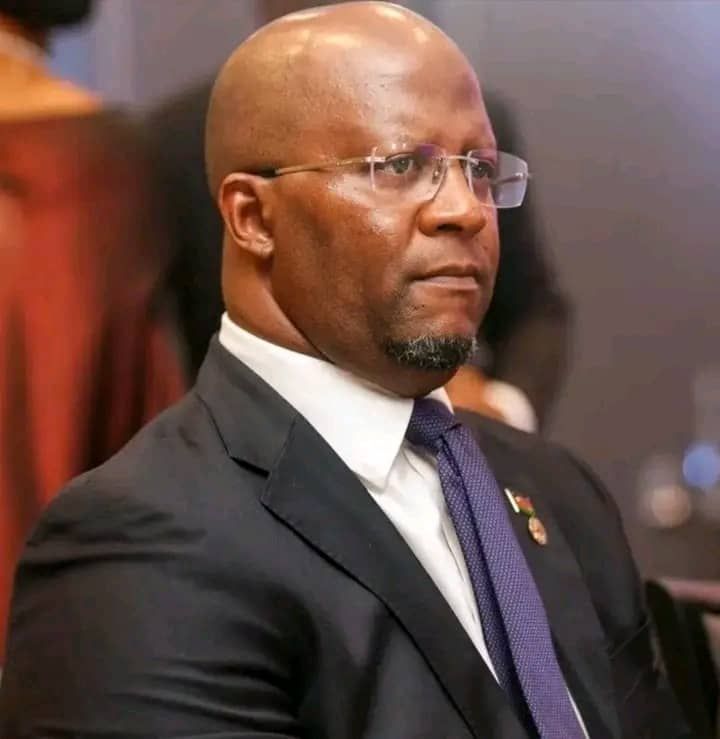
Responding to the developments, Muluzi cautioned against creating an environment where citizens or civil society organisations are made to feel that questioning public officials carries personal consequences.
“I have seen the statement issued by CDEDI regarding the summons of its Executive Director, Mr. Sylvester Namiwa, to report to the Malawi Police Service for questioning,” Muluzi said in a Facebook statement. “At a time when our country needs greater accountability, transparency and open dialogue, we must be careful that those who raise questions about the conduct of public officials are not made to feel that speaking out comes at a personal cost.”
While acknowledging the authority of law enforcement agencies to conduct investigations, Muluzi stressed that any questioning of Namiwa must strictly follow constitutional and legal safeguards. “If Mr. Namiwa has been summoned to answer questions, he should be afforded the full protection of the law, treated with dignity and allowed to exercise his constitutional rights,” he said.
Muluzi argued that democratic governance depends on citizens being free to scrutinise those exercising public power. “Democracy is strengthened, not weakened, when citizens can question those entrusted with public office,” he said. The UDF leader declared his solidarity with Namiwa and “all Malawians who peacefully and responsibly advocate for accountability and good governance,” urging the country to safeguard freedom of expression, due process and the rule of law.
“Malawi belongs to all of us. We must protect the space for every citizen to speak, question and demand accountability peacefully and lawfully,” he said.