By Burnett Munthali
Women’s rights advocates are pressing for electoral reforms that would guarantee women a stronger presence in Malawi’s Parliament and local councils, including a proposal to create 28 parliamentary seats specifically reserved for women.
The proposal emerged during a stakeholders’ meeting in Lilongwe, where women-led organisations and gender advocates reviewed the outcome of recent elections and began preparing a position paper on women’s political participation. The initiative is supported by UN Women, according to local media reports.
Under the proposed arrangement, one parliamentary seat would be reserved for women in each of Malawi’s 28 districts, in addition to the existing constituency seats. Advocates say the system could provide a legal mechanism for increasing women’s representation rather than relying solely on women to compete within the existing electoral structure.
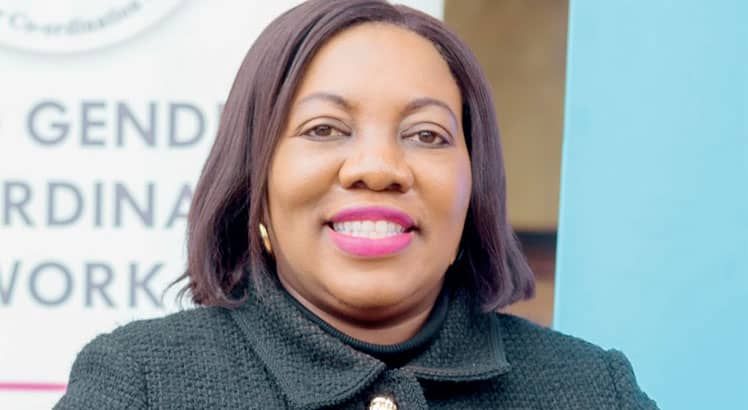
NGO-Gender Coordination Network board chairperson Maggie Kathewera Banda said the absence of legal guarantees, limited campaign financing and other structural barriers continue to discourage or prevent many women from contesting political positions.
She argued that introducing quotas alone would not be sufficient. The reforms, she said, should also include measures to strengthen the capacity of female candidates, encourage political parties to become more inclusive and address violence targeting women in politics.
Banda also pointed to experiences from other African countries where affirmative measures have contributed to increased female representation, saying Malawi could draw lessons from those systems.
UN Women Malawi deputy country representative Fatma Mahomed described the engagement as an important platform for women’s organisations to develop a coordinated position on political participation.
She said the renewed campaign comes at a time when women’s representation in Malawi’s political institutions remains below desired levels, with particular attention needed for groups such as young women and women with disabilities.
Despite previous initiatives, including the 50-50 campaign and provisions under the Gender Equality Act, women continue to hold significantly fewer elected positions than men.
In the September 2025 general election, 49 women were elected to Parliament, accounting for about 21.3 percent of the seats and remaining below the 35 percent representation target. The figure could subsequently decline following court decisions nullifying results in some constituencies won by women.
Historical election figures also show persistent challenges. Women won 42 parliamentary seats in 2009, representing about 22 percent of Parliament. Their representation fell to 32 seats, or 16 percent, in 2014 before rising to 45 seats, approximately 23 percent of the 193-member Parliament, in 2019.
The advocates now intend to submit their position paper to the Malawi Electoral Commission as part of broader efforts to influence future electoral reforms and establish stronger mechanisms for women’s participation in political leadership.