


By Rick Dzida
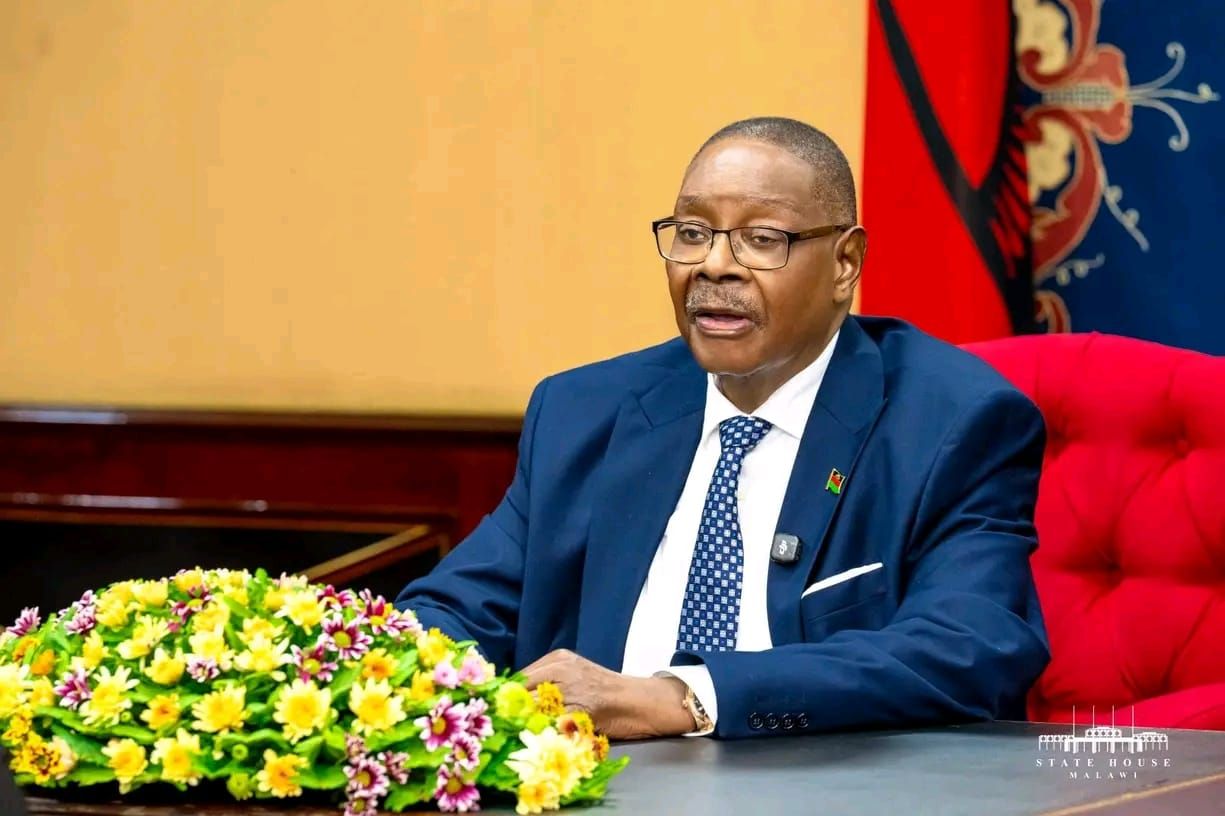
Following his dramatic victory in the September 2025 General Election, President Peter Mutharika has navigated a tumultuous inaugural year from October 2025 to September 2026.
His administration’s tenure has proven to be a fascinating amalgamation of macroeconomic resuscitation and profound socio-political friction, leaving the populace simultaneously exhilarated by fiscal stabilization and exasperated by unfulfilled campaign pledges.
To mark the anniversary, journalists from across Malawi’s three regions canvassed citizens to assess the administration’s performance.
The consensus is far from uniform; the prevailing national mood is deeply complicated, shifting between commendation for technocratic corrections and anxiety over slow structural reforms.
The Mutharika administration has executed several aggressive interventions that political scientists describe as focusing on fiscal substance over political spectacle.
The government engineered an economic turnaround by throttling inflation down from a staggering 28.7% in late 2025 to a projected 20.8% by September 2026.
Concurrently, Gross Domestic Product (GDP) growth rebounded positively from 2.7% to 3.8%, breathing critical liquidity back into local commercial markets.
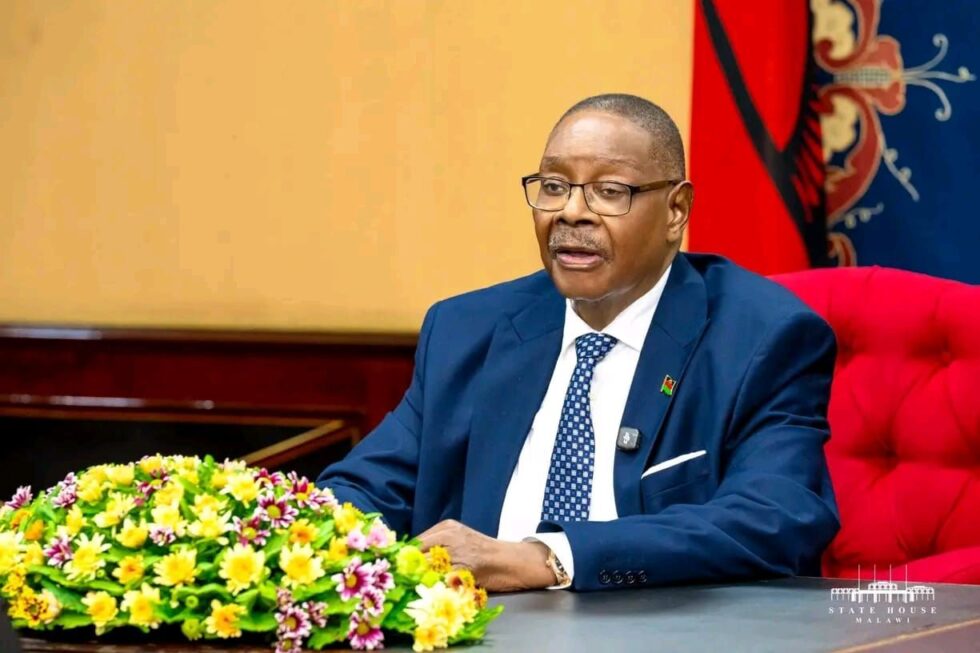
Demonstrating strict institutional discipline, the President recorded zero external presidential trips during his first year except the private trips, drastically curbing state expenditures.
In a major push for digital governance, the administration rolled out the Nzika Digital ID Wallet, creating non-expiring national identification infrastructure.
Commenting on these early indicators, political scientist Mavuto Bamusi observed that the administration represents a presidency focused on precision.
According to Bamusi, the President speaks less but listens more, opting to govern with strategic patience while demanding verifiable results from his line ministries.
Similarly, political commentator Caesar Kondowe argued that performance benchmarks reveal a decisive shift toward fiscal discipline, economic stability, and the return of order to State residences when contrasted with previous leadership.
Agriculture remains the lifeblood of the Malawian economy, and Mutharika’s immediate focus was mitigating severe national hunger.
Upon taking office, the administration declared a state of disaster and immediately authorized the emergency procurement of 200,000 metric tonnes of maize from neighbouring Zambia to support over four million food-insecure citizens.
The centrepiece of his rural strategy was the launch of the 2025/2026 Farm Input Subsidy Programme (FISP), targeting 1.1 million farming households with heavily discounted fertilizer and seeds.
Backed by the World Bank, the rollout integrated digital registries and e-vouchers to bypass historical corruption and logistical bottlenecks.
Furthermore, the government appointed an Ad Hoc Cabinet Committee to formulate a National El Niño Preparedness Plan to shield agricultural value chains from projected climate shocks for the 2026/2027 season.
However, critics point out that while emergency food distribution stabilized immediate prices, structural agricultural transformation remains slow.
The redesign of the country’s mega-farms and the operationalization of domestic fertilizer manufacturing plants are still in their infancy, leaving smallholder farmers highly vulnerable to import dynamics.
In the social services arena, the government moved swiftly to eliminate tuition fees for all public primary and secondary day schools, drastically increasing school enrolment.
In the health sector, the administration achieved notable improvements in basic drug supply chains and medical stock distribution across rural clinics.
Nevertheless, the healthcare system continues to operate under severe strain.
Although Mutharika used his 2026 State of the Nation Address (SONA) to request increased health infrastructure investments from bilateral partners like the United States, local clinics still suffer from chronic underfunding, a severe deficit of specialized personnel, and inadequate diagnostic machinery.
Despite undeniable technocratic gains, the administration’s balance sheet is heavily burdened by grand, unmaterialized campaign promises and internal executive frictions.
The flagship campaign vow to instantly generate one million jobs has proven to be an elusive mirage. A highly disenfranchised, restless youth demographic remains trapped in economic stagnation, waiting for macro stabilization to translate into actual employment.
In October 2025, the government announced a sweeping ban on raw mineral exports, aiming to capture $500 million in lost revenues.
However, the blanket suspension of mining licenses to root out corruption has inadvertently frozen the operationalization of lucrative asset agreements, such as the Songwe Hill rare earth project, starving the banking sector of vital foreign exchange reserves.
Public trust was severely tested by Executive Order No. 01 of 2025, which directed the relocation of key state institutions from Lilongwe to Blantyre and Zomba.
Civil society groups aggressively warned that the move risked exacerbating deeply entrenched regional favouritism.
Internal political cohesion is showing visible cracks. Vice President Jane Ansah recently went public with allegations that senior officials within the Democratic Progressive Party (DPP) machinery are deliberately sidelining her from key state activities and Cabinet deliberations, despite her maintaining a cordial relationship with the President.
Reflecting on this complex landscape, governance expert Wonderful Mkhutche noted that while the absence of election court challenges initially signalled strong political stability and public confidence, the ongoing reality is highly demanding.
Mkhutche suggests that Malawians currently find themselves trapped between a hard rock and a hard place, observing that while the government has made notable progress in stabilizing food procurement and forex availability, the broader structural and campaign promises remain largely unfulfilled.