


By Chisomo Phiri
Business Agriculture Malawi (BAGMA) has called on the government and development partners to improve the implementation of social protection programmes, saying lessons from the recently ended Climate-Smart Enhanced Public Works Programme (CS-PWP) should inform the new INSPIRE-O project.
CS-PWP, locally known as ZIGWEMBE, was implemented under the Social Support for Resilient Livelihoods (SSRL) project and came to an end in August 2026.
BAGMA Director Blessings Midian Malefula says in a statement that the new Integrated Social Protection for Resilience and Opportunity (INSPIRE-O) programme should address challenges experienced under the previous initiative.
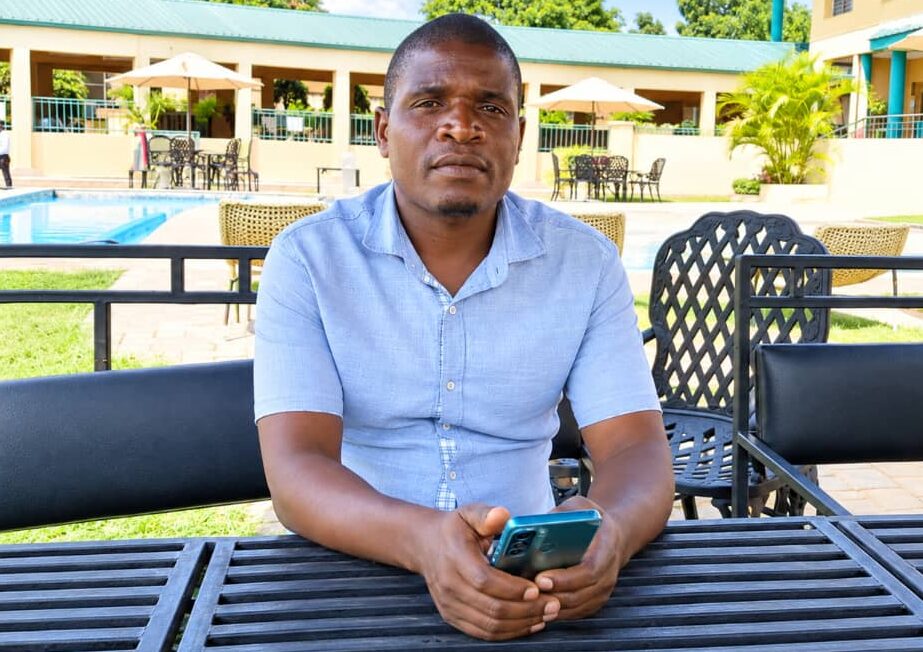
Malefula:INSPIRE-O programme should address challenges
INSPIRE-O is a US$165.9 million (about K287.73 billion) grant project approved by the World Bank Group on September 17, 2026.
The five-year programme will be implemented by the government through the National Local Government Finance Committee (NLGFC) and will benefit vulnerable households across all 25 districts and four cities.
It will focus on adaptive safety nets, JobsNOW,including climate-smart public works and institutional and digital strengthening of Malawi’s social protection system.
The project will also include drought-responsive financing for 10 drought-prone districts.
However, Malefula says implementation of the previous CS-PWP faced several challenges that need to be addressed to ensure INSPIRE-O achieves its intended objectives.
He says his observations are based on a snap survey conducted by BAGMA in some districts where CS-PWP beneficiaries live.
Malefula says mong the concerns raised is the alleged misappropriation and lack of accountability for programme funds.
He says reports of financial irregularities in the previous programme resulted in some district and city councils being required to refund money.
Malefula has also criticised the frequency of work opportunities and payments, saying beneficiaries were initially expected to work and receive wages more than six times a year, but in many cases worked and received payments only once, twice or three times annually.
He further says delayed payment of wages was a major concern, with some beneficiaries waiting two to three months after completing work before receiving their money.
Malefula says some beneficiaries did not receive their wages two months after the completion and closure of the programme.
He has also raised concerns over what he describes as a “double-dipping” policy, under which some CS-PWP beneficiaries were prevented from accessing other social protection interventions, including subsidised farm inputs and food distributions.
Malefula argues that the approximately K49,000 paid to beneficiaries after working four hours a day for 30 days was insufficient to meet household needs amid rising living costs.
He has also called for stronger civic and financial education for beneficiaries to help them use social protection support for savings, investment and income-generating activities.
Malefula further recommends that elderly and physically vulnerable people be considered for social protection programmes that do not require labour-intensive work.
On environmental protection,he wants INSPIRE-O to incorporate fruit trees and encourage household afforestation, in addition to community-based tree planting initiatives.
According to Malefula, the challenges experienced under CS-PWP undermine the effectiveness of social protection if they are repeated.
He says irregular work opportunities and delayed payments can make it difficult for households to plan their finances, purchase farm inputs or invest in income-generating activities, potentially increasing food insecurity and dependence on emergency assistance.
Malefula has therefore called on the Ministry of Finance, NLGFC and development partners to ensure that INSPIRE-O combines social protection with economic empowerment, agricultural development, environmental conservation and wealth creation.
“Social protection should create opportunities and not dependence,” he says.
Malefula argues that payments should be made promptly after work is completed and that gaps between working phases should not exceed one month if the programme is to contribute to sustainable economic empowerment.
He also says climate-smart public works help reduce charcoal burning and charcoal selling in communities by providing alternative livelihood opportunities.
He has therefore urged authorities to maintain community-based environmental activities while ensuring that beneficiaries receive meaningful and timely economic benefits.
Malefula says Malawi needs social protection programmes that help vulnerable households move from survival to production, from production to income and ultimately towards sustainable wealth creation.
BAGMA is an agriculture-focused organisation working in areas including agricultural productivity, food and nutrition security, climate and environmental conservation, agribusiness, entrepreneurship and sustainable livelihoods.