


By Burnett Munthali
Zambia’s prolonged wait for a fully constituted Cabinet is becoming more than an appointment dispute, raising fundamental questions about presidential confidence, ministerial accountability and the government’s ability to respond decisively to the country’s economic and public service challenges.
Governance expert Chadrin Nseemani attributes President Hakainde Hichilema’s cautious approach to a trust deficit within the political establishment, arguing that concerns about corruption and loyalty may be influencing the selection of ministers.
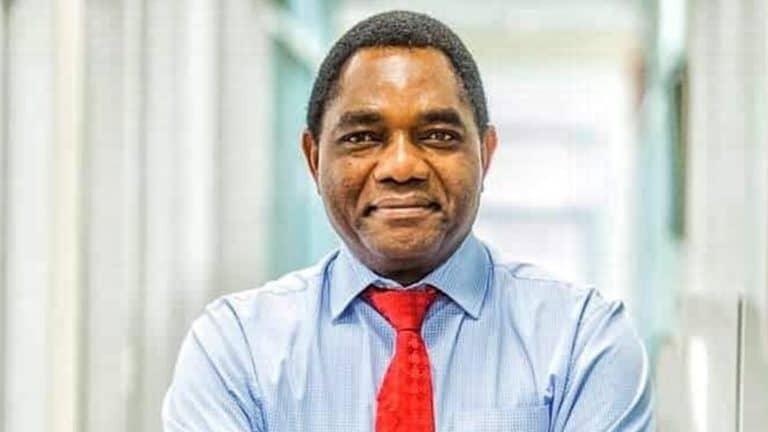
Nseemani has called for a broader overhaul of leadership around the Presidency and strategic state institutions, while suggesting that Article 116 of the Zambian Constitution could inform discussions about ministerial appointments, although any proposed approach must comply with the Constitution’s requirements.
The implications extend beyond political calculations, as vacancies in key portfolios such as energy, mining and education raise questions about who is providing political direction, setting priorities and answering to Parliament and the public when major challenges emerge.
Tonse Alliance Deputy Director of Administration Chikankatika Alex has warned that Zambia cannot afford uncertainty in critical sectors while citizens face rising living costs and fuel price increases, arguing that administrative continuity alone cannot replace clear political leadership.
State House Chief Communications Specialist Clayson Hamasaka has rejected suggestions of a leadership vacuum, maintaining that a Cabinet is already functioning and that only a few appointments remain outstanding.
Zambia’s Constitution does not specify a fixed deadline for completing Cabinet appointments, allowing the President to make ministerial appointments in stages.
The central issue, therefore, is not simply how quickly Hichilema names the remaining ministers, but whether his appointment strategy can deliver a capable, accountable and cohesive leadership team without compromising the standards his administration seeks to uphold.
Constitutional flexibility may allow appointments to be made in stages, but the political test will ultimately be measured by effective decision-making, transparent responsibility and tangible improvements in the lives of Zambians.