


By Spencer Mwale
LILONGWE – As the High Court in Lilongwe prepares to deliver its ruling on Friday, November 20, on whether Bishop Medram Felix Chirwa should be released on bail, the question in many Malawians’ minds is simple: Why should a man accused of murder be allowed to walk free before trial? However, Human rights defenders and defence lawyers have argued that: “Justice for Salimu cannot be achieved by denying justice to Chirwa. If the State has strong evidence, it will convict him at trial, whether he is on bail or in prison. And what if he is indeed innocent?”
The answer, according to the Constitution of Malawi, the State itself, and human rights bodies, is also simple: Bail is not freedom. Bail is not acquittal. Bail is a constitutional safeguard to ensure that a person is not punished before he is found guilty.
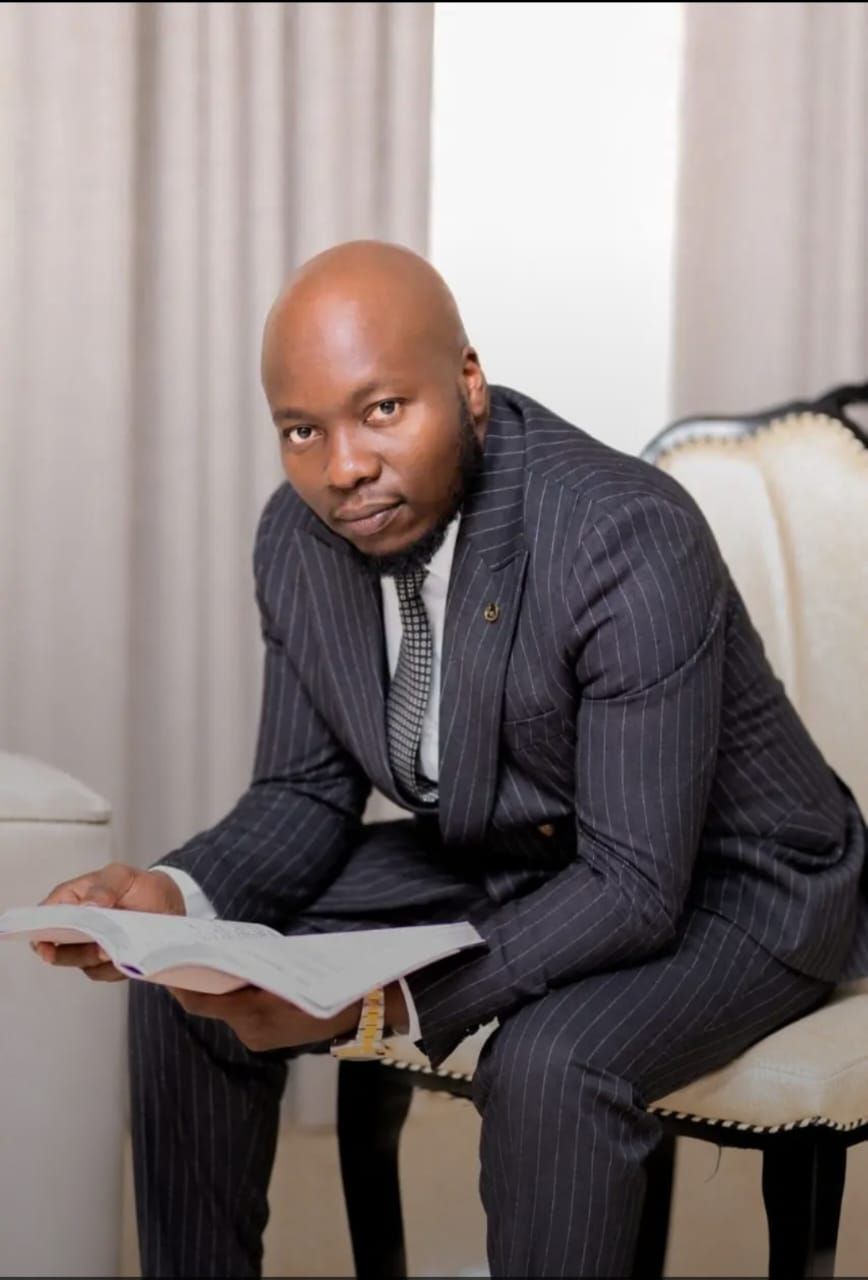
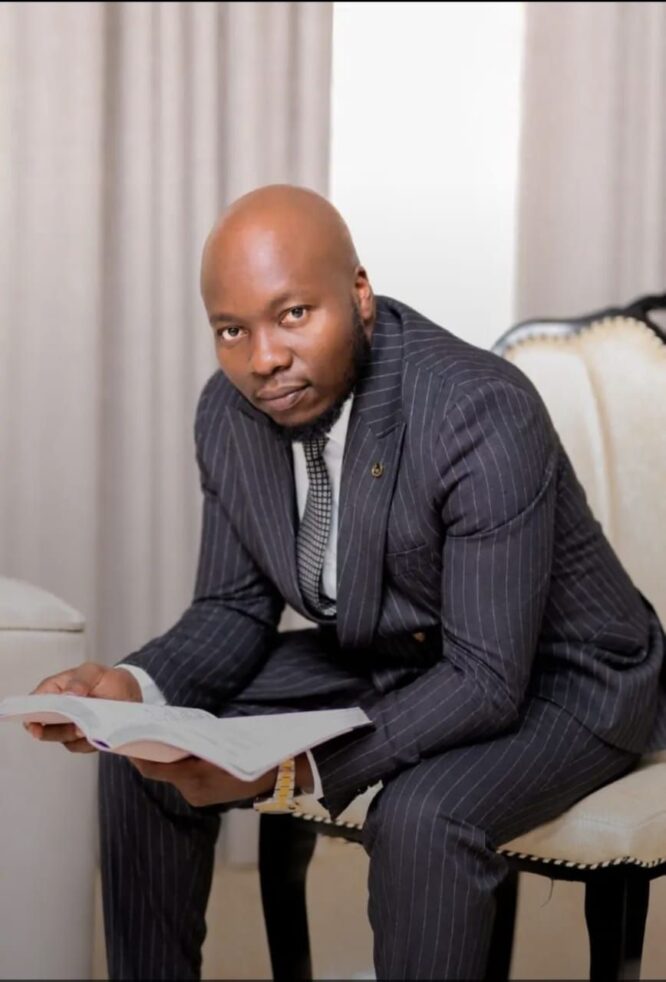
Bishop Chirwa, of Fountain of Victory Church, was arrested on 6 October 2026 in connection with the death of FDH Bank employee Tathokoza Salimu. Her body was found inside her vehicle at Chinkhota Village, near Tatolonga Bridge in Dowa District, on 21 September 2026.
He has been on remand at Maula Prison since then, because murder is not bailable in the Magistrate’s Court. Only the High Court can grant bail in a murder case.
1. The Constitution Demands It
Under Section 42(2) of the Constitution, every arrested person has the right to be presumed innocent until proven guilty, and the right to challenge the lawfulness of detention.
Remand is meant to secure attendance at trial, not to punish. If the State cannot show that a suspect will run away, interfere with witnesses, or commit another offence, continued detention becomes punishment without trial.
That is why the Human Rights Consultative Committee (HRCC) has intervened. HRCC Chairperson Robert Mkwezalamba reminded the public that Malawi’s justice system rests on a fundamental principle: a suspect remains innocent until proven guilty.
“The debate over whether Medram Chirwa should be granted bail has prompted a reminder that a suspect remains innocent until proven guilty,” the HRCC said.
2. The State Itself Is Not Opposing Bail
In a significant development, the State, through the Directorate of Public Prosecutions, told the High Court it does not oppose Chirwa’s release.
Lawyer Hassan Ayami of the DPP presented the State’s proposals when the suspect appeared before the High Court’s Criminal Division in Lilongwe for the hearing of his bail application.
The State is not asking for unconditional release. It is asking for strict conditions to ensure he complies with bail requirements.
Human rights defenders have however characterized these conditions as extremely difficult to meet and another denial of justice to the suspect.
Those tough conditions are:
*- A registered property valued at not less than K300 million as a bail bond*
*- Two sureties, each bonded at K20 million, not in cash*
*- Reporting to the DPP Criminal Registry every fortnight, beginning 21 November 2026*
*- Surrender of his travel documents to the court*
*- Obtaining court permission before travelling outside the country*
*- Refraining from interfering with witnesses or ongoing investigations*
Chirwa’s lawyer, Joseph Chiume, opposed the fortnightly reporting, arguing that monthly reporting would be sufficient and more manageable for his client.
Justice Ngwira Mwakibinga adjourned the matter for a ruling on 20 November 2026.
3. Bail Protects The Trial, Not Just The Accused
Lawyers argue that bail is necessary for three practical reasons:
*First, to prepare a defence.* A man in Maula Prison cannot easily meet his lawyer, gather documents, or trace witnesses. In this case, the defence says Chirwa was at Mbwatalika on the outskirts of Lilongwe searching for land at the time of the offence, an alibi that needs to be investigated while witnesses are still available.
*Second, to preserve the presumption of innocence.* The Church, in a memo dated 9 October by Apostle Joseph Ziba, said it is “not aware of evidence that conclusively connects him to the alleged offence,” and that a police search of his home did not recover a weapon. The State’s case, as reported, rests largely on call log analysis placing the two in communication on the day of the killing.
Bail allows the court to test that evidence at trial, not on social media.
*Third, to prevent overcrowding and abuse of remand.* If every murder suspect is kept indefinitely without bail, the prison system collapses and the right to a speedy trial is lost.
4. Bail Is Not Justice Denied For Salimu
The family of Tathokoza Salimu, 31, deserves justice. No one disputes that. She was found dead inside her vehicle along the Dzaleka-Dowa Road on 21 September 2026.
But justice for Salimu cannot be achieved by denying justice to Chirwa. If the State has strong evidence, it will convict him at trial, whether he is on bail or in prison. If the evidence is weak, keeping him in prison will not make the case stronger.
As the HRCC has argued, public concern must encompass both the pursuit of justice for Salimu and the imperative of securing a fair trial for Bishop Chirwa.
What Happens Next?
On 20 November, Justice Mwakibinga will decide:
If bail is granted, Chirwa will walk out of Maula Prison only after satisfying the K300 million property bond and other conditions. He will remain an accused person, not a free man. He will have to report, surrender his passport, and avoid witnesses.
If bail is denied, he will remain in custody until trial. And one wonders how the State will remedy such a punishment and damage to a man’s reputation in case he is later found innocent at Court’s trial.
Either way, the case is far from over. Bail is just the first test of whether Malawi’s justice system can balance two equally important duties: protecting the public and protecting the rights of the accused.