

By Burnett Munthali
Residents surrounding Kangolwa Health Centre in Ntchisi District are struggling to access water for drinking, cooking and other household needs after heavy rains washed away sections of the pipeline supplying water from a nearby mountain, disrupting an essential service for both the community and the local health facility.
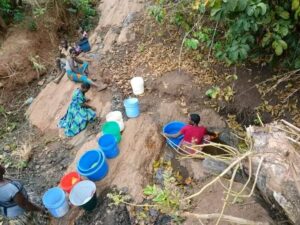
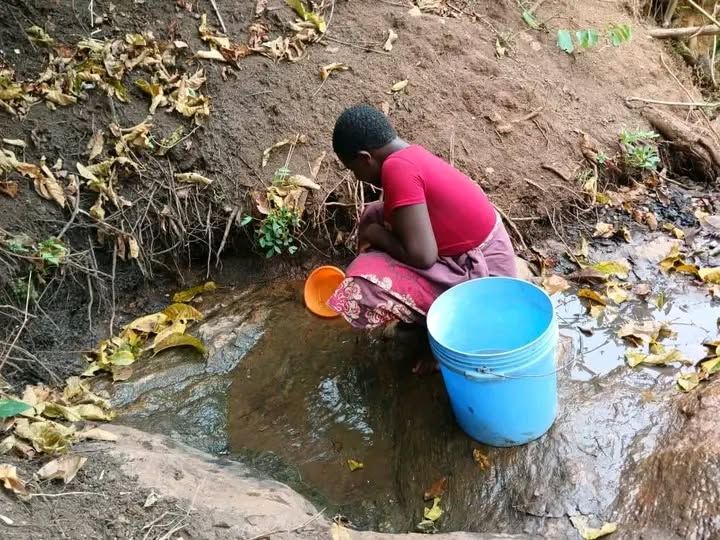
Local media reports indicate that the damage has forced residents to abandon their usual taps and collect water directly from a river, exposing households to additional difficulties in maintaining proper hygiene and accessing safe drinking water.
One affected resident, Matilda Chandawira, said the disruption had created serious challenges for families, particularly pregnant women and patients who depend on Kangolwa Health Centre for medical services.
She explained that the destruction of the water pipes had left the surrounding communities without a reliable supply, while the health facility was also experiencing significant shortages.
Chandawira warned that the situation was affecting healthcare delivery, especially services for expectant mothers who require clean water during pregnancy, childbirth and postnatal care.
Community Development Committee chairperson Timothy Mkupatira said the problem was recurring, with the onset of every rainy season bringing fresh damage to the water supply infrastructure.
He explained that rainwater repeatedly washes away the pipes, leaving residents with no alternative but to fetch water from the river.
The concerns emerged during an interface meeting between community members and local authorities in the area of Traditional Authority Kasakula Oyera.
The meeting was organised by civil society organisations under the Civil Society Leadership in Mobilising for Better WASH (CLIMB) programme, which receives funding from the Swedish International Development Cooperation Agency (Sida) through WaterAid Sweden.
The engagement provided residents with an opportunity to raise concerns about water, sanitation and hygiene services and seek responses from institutions responsible for addressing the challenges.
The situation at Kangolwa highlights a wider problem facing rural water infrastructure: facilities can become unreliable when pipelines are exposed to seasonal flooding and are not adequately protected against erosion and other climate-related risks.
WaterAid Malawi identifies Kangolwa Health Centre among the healthcare facilities in Ntchisi requiring improvements in water, sanitation and hygiene services. Its work in the district recognises that inadequate water infrastructure can expose patients, healthcare workers, women and children to preventable health risks.
The organisation’s 150 Challenge programme specifically identifies Kangolwa as one of the facilities where poor WASH infrastructure and practices threaten the provision of safe healthcare.
Reliable water supplies are particularly important in maternity units, where health workers need clean water for handwashing, cleaning delivery rooms, maintaining sanitation and protecting mothers and newborn babies from infections.
The recurring breakdown also raises questions about infrastructure maintenance, climate resilience and the effectiveness of existing arrangements for repairing damaged community water systems.
District authorities and relevant water service providers should urgently assess the damaged pipeline, restore the supply and introduce protective measures to prevent repeated destruction during the rainy season.
For residents around Kangolwa, access to clean water should not depend on whether the rains are falling. A sustainable solution is necessary to protect household welfare, safeguard maternal health and ensure that the health centre can provide services in a safe environment.