


By Rahim Abdul
Good Results for All (GoRA) says it has helped end 515 child marriages in Traditional Authority Kachindamoto in Dedza District within three months, highlighting the impact of community-led efforts against early marriages.
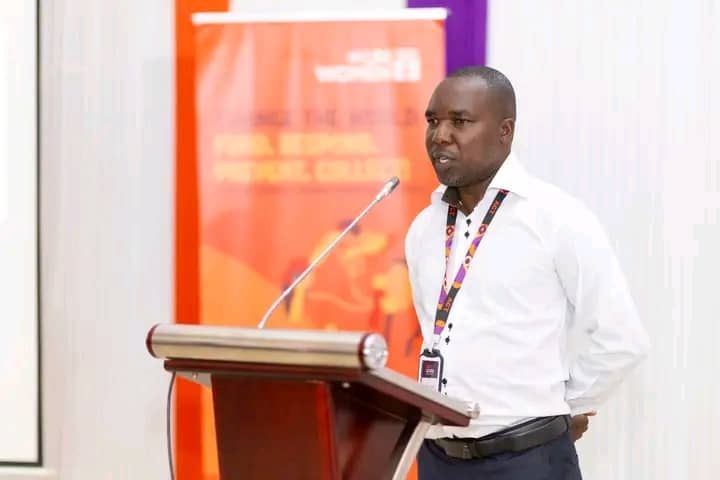
The organisation’s Executive Director, Mathias Chindungwa, disclosed the figures in an interview with 247 Malawi News, saying the project began in August 2026 in partnership with UN Women.
According to Chindungwa, the initiative is using community participation and traditional leadership to identify child marriages and encourage families to end the practice.
Of the 515 marriages ended, 192 involved children who had married fellow children, raising concerns about the extent of early marriages among minors in the area.
The figures suggest that child marriage remains a significant challenge in communities where children are entering marital relationships before reaching adulthood.
Beyond ending the marriages, GoRA says it is also working to help affected children rebuild their lives, particularly by creating opportunities for them to return to education.
So far, the organisation has supported 21 children with educational materials to facilitate their return to school, comprising 12 girls and nine boys.
However, the support is not yet reaching all the children whose marriages have been ended, with GoRA acknowledging the need for additional interventions.
Chindungwa said the organisation is considering livelihood support for children who may not be able to return to school, recognising that some may need alternative means of rebuilding their futures.
He also raised concerns about what happens to children after their marriages are dissolved, saying discussions are underway on how best to support them beyond the immediate intervention.
According to Chindungwa, there is currently no specific government aftercare protocol for children rescued from child marriages, creating a gap in ensuring their continued protection and welfare.
To strengthen the initiative, GoRA is engaging traditional leaders through a chiefs’ forum, with the aim of making communities active participants in identifying and addressing the causes of child marriages.
The organisation believes traditional leaders are strategically positioned to influence community behaviour and ensure that efforts to eliminate child marriages continue beyond the project’s implementation period.