By Burnett Munthali
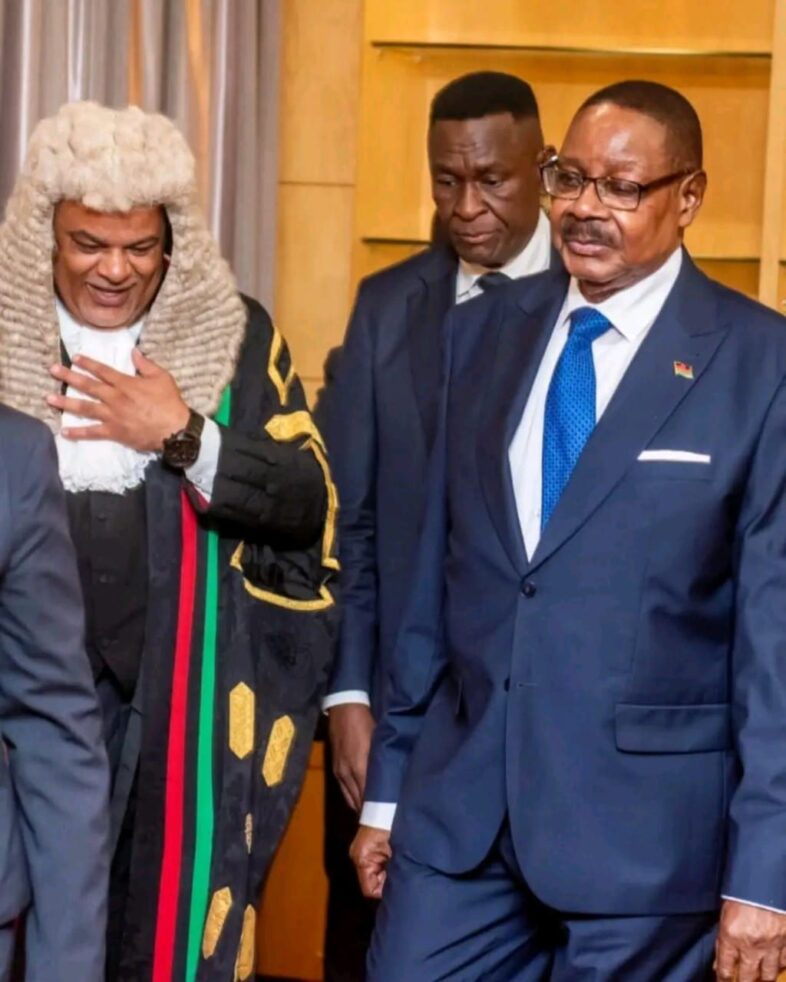
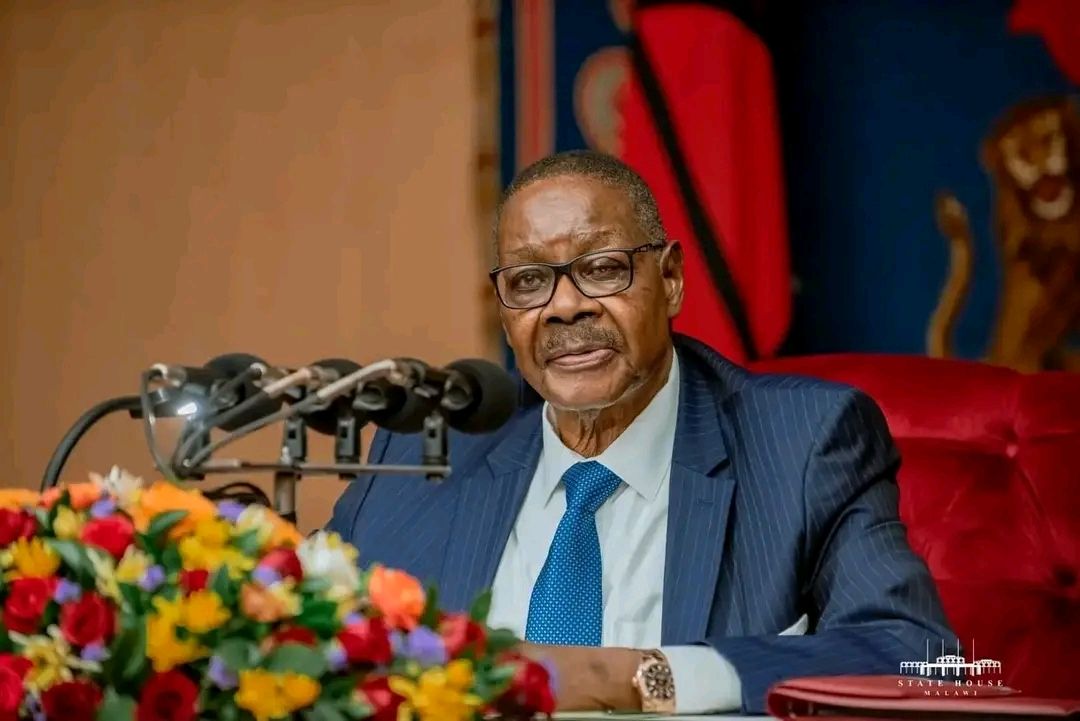
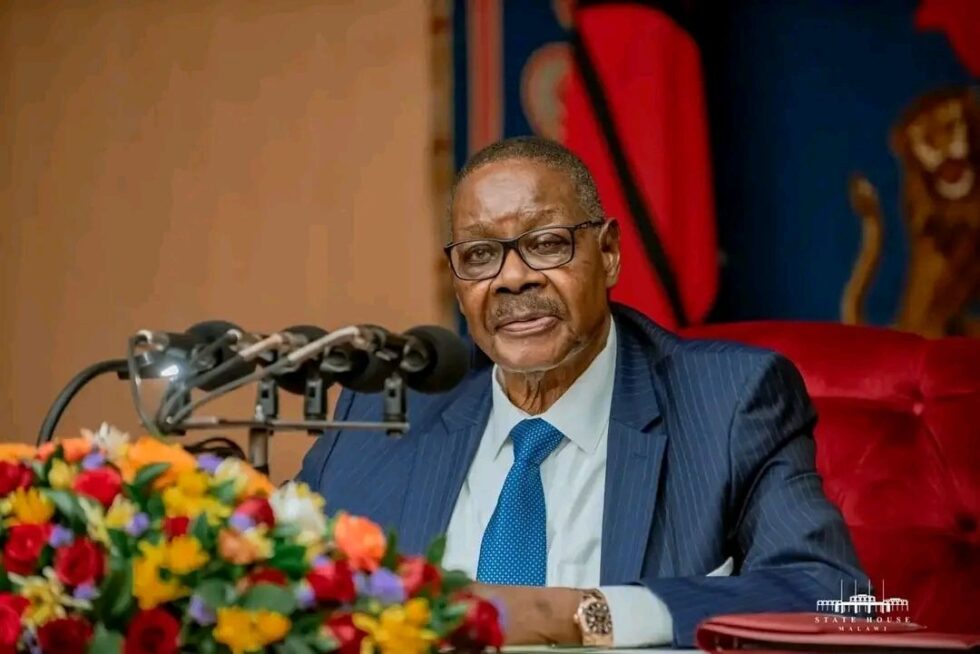
President Mutharika’s State of the Nation Address (SONA) outlines a bold plan to transform Malawi’s economy from an importing to a producing and exporting one.
The strategy centers around Special Economic Zones (SEZs) in Magwero, Chigumula, Matindi, and Dunduzu, aiming to attract investment, create jobs, and stimulate growth in manufacturing, agro-processing, and logistics.
The SEZs will offer a conducive business environment, leveraging Malawi’s strategic location, natural resources, and competitive labor costs.
To support this, the government will expand support for Small and Medium Enterprises (SMEs) and cooperatives, providing access to finance, business development services, and market linkages.
Energy generation is critical, with a target of 1,000 megawatts by 2030.
Recent additions in solar and biomass energy mark progress, and the government is exploring other renewable sources.
The doubling of fuel storage capacity will strengthen supply stability, reducing transportation costs and making Malawian products more competitive.
Nationwide road rehabilitation has resumed, with toll revenues ring-fenced for maintenance, improving the country’s road network.
Malawi Airlines will expand its fleet from three to ten aircraft, widening international connectivity and trade access.
The government’s focus on industrialization and infrastructure development is expected to drive growth, create jobs, and reduce poverty.
Addressing infrastructure gaps and promoting value-added production can move Malawi up the value chain.
The African Development Bank (AfDB) estimates Malawi’s infrastructure deficit at 10% of GDP, highlighting the need for investment.
The government’s focus on infrastructure is a welcome move, expected to positively impact economic growth.
With a clear vision and commitment to reform, Malawi can achieve its economic aspirations and improve citizens’ lives.
Mutharika’s strategy has the potential to transform Malawi’s economy, making it more competitive, diversified, and resilient.