By Rahim Abdul
The Zambian government’s move to seize properties linked to the family of former President Edgar Lungu has added fresh intensity to an already tense national debate, unfolding while his remains are still held in South Africa months after his death.
A court ruling has ordered the forfeiture of a wide range of assets connected to the Lungu family, including dozens of vehicles, residential houses, commercial buildings, and a filling station, after finding they were unlawfully acquired.
Authorities say the decision is part of a broader effort to enforce accountability and recover public resources, stressing that the law must apply equally regardless of political status or family name.
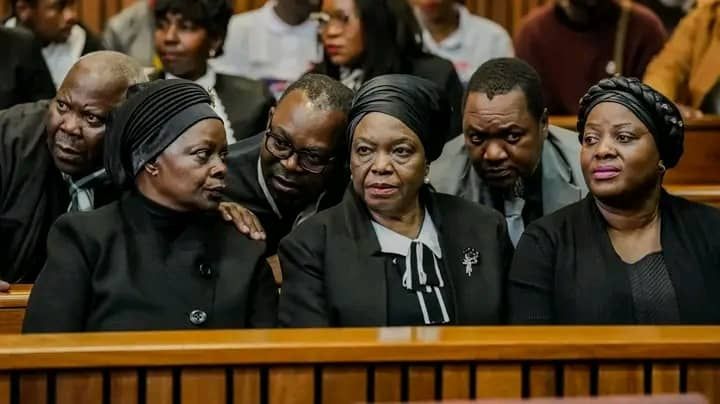
The ruling has immediately stirred strong reactions across Zambia, with supporters praising it as a long-awaited stand against corruption involving powerful figures.
However, critics argue that the timing and scale of the seizures raise concerns about political targeting, especially given the unresolved dispute surrounding Lungu’s burial.
Former President Lungu died in June 2025, but his body has yet to be laid to rest, as disagreements between his family and the state continue to block final arrangements.
The Lungu family has pushed for a private burial in Johannesburg, citing personal wishes and dignity, while the Zambian government has insisted on repatriating his remains for a full state funeral.
Legal battles in South African courts have largely leaned in favour of the Zambian government’s position, though repeated appeals by the family have slowed the process.
As a result, the late former leader’s remains have remained in South Africa for months, an unusual situation that has drawn regional attention and public unease.
The overlapping asset forfeiture case and burial dispute have exposed deep mistrust between the Lungu family and the current administration.
Political analysts say the standoff reflects wider struggles over power, legacy and accountability in Zambia’s post-Lungu era.
Together, the court-ordered asset seizures and the delayed burial have become symbolic of Zambia’s ongoing challenge to balance justice, politics, and respect for former leaders.