

By Durell Namasani
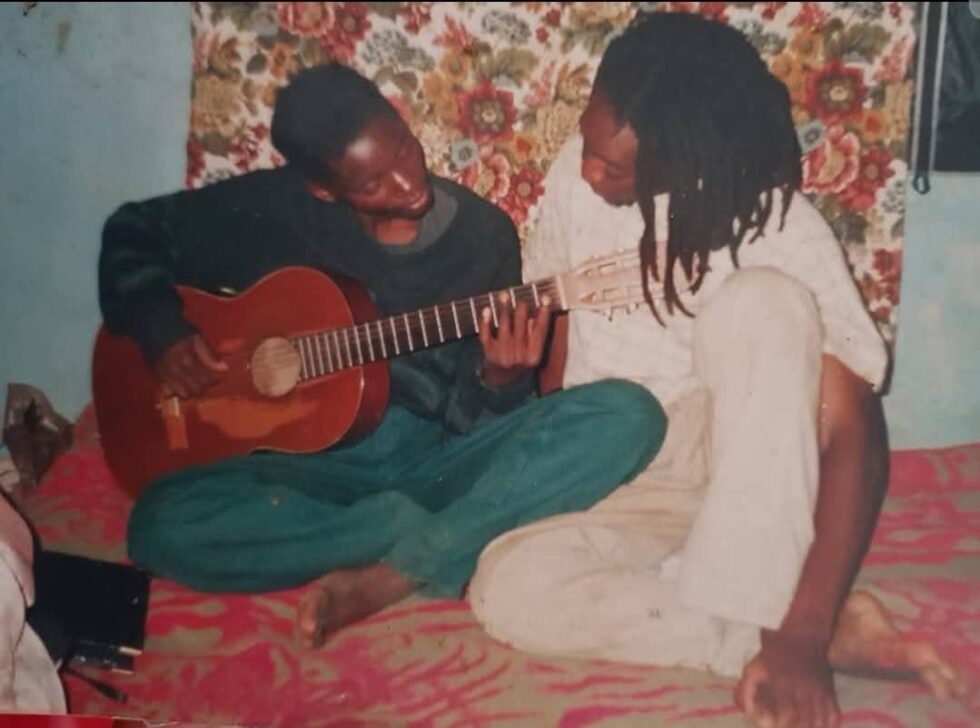
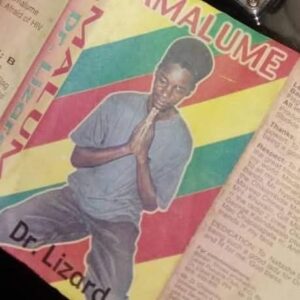
On what would have been his 51st birthday, friends, family, and fellow musicians are remembering Dr. Lizard—born Malumbo Chisiza on April 6, 1975—as a pioneering force whose brief but brilliant career forever changed the sound of Malawian music.
Dr. Lizard died on the same date 28 years later, a coincidence that has given his legacy an almost poetic weight. But those who knew him say his true monument is the music he left behind, especially the beloved track “Mama,” which continues to resonate across generations.
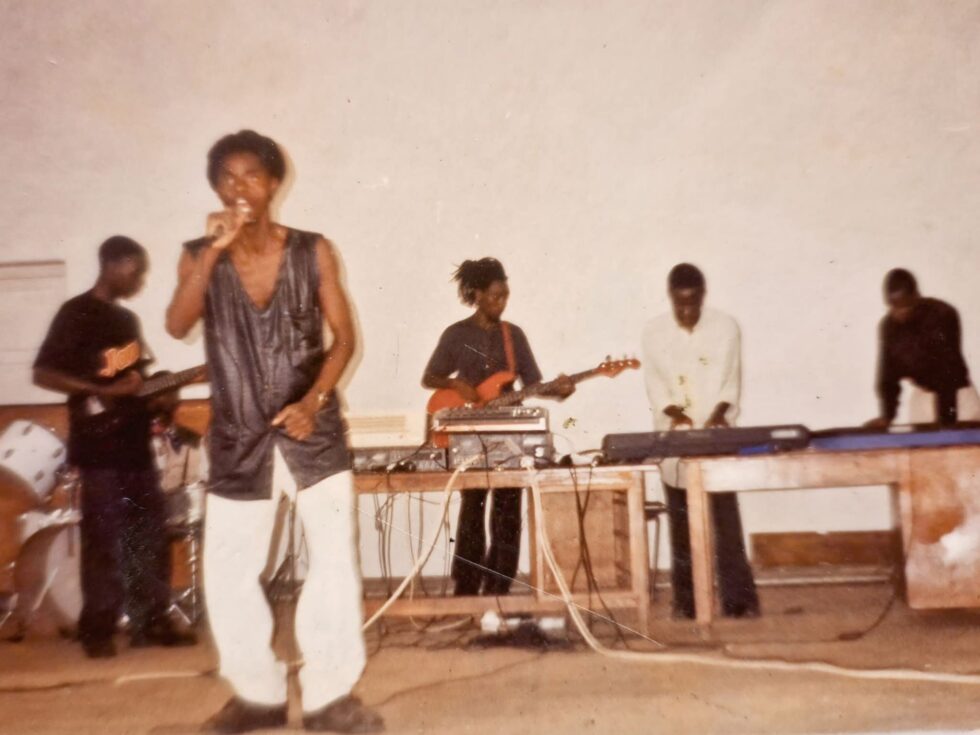
He was not just a performer. He was a co-founder of the House of Lions band, a gifted drummer, bassist, songwriter, and vocalist who could shift effortlessly between English, Chichewa, and Chitumbuka without losing a song’s emotional core.
“He was the most talented musical icon this country has ever had,” recalls Chris Salaniponi, former director and co-founder of House of Lions. “He taught me how to grow, survive, handle crises, and build teams. Several times I felt like quitting, but he gave me moral support to move on.”
In June 2000, a national contest by Malawi Gin saw House of Lions take first place with two Dr. Lizard originals—“Ujipwelelere” and “Tivine.” That victory launched the band into national recognition. Their debut album followed later that year, and Dr. Lizard soon shared stages with legends like Evison Matafale, Lucius Banda, and San Banton.
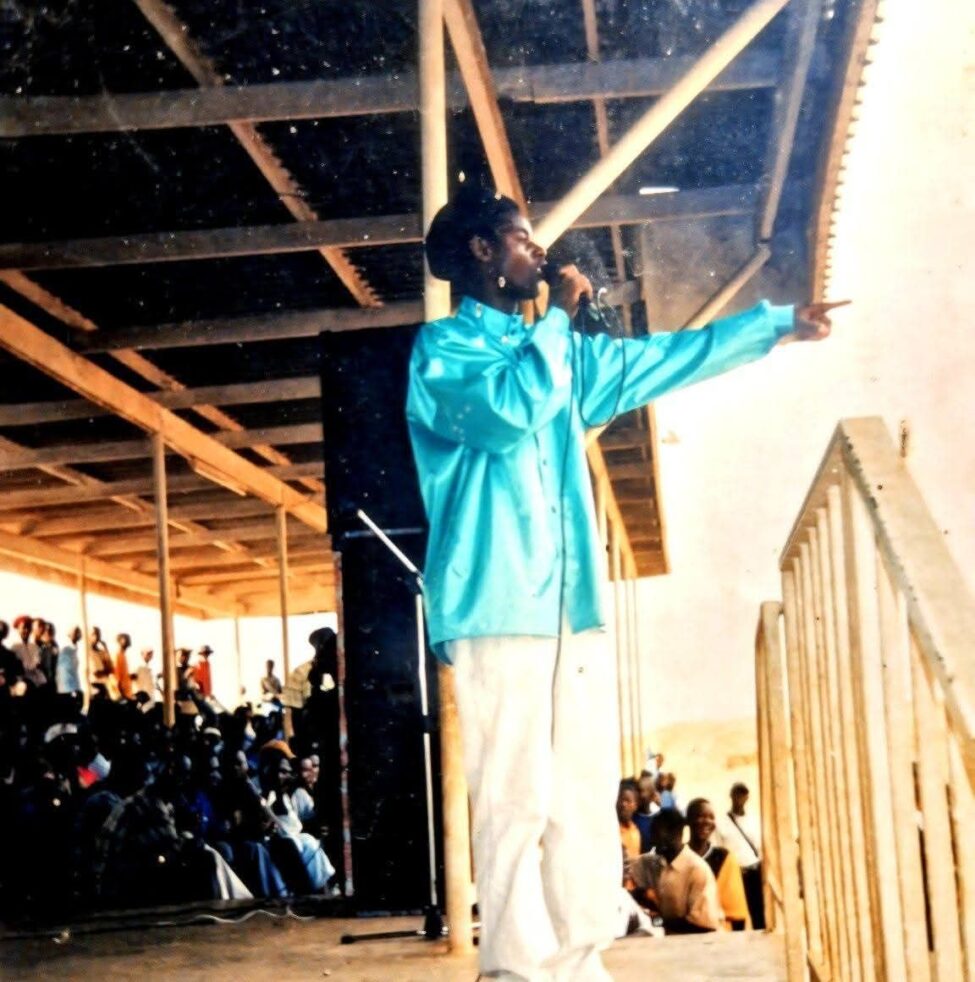
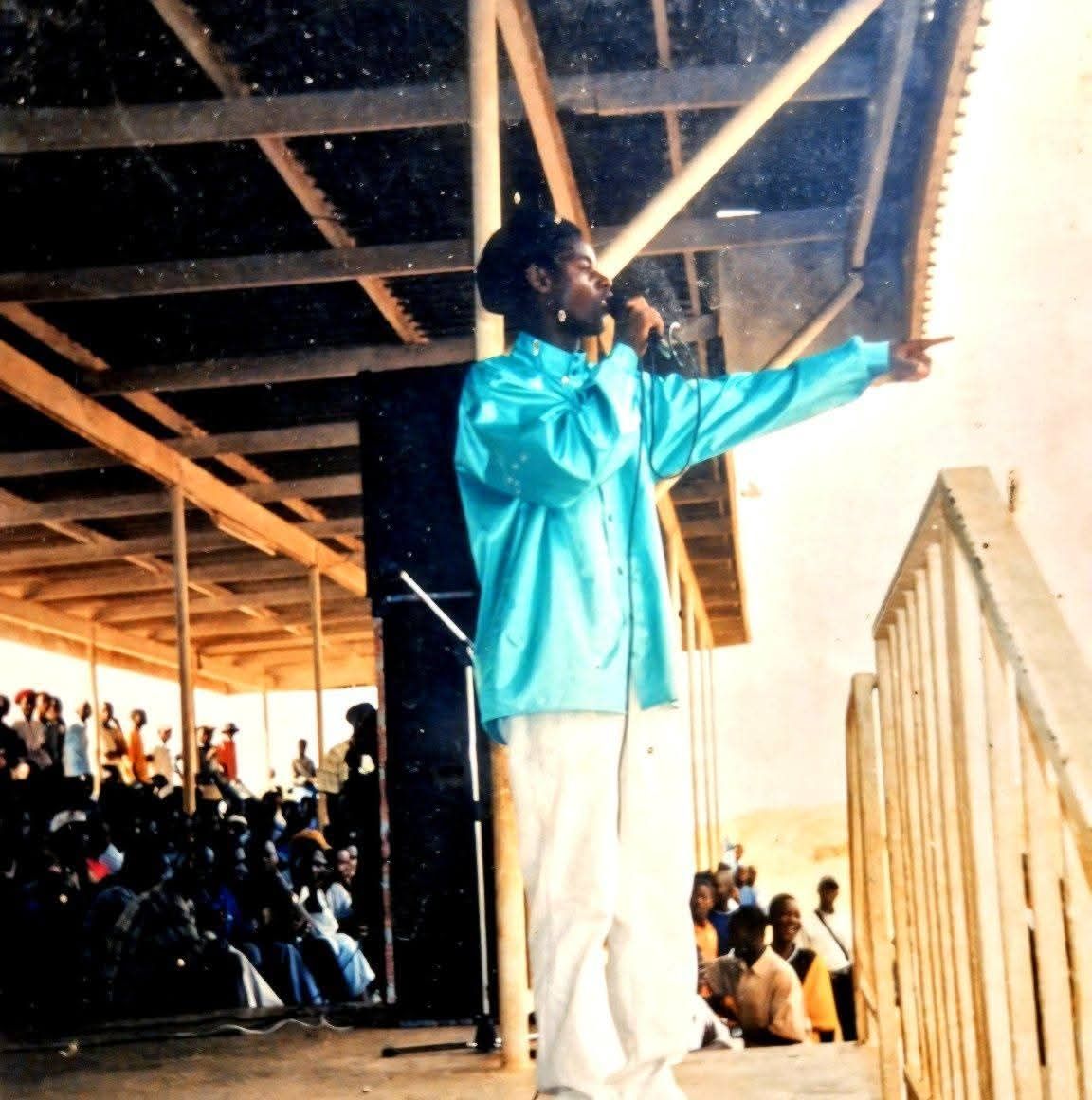
Reggae artist Diwa Khwiliro, one of the greats of the genre, remembers Dr. Lizard as a trailblazer. “He was among the young musicians who started reggae dancehall in Malawi,” Diwa writes. “It was not easy. He and Matumbi, San B, Teargas, and Vic Marley were amongst the first to sell their music with OG. He also had the energy—whenever he was on stage, he lit it up.”
Sam Chunda, who knew Dr. Lizard as a neighbor in Nkhatabay, recalls sneaking out of school to watch him perform at Ntcheu Secondary School. “When he saw me, he was happy and let me and my friends in free of charge. He was a down-to-earth person who chatted with everyone despite his fame.”
Though his journey was cut short, Dr. Lizard’s voice lives on—in the bands he built, the artists he inspired, and the fans who still sing along to “Mama.” Gone but never forgotten.