By Chisomo Phiri
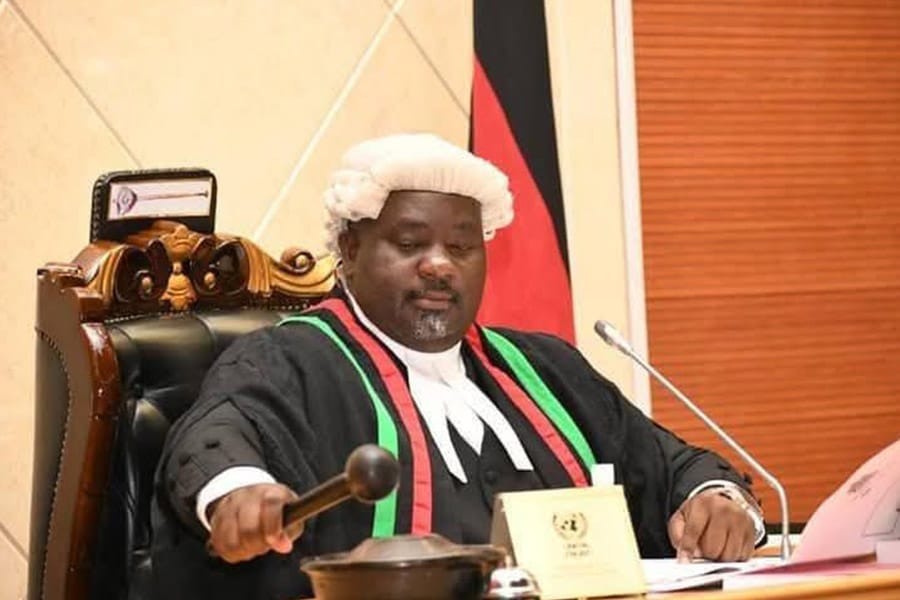
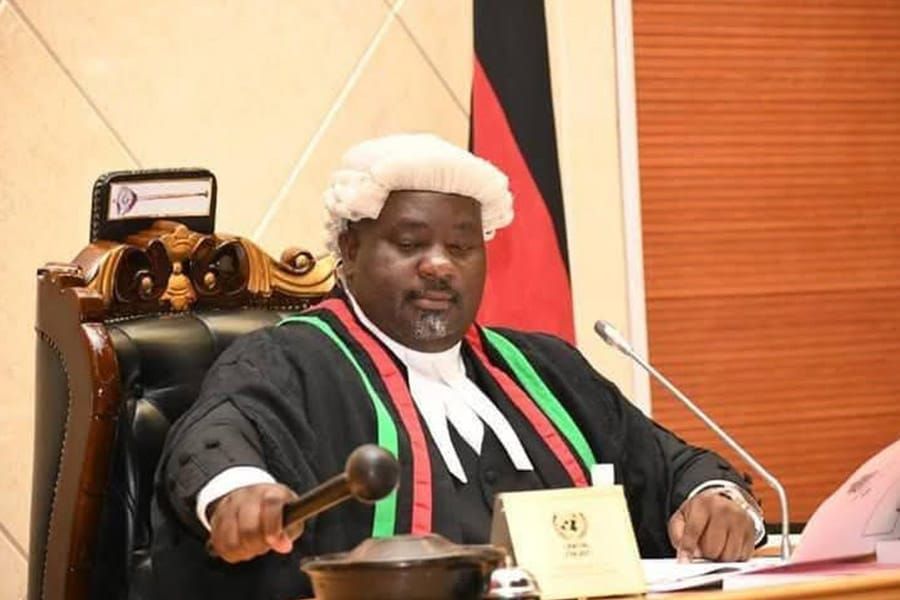
The nation has been plunged into mourning following the death of former Deputy Speaker of the National Assembly, Madalitso Kazombo.
Confirming the death, a family representative, Khumbize Kandodo Chiponda,said Kazombo has died today Thursday, January 8,2026,at MASM Clinic in Area 12, Lilongwe, after suffering from asthma.
“He collapsed this morning, and when we rushed him to the hospital, doctors confirmed that he had passed away,” said Kandodo.
She indicated that the funeral program will be announced in due course.
Meanwhile, messages of condolence continue to pour in from various individuals across the country, mourning the loss of the former parliamentary leader.
Before entering Parliament, Kazombo built a strong professional foundation.
He earned his higher education at the University of Malawi (UNIMA) from 1999 to 2004, and later pursued professional training at the Malawi College of Accountancy (MCA) in Blantyre from 2005 to 2009, where he qualified as a Chartered Accountant (ACCA).
With these credentials, Kazombo began his career in the private sector.
He worked at Deloitte from 2003 to 2008, gaining valuable experience in auditing and financial management, before moving to Press Corporation Limited, where he served as an Internal Auditor from 2008 until he entered politics in 2014.
His analytical skills, business insight and commitment to service helped him succeed in public office.
Kazombo was first elected Member of Parliament(MP ) for Kasungu East in 2014 and years later in 2019 became First Deputy Speaker of Malawi’s National Assembly, where he was respected for his procedural knowledge and firm leadership.
In his post-political life, Kazombo turned his attention to serious farming ventures as he was actively involved in growing vegetables, fish farming, as well as chicken and pig farming, among other agricultural activities.
By applying the same discipline and strategic thinking that marked his professional and political careers, Kazombo’s engagement in agriculture underscored how life after public service can continue to contribute to community wellbeing and economic growth.