


By Burnett Munthali
Hong Kong’s police have been granted sweeping powers to demand phone and computer passwords from individuals suspected of breaching the city’s national security law, marking a significant escalation in the government’s crackdown on dissent.
The new amendments, gazetted on Monday, empower police to require suspects to provide any password or decryption method for electronic devices, as well as “any reasonable and necessary information or assistance”.
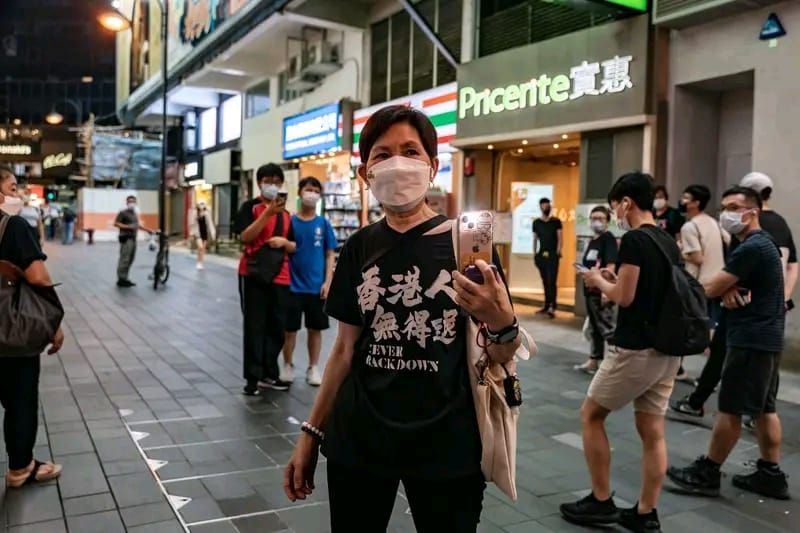
Refusing to comply could lead to up to one year’s imprisonment and a fine of up to HK$100,000 ($12,773), while providing false or misleading information could bring up to three years’ imprisonment and a fine of up to HK$500,000.
The move is part of the national security law imposed by Beijing in 2020, which has been used to jail activists, lawmakers, and media figures, sparking international criticism.
Customs officers have also been given new powers to seize items deemed to have “seditious intention”, regardless of whether anyone has been arrested.
The Hong Kong government insists the amendments conform to the city’s Basic Law and human rights provisions, and will not affect the lives of the general public or normal institutional operations.
However, critics argue that the new provisions interfere with fundamental liberties, including privacy and fair trial rights, and are grossly disproportionate to any legitimate aim.
Law lecturer Urania Chiu said the sweeping powers given to law enforcement officers without judicial authorization are “grossly disproportionate to any legitimate aim the bylaw purports to achieve”.
The amendments were made under Article 43 implementation rules tied to the national security law, and officials said lawmakers would be briefed afterward rather than being involved in the decision-making process.