


By Burnett Munthali
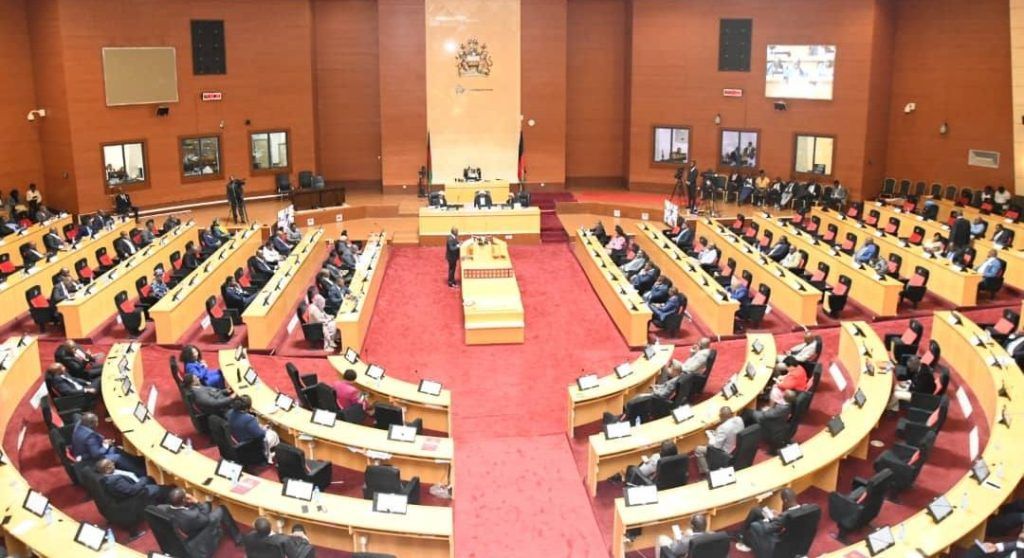
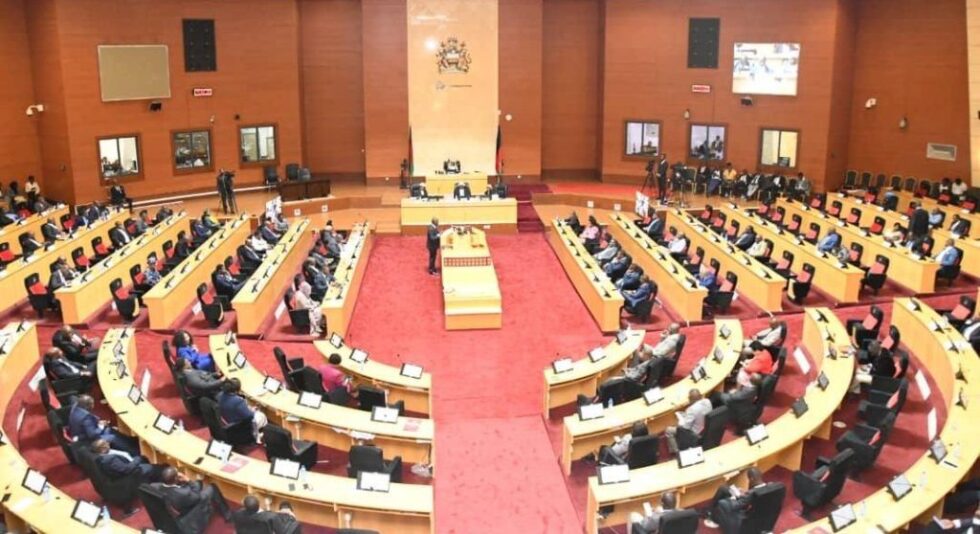
The 2026/2027 Budget Meeting of Parliament is set to commence on Friday, 13th February, 2026, with an official opening ceremony presided over by His Excellency the President, Professor Arthur Peter Mutharika, marking a crucial period for Malawi’s economic planning.
The meeting will take place in the Parliament Chamber in Lilongwe at 10:00 a.m. and will run until Friday, 10th April, 2026.
This budget meeting is significant as it will be the first full national budget tabled by the Democratic Progressive Party (DPP) administration since it assumed power following the September 16, 2025, General Election, and is expected to provide a clear economic direction for the country.
The Centre for Social Concern (CfSC) has described the meeting as timely, saying Malawians will be looking beyond figures to clear economic direction, emphasizing that the budget presents a critical test of the administration’s leadership.
The current 2025/26 National Budget, which expires on March 31, 2026, was revised upward by K512.6 billion during the mid-year review to K8.589 trillion from the initial K8.077 trillion, indicating a shift in economic priorities.
Malawi’s 2026/2027 budget meeting is focusing on key areas like manufacturing, tourism, and agriculture to drive economic growth, with the government aiming to reduce the fiscal deficit to 4.3% and debt-GDP ratio to 55.6%, while prioritizing sectors that can stimulate quick gains.
The budget prioritizes manufacturing and tourism for quick economic gains, with initiatives like electronic components manufacturing and tourism development, and supports agriculture, a crucial sector for Malawi’s economy, to improve food security and exports.
The government is committed to fiscal discipline, transparency, and policy consistency to restore macroeconomic stability, which is expected to have a positive impact on the country’s economic future.
The country’s medium-term economic outlook remains positive, with projected GDP growth of 4% in 2026 and 4.9% in 2027, however, challenges like climate shocks, high inflation, and foreign exchange pressures need to be addressed.
The success of the budget meeting will depend on the government’s ability to implement its economic plans and address the country’s pressing economic challenges.