Saturday, April 4, 2026
No menu items!
spot_img
Home Blog Page 1000

Empowering women, boosting economy: SMEDI stresses financial support

0


By Twink Jones Gadama

The Small and Medium Enterprises Development Institute (SMEDI) is championing the cause of women’s economic empowerment, emphasizing the need for adequate financial support to drive economic development and social progress.

This comes as SMEDI recognizes the critical role women play in transforming the country’s economy.

At a recent networking workshop for business women from various sectors, SMEDI Director of Enterprise Development Services Lydia Kadzongwe underscored the importance of financial inclusion for women entrepreneurs.

Lydia Kadzongwe

“Providing women with access to financial resources is crucial for unlocking their potential and contributing to the country’s economic growth,” Kadzongwe stated.

Moreover, the workshop served as a platform for sharing ideas on entrepreneurship and promoting gender equality.

Kadzongwe noted that the meeting had successfully facilitated the exchange of experiences and best practices among participants.

Consequently, this has fostered a sense of community and cooperation among women entrepreneurs.

Similarly, Norah Msanja, Head of Legal and Governance at Standard Bank Plc, echoed Kadzongwe’s sentiments, highlighting the significance of empowering women in leadership positions.

“Women’s leadership is critical in transforming the country’s economy,” Msanja emphasized.

Furthermore, she noted that supporting women entrepreneurs can unlock new opportunities for growth and development.

Research has consistently shown that investing in women’s economic empowerment yields significant benefits for individuals, families, and communities.

For instance, when women have access to financial resources, education, and training, they are more likely to increase productivity, improve family well-being, and enhance community development.

In Malawi, where women face significant barriers to economic participation, initiatives like SMEDI’s networking workshop are crucial in promoting gender equality and economic growth.

Therefore, empowering women is not only a moral imperative but an economic necessity.

Meanwhile, organizations like the World Bank’s International Development Association (IDA) have recognized the importance of women’s economic empowerment, investing in initiatives that promote women’s education, health, and access to digital technology.

As Malawi continues to work towards achieving gender equality and economic growth, the role of organizations like SMEDI and initiatives like the networking workshop will be critical in driving progress.

Ultimately, by supporting women entrepreneurs and promoting financial inclusion, Malawi can create a more equitable and prosperous future for all its citizens.
UTM’s Patricia Kaliati speaks out against potential sabotage within the party

0

By Burnett Munthali

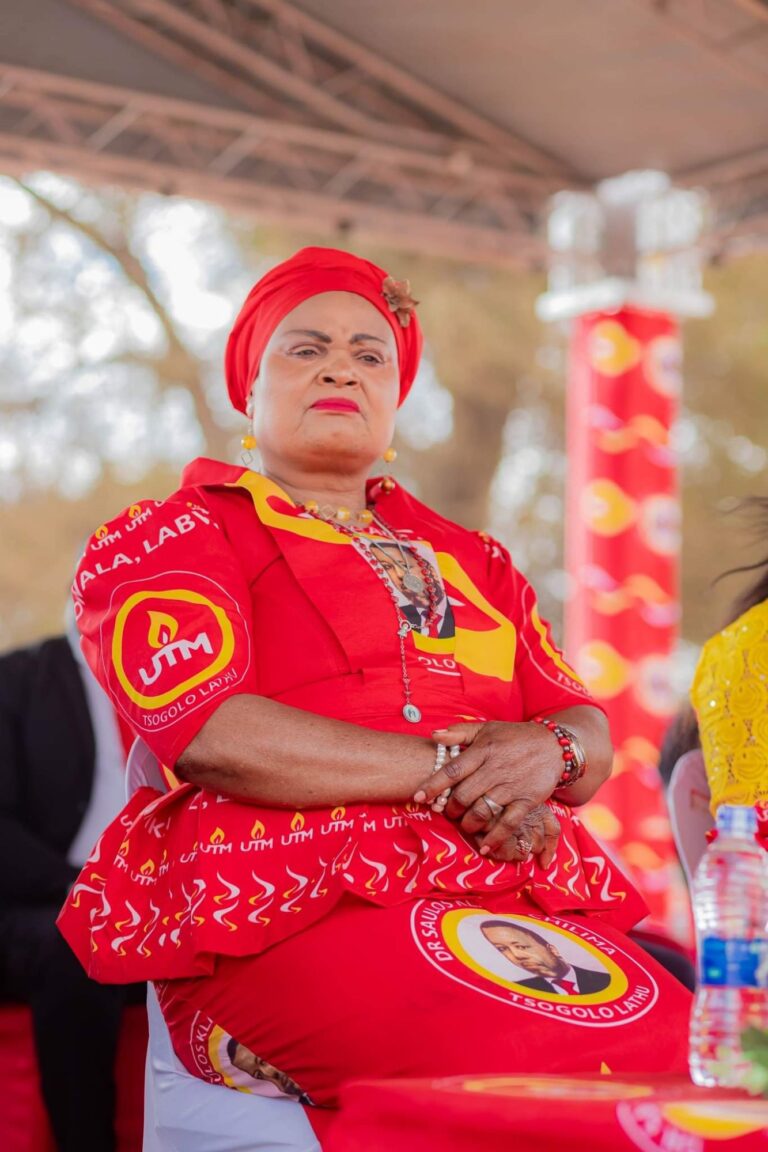
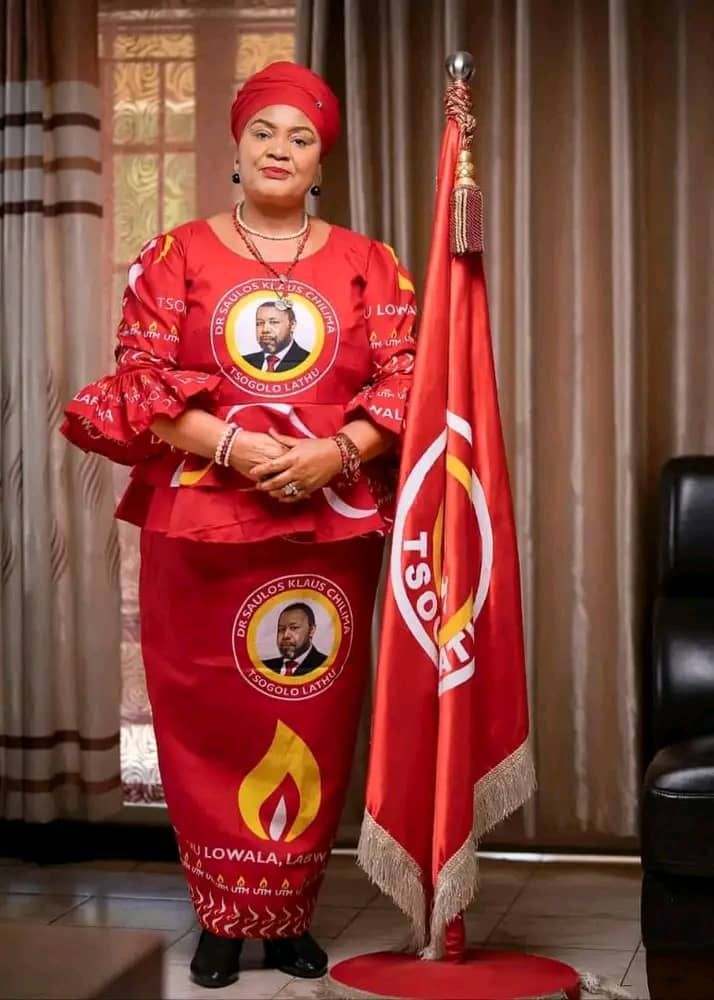
Patricia Kaliati, the prominent leader of the United Transformation Movement (UTM), has expressed her commitment to safeguarding the integrity of the party as she contemplates stepping up as its leader. Her decision to return comes amid concerns that some individuals currently holding leadership positions may have ulterior motives that threaten the party’s stability and mission.

Kaliati emphasized her determination to protect the UTM, stating, “I have returned to ensure that our party remains strong. I have noticed that some individuals wish to sell out the party, while others want it to collapse completely. Therefore, I am here to strengthen our party and ensure it fulfills its mandate effectively.” She made it clear that her loyalty lies with the core values of the UTM and its manifesto, which she feels others may not understand or appreciate.

Kaliati


During her remarks, Kaliati challenged those questioning her qualifications and commitment. She defended her track record, stating, “Those claiming I am unfit to lead are gravely mistaken. They do not grasp the challenges and aspirations of our party.” Her assertion reflects a broader sentiment within the UTM, emphasizing the importance of having leaders who are not only committed but also knowledgeable about the party’s goals and history.

Kaliati also took a jab at criticism directed towards fellow UTM leaders, particularly regarding economic policies. “Some have suggested that my colleagues have not addressed economic issues effectively. However, I ask, how many leaders in Malawi have successfully tackled economic challenges? A true leader surrounds themselves with capable individuals to navigate these complex matters,” she stated, underscoring her belief in collective responsibility and teamwork within the party.

The political landscape within the UTM has become increasingly competitive, with notable figures such as Dalitso Kabambe, Newton Kambala, Mathews Mtumbuka, and Michael Usi emerging as potential contenders for leadership roles. Kabambe, who recently joined the party, received a warm welcome in Thyolo from Kaliati and other senior members, signaling a strategic move to bolster party unity ahead of the upcoming challenges.

The UTM is set to hold a significant conference on November 17, 2024, where crucial decisions regarding its future direction and leadership will be made. As the party gears up for this pivotal event, Kaliati’s leadership and her call for unity will be central to maintaining the party’s strength and purpose in the face of internal and external challenges.

In conclusion, Patricia Kaliati’s return and her commitment to safeguarding the UTM signal a critical juncture for the party. As members prepare for the upcoming conference, the focus will be on reaffirming their collective vision and ensuring that the party remains true to its transformative ideals. Kaliati’s determination to root out potential threats within the leadership will be key to securing the UTM’s future and effectiveness as a political entity in Malawi.

COMSIP advocates for urban ultra-poor inclusion in social protection programs

0

By Twink Jones Gadama

The Community Savings and Investment Promotion (COMSIP) Cooperative Union Limited is championing the cause of urban ultra-poor households, advocating for their inclusion in social protection programs focused on Nutrition and Water, Sanitation, and Hygiene (WASH) in Malawi.

At a recent training session held in Mponela, Dowa District, Annie Nyirenda, Central Region Project Officer Coordinator at COMSIP, emphasized the importance of empowering beneficiaries with essential knowledge to overcome extreme poverty and promote local development.

Annie Nyirenda


“The urban ultra-poor faces unique challenges, and it’s crucial we equip them with skills to improve their livelihoods,” Nyirenda stated.

The training, attended by Urban Caseworker interns and Community Development officers, aimed to enhance capacity in addressing the complex needs of urban ultra-poor households.

Veronica Chingondo, a Caseworker from Mgona Chatata in Lilongwe, praised the initiative, saying, “This training has been instrumental in fostering healthier lifestyles among participants.”

COMSIP’s efforts are part of the Social Support for Resilient Livelihoods Project (SSRLP), implemented in partnership with the Malawian government and funded by the World Bank and the Multi-Donor Trust Fund.

Addressing Urban Poverty

Malawi’s urban population is projected to grow significantly, with many facing poverty, limited access to basic services, and inadequate infrastructure.

COMSIP’s advocacy focuses on addressing these challenges through targeted interventions, ensuring urban ultra-poor households benefit from social protection programs.

“The SSRLP is designed to support vulnerable communities, and COMSIP’s role is critical in implementing effective solutions,” said Nyirenda.


Empowering Communities

COMSIP’s approach emphasizes community-led development, providing training and resources to enable urban ultra-poor households to Improve nutrition and health outcomes, enhance access to clean water and sanitation, develop livelihood skills and build resilience against economic shocks

By empowering communities, COMSIP aims to break the cycle of poverty and promote sustainable development.

Partnership and Collaboration

The SSRLP’s success relies on strong partnerships between COMSIP, the Malawian government, and international donors.

“We appreciate the support from the World Bank and the Multi-Donor Trust Fund,” said Nyirenda. “Together, we can make a meaningful impact in the lives of urban ultra-poor households.”


Conclusion

COMSIP’s advocacy for urban ultra-poor inclusion in social protection programs marks a significant step towards addressing Malawi’s poverty challenges.

As the SSRLP continues to roll out, COMSIP’s commitment to empowering communities will play a vital role in promoting resilient livelihoods and improving the well-being of Malawi’s most vulnerable populations.

Chitipa United Assistant Coach ‘Gift Mkamanga’ to be laid to rest today

0

By Durell Namasani


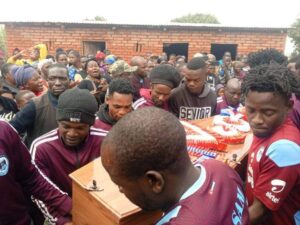
The body of Chitipa United Assistant Coach Gift Nathaniel Mkamanga who passed away on Thursday, will be laid to rest today, Saturday October 5, at Kanyenjele village in Traditional Authority Mwaulambya’s area.

Meanwhile, the body of Mkamanga has arrived at Chitipa stadium, popularly known as Base ground for viewing ceremony.

Mkamanga’s body arriving in Chitipa

This will be followed by a church service at Kanyenjele CCAP then burial ceremony  which will take place in the afternoon.

Mkamanga died on Thursday in Blantyre where he was attending the ongoing CAF B coaching course.

Ministry of homeland security to develop a concept on child protection

0

By Linda Kwanjana

As a way of promoting child protection in the country, the ministry of homeland security in collaboration with UNICEF has plans to develop a concept aimed at imparting knowledge on child friendly policing through the provision training to security officers.

This has come out in a meeting between UNICEF country representative  Shadrack Omol and minister of Homeland Security Kenneth Zikhale Ng’oma held on Friday at capital hill in Lilongwe.

Hon Zikhale and the UNICEF Rep Shadrack Omol


Ng’oma believes that the  Initiative will be of great importance as far as child rights and protection is concerned.

Ng’oma expressed optimism that training to the security officers will provide an opportunity to achieve a child friendly environment.

The minister further noted with concern that  there  are many street kids in the country who sometimes misbehave due to the way they are being treated, hence the need to find a better way to address the challenge.

“We need to have  a concept that focuses on special training to  security officers like the police, immigration, prison and refugees department.The officers should be trained on how to handle children because we need to be friendly to these children,” Ng’oma explained.

On his part, UNICEF country representative Shadrack Omol pledged for the  continued support towards different aspects related to children like nutrition, health and education among others.

Omol said child friendly policing is paramount in promoting the well-being of   children.

“We have got many areas of support in the areas of health, education, nutrition as well as social welfare and police in particular we have been providing support in community police units   by working with police officers in various police units just to make them child friendly,” He said.

UNICEF integrates protection in health and early childhood development programmes to ensure young children grow up in caring, nurturing and protective environments.