
Saturday, April 4, 2026
No menu items!
spot_img
Home Blog Page 1001

The battle of Dr. Dalitso Kabambe, Mtumbuka, Patricia Kaliati, and Newton Kambala at the UTM Convention – Who is likely to win?

By Burnett Munthali

As the UTM convention approaches, the spotlight is on four heavyweight candidates: Dr. Dalitso Kabambe, Dr. Mtumbuka, Patricia Kaliati, and Newton Kambala. Each of them brings unique qualities to the table, making this contest one of the most intriguing in Malawi’s political landscape. The central question remains—who will the delegates choose, and will that choice reflect the future direction of the UTM? This opinion piece explores the strengths and weaknesses of each candidate and attempts to predict who might emerge victorious.
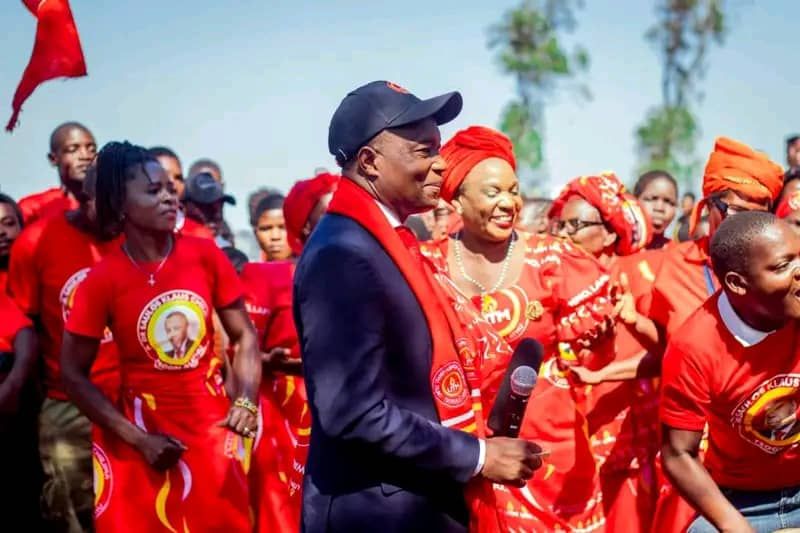
Kabambe


Dr. Dalitso Kabambe: The technocrat who promises economic reform

Dr. Dalitso Kabambe is perhaps the most polished candidate when it comes to economics and policy. With a distinguished career as a former Reserve Bank Governor, Kabambe offers the UTM a chance to rebrand itself as a party focused on economic growth and financial stability. His promises of economic reform are likely to resonate with the middle class, urban voters, and the business community.

However, Kabambe’s lack of political experience could be his Achilles heel. While he has excelled in the technocratic sphere, it is unclear whether he can navigate the rough terrain of grassroots politics. UTM, which has a significant base in the rural areas, may find his appeal limited if delegates prioritize populism over policy expertise.

Mtumbuka


Dr. Mtumbuka: The intellectual with a vision for change

Dr. Mtumbuka, though perhaps lesser-known on the national stage, presents himself as a fresh intellectual voice in UTM. His academic background and thought leadership in governance reforms give him an edge among those who seek change in the political establishment. Mtumbuka’s candidacy is likely to appeal to the youth and intellectuals within the party who are frustrated by the status quo.

However, Mtumbuka lacks the broad political network and grassroots connections that are crucial in Malawian politics. While he may have the vision for change, his ability to gather support across different regions and classes remains in question. Delegates may find his ideas attractive, but they might question his capacity to deliver victories in a general election.

Dr Patricia Kaliati: The grassroots mobilizer

Patricia Kaliati, a seasoned political figure, comes into the race with a strong grassroots following. Known for her fiery speeches and unwavering commitment to women’s empowerment, Kaliati has established herself as a dominant force within UTM. She has the loyalty of many UTM members and is likely to garner significant support from rural delegates, who appreciate her direct engagement and straightforward leadership style.

However, Kaliati’s political career is not without controversy. Her often confrontational approach could alienate some within the party who seek a more diplomatic and unifying figure. Furthermore, her longstanding political career could be viewed as too entrenched in old-style politics, which may turn off delegates seeking fresh leadership. Nonetheless, her grassroots mobilization skills cannot be overlooked.

Newton Kambala: The businessman with pragmatic solutions

Newton Kambala brings a different flavor to the race—pragmatism rooted in business acumen. As a former Minister of Energy, Kambala is known for his ability to get things done. His focus on economic development and investment aligns with UTM’s progressive vision. For delegates who prioritize economic growth and job creation, Kambala might appear as the ideal candidate.

However, like Kabambe, Kambala’s strength in business does not necessarily translate into political capital. He lacks the charisma and mass appeal that figures like Kaliati have. While he may appeal to the urban elite and business-minded delegates, he could struggle to build a coalition large enough to win the convention.

Who will win?

The race is likely to be a battle between Dr. Dalitso Kabambe and Patricia Kaliati. Kabambe’s economic vision may appeal to delegates who want to present UTM as a party of serious reform, while Kaliati’s grassroots connections make her a formidable opponent. In the end, it may come down to whether the delegates prioritize economic stability or political mobilization.

Dr. Mtumbuka, while intellectually sound, may not have enough political clout to secure a majority. Newton Kambala, although a practical candidate, may not have the charisma needed to lead UTM to victory.

Will delegates choose the right candidate for UTM?

The decision delegates make at this convention will have long-term implications for the future of UTM. If they choose Kabambe, the party could reposition itself as a party of economic reformers, appealing to urban voters and businesses. However, without strong grassroots mobilization, this could backfire in the 2025 general elections. On the other hand, choosing Kaliati may energize the base and rural voters, but it could also limit UTM’s appeal to the middle class and intellectuals who desire change beyond political rhetoric.

Ultimately, the “right” candidate depends on UTM’s goals for the future. If they aim to secure electoral victories through grassroots engagement, Kaliati might be their best bet. But if they want to redefine the party as a forward-looking, policy-driven force, Kabambe could be the right choice. It is now up to the delegates to weigh these factors and choose the path that will lead UTM to success in 2025.

Usi

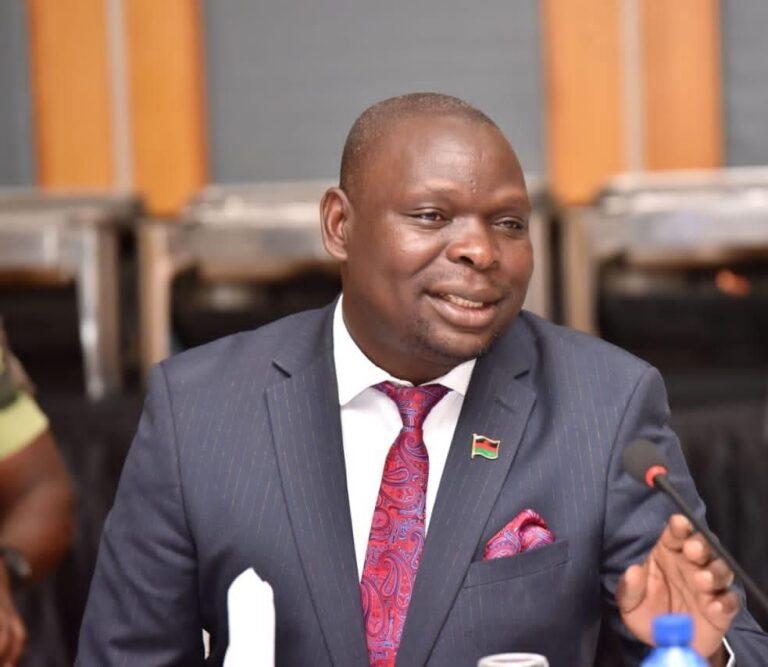
Chithyola calls for enhanced support from ARC Ltd

0

By Chisomo Phiri

Minister of Finance Simplex Chithyola Banda has appealed to African Risk Capacity Limited (ARC Ltd) to provide Malawi with capacity-building support in addition to financial assistance.

He made the appeal on Thursday during a board meeting of ARC Ltd in Salima district, which brought together representatives from various African and European countries.

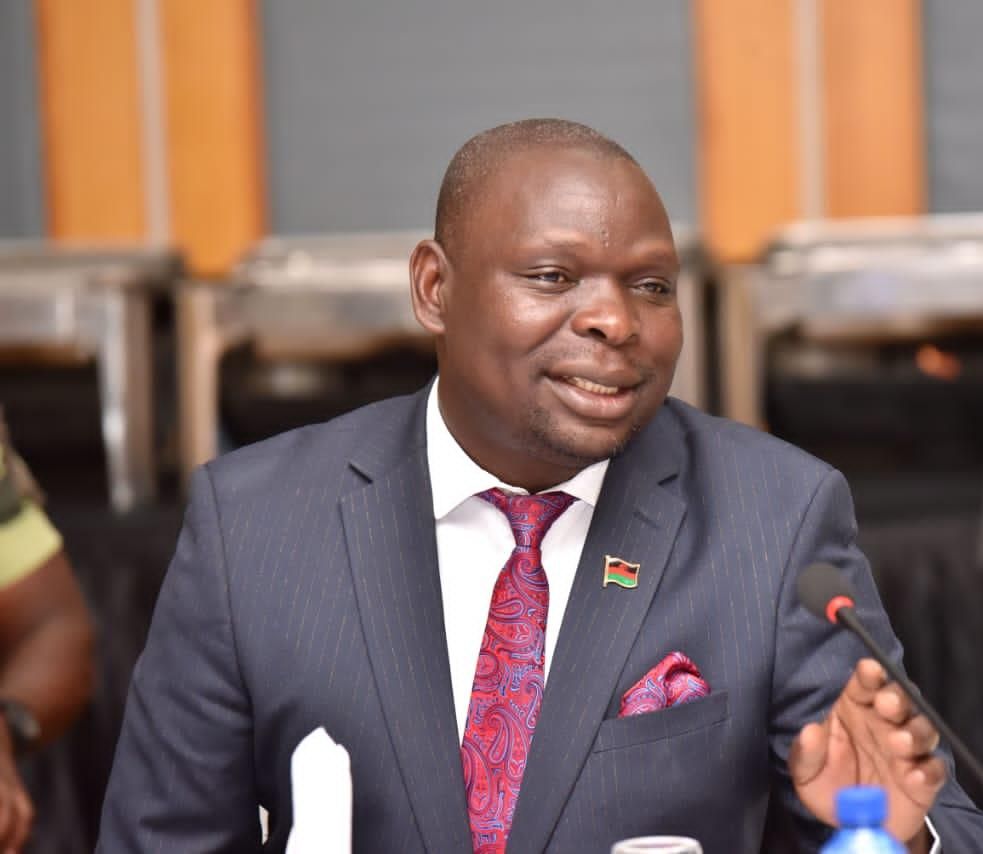
Chithyola

Banda emphasized that Malawi lacks the necessary capacity to effectively manage natural disasters, both before and after they occur.

On his part, Chairperson of ARC Ltd,Maxwell Mkwezalamba, confirmed that the insurance company is committed to collaborating closely with the Malawi government.

ARC Ltd is an African insurer that provides parametric insurance services for climate change and health risks to African Union member states.

UNICEF unveils Elizabeth Chinga as new GGLAG member

0

By Chisomo Phiri

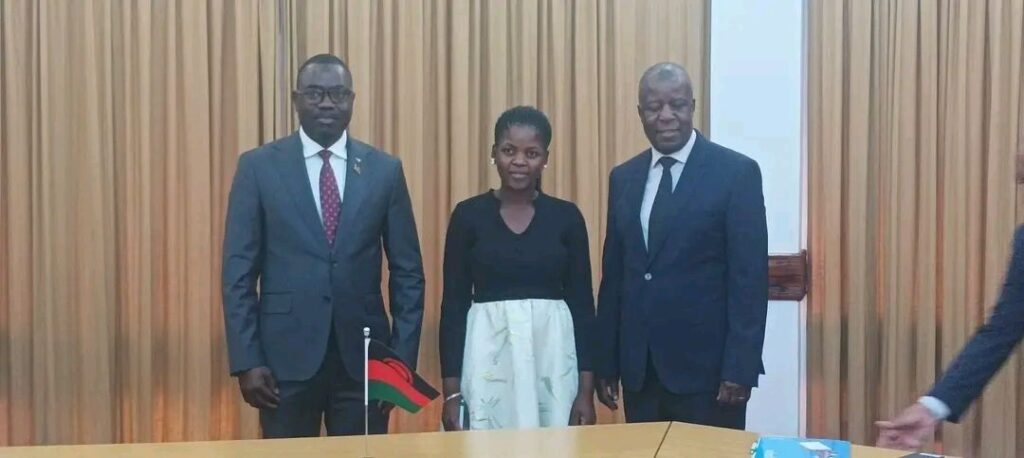
19-year-old environmental sustainability champion for Mulanje district,Elizabeth Chinga, has been unveiled as the newest member of the Global Girl Leaders Advisory Group (GGLAG) by the United Nations International Children’s Emergency Fund (UNICEF)

UNICEF Country Representative Shadrack Omol announced this in Lilongwe on Thursday.

He said Elizabeth who is in form four at Chiwalo Community Day Secondary School, is now one of the 12 girls in this prestigious advisory group, and one of only two African members.


In her remarks, Elizabeth shared that her passion for climate change resilience started when her home was washed away by floods in 2021, forcing her to live in a camp.

Minister of Youth and Sports, Uchizi Mkandawire, praised Elizabeth’s recognition, describing it as a great testament to her hard work and dedication as an advocate for girls on issues affecting adolescents.

Malawi is on right track  issues of Migration- IOM

0


By Dean Chisambo

The International Organization for Migration (OIM) has expressed their gratitude that Malawi is on the right track in dealing with issues of migration in the African continent.

Speaking during the High -Level Stakeholder Workshop for the Drafting of the Global Compact for Migration National Implementation Plan ( GCM NIP) and structuring of the related National Coordination Mechanism, OIM Chief of Mission Nomagugu Hanyana  Ncube said  Malawi is one of the twelve countries in Africa that is voluntarily signed up to be country for GCM.

Ncube – migration issue need to be addressed


Ncube revealed that signing up to be a champion country for GCM does not mean that the country knows everything about Migration but it is an open commitment in order to take forward the agenda of migration and to recognise the development potential within the national migration framework.

She disclosed that the implementation of migration in this country will address issues like Migration in development, labour migration, diaspora migration, migration and education,  migrants protection and migration and data.

On his part Principal secretary in the ministry of Homeland security, Steve Kayuni, said Malawi being one of the champions since 2021 they are geared towards having the implementation plan hence they are torchbearers on the issues of migration.

He stated that the status of the country on migration is a mix bag saying the opportunity is there and also  challenges which need to be teased out in the policy framework that is supposed to be developed to make sure that Malawi is geared towards teasing out the challenges.

The workshop brought together the civil society organization, representative of communities and the government officials.

Minister of Finance Simplex Chinthyola Banda urges ARC Ltd to support Malawi with capacity-building assistance

0

By Burnett Munthali

In a bid to enhance Malawi’s disaster preparedness and management capabilities, Minister of Finance Simplex Chinthyola Banda has called on African Risk Capacity Limited (ARC Ltd) to go beyond financial assistance and offer critical capacity-building support. Banda made this appeal on Thursday in Salima district during a board meeting of ARC Ltd, which brought together representatives from various African and European nations.

During the meeting, Banda highlighted Malawi’s pressing need to improve its ability to manage natural disasters effectively, both in terms of preparedness and response. He stressed that while financial support from ARC Ltd is vital, the country also requires technical expertise and training to build the capacity of local institutions and officials in disaster management.

Chithyola

“Malawi continues to face challenges in managing natural disasters, especially with the increasing frequency of climate-related events. While financial assistance is important, we need to strengthen our systems and institutions to ensure we are better prepared for and can respond effectively to disasters,” Banda stated.

African Risk Capacity Limited, an insurance company that provides parametric insurance services for climate and health risks, is designed to help African Union member states mitigate the financial impact of natural disasters. The organization offers a safety net for countries like Malawi, which are prone to extreme weather events, including floods, droughts, and storms that have been exacerbated by climate change.

Maxwell Mkwezalamba, chairperson of ARC Ltd, acknowledged Banda’s concerns and confirmed that the organization is committed to closely collaborating with the Malawi government. He emphasized that ARC Ltd is not only focused on providing financial assistance through insurance but also seeks to offer technical support that can help member states build long-term resilience against disasters.

“ARC Ltd is committed to helping Malawi and other African nations build the capacity needed to manage disasters. We understand that financial assistance alone is not enough, and we will work with the government to ensure that capacity-building initiatives are part of our ongoing support,” Mkwezalamba said.

Malawi has experienced several natural disasters in recent years, from devastating floods to prolonged droughts, all of which have had significant economic and social impacts. The country’s vulnerability to climate change has exposed the need for improved disaster risk management systems. Banda noted that many local institutions tasked with responding to these emergencies lack the necessary skills, technology, and infrastructure to effectively manage crises.

Capacity building involves enhancing the knowledge, skills, and systems within local agencies responsible for disaster preparedness and response. This includes training personnel in early warning systems, developing effective disaster response plans, and improving coordination among various stakeholders, including government agencies, NGOs, and local communities.

Banda further emphasized that the long-term success of disaster risk management in Malawi will depend on the country’s ability to reduce its dependence on external aid by strengthening internal capacities.

The minister’s appeal aligns with the broader goals of the African Union’s Agenda 2063, which aims to foster resilience in African countries by promoting sustainable development and effective disaster management. By integrating capacity-building efforts into its collaboration with ARC Ltd, Malawi can enhance its disaster preparedness, reduce the impact of future disasters, and move toward a more self-reliant model of disaster management.

With support from ARC Ltd, Malawi could see improvements in its ability to predict and respond to natural disasters, ultimately saving lives, protecting livelihoods, and reducing the overall cost of recovery.

As climate change continues to present new challenges, the partnership between Malawi and ARC Ltd could serve as a model for other African nations seeking to build resilience against the growing threat of climate-related disasters.