Sunday, April 12, 2026
No menu items!
spot_img
Home Blog Page 1009

Is Malawi able to feed itself three meals each day?

By Burnett Munthali

For the first time in several years, the country’s ability to feed its citizens was at risk. Sadly and unexpectedly, Malawi lost its hard-earned status as an agricultural success story — it used to produce enough maize for its people to eat and still provide a surplus to neighbours.

Malawi, a country endowed with fertile land and a favorable climate for agriculture, faces significant challenges in ensuring food security for its population. The question of whether Malawi can sustainably feed itself three meals each day is complex and multifaceted, involving various socio-economic, environmental, and political factors.
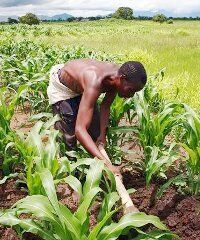


Agriculture is the backbone of Malawi’s economy, employing about 80% of the population and contributing approximately 30% to the national GDP. The country primarily relies on subsistence farming, with maize being the staple crop. However, despite its agricultural potential, Malawi has struggled with food insecurity, exacerbated by various challenges.

Firstly, Malawi is highly vulnerable to climate change, experiencing erratic weather patterns, prolonged dry spells, and excessive rainfall. These climate-induced challenges have led to inconsistent crop yields, making it difficult for farmers to produce enough food to meet their needs.


Secondly, the heavy dependence on maize as the primary food source poses a risk. When maize production fails due to drought or floods, the entire food system is threatened. Diversifying agricultural production by promoting other crops such as legumes, fruits, and vegetables could enhance food security.

Thirdly, many Malawians live below the poverty line, limiting their access to food. Economic instability, inflation, and rising food prices further exacerbate the situation, making it challenging for families to afford three meals a day.

Fourthly, poor infrastructure hampers farmers’ ability to transport their produce to markets, leading to post-harvest losses. Additionally, limited access to agricultural inputs such as seeds, fertilizers, and irrigation facilities hinders productivity.

Fifthly, policy decisions and governance issues can impact agricultural productivity and food security. Inconsistent agricultural policies and lack of support for smallholder farmers can undermine efforts to achieve self-sufficiency in food production.

Despite these challenges, there are initiatives aimed at improving food security in Malawi:

1) The Malawian government has implemented various programs to enhance agricultural productivity, including the Farm Input Subsidy Program (FISP) to provide farmers with affordable inputs.


2) Many communities are adopting sustainable farming practices, including conservation agriculture, agroforestry, and crop diversification. These practices can improve soil health, increase resilience to climate change, and enhance food production.

3) Various non-governmental organizations and international agencies are working in Malawi to promote food security through education, capacity building, and investment in agricultural development.

In conclusion, while Malawi has the potential to feed itself three meals a day, achieving this goal requires concerted efforts from the government, local communities, and international partners. Addressing the challenges of climate change, economic constraints, and agricultural policies is crucial for enhancing food security. By promoting sustainable farming practices and diversifying crop production, Malawi can work towards a future where all its citizens have access to sufficient, nutritious food every day. The journey towards self-sufficiency in food production is ongoing, but with commitment and collaboration, it is an attainable goal for the nation.


World Teachers’ Day: Celebrating educators worldwide

0

By Burnett Munthali

World Teachers’ Day, celebrated annually on October 5, is a global event that recognizes the invaluable contributions of teachers to society. Established by UNESCO in 1994, this day serves to honor educators’ efforts in shaping future generations and highlights the importance of quality education for all.

Teachers play a crucial role in fostering knowledge, skills, and values among students. They are not just instructors but also mentors, guiding students through personal and academic challenges. World Teachers’ Day provides an opportunity to acknowledge their hard work and dedication, often in the face of numerous challenges, including underfunding, overcrowded classrooms, and inadequate resources.

Each year, World Teachers’ Day is marked by a specific theme that addresses current educational issues. For 2024, the theme focuses on “Empowering Teachers, Empowering Students.” This theme emphasizes the need for continuous professional development and support for educators to enhance their teaching methods and, consequently, improve student outcomes.

Despite their vital role, teachers worldwide often encounter various challenges. Many work long hours for inadequate pay and face job insecurity. The COVID-19 pandemic has exacerbated these issues, with teachers adapting to new teaching methods and technologies while managing the emotional and psychological impacts on their students.

In Malawi, the situation is no different. Educators frequently grapple with limited resources, insufficient training, and large class sizes, making it difficult to provide quality education. World Teachers’ Day serves as a reminder of the need to invest in teachers and prioritize their well-being.

On this day, schools and communities around the world organize events to celebrate teachers. These may include awards ceremonies, appreciation events, and discussions on improving educational policies. Students often take the opportunity to express gratitude to their teachers through cards, gifts, or simple words of thanks.

Furthermore, it is essential to advocate for policies that support teachers, such as better salaries, professional development programs, and improved working conditions. When teachers are empowered, they can better inspire and educate their students, leading to a more informed and capable society.

World Teachers’ Day is a powerful reminder of the significant impact teachers have on individuals and communities. As we celebrate their dedication and contributions, let us also commit to supporting educators in their vital work. By investing in teachers, we invest in the future of our children and the development of our society. This World Teachers’ Day, let us honor the hard work of educators everywhere and strive to create an environment where they can thrive and succeed in their essential roles.

Blantyre Arts Festival Returns with Climate Resilience Theme

By Twink Jones Gadama

The highly anticipated Blantyre Arts Festival (BAF) is set to captivate audiences on Saturday at the Kamuzu Upper Stadium in Blantyre.

This year’s edition promises to be an unforgettable experience, with a focus on preserving culture and climate resilience.

BAF Director Thomas Chibambo emphasized the importance of using the festival as a platform to raise awareness about environmental conservation. “It’s alarming to see how people are destroying the environment, making it a culture.

Ma Blacks


We want to amplify the voices and energies fighting for the same cause.”

The festival boasts an impressive lineup of local and international performers.

The legendary Black Missionaries Band returns after a year-long hiatus, while Jetu takes the stage for a rare daytime performance, providing an opportunity for children to experience her talent live.

Other notable acts include Agorosso and Anthony Makondetsa.

However, the highlight of the festival promises to be the German-Malawi collaboration ensemble, blending sounds from both countries.

“This year’s festival is special,” Chibambo noted. “We’re excited to bring together artists from different backgrounds to showcase the beauty of cultural exchange,” he added.

BAF’s commitment to climate resilience resonates deeply in Malawi, where environmental degradation poses significant challenges.

By incorporating this theme, the festival aims to inspire change and promote sustainable practices.

The festival’s impact extends beyond entertainment; it provides a platform for cultural exchange, education, and social commentary. Chibambo emphasized, “We’re not just hosting a festival; we’re sparking conversations and inspiring action.”

As Blantyre prepares to host this vibrant celebration of art and culture, residents and visitors alike eagerly anticipate an unforgettable experience.

*About Blantyre Arts Festival:*

BAF is an annual celebration of music, theater, dance, and visual arts.

The festival aims to promote Malawian culture, foster creativity, and provide a platform for local and international artists to showcase their talents.

As the festival returns, it reaffirms its commitment to using art as a catalyst for positive change, inspiring a new generation of artists, environmental stewards, and community leaders.

Empowering women, boosting economy: SMEDI stresses financial support

0


By Twink Jones Gadama

The Small and Medium Enterprises Development Institute (SMEDI) is championing the cause of women’s economic empowerment, emphasizing the need for adequate financial support to drive economic development and social progress.

This comes as SMEDI recognizes the critical role women play in transforming the country’s economy.

At a recent networking workshop for business women from various sectors, SMEDI Director of Enterprise Development Services Lydia Kadzongwe underscored the importance of financial inclusion for women entrepreneurs.

Lydia Kadzongwe

“Providing women with access to financial resources is crucial for unlocking their potential and contributing to the country’s economic growth,” Kadzongwe stated.

Moreover, the workshop served as a platform for sharing ideas on entrepreneurship and promoting gender equality.

Kadzongwe noted that the meeting had successfully facilitated the exchange of experiences and best practices among participants.

Consequently, this has fostered a sense of community and cooperation among women entrepreneurs.

Similarly, Norah Msanja, Head of Legal and Governance at Standard Bank Plc, echoed Kadzongwe’s sentiments, highlighting the significance of empowering women in leadership positions.

“Women’s leadership is critical in transforming the country’s economy,” Msanja emphasized.

Furthermore, she noted that supporting women entrepreneurs can unlock new opportunities for growth and development.

Research has consistently shown that investing in women’s economic empowerment yields significant benefits for individuals, families, and communities.

For instance, when women have access to financial resources, education, and training, they are more likely to increase productivity, improve family well-being, and enhance community development.

In Malawi, where women face significant barriers to economic participation, initiatives like SMEDI’s networking workshop are crucial in promoting gender equality and economic growth.

Therefore, empowering women is not only a moral imperative but an economic necessity.

Meanwhile, organizations like the World Bank’s International Development Association (IDA) have recognized the importance of women’s economic empowerment, investing in initiatives that promote women’s education, health, and access to digital technology.

As Malawi continues to work towards achieving gender equality and economic growth, the role of organizations like SMEDI and initiatives like the networking workshop will be critical in driving progress.

Ultimately, by supporting women entrepreneurs and promoting financial inclusion, Malawi can create a more equitable and prosperous future for all its citizens.

UTM’s Patricia Kaliati speaks out against potential sabotage within the party

0

By Burnett Munthali

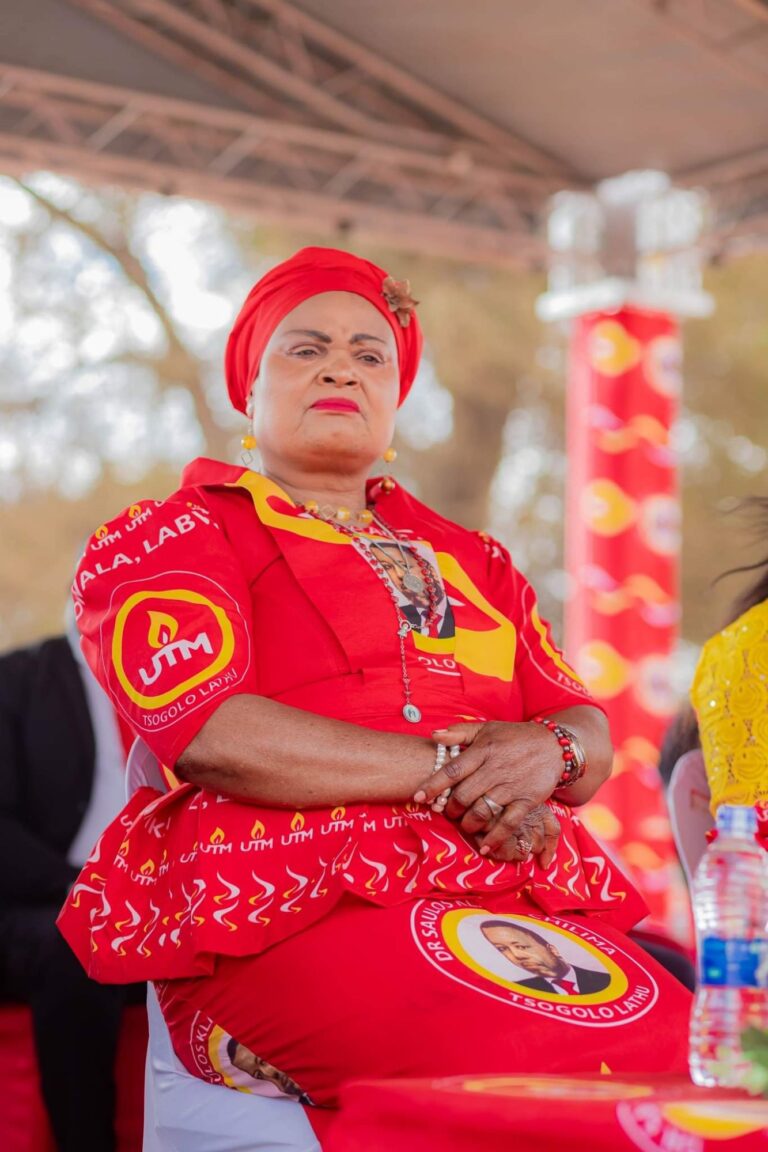
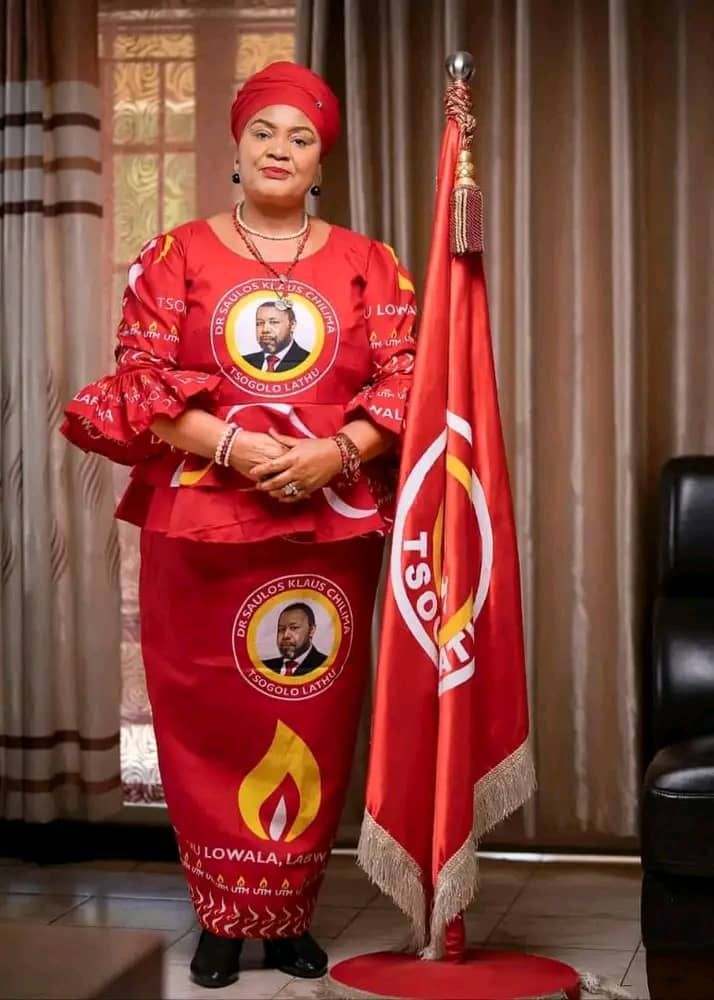
Patricia Kaliati, the prominent leader of the United Transformation Movement (UTM), has expressed her commitment to safeguarding the integrity of the party as she contemplates stepping up as its leader. Her decision to return comes amid concerns that some individuals currently holding leadership positions may have ulterior motives that threaten the party’s stability and mission.

Kaliati emphasized her determination to protect the UTM, stating, “I have returned to ensure that our party remains strong. I have noticed that some individuals wish to sell out the party, while others want it to collapse completely. Therefore, I am here to strengthen our party and ensure it fulfills its mandate effectively.” She made it clear that her loyalty lies with the core values of the UTM and its manifesto, which she feels others may not understand or appreciate.

Kaliati


During her remarks, Kaliati challenged those questioning her qualifications and commitment. She defended her track record, stating, “Those claiming I am unfit to lead are gravely mistaken. They do not grasp the challenges and aspirations of our party.” Her assertion reflects a broader sentiment within the UTM, emphasizing the importance of having leaders who are not only committed but also knowledgeable about the party’s goals and history.

Kaliati also took a jab at criticism directed towards fellow UTM leaders, particularly regarding economic policies. “Some have suggested that my colleagues have not addressed economic issues effectively. However, I ask, how many leaders in Malawi have successfully tackled economic challenges? A true leader surrounds themselves with capable individuals to navigate these complex matters,” she stated, underscoring her belief in collective responsibility and teamwork within the party.

The political landscape within the UTM has become increasingly competitive, with notable figures such as Dalitso Kabambe, Newton Kambala, Mathews Mtumbuka, and Michael Usi emerging as potential contenders for leadership roles. Kabambe, who recently joined the party, received a warm welcome in Thyolo from Kaliati and other senior members, signaling a strategic move to bolster party unity ahead of the upcoming challenges.

The UTM is set to hold a significant conference on November 17, 2024, where crucial decisions regarding its future direction and leadership will be made. As the party gears up for this pivotal event, Kaliati’s leadership and her call for unity will be central to maintaining the party’s strength and purpose in the face of internal and external challenges.

In conclusion, Patricia Kaliati’s return and her commitment to safeguarding the UTM signal a critical juncture for the party. As members prepare for the upcoming conference, the focus will be on reaffirming their collective vision and ensuring that the party remains true to its transformative ideals. Kaliati’s determination to root out potential threats within the leadership will be key to securing the UTM’s future and effectiveness as a political entity in Malawi.