TNM Super League defending champions FCB Nyasa Big Bullets hopes of defending the title suffered a heavy blow as they went down 1-nil to relegation threatened Bangwe All Stars on Thursday afternoon at Kamuzu stadium.
Clever Chikwata who was also voted man of the match scored the only goal of the match in the 71st minute in a counter-attack move after Bullets failed to penetrate Bangwe’s defence.
However, there is still a big debate on who is the real goal scorer of the goal as Chikwata’s shot was headed by James Msowoya before it crossed the line but the officiating personnel still awarded the goal to the former.
Goal scorer and man of the match Clever Chikwata
Bullets started the game very well and they got their first chance through Chawanangwa Gumbo in the 12th minute but his shot was saved by Bangwe goalkeeper Elias Missi.
Lloyd Aaron also had his chance to put the home side in front in the 23rd minute but once again Missi came to the rescue of the Bangwe-based side.
In the second half, Bangwe All Stars new coach Trevor Kajawa replaced James Tambwali and Christopher Jimu with the fresh legs of Richard Lapson and Shukuran Goba.
Bullets on the other hand brought in former Dedza Dynamos midfielder Lameck Gamphani and the Zimbabwean Ronald Chitiyo replacing Chawanangwa Gumbo and Maxwell Phodo.
Later in the game Ernest Petrol replaced Lloyd Aaron for Bullets while Bangwe took out James Msowoya for Emmanuel Lino.
In the last 20 minutes, both sides had a number of scoring opportunities but it still ended 1-nil in favour of Bangwe to the disappointment of Bullets coach Kallisto Pasuwa.
Pasuwa however said his side can still defend the title as there are still a lot of matches to be played before the end of the season.
Despite the win, Bangwe remain second from the bottom with 15 points after playing 20 games.
Bullets on the other hand are perched on 10th position with 24 points after playing 17 games.
Elsewhere, Gregory Nachipo and Samuel Chaponda were on target as Kamuzu Barracks beat Chitipa United 2-nil at Nankhaka Stadium.
Political analysts are urging Malawian political parties to consider forming alliances well before the September 2025 elections, cautioning that waiting for a possible election rerun could be risky. With the political landscape becoming increasingly competitive, experts suggest that early alliances could strengthen parties’ chances of securing victory in the first round, rather than relying on post-election partnerships to sway a rerun.
Malawi’s recent election history has demonstrated the potential pitfalls of fragmented political participation. The 2019 presidential election, which was nullified due to irregularities, saw a highly divided vote among the main political parties, forcing a rerun in 2020. The subsequent rerun led to the formation of a coalition between the Malawi Congress Party (MCP) and the United Transformation Movement (UTM), which eventually brought President Lazarus Chakwera into power. However, analysts argue that relying on a rerun could be dangerous, as electoral dynamics often shift unpredictably.
According to political commentator Henry Mhlanga, “Waiting until after the first round of elections to form alliances might backfire. In a highly competitive environment, parties risk being left out in the cold if they fail to prepare early. The time to consolidate political support is now, not after the election.”
One of the main risks in waiting for a rerun is that the political momentum can quickly change between rounds, particularly if there is a low voter turnout or shifts in public opinion between the two phases. As Lindiwe Phiri, a lecturer in political science, points out, “If a party does poorly in the first round, it may lose bargaining power to negotiate strong post-election alliances. The unpredictability of rerun outcomes also makes it difficult to rely on that strategy.”
Phiri notes that, in recent years, alliances have become a critical component of winning elections in Malawi. “If political parties want to ensure that they can gain or maintain power, they need to secure their alliances ahead of time. This prevents scrambling for partnerships under pressure after the first round,” she says.
Early alliances can also help parties consolidate their voter base, ensuring they appeal to a broader section of the electorate. By forming coalitions now, parties can present a unified front, with a shared platform and candidate, which could strengthen their chances of winning in the first round and avoid the cost and uncertainty of a rerun.
“An alliance between like-minded parties can increase voter confidence and reduce the risk of votes being split between multiple candidates,” argues Charles Nkhata, a political strategist. “It’s better to enter the election united and strong than to hope for an alliance after the fact.”
Political parties in Malawi are already positioning themselves ahead of the 2025 elections. The ruling MCP is seeking to consolidate its position after facing criticism over unmet campaign promises, while opposition parties like the Democratic Progressive Party (DPP) and UTM are looking for strategies to regain or maintain influence.
Mhlanga observes that the DPP, which has experienced internal conflicts and defections, may find itself particularly vulnerable if it does not secure alliances early. “The DPP is going through a challenging phase, and it cannot afford to wait until after the first round of elections to think about forming coalitions. Its best chance of reclaiming power is through a well-planned alliance that boosts its support base from the start.”
For smaller parties, early alliances may be crucial to their political survival. In an increasingly polarized political environment, smaller parties often struggle to gain traction on their own. Experts warn that without forming alliances ahead of time, these parties risk being irrelevant by the time a rerun occurs.
“Smaller parties should not overestimate their ability to influence a rerun,” says Phiri. “Many assume they will play the kingmaker role if no candidate wins outright in the first round, but that’s a dangerous gamble. It’s better to enter into alliances now and ensure they have a seat at the table in any future government.”
*Conclusion*
With the September 2025 elections fast approaching, political experts are advising Malawian parties to form alliances sooner rather than later. The risks of waiting for a potential rerun are significant, and the current political climate demands early strategic partnerships. By solidifying alliances well in advance, parties can maximize their chances of electoral success and ensure they remain relevant in the shifting political landscape of Malawi.
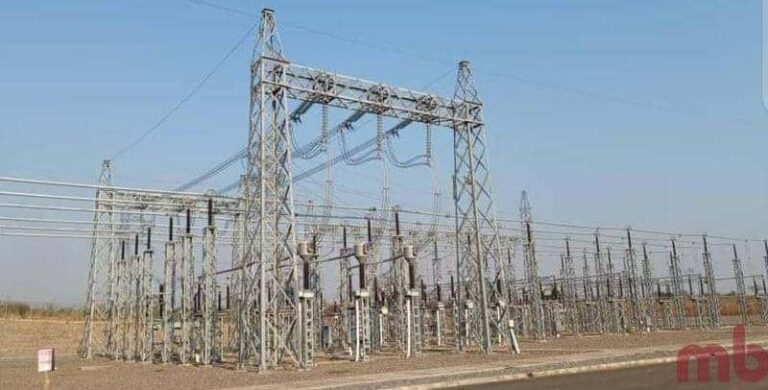
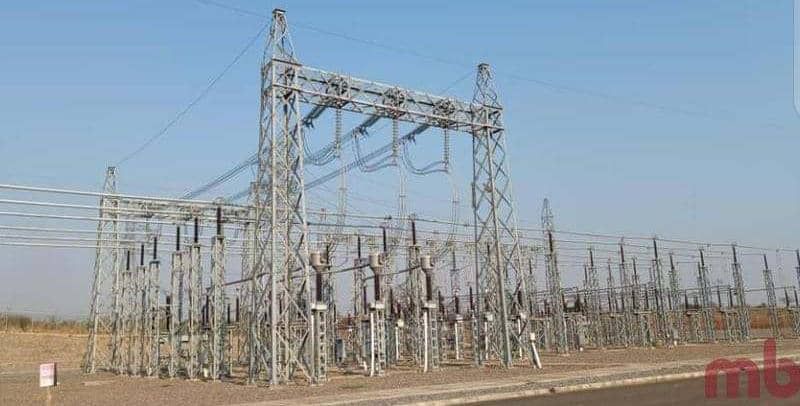
The Electricity Supply Corporation of Malawi (ESCOM) has announced that Malawi will begin receiving electricity from Mozambique through the Mozambique-Malawi (MOMA) power interconnection project by June next year. This landmark development marks a significant step toward addressing the country’s persistent energy challenges and boosting its capacity for economic growth.
The MOMA power interconnection project is part of a larger effort to link Malawi to the Southern African Power Pool (SAPP), a regional electricity grid that allows member countries to share surplus power. This interconnection will enable Malawi to tap into Mozambique’s Cahora Bassa hydroelectric power station, one of the largest in Africa, offering a reliable source of electricity to complement the country’s existing but strained power generation infrastructure.
For years, Malawi has faced chronic power shortages, which have negatively impacted businesses, industries, and households. The country’s reliance on a limited number of hydroelectric power stations, which are vulnerable to environmental factors such as droughts and low water levels, has resulted in frequent power cuts and load shedding. This has stunted economic growth and affected critical sectors such as manufacturing, agriculture, and education.
The MOMA interconnection is expected to significantly ease these challenges. By importing power from Mozambique, Malawi will have access to a more stable and diverse energy mix, reducing its dependence on domestic hydroelectric generation. This will also create an opportunity for Malawi to explore the expansion of its industrial base, as reliable energy is a key component in attracting investment and boosting productivity.
The MOMA power interconnection is not only a technical achievement but also a testament to the growing regional cooperation between Malawi and Mozambique. The two countries have worked closely on energy-related projects in recent years, recognizing the mutual benefits of power-sharing and integration into the SAPP. Through this interconnection, both nations will further solidify their ties and enhance their roles within the broader Southern African energy market.
ESCOM officials have lauded the project, stating that the transmission line from Matambo in Mozambique to Phombeya in Malawi is nearing completion, with all necessary technical requirements on track to meet the June 2025 target. Upon completion, Malawi will be able to import up to 50 megawatts of electricity from Mozambique, with potential for further expansion as the interconnection matures.
The benefits of the MOMA project are expected to extend beyond improved energy access. Reliable electricity will contribute to job creation, improved health services, and enhanced educational opportunities, as institutions will no longer be hampered by frequent blackouts. Small and medium-sized enterprises (SMEs), which are often hit hardest by power outages, will have the ability to operate more efficiently, potentially driving economic diversification and growth.
In addition to meeting immediate energy needs, the project will provide the necessary foundation for future expansion of Malawi’s energy sector. As demand for electricity grows with the country’s population and industrial development, the MOMA interconnection will serve as a vital component in ensuring that the grid can meet the growing needs.
While the MOMA project is set to alleviate Malawi’s short-term energy crisis, it also raises questions about the country’s long-term energy strategy. Malawi is rich in renewable energy resources, particularly solar and wind power, which remain largely untapped. The government has signaled its intention to diversify the country’s energy mix by investing in renewables, reducing reliance on hydroelectricity, and enhancing energy security.
By integrating with the regional power grid through the MOMA interconnection, Malawi will have the opportunity to both import electricity and export excess power in the future, particularly if investments in renewable energy are realized. This shift toward a sustainable energy model could help mitigate the impact of climate change and ensure that Malawi’s energy infrastructure is resilient and future-proof.
The MOMA power interconnection project represents a major milestone in Malawi’s efforts to stabilize and improve its electricity supply. With power from Mozambique set to flow by June 2025, the country is poised to address its energy challenges and unlock new economic opportunities. As ESCOM continues to work toward the completion of the project, the focus on regional cooperation and sustainable energy development will be crucial in shaping Malawi’s energy future.
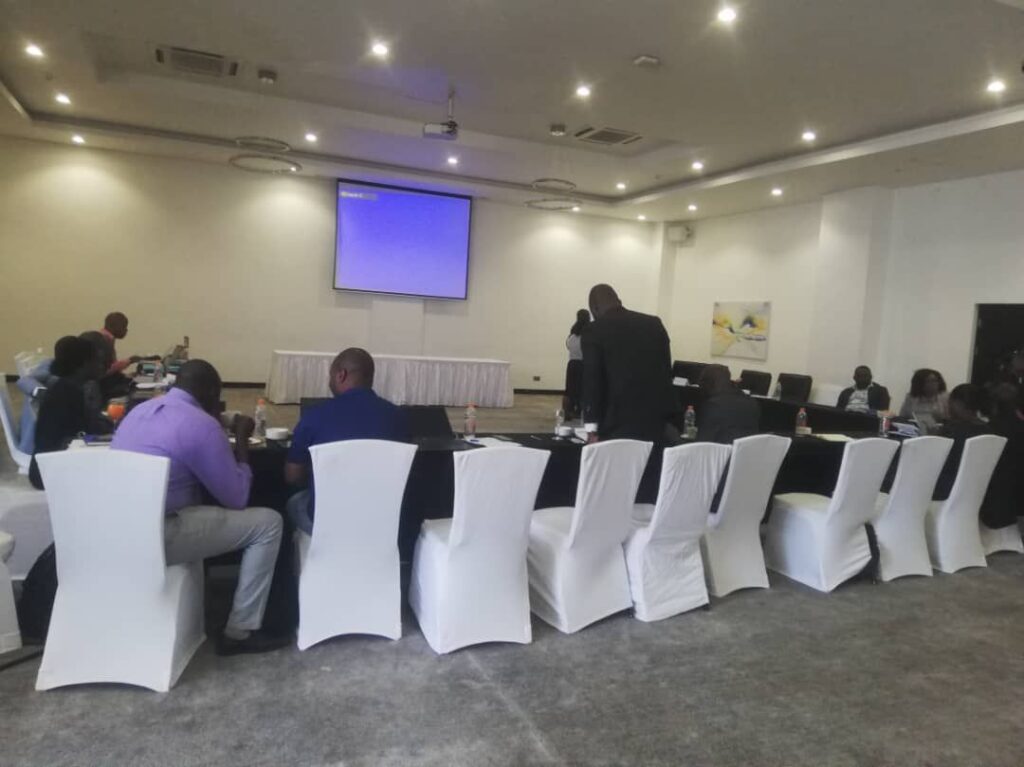
The Department of Immigration and Citizenship Services National Spokesperson, Wellington Chiponde, says the department, through the Southern Africa Trade and Connectivity Project, is implementing two important projects: the Border Management Information System and the Border Pass System.
In an interview with journalists on Thursday, Chiponde explained that the Border Management System seeks to streamline and optimize border management, enhancing national security and ensuring that all those entering and exiting the country follow immigration formalities.
Wellington Chiponde
On the other hand,Chiponde, said the Border Pass System is being implemented in collaboration with counterparts from Mozambique, and they are at an advanced stage in the project’s implementation.
He explained:”We aim to meet our aspirations and challenge ourselves to reduce trade costs for those doing trade between Malawi and neighboring countries.So our main goal is to reduce trade costs.”
Chiponde attributed this to the department’s commitment to ending illegal immigration into the country.
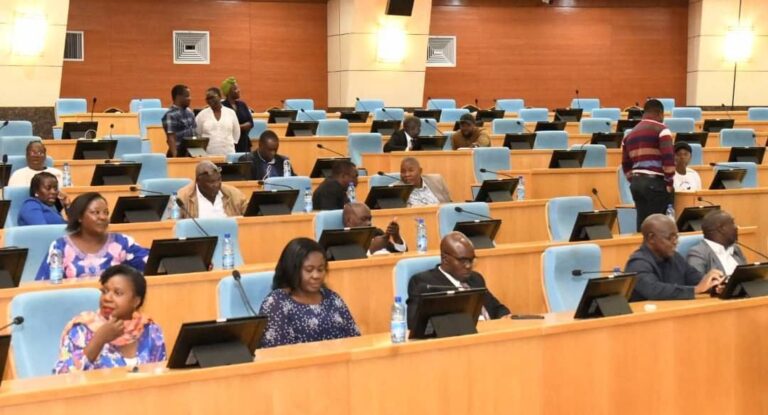
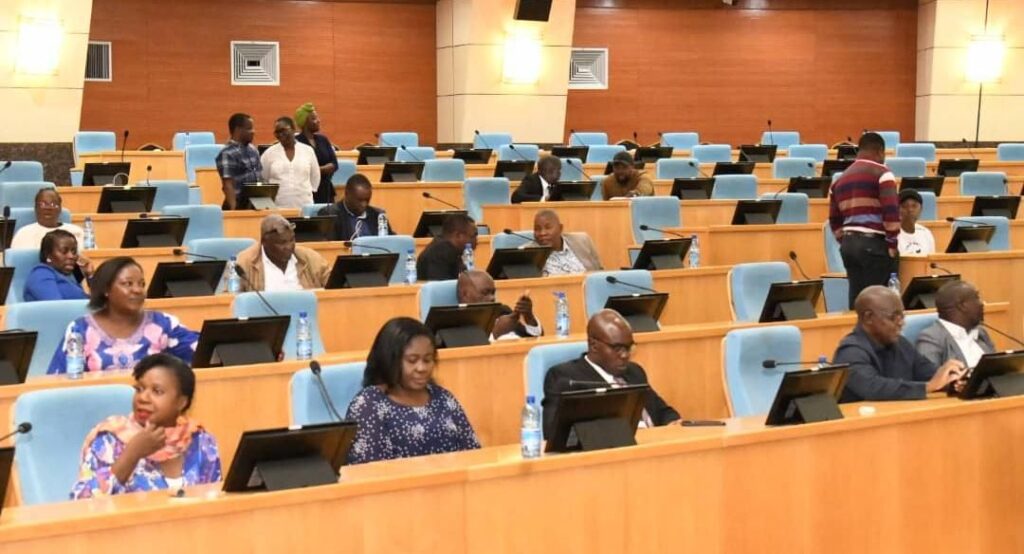
Some Members of Parliament (MPs) in the country have expressed frustration over what they call ‘unreasonable’ demands they get from their constituents.
According to the MPs,the demands range from assisting with opening graveyards, transporting pregnant women to hospitals, and providing food for initiation ceremonies, to financial support for churches during events like Paper Sundays, purchasing coffins, and taking sick individuals to hospitals.
The concerns were raised during an engagement organized by the Centre for Social Accountability and Transparency (CSAT) on the Parliamentary Support Program on Tuesday evening.
Despite these grievances, the MPs acknowledged that the support they provide to their constituents is crucial for securing votes during elections.
They admitted that without such assistance, many MPs would struggle to be re-elected.
Among other lawmakers who spoke on the issue were Thyolo South MP Mabvuto Scott, Salima South MP Christopher Manja, and Lilongwe City South MP Francis Belekanyama.
On his part, CSAT’s Executive Director,Willy Kambwandira, encouraged constituents to continue holding their MPs accountable, arguing that MPs make many promises during campaign time.
MP is the person elected by all those who live in a particular area (constituency) to represent them in Parliament where development and other important issues are discussed and come to exist.