Monday, April 20, 2026
No menu items!
spot_img
Home Blog Page 1041

Malawi Judiciary Prepares for Potential Post-Election Disputes

0

By Burnett Munthali

The Malawi Judiciary has officially announced its readiness to address any post-election disputes that may arise following next year’s elections. Chief Justice Rezine Mzikamanda made this declaration during the launch of the 2024/25 Judiciary Calendar program of events in Blantyre, emphasizing the judiciary’s commitment to maintaining electoral integrity and upholding the rule of law.

In an interview , Chief Justice Mzikamanda revealed that a special committee of judges has been established specifically to handle and expedite the resolution of post-election result disputes. “We are committed to ensuring that any disputes are resolved within the shortest possible time,” Mzikamanda stated, highlighting the judiciary’s proactive approach to electoral challenges.



Mzikamanda also outlined several strategies and mechanisms designed to facilitate the swift handling of court cases. One significant development is the adoption of digitalization within the judiciary, aimed at improving efficiency and accessibility in legal proceedings. “Digitalization will streamline our processes and help us respond quickly to the needs of the public, especially during critical periods like elections,” he added.

The Chief Justice’s remarks come as the nation gears up for elections amidst a backdrop of heightened political tension and scrutiny. The judiciary’s preparedness is seen as crucial in maintaining public confidence in the electoral process and ensuring that any grievances are addressed fairly and promptly.

In conjunction with these developments, Malawi Law Society President Patrick Mpaka urged the government to respect court verdicts, particularly regarding timely payment of fines and compensations ordered by the judiciary. Mpaka expressed concern that the government often delays fulfilling these obligations, which undermines the authority of the courts and the rule of law.

“The government must recognize and honor court decisions, including timely payments to claimants. Delays in compensation can lead to public distrust in our legal system,” Mpaka remarked.

The commencement of the Judiciary Calendar serves not only as a formal start to the judicial year but also as an essential platform for interaction between judges and legal practitioners from both private and public sectors. This event fosters collaboration, sharing of ideas, and discussions on best practices within the legal framework of Malawi.

As the 2024 elections approach, the readiness of the judiciary to manage potential disputes will be closely watched by stakeholders across the political spectrum. The actions taken now could play a pivotal role in shaping the electoral landscape and ensuring a fair and transparent process for all Malawians.


Second Deputy Speaker Aisha Adams Resigns as 2024 UDF Party Convention Chair

0

By Burnett Munthali

In a surprising turn of events, Second Deputy Speaker Aisha Adams has resigned from her position as chairperson of the 2024 United Democratic Front (UDF) party convention. The announcement was made earlier today, sending ripples through the political landscape in Malawi.

Adams, who has served as a prominent figure within the UDF, cited personal reasons for her decision to step down. “It has been a privilege to serve in this capacity, but I believe it is time for me to focus on other priorities,” she stated in a brief press conference following her resignation.

Aisha Adams

Her departure raises questions about the future direction of the UDF as it prepares for the upcoming convention, a critical event that will shape the party’s strategies and candidate selections for the 2025 elections. Adams’ leadership was expected to guide the party through a period of significant political challenges, including internal divisions and the need to re-establish its relevance in the face of fierce competition from rival parties.

Political analysts suggest that her resignation may create a power vacuum within the UDF, with several potential candidates likely to emerge as contenders for the chairperson position. This development could lead to increased factionalism within the party as various groups vie for control.

The UDF leadership is yet to respond officially to Adams’ resignation, but insiders indicate that an emergency meeting will be convened to discuss the implications and next steps for the convention. As the party navigates this unexpected leadership change, party members and supporters are eager to see how it will affect their preparations for the elections.

Adams’ exit from the role of convention chair comes amid growing scrutiny of the UDF’s strategies and public image, prompting calls for a more united front as the party seeks to reclaim its footing in Malawian politics. As the situation unfolds, the UDF must work swiftly to solidify its leadership and regain the trust of its constituents.

Stay tuned for further updates on this developing story as more information becomes available.

NBS Bank Disburses K40 Billion to Boost SMEs and Spur Economic Growth

0


By Burnett Munthali

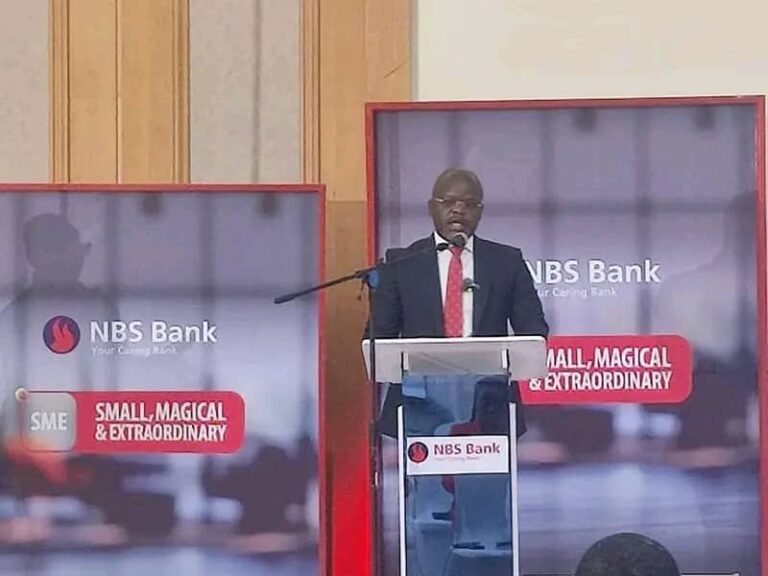
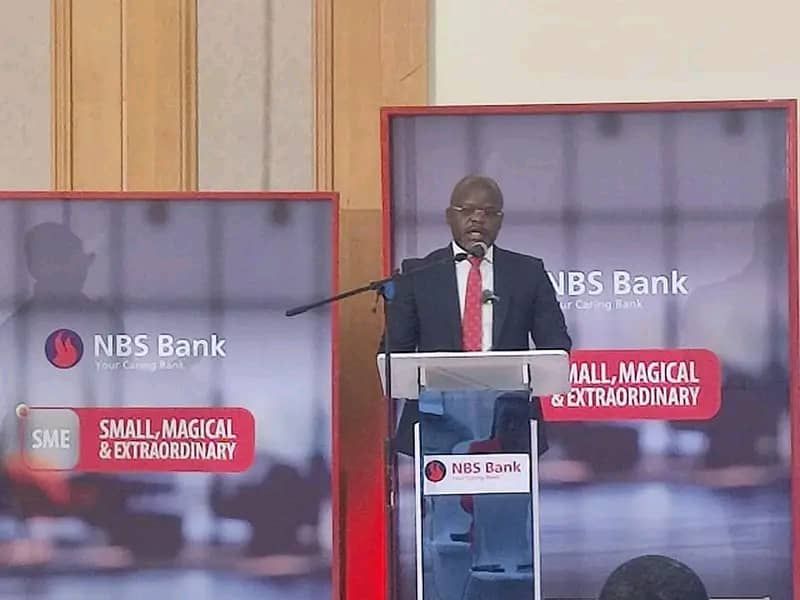
In a major step toward supporting Malawi’s economy, NBS Bank has announced that it has disbursed K40 billion in guarantees and loans to small and medium-sized enterprises (SMEs) in 2024 alone. This move demonstrates the bank’s commitment to driving economic growth by empowering one of the most crucial sectors in the country.

Speaking at an event held at the Bingu International Convention Centre (BICC) in Lilongwe, NBS Chief Wholesale Banking Officer Alfred Nhlema emphasized the significant role SMEs play in Malawi’s economic landscape. “SMEs account for 40 percent of Malawi’s GDP and contribute 40 percent to the country’s workforce,” Nhlema stated, underscoring the vital importance of supporting this sector.

Alfred Nhlema

Nhlema highlighted that NBS Bank’s primary objective is to provide SMEs with the necessary financial tools to grow, create employment, and contribute to the country’s overall economic development. “Our goal is to empower SMEs and enable them to employ more people, pay mortgages, and also pay taxes. In the same spirit of I Care as NBS, we have chosen to change the lives of many through SMEs,” he explained.

The event, which brought together businesspeople from across Malawi’s central region, served as a platform for engaging with SMEs and showcasing the bank’s dedication to fostering entrepreneurship. The K40 billion disbursement in guarantees and loans reflects NBS Bank’s proactive approach to solving financial access challenges faced by SMEs, allowing them to thrive and expand in a competitive market.

With SMEs being an integral part of the Malawian economy, their success is crucial to achieving broader economic growth. NBS Bank’s focus on this sector not only highlights the potential for job creation but also reflects a strategic effort to enhance productivity across multiple industries. Through initiatives like these, NBS Bank is playing a pivotal role in transforming the country’s economic outlook by ensuring that SMEs are well-positioned to succeed.

This financial support is expected to generate long-term benefits, enabling SMEs to scale their operations, contribute to tax revenue, and alleviate unemployment by creating new job opportunities. As more businesses gain access to credit facilities and guarantees, the ripple effect on the economy will be felt across various sectors, from manufacturing and agriculture to retail and services.

In conclusion, NBS Bank’s K40 billion investment in SMEs is not just a financial initiative; it represents a broader commitment to nurturing economic resilience in Malawi. By empowering businesses to grow, the bank is contributing to a more prosperous future, where local enterprises can flourish and play a leading role in shaping the nation’s economy.

BWB awarded top-performing institution in Access to Information Act implementation

0

By Chisomo Phiri

The Malawi Human Rights Commission (MHRC) has awarded the Blantyre Water Board(BWB) as the top-performing institution in 2024, achieving an impressive 95 percent score for its exemplary implementation of the Access to Information Act.

The Pharmacy Medicines Regulatory Authority(PMRA) and the Central Medical Stores Trust(CMST) followed closely, securing second and third places with scores of 93 percent and 90 percent, respectively.

The awards were presented during the Media and Access to Information Annual Conference held in Lilongwe

The awards, introduced last year, aim to encourage institutions to enhance their compliance with the Act and assess the progress made in its implementation.

Other notable winners included the Anti-Corruption Bureau (ACB) and Greenbelt Authority (GBA), both tying for fourth place with 87 percent, followed by the Public Procurement and Disposal of Assets Authority (PPDA) with 85 percent, Roads Fund Administration (RFA) and Reserve Bank of Malawi (RBM), both tying for seventh place with 83 percent, Lilongwe Water Board (LWB) with 78 percent, and Electricity Generation Company (EGENCO) with 77 percent.

Last year, only five institutions were awarded out of 50, whereas this year, over 80 institutions demonstrated some level of compliance, with 28 developing the required information manual.

Landmark Higher Education Overarching Bill Nearing Completion

0


By Elywin Chighali Mhango

In a pivotal development setting the stage for a groundbreaking shift in the higher education landscape, the Ministry of Education is meticulously crafting the final touches on the long-awaited Higher Education Overarching Bill. Marking a crucial turning point, this proposed legislation is poised to revolutionize the educational sector by streamlining operations and instilling a unified framework for all institutions to abide by.

In a recent consultative meeting convened to propel the bill towards its ultimate enactment, Director for Higher Education, Dr. Levis Eneya, standing in for the Secretary for Education, fervently underscored the significance of this legislative milestone. Dr. Eneya emphasized that the imminent act is primed to usher in a new era of coherence and order within the higher education domain, ensuring that every institution operates under a single guiding compass.

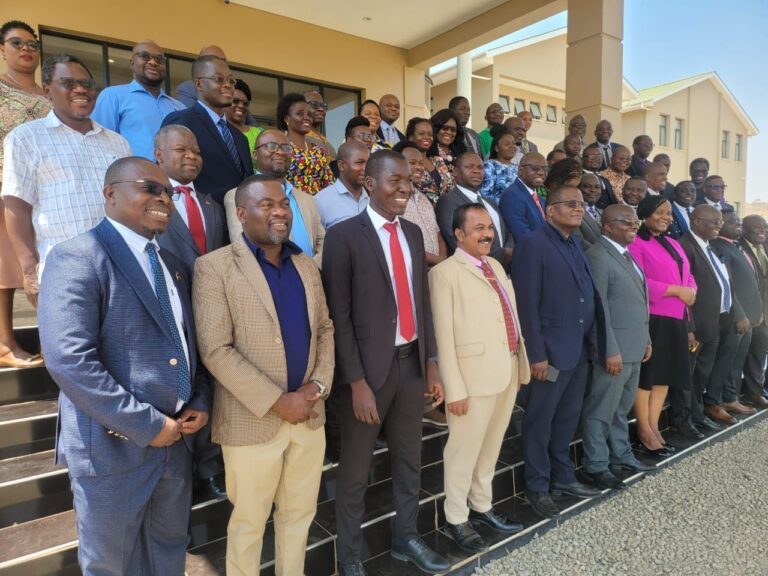
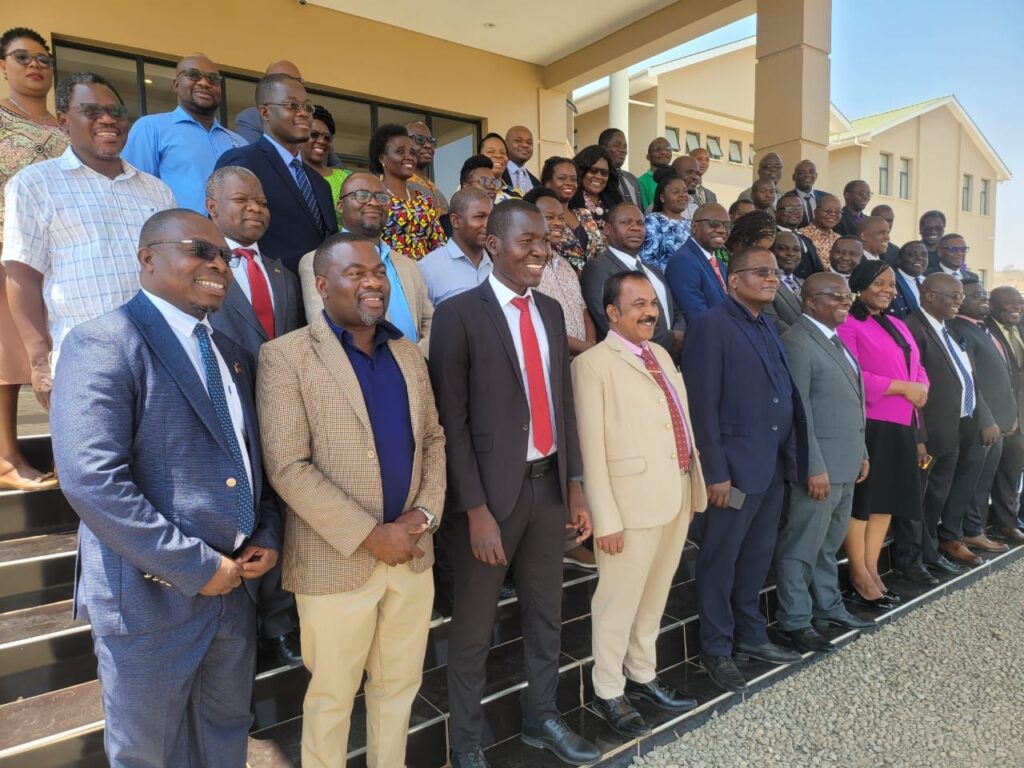
The consultative gathering convened a distinguished array of key stakeholders, including the Higher Education Students’ Loans and Grants Board (HESLGB), the National Council for Higher Education (NCHE), as well as representatives from both public and private universities and colleges. Addressing the assembly, Dr. Eneya articulated that the genesis of the Higher Education Overarching Bill is a response to a pressing need for standardized practices, citing instances where universities have operated without requisite quality benchmarks.


Underlining the directive from the President to fortify educational quality assurance measures, Dr. Eneya reiterated that the bill aims to enforce stringent standards, ensuring that no academic institution commences programs lacking in proper accreditation. The core goal remains to safeguard and enhance the quality of education across the board.

Professor Wales Singini, Chair of Vice Chancellors and Vice Chancellor of Mzuzu University, echoed Dr. Eneya’s sentiments, highlighting the regulatory challenges posed by non-compliant private institutions. He commended the Ministry of Education for championing this landmark initiative, lauding it as a transformative stride towards a standardized and regulated higher education environment. Professor Singini emphasized that public institutions, obedient to the guidelines outlined by the Higher Education Board, exemplify the benefits of a unified regulatory framework.

As the Higher Education Overarching Bill inches closer to realization, anticipation brews within the academic sphere, heralding a new dawn of harmonized standards and fortified educational governance. The stage is set for a paradigm shift in ensuring the quality and integrity of higher education across the nation.