The Democratic Progressive Party (DPP) Women’s Directorate in the Southern Region, led by Maria Mainja, hosted a dynamic and engaging meeting in Neno on Friday, drawing hundreds of women from across the area. The conference, a key event in the party’s electoral strategy, focused on galvanizing support for the DPP ahead of next year’s elections and addressing pressing local challenges.
The meeting served as a critical platform for women to voice their concerns, particularly regarding hunger and transportation difficulties. Mainja assured the attendees that the DPP is committed to addressing these issues, emphasizing the party’s dedication to improving conditions for women in the region.
Maria Mainja
“We are here to support you and ensure that your voices are heard,” Mainja declared, underlining the party’s commitment to tackling the hunger crisis that many participants highlighted as a major concern.
The event also featured the participation of Thoko Tembo, the Member of Parliament for the area, who joined the gathering to show solidarity and support for the women’s causes. In addition to discussing key issues, the DPP Women’s Directorate distributed essential materials to attendees, aiming to provide immediate support and reinforce their ongoing commitment to the region.
This meeting in Neno is part of a broader series of similar conferences held in districts such as Chiradzulu, Blantyre, Phalombe, and Mulanje. These gatherings demonstrate the DPP’s strategic focus on mobilizing women across the Southern Region and rallying them behind the party’s presidential candidate.
The series of conferences reflects the DPP’s effort to consolidate support and showcase their commitment to addressing both electoral and socio-economic challenges facing the country. As the party gears up for the upcoming elections, these meetings are crucial in strengthening their connection with voters and addressing their most pressing concerns.
In recent developments surrounding Malawi’s national football team, the Flames, two of the country’s most esteemed football figures have voiced their concerns and hopes regarding the team’s composition. Former Flames coach Kinnah Phiri and ex-striker Esau Kanyenda, both renowned for their significant contributions to Malawian football, are advocating for the return of forward Frank Gabadinho Mhango to the squad. Their calls come in the wake of the Flames’ disappointing 2-3 home loss, which has intensified scrutiny and debate about the team’s current form and future prospects.
The Flames, under the guidance of coach Patrick Mabedi, have faced challenges in recent matches, culminating in the narrow defeat at home that left fans and analysts questioning the team’s strategy and player selections. Mhango, a key player in the past, has been notably absent from the squad, a situation that has sparked significant discussion among football enthusiasts and experts.
Gaba
Kinnah Phiri, a legend in Malawian football known for his tactical acumen and leadership, alongside Esau Kanyenda, celebrated for his goal-scoring prowess, have both expressed their views publicly. They argue that Mhango’s return could be crucial for revitalizing the Flames’ attacking strength and overall performance. Phiri, in particular, highlighted Mhango’s experience and skill as vital assets that could benefit the team, suggesting that his inclusion might offer the tactical advantage needed to reverse recent setbacks.
Kanyenda echoed similar sentiments, stressing Mhango’s ability to make a significant impact on the field. His call for reconciliation between Mhango and the current coaching staff is driven by a belief in the forward’s potential to contribute positively to the squad’s dynamics and morale.
For Coach Patrick Mabedi, the task at hand involves navigating both team dynamics and fan expectations. The decision to reintegrate Mhango would not only impact the tactical setup but also the broader team cohesion. Balancing these factors while addressing the concerns raised by Phiri and Kanyenda poses a significant challenge.
The calls from Phiri and Kanyenda underscore a broader sentiment within Malawian football: the need for unity and strategic adjustments in the face of competitive challenges. As the Flames look to bounce back from their recent loss, the potential return of Mhango could serve as a catalyst for positive change.
In conclusion, the suggestions from these football legends highlight the importance of leveraging experienced players to enhance team performance. Whether Coach Mabedi will heed these calls and reintegrate Gabadinho Mhango remains to be seen, but the discussion reflects a shared desire for the Flames to regain their footing and achieve success on the international stage.
The recent discovery of high-quality battery-grade graphite at the Kasiya project in Malawi has sparked excitement, not only for the country’s economic prospects but also for the global battery industry. As the demand for sustainable energy storage solutions grows, graphite, a key component in lithium-ion batteries, has become a critical mineral. Analysts believe this development could be transformative for both Malawi and the international market.
Graphite plays a crucial role in the production of batteries, particularly for electric vehicles (EVs) and renewable energy storage systems. The global shift toward greener technologies has seen an exponential rise in demand for materials that support energy storage, and graphite is essential for battery anodes. With the electric vehicle market projected to grow rapidly over the next decade, the demand for high-quality graphite is expected to surge.
Kasiya’s discovery places Malawi in a strategic position to become a key player in supplying this vital resource. The quality of the graphite found at Kasiya is reportedly suitable for use in lithium-ion batteries, making it highly sought after by manufacturers globally.
For Malawi, the Kasiya graphite project represents an opportunity to diversify its economy and reduce reliance on traditional exports like tobacco. The mining sector, which is relatively underdeveloped in the country, could experience significant growth, with graphite potentially becoming one of the nation’s leading exports. Increased mining activities at Kasiya could lead to job creation, improved infrastructure, and investment inflows, boosting the country’s overall economic development.
Moreover, Malawi could establish itself as a reliable supplier of a critical mineral for the global energy transition, enhancing its geopolitical relevance. This shift could attract foreign direct investment and lead to the development of complementary industries, including processing plants and technology-related infrastructure.
While the economic benefits of the Kasiya graphite project are promising, there are concerns about the environmental and social impacts of large-scale mining. The mining industry has been historically linked to environmental degradation, and the extraction of minerals like graphite could disrupt local ecosystems if not managed responsibly. However, with the growing emphasis on sustainable mining practices, Malawi has an opportunity to implement strict environmental regulations that ensure the project’s long-term viability.
From a social perspective, the influx of investment and job opportunities could improve the livelihoods of many Malawians, particularly in regions near the mining site. However, there is also the potential for displacement of communities and disruptions to local farming activities, which need to be carefully managed.
The Kasiya graphite discovery could position Malawi as a major player in the global green energy supply chain. As countries transition to electric vehicles and renewable energy, the demand for reliable sources of battery materials will continue to grow. If managed effectively, the Kasiya project could make Malawi a key supplier of battery-grade graphite, increasing its influence in international markets.
The timing of this discovery is particularly significant as nations worldwide are prioritizing the localization of battery production and the development of renewable energy systems. By leveraging this opportunity, Malawi could strengthen trade partnerships and build alliances with major economies invested in the energy transition.
In conclusion, the high-quality battery graphite found at Kasiya is a potential game-changer for both Malawi and the global battery industry. For Malawi, the project offers a chance to diversify its economy, create jobs, and strengthen its position on the global stage. For the battery industry, it represents a new, reliable source of a critical mineral essential for the transition to green energy. However, the environmental and social implications must be carefully managed to ensure that the benefits of this project are maximized for all stakeholders. If executed properly, Kasiya could play a pivotal role in powering the global shift towards a more sustainable future.
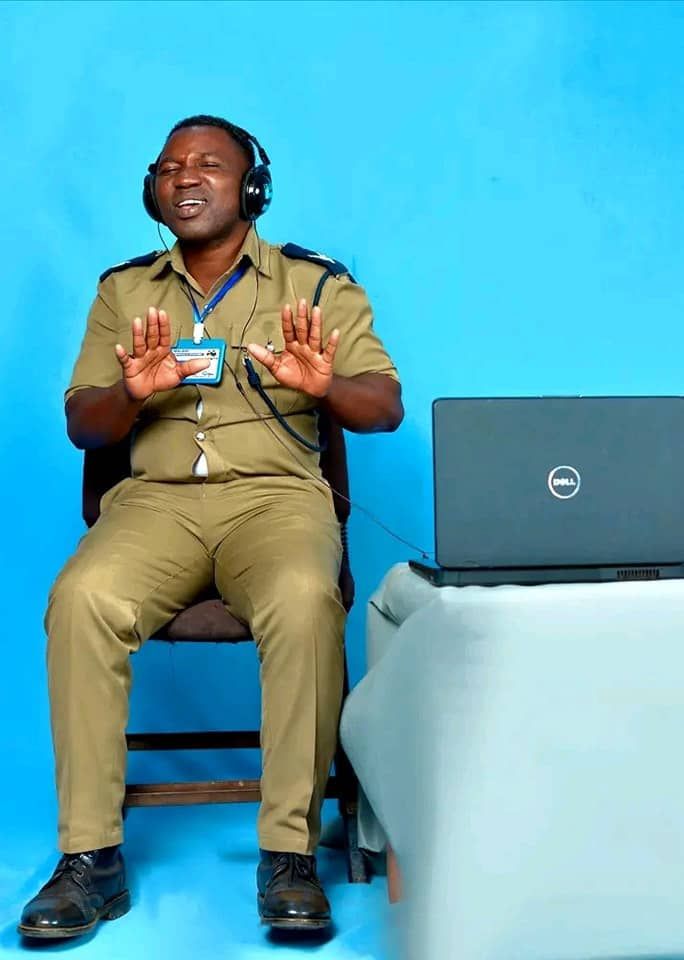
The incident involving Sergeant Cassim Manda’s children, who sought refuge at a mosque following the storming of their residence by heavily armed police officers, is more than a mere eviction. It touches on deeper political, personal, and institutional issues within Malawi. The narrative raises serious concerns about political interference in state institutions, the welfare of police officers, and the growing tension between the state and its agents.
The claim that Sergeant Manda’s transfer from Lilongwe to the Fort Maguire border post was politically motivated underscores the intersection of politics and policing in Malawi. If true, this suggests that police officers, who should ideally serve the state impartially, are increasingly vulnerable to political manipulations.
Manda
Transfers in civil service are typically seen as routine administrative processes, but when done improperly or perceived as punitive, they become highly contentious. In Manda’s case, the family asserts that the transfer was executed outside of proper procedure, raising questions about transparency in the system. The timing of the transfer, coinciding with rumors of Manda’s attendance at a political convention, deepens suspicions of political retaliation.
The forced refuge of Manda’s children at the Area 18 Mosque is a disturbing aspect of the incident. While the police presence at the family’s home is concerning enough, the fact that the children were compelled to flee for safety reveals a significant failure in protecting the welfare of officers’ families. In any lawful democracy, the family of a public servant should not face intimidation or fear for their safety, let alone be subjected to threats of eviction. The situation not only violates the rights of Sergeant Manda’s children but also paints a grim picture of the state’s handling of internal disputes.
Institutional Autonomy in Question
Another critical dimension of this incident is the use of force by police officers against one of their own. The police force is meant to uphold law and order, and when officers use their powers to intimidate fellow officers, it signals a troubling collapse in institutional cohesion and autonomy. The involvement of armed units from A and C divisions in such a sensitive family matter raises concerns about internal discipline and the politicization of Malawi’s law enforcement system.
The family’s decision to file a complaint with the Ombudsman reflects a strong stand for justice, but it also highlights a worrying reality: that such grievances need to be addressed by external bodies because they may not be handled fairly within the police force itself. This reliance on external avenues for justice underscores the perception that Malawi’s police institutions may be compromised.
Religious Institutions as Safe Havens
The decision by Manda’s children to seek refuge at a mosque also speaks volumes about the role of religious institutions as sanctuaries in times of conflict. Mosques, churches, and other places of worship have long been seen as neutral, safe spaces in Malawi. The Area 18 Mosque provided protection not only physically but also spiritually, with the children spending their time in prayer. This incident reflects the continued trust that communities place in religious institutions as places of refuge, even when other societal structures, like the police, fail them.
Conclusion: A Need for Reform and Accountability
Sergeant Manda’s situation highlights urgent issues within Malawi’s police force, particularly regarding transparency, political interference, and institutional cohesion. If transfers continue to be seen as tools for political retribution, it will lead to further demoralization within the force and an erosion of trust in public institutions. This incident also brings into focus the importance of safeguarding the rights and well-being of officers and their families, who should not be collateral damage in political conflicts.
Moving forward, there is a need for greater accountability and transparency in how decisions are made within the police force. The involvement of the Ombudsman is a positive step, but broader reforms are needed to ensure that political considerations do not interfere with the duties of law enforcement. Lastly, the protection and welfare of police officers’ families must become a priority to prevent incidents like these from recurring.
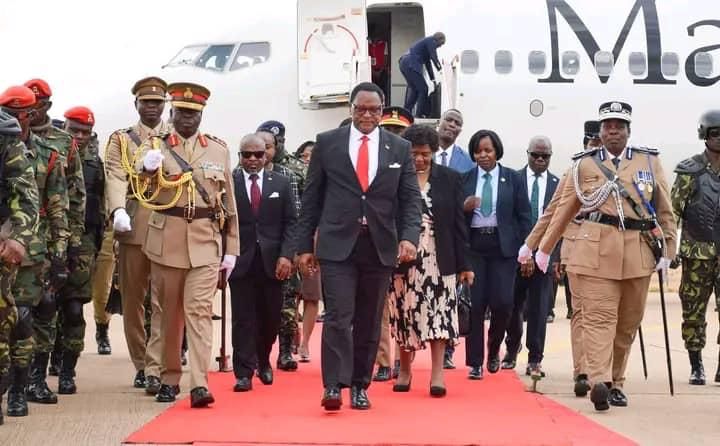
President Dr. Lazarus Chakwera has arrived in the country from China, where he attended the Forum on China-Africa Cooperation Summit in Beijing.
Addressing the media at Chileka International Airport in Blantyre, Chakwera expressed satisfaction with the outcomes of his visit, highlighting the negotiation of several trade deals with China and other participating countries.
Chakwera back from China
The President revealed that the trip yielded significant benefits for Malawi, including the signing of a $200 million agreement for the construction of a judicial complex in Lilongwe and the reduction of export duty on agricultural produce.
“I am pleased to announce that we have secured two major deals: a grant for the construction of a court complex in Lilongwe and the exemption of most crop produce from export duty.
“This milestone is crucial for our farmers, who now have access to a readily available market in China, aligning with the Malawi 2063 Agenda’s focus on agriculture, tourism, and manufacturing,” said Chakwera.
Upon arrival at the airport, the Malawi leader was warmly welcomed by senior government officials, traditional leaders, and political leaders.
Notable dignitaries included Vice President Dr. Michael Usi, Deputy SPC Janet Banda, Army Commander Major Valentino Phiri, Inspector General of Malawi Police Service Marylene Yolamu, and Minister of Education Madalitso Kambauwa Wirima.
During his stay in the southern region, President Chakwera is scheduled to inspect development projects in Nsanje and Chikwawa districts, among other engagements.