Sunday, April 5, 2026
No menu items!
spot_img
Home Blog Page 1074

Blantyre City East MP John Bande departs from MCP ahead of 2025 elections

0


By Burnett Munthali

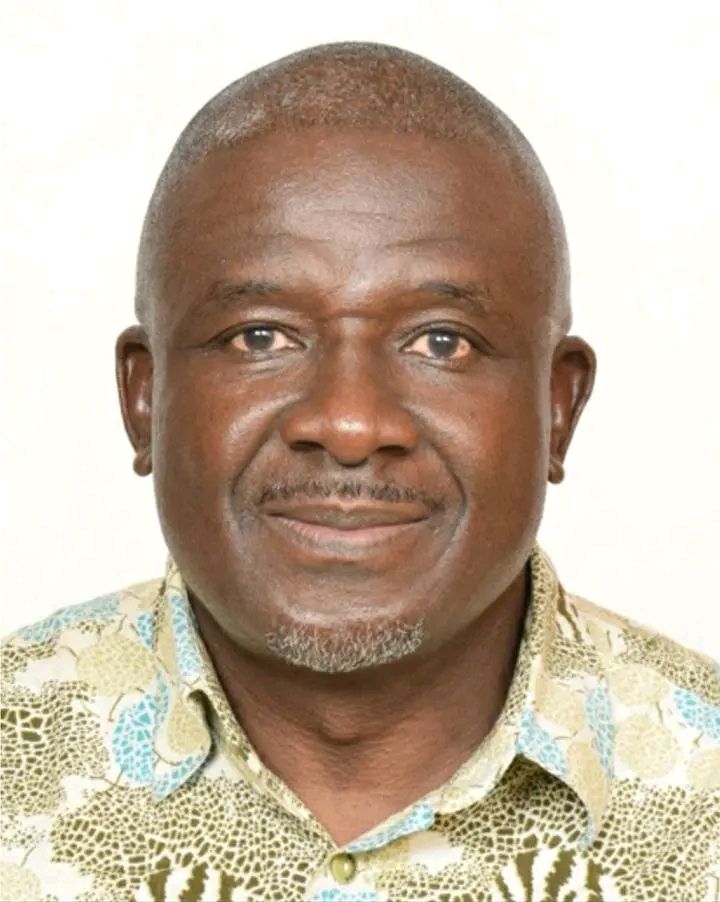
In a significant political development, Blantyre City East Member of Parliament (MP) John Bande has announced his departure from the ruling Malawi Congress Party (MCP). This move comes at a crucial juncture as Malawi prepares for the 2025 elections, raising questions about the potential impact on the country’s political landscape.

Bande’s exit from the MCP, a party that has been a dominant force in Malawian politics under President Lazarus Chakwera, represents a notable shift. The reasons for his departure have not been fully disclosed, but such decisions often stem from internal disagreements, strategic realignments, or dissatisfaction with party leadership and policies.
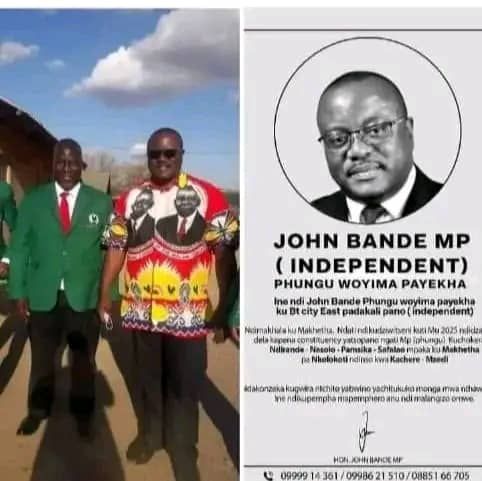
Bande

As an influential MP representing Blantyre City East, Bande’s departure could influence local and national political dynamics. His exit may affect the MCP’s electoral prospects in his constituency and could potentially sway voter sentiment. The MCP, which has been at the helm of Malawian politics, will now need to navigate this development as it solidifies its strategy for the upcoming elections.

The broader implications of Bande’s departure remain to be seen, but it is clear that this move adds another layer of complexity to the political scene in Malawi as the country approaches the 2025 elections.
Mwakasungula hails progress in Chilima plane crash Investigation

0

By Chisomo Phiri

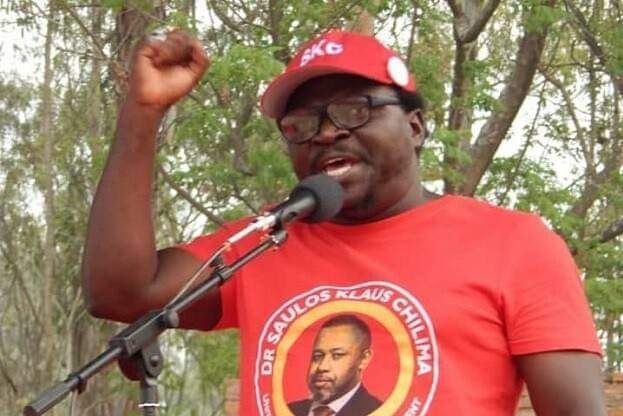
The Governance and Human Rights Advocate, Undule Mwakasungula, says the findings outlined in the interim report by the German Federal Bureau of Aircraft Accident Investigation (BFU) on the tragic plane crash that killed the late Vice President Saulos Chilima and eight others represent progress in the ongoing investigation.

In a statement seen by 247 Malawi News, Mwakasungula says the nation should acknowledge and appreciate the efforts of the investigators and remain hopeful that the final report will provide comprehensive answers.

Mwakasungula

“However, it is very unfortunate that many Malawians have been commenting on the interim report with preconceived opinions.

“While it is natural to seek answers and justice in the face of such a tragedy, the proliferation of uninformed opinions and premature conclusions has contributed to further confusion, anger, hatred, and divisions within our nation,” says Mwakasungula.

He further observes that the call for a Commission of Inquiry by some quarters would be an unnecessary expenditure of taxpayers’ money.

Recently, UTM officials and the Center for Democracy and Economic Development Initiatives (CDEDI) called for the establishment of a Commission of Inquiry to investigate the plane crash, noting that the interim report by German experts has failed to address crucial areas.

The plane crash happened on June 10,2024, in Chikangawa Forest in Mzimba.

Kalindo  wants Mary Chilima to lead UTM

0


By Vincent Gunde

Political activist Bon Kalindo has pleaded with the departed Vice President Dr. Saulosi Chilima’s family to think twice and come back to their senses to let Mrs. Mary Chilima take over the leadership of the UTM for Chilima’s legacy to be honored by the generations to come.

Kalindo has observed that after the death of Dr. Chilima, those who did not love him and allowed him to freeze cold in the Chikangawa forest suspending the searching team to regroup and come back the following day at 06;00 A.M to continue their searching operation, are claiming to run for presidency of the party.

Kalindo

He said looking at those that will compete for presidency title in the UTMs elective convention, there is none who can honor Chilima’s legacy to attract the youth joining the party in osaopa, osafooka slogan, saying all are there just to sell their names.

Speaking through an audio clip circulating in various social media platforms, Kalindo said in Mary Chilima, there is sound leadership claiming that Dr. Saulosi Chilima was delivering his plans and behind him, was Mary Chilima.

Kalindo has asked Dr. Chilima’s family to open their eyes with the events happening in the MCP saying no one expected that MCP cloth would have a face of President Dr. Lazarus Chakwera and that of the late Mohammad Sidik Mia.

He said after Kamuzu, the MCP maintained the face of Ngwazi Dr. Hastings Kamuzu Banda on its cloth, John Tembo and Gwanda Chakuamba Phiri did not think of changing the face of Kamuzu with theirs, but the coming in of Dr. Chakwera has come with the difference.

The activist said those that did not forget the name of Kamuzu have now forgotten him through some one’s face on MCP cloth saying this also will happen with the UTM for Dr. Saulosi Chilima’s name to be forgotten in the political history of the country.

He has asked Malawians to imagine that Mrs. Mary Chilima, Atupele Muluzi, Professor Arthur Peter Mutharika and Enock Chihana, all women regardless of political party affiliations will go for Mrs. Mary Chilima for presidency.

“If Mrs. Mary Chilima can stand for UTM Presidency in the 2025 elections, the political landscape will wear a new face and this will attract many Malawians to join hands in voting for her to honor Chilima’s legacy in Malawi,” said Kalindo.

He has finally advised opposition parties UDF, UTM, AFORD and DPP to organize a round-table discussions for the way forward ahead of the 2025 elections so that the MCP remain with power of vote rigging and not people voting for it.

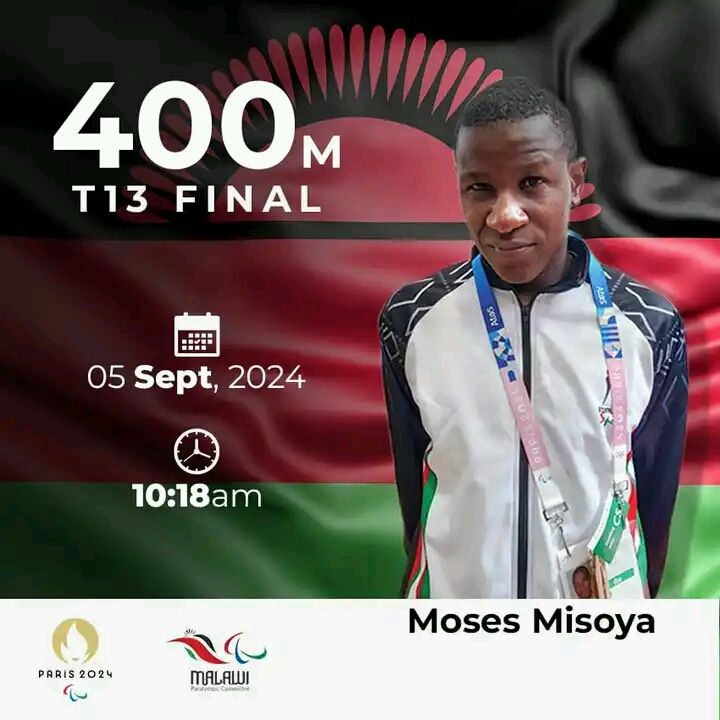
Malawi’s Moses Misoya Shines at Paris 2024 Olympics, Finishes 8th in T13 400m Race

0


By Twink Jones Gadama

Malawi’s para athlete Moses Misoya made his mark on the global stage, finishing 8th in the T13 400m race at the Paris 2024 Olympic Games.

The 19-year-old, one of the youngest contestants in the field, clocked a personal best time of 54:27 seconds, beating his previous record of 55:00 seconds.

Misoya’s impressive performance has sent a strong message that Malawi is a force to be reckoned with in para athletics.


According to James Chiutsi, President of the Malawi Paralympic Committee, Misoya’s achievement is a testament to the country’s growing talent and investment in para sports.

“Moses’s record has improved significantly, and this shows that we are on the right track in building a strong team for the next Paralympic Games in Los Angeles in 2028,” Chiutsi said.

The T13 400m race featured a talented field of athletes with visual impairments, ranging in age from 19 to 33 years.

Misoya’s finish among the top 8 is a remarkable achievement, considering his age and the level of competition.

Misoya’s journey to the Paris Olympics is an inspiring one.

Born with a visual impairment, he discovered his passion for athletics at a young age.

With the support of his family and coaches, he has worked tirelessly to hone his skills and represent Malawi on the global stage.

The Malawi Paralympic Committee has been instrumental in Misoya’s development, providing training and resources to help him reach his full potential.

The committee’s efforts have paid off, with Misoya’s performance in Paris showcasing the country’s growing prowess in para athletics.

As Malawi looks to the future, Misoya’s achievement serves as a beacon of hope for aspiring para athletes.

His dedication and perseverance demonstrate that with hard work and support, anything is possible.

Moses Misoya’s 8th-place finish in the T13 400m race at the Paris 2024 Olympics is a remarkable achievement for Malawi.

His personal best time and improved record demonstrate the country’s growing talent and investment in para athletics.

As Malawi builds towards the next Paralympic Games in Los Angeles, Misoya’s performance serves as a shining example of what can be achieved with dedication and support.

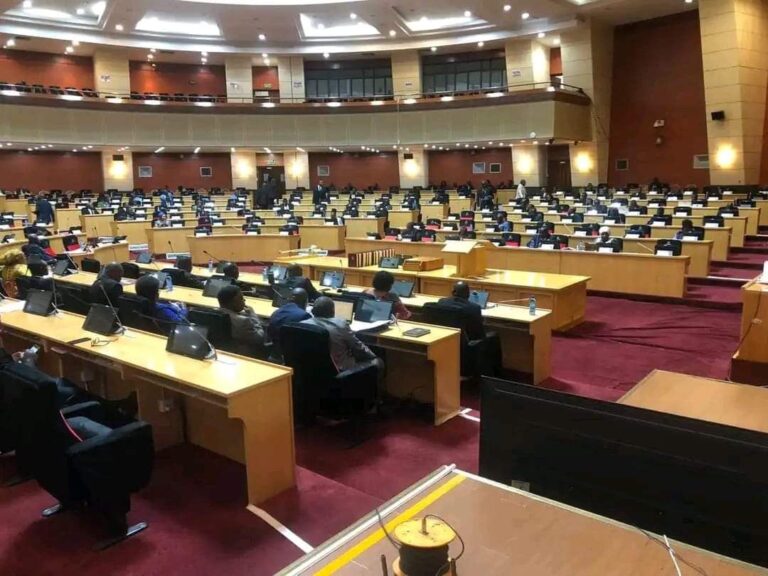
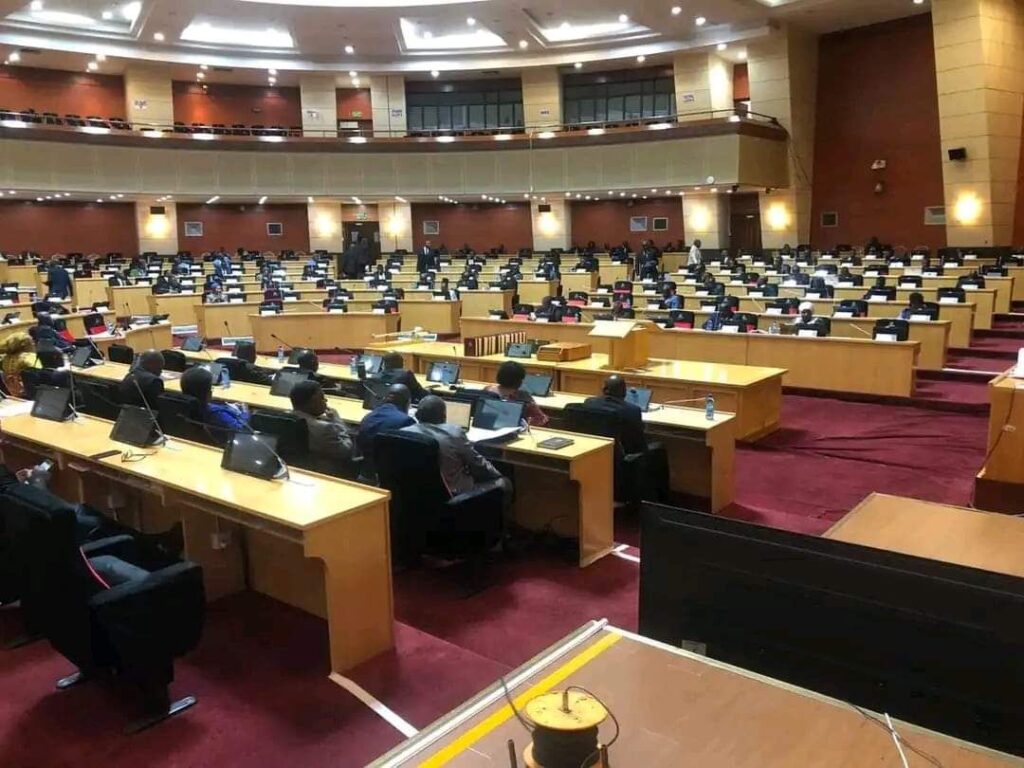
Interpreting the low turnout of lawmakers in Malawi Parliament: Implications for taxpayers and constituencies

By Burnett Munthali

The recent low turnout of lawmakers in Malawi’s Parliament has prompted significant scrutiny and concern. This absenteeism not only raises questions about the effective use of taxpayer money but also impacts the constituencies represented by these absent members.

The low attendance of lawmakers in Parliament represents a critical issue concerning the efficient use of public funds. Taxpayers invest substantial resources into parliamentary operations, including salaries, allowances, and administrative costs. When legislators are frequently absent, this investment yields minimal returns in terms of legislative productivity and governance outcomes. The perception that taxpayer money is being wasted due to unproductive sessions and lack of legislative progress further exacerbates public frustration.

The absence of lawmakers from parliamentary sessions has direct repercussions on their constituencies. Elected representatives are entrusted with advocating for their constituents’ needs, addressing local issues, and facilitating development projects. When MPs are not present or engaged, constituencies lose out on essential advocacy and support. This disconnect can result in delayed or overlooked projects and insufficient representation of local concerns at the national level.

Frequent absences undermine the accountability and trust that are fundamental to democratic governance. Constituents expect their representatives to actively participate in parliamentary duties and work diligently on their behalf. The perception of MPs as disengaged or uncommitted can erode public confidence in both the legislative process and the political system as a whole.

Several factors may contribute to lawmakers’ low turnout. These include personal and professional commitments, dissatisfaction with parliamentary proceedings, or a lack of motivation. Understanding and addressing these underlying issues is crucial for improving attendance and ensuring that MPs fulfill their legislative responsibilities.

To address the issue of low attendance, several measures could be considered:

Firstly, implementing stricter attendance rules and penalties for non-compliance could encourage lawmakers to prioritize their parliamentary duties.

Secondly, strengthening communication between MPs and their constituents can help ensure that representatives remain accountable and responsive.

Thirdly, providing support mechanisms and incentives for active participation could boost engagement and commitment among lawmakers.

In conclusion, the low turnout of lawmakers in Malawi’s Parliament highlights critical concerns regarding the use of taxpayer money and the effective representation of constituencies. Addressing this issue is vital for enhancing the functionality of Parliament and ensuring that elected officials remain committed to their responsibilities. As Malawi moves forward, improving legislative attendance and accountability will be essential for fostering trust in the democratic process and achieving meaningful governance outcomes.