

Monday, April 6, 2026
No menu items!
spot_img
Home Blog Page 1079

Poland Unveils New Long-Range Suicide Drone Capable of Reaching Moscow

By Burnett Munthali

In a significant development that could reshape the dynamics of regional security, Poland today unveiled its latest military innovation—the Warmate-50, a long-range suicide drone. Developed by WB Group, a leading Polish defense contractor, this cutting-edge drone boasts a range of over 1,000 kilometers and can carry a payload exceeding 50 kilograms.

The Warmate-50’s capabilities position it as a formidable asset in modern warfare, with the potential to deliver precision strikes deep into enemy territory. The drone’s range is particularly notable, as it can reach Moscow from Ukrainian soil, a fact that underscores the escalating tensions and the strategic implications for both Eastern Europe and Russia.


LPolish officials have not disclosed the specific operational plans for the Warmate-50, but its unveiling comes at a time of heightened military activity and concerns over the security situation in Eastern Europe. The ability to deploy a drone with such a long range and payload capacity offers new tactical options, potentially altering the balance of power in the region.

WB Group, known for its advanced defense technologies, has highlighted the Warmate-50’s versatility and effectiveness in a variety of combat scenarios. The drone is designed for kamikaze-style missions, where it can be flown directly into high-value targets, delivering its payload with devastating impact.

As the situation in Ukraine continues to unfold, the introduction of the Warmate-50 adds a new dimension to the conflict, potentially raising the stakes for all parties involved. While it remains to be seen how this new capability will be utilized, the mere possibility of a drone strike reaching the heart of Russia from neighboring territory is likely to draw significant attention and concern from global powers.

The unveiling of the Warmate-50 is expected to prompt discussions within NATO and other international defense circles about the implications of such technology on regional stability and the future of warfare.
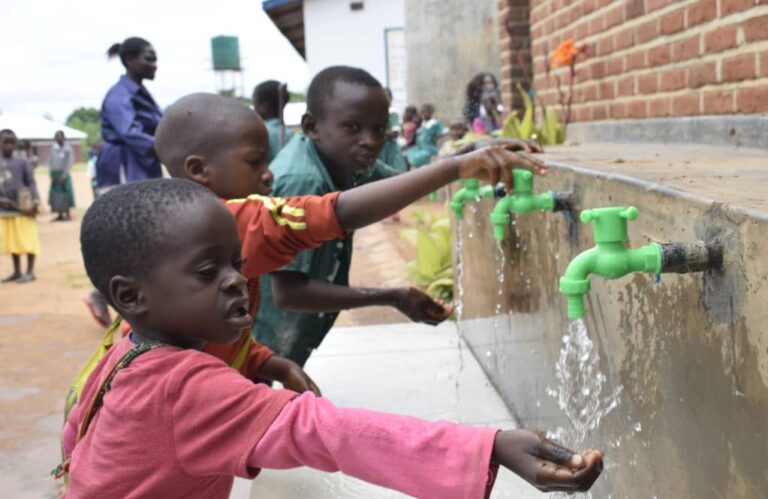
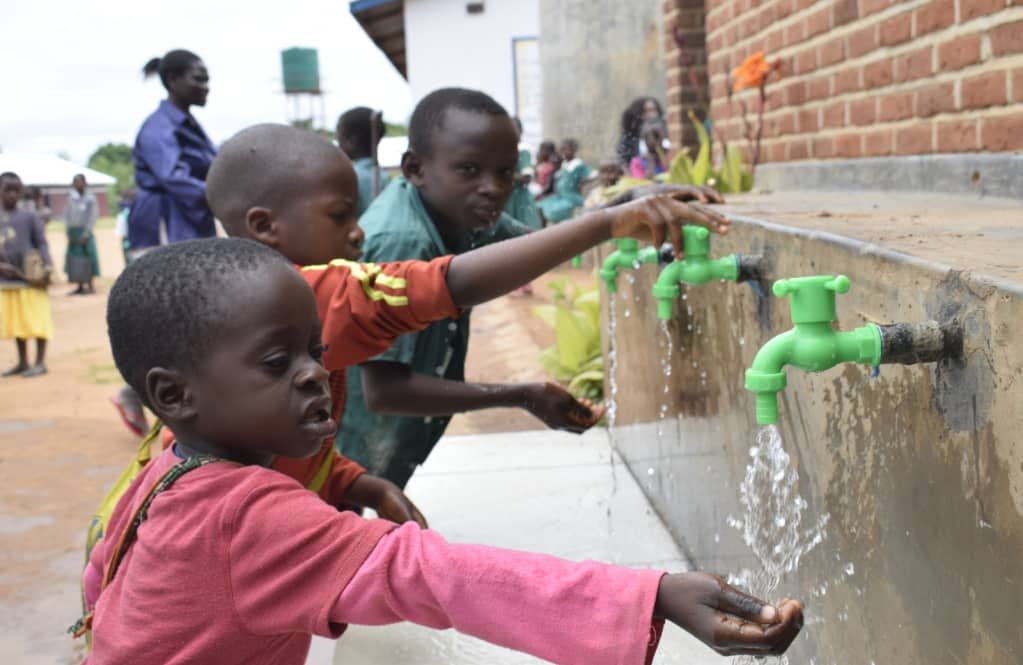
Water tariffs increase again: Consumers cry foul amid economic struggles

0

By Burnett Munthali

In yet another blow to Malawian households, water tariffs have been increased once more, sparking outrage among consumers already grappling with the rising cost of living. The latest hike, which comes on the heels of previous increments, has been met with strong opposition, particularly from low-income earners and small business owners who argue that the new rates are unaffordable.

Many consumers have expressed frustration and anger over the repeated increases in water tariffs. “We’re already struggling to make ends meet,” said one resident of Blantyre. “With food prices going up, electricity bills soaring, and now water becoming more expensive, it’s getting harder to survive. How are we supposed to manage?”

Small business owners, who rely heavily on water for their daily operations, have also voiced their concerns. “This increase is a big problem for us,” explained a local launderette owner. “We can’t just pass on all these costs to our customers; they’ll go elsewhere. But if we absorb the costs, we might not stay in business.”

In response to the backlash, the government has assured the public that low-income earners will be spared from the full impact of the tariff hike. According to a statement from the Ministry of Water and Sanitation, measures have been put in place to ensure that the most vulnerable households are protected from excessive costs.

“The government recognizes the financial pressures that many Malawians are facing,” the statement read. “That is why we have introduced a tiered tariff system where those in lower-income brackets will not experience the same percentage increase as higher-income households and commercial users.”

The water boards have justified the tariff increase by citing rising operational costs, including the price of chemicals for water treatment, electricity, and the maintenance of aging infrastructure. “These costs have gone up significantly, and in order to maintain the quality and reliability of water supply, we have no choice but to adjust tariffs,” said a spokesperson for one of the water boards.

However, this explanation has done little to calm the fears of ordinary Malawians, who feel that their voices are not being heard. Civil society organizations have also weighed in, calling for greater transparency and accountability in how water tariffs are determined and implemented.

As the debate over water tariffs continues, many Malawians are left wondering what the future holds. With inflation showing no signs of slowing down, and basic necessities becoming increasingly expensive, the burden on households is only set to grow.

For now, consumers are calling on the government to reconsider the latest increase and find alternative solutions that do not further strain already stretched budgets. Whether these calls will be heeded remains to be seen, but one thing is certain: the cost of living in Malawi is becoming a major concern for its citizens.

Agriculture Minister Kawale assures Malawians of food security

0

By Staff Reporter

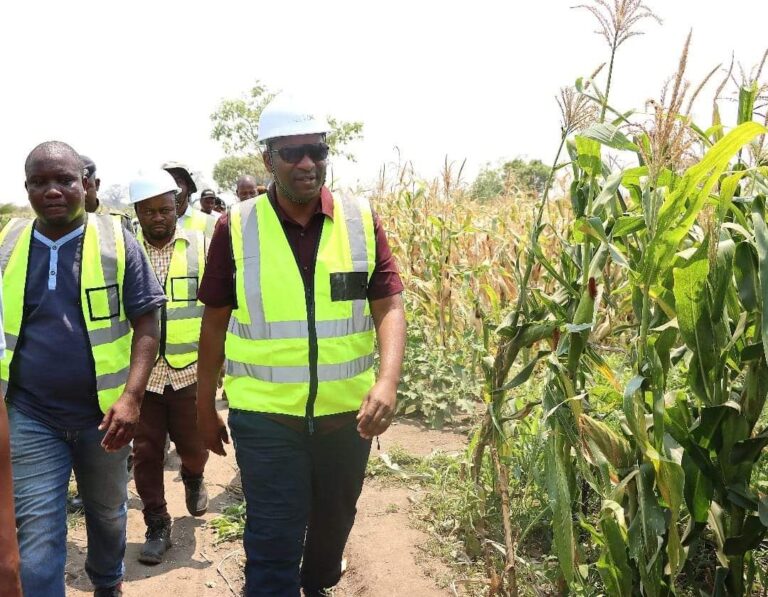
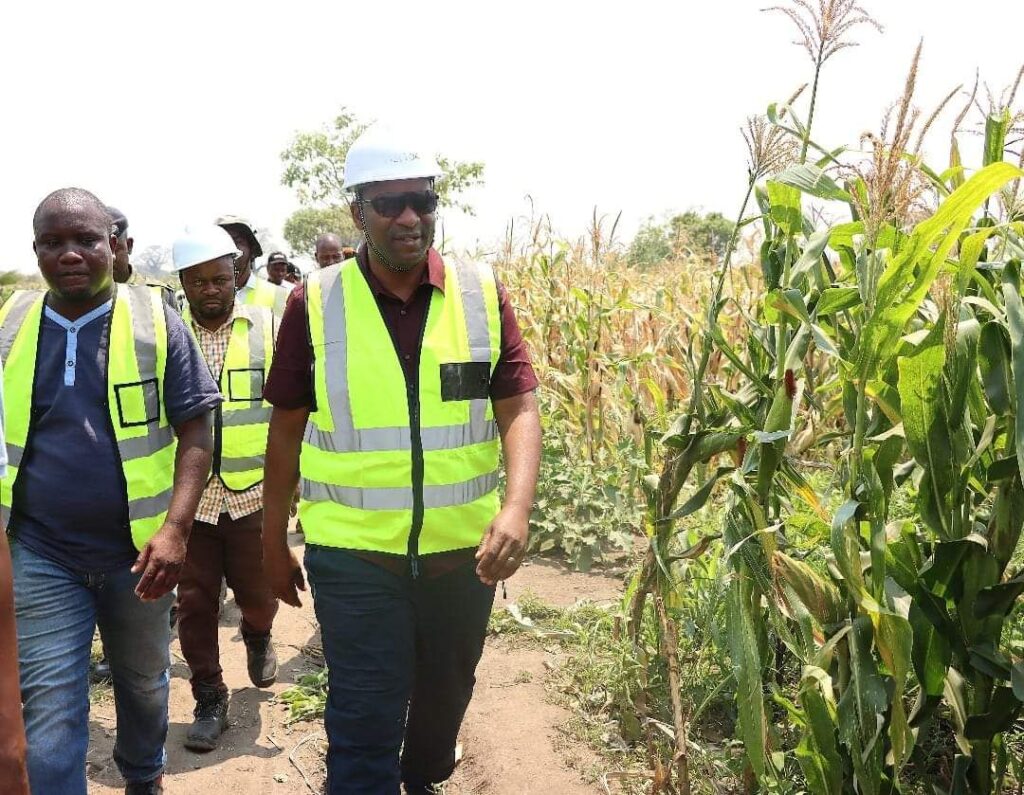
Minister of Agriculture Sam Kawale has reassured Malawians that the government is dedicated in ensuring food security despite concerns of hunger in the country caused by the impact of El Nino and erratic rainfall.

During his statement in  Parliament in Lilongwe on Tuesday,  Kawale emphasised that government, through the National Food Reserve Agency (NFRA) is storing 35,000 metric tonnes of maize.

Sam Kawale

He stated that this supply is crucial for maintaining the Strategic Grain Reserve, which will be utilised to saying the maize will address the food security challenges faced by vulnerable communities.

He said the maize will also stabilise the market during price fluctuations.

Furthermore, he mentioned that ADMARC currently holds 31,000 metric tons of maize for direct sale to the public, particularly in areas with limited food access, in order to stabilize prices.

ADMARC’s role in ensuring affordable maize for Malawians, especially in food-insecure regions, remains pivotal.

Kawale also announced that the government has secured an additional MK10 billion in funding to procure more maize to meet the existing and anticipated demand.

“The procurement process is currently ongoing, with a focus on acquiring local and regional maize to adequately replenish our stocks before the lean season,”Kawale stated.

Additionally, he outlined that the Malawi Vulnerability Assessment Committee (MVAC) has evaluated the food security situation and identified approximately 5.7 million people across the country who are food insecure. This alarming statistic represents a significant portion of the population requiring immediate food assistance to combat hunger and malnutrition.

“The MVAC estimates that these food-insecure households will require 261,574.29 metric tonnes of maize to fulfill their food needs throughout the programme, including in-kind food distributions

We are also exploring further imports and alternative strategies to bolster our reserves and through the winter production whereby NFRA will off-take maize from some commercial farmers with over USD 6.8 million already secured” said kawale

Chakwera apeza ndalama zomangira likulu la ntchito za mabwalo

0

Wolemba: Linda Kwanjana

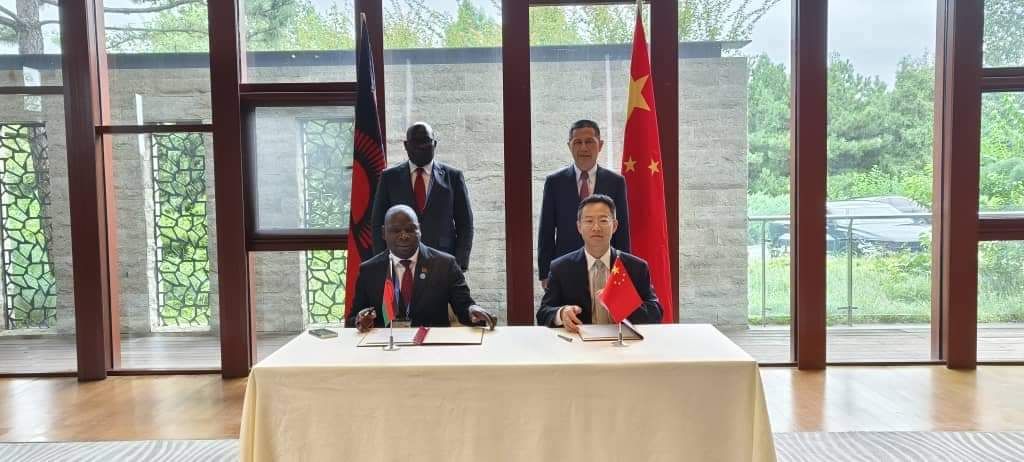
Boma la Malawi ndi boma la China lachiwili pa 4 September, 2024 lasaina mgwirizano wa ndalama pafupifupi MK50 billion zomwe zithandizile pa ntchito yomanga likulu la ntchito za mabwalo m’dziko muno.

Nduna ya zachuma a Simplex Chithyola Banda ndi omwe asaina ngwilizanowu m’malo mwa boma la Malawi ndipo a Chithyola ati izi zili ngati mphatso yapadela yomwe boma la China lapeleka kwa anthu a dziko la Malawi.

Ndunayi inaonjezeranso kuti thandizoli lithandiza kuonjezera kudzukanso kwa dziko la Malawi.

Nduna ya zachuma Simplex Chithyola Ku China


Poyakhula atasaina ngwilizanowu a Chithyola anati mtsogoleli wa dziko la China a Xi JinPing anauza mtsogoleli wa dziko lino Dr Lazarus Chakwera za thandizoli pa mkumano omwe anali nawo lachiwili m’mawa.

“Ndili okondwa kusaina ngwilizanowu m’malo mwa a Malawi, zomwe zithandizile kuti a mabwalo anthu adzitha kugwila ntchito m’malo abwino kuphatikizapo malo oweluzila milandu zomwe ndi khani yabwino.

“Udindo okuti ntchito yomanga malowa omwe adzakhale ku Lilongwe pafupi ndi nyumba ya malamulo tsopano ili m’manja mwa unduna wanga kuonetsetsa kuti anthu onse okhudzidwa afikilidwa ndikuti zonse zapelekedwa kuti ntchitoyi iyambe pompano,” Chithyola anatelo.

A Chithyola Banda anati kupatula kuti ntchitoyi isitha maonekedwe a m’zinda wa Lilongwe ilinso ndikuthekela kokweza kapezedwe ka chuma dziko lino pomwe a Malawi ambili alembedwe ntchito komanso kupatsidwa mwayi opelekela zofunikila pa ntchitoyi.

Chithyola anatinso kudzipeleka kwa dziko la China pa ntchitoyi kukubwela kaamba ka utsogoleli wa maso mphenya omwe tsogoleli wa dziko lino alinawo ofuna kumanga ma ubale abwino ndi maiko ena.

Posaina mgwilizanowu m’maloĝ mwa dziko la China a Long Zhou yemwe ndi kazembe wa dziko la China kuno ku Malawi, wati aonetsetsa kuti ndondomeko yonse yayenda mwadongosolo lake ndikuti ubale wa maiko awiliwa ukukulilakulilabe.

Kusaina ngwilizanowu kunachitika pomwe dziko la China likuchititsa m’sonkhano otchedwa Forum on China-Africa Cooperation (FOCAC) wa chaka chino komwe mtsogoleli wa dziko lino Dr Lazarus Chakwera akutenga nawo mbali.

M’sonkhanowu mwa zina ukufuna kuumbanso ma ubale omwe dziko la China ndi maiko a ku Africa ali ku khani ya zamalonda, za mphamvu za magetsi komanso malonda ndi za ulimi mwa zina pofuna kukweza masophenya a 2063 omwe maiko a mu Africa alinawo.

Mkumano ngati uwu unakhazikitsidwa m’chaka cha 2000 pofuna kulimbikitsa maubale a dziko la China ndi maiko a mu Africa ndipo umachitika pakatha dzaka zisanu ndi chimodzi.

High court quashes 10-year sentence for 18-year-old boy

0

By Chisomo Phiri

The High Court sitting in Zomba has released Liasan Thomas, an 18-year-old boy, who was convicted and sentenced to 10 years imprisonment by the Phalombe Magistrate Court.

The Phalombe Magistrate Court convicted Thomas for defiling a 16-year-old girl in May 2023.

According to the lower court’s records, Thomas was in a relationship with the girl, who was a fellow student.

He was caught in her bedroom by her uncle, leading to his conviction.

Thomas sought legal aid to appeal the conviction and sentence.

Senior Legal Aid Advocate Alfred Masamba and Assistant Legal Aid Officer Sinthani Sisya represented him in the appeal.

The Bureau argued that the age disparity, relationship, and comparable case authorities should have been considered, and that the Magistrate erred in law by imposing a 10-year sentence.

The Magistrate’s error was due to the fact that Thomas and the victim were in a relationship, and there was no abuse or force used.

The age gap between them was only two years, and comparable cases from the High Court have argued against punishing young convicts in similar circumstances.

Thomas had pleaded guilty to the offence in the lower court.

The Bureau requested the Court to apply Section 337(1)(b) of the Penal Code and discharge Thomas, which the Court agreed to, releasing him after more than a year in prison.