Friday, April 24, 2026
No menu items!
spot_img
Home Blog Page 1081

President Lazarus Chakwera concludes Southern Region tour: Focus on fuel transport, development projects, and cultural engagement

0

By Burnett Munthali

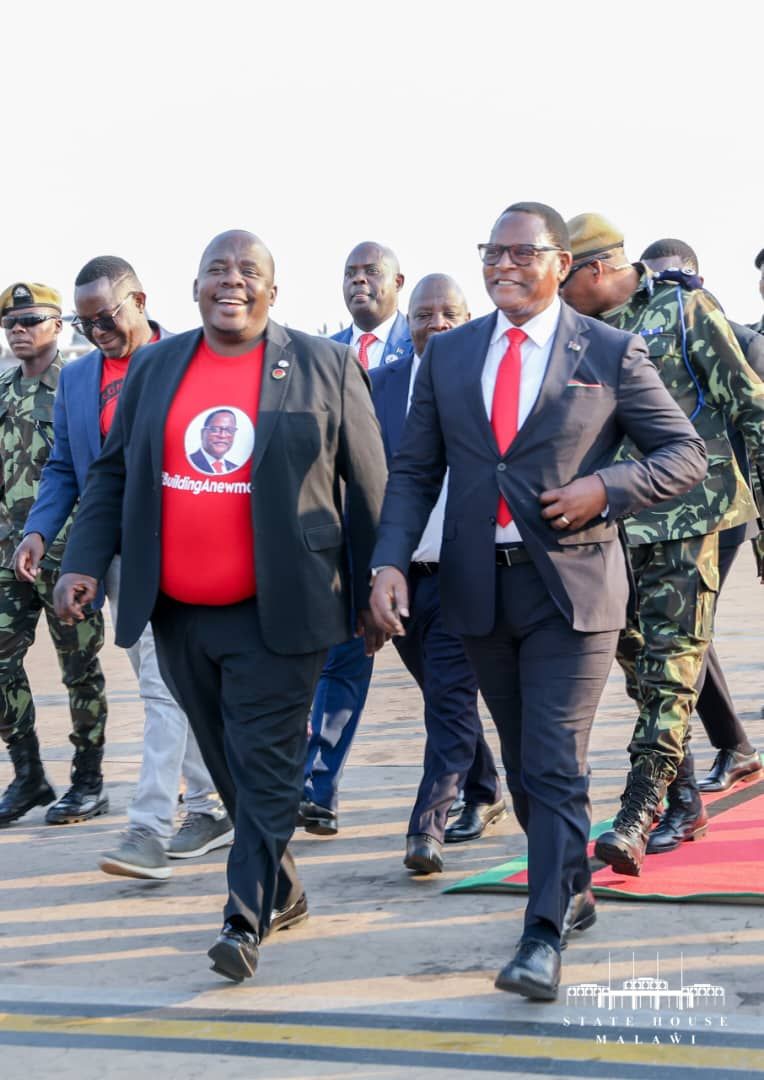
President Dr. Lazarus Chakwera has returned to Lilongwe this afternoon, wrapping up a week-long tour of duty in various parts of Malawi’s Southern Region. The tour saw the President visiting key sites and engaging with different stakeholders as part of his administration’s efforts to monitor and boost development projects in the region.

A key highlight of the President’s tour was witnessing the arrival of train wagons carrying fuel from Mozambique. This development is a significant step toward improving fuel transportation and distribution in Malawi. By utilizing rail transport from Mozambique, Malawi stands to benefit from reduced transportation costs and enhanced efficiency in the delivery of fuel, which is vital for the country’s energy security.
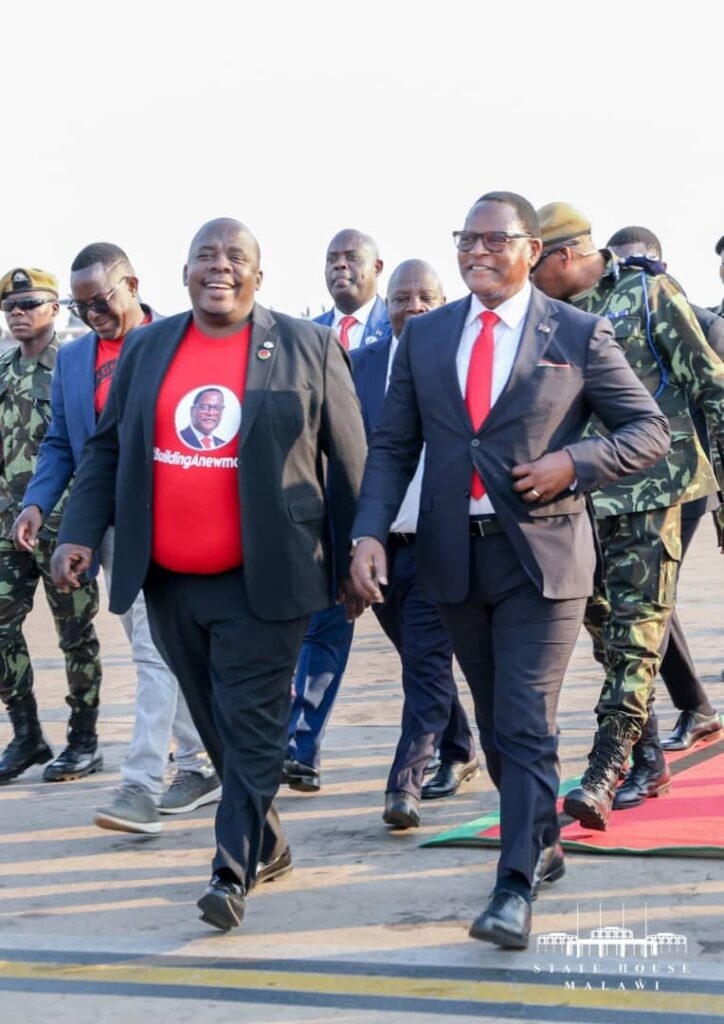
The President emphasized the importance of this mode of transport in ensuring a steady fuel supply, which is crucial for powering industries, supporting economic activities, and reducing dependence on road transport, which is often more costly and less sustainable. The initiative aligns with the government’s broader goal of improving infrastructure and regional connectivity with neighboring countries, particularly Mozambique.

As part of the tour, President Chakwera inspected 21 key projects across Nsanje and Chikwawa districts, focusing on development initiatives that aim to transform the socio-economic landscape of the region. These projects include infrastructure developments, agricultural initiatives, and climate resilience programs aimed at mitigating the impact of recurrent floods and droughts in the Lower Shire.

The President took time to assess the progress of these projects, urging contractors and local authorities to expedite their completion to ensure that the people of Nsanje and Chikwawa benefit from improved services. Some of the notable projects include the construction of new schools, health facilities, and roads that are expected to enhance accessibility and the overall quality of life for the residents.

Additionally, President Chakwera reaffirmed his administration’s commitment to supporting agricultural activities in the region, particularly through irrigation schemes that will help farmers improve productivity and reduce the reliance on rain-fed agriculture.

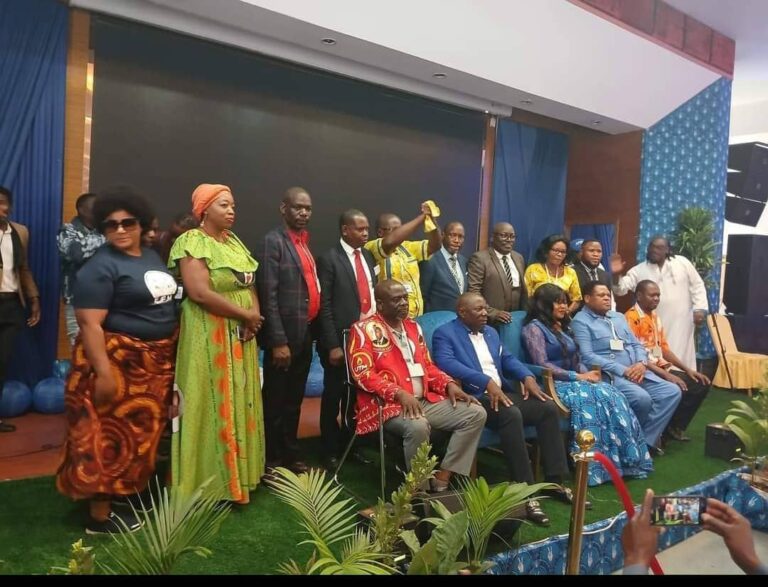
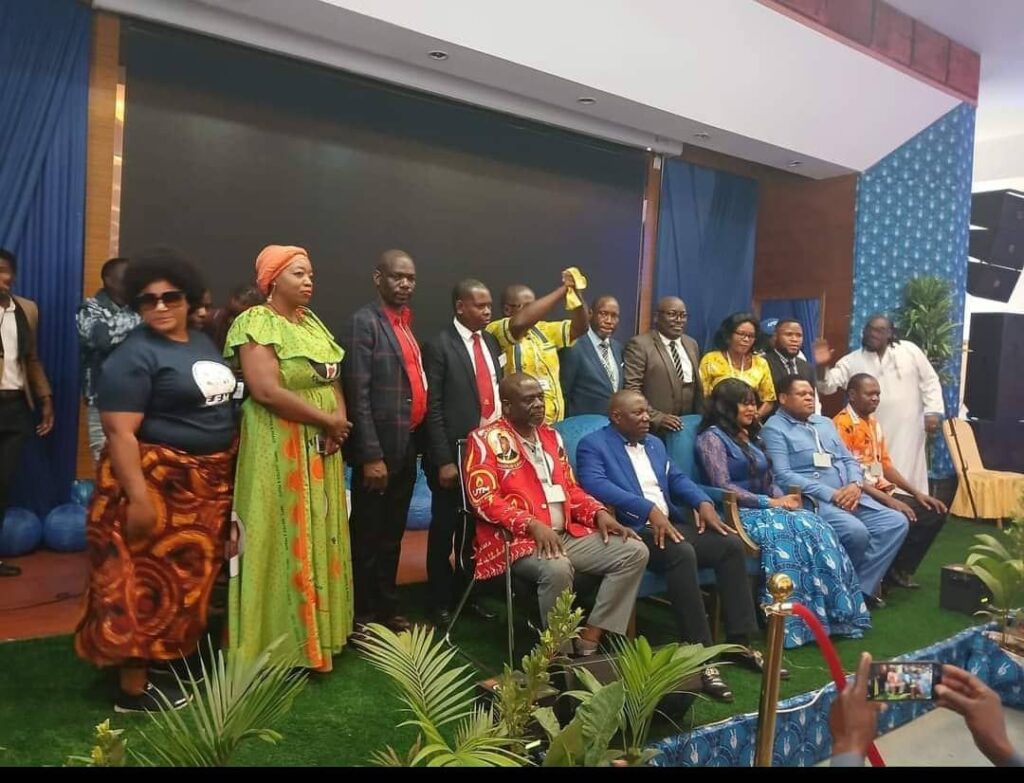
President Chakwera concluded his tour with an engagement at Sanjika Palace, where he interacted with artists from Malawi’s creative and cultural industries. The meeting served as a platform for the President to hear from the country’s artistic community and to discuss ways to strengthen the creative sector.

The President recognized the vital role that artists play in preserving Malawi’s cultural heritage, promoting national identity, and contributing to the economy through creative industries. During the interaction, Chakwera encouraged artists to continue producing quality work that resonates both locally and internationally, promising that his government would work to create an enabling environment for the arts to thrive.


The President also highlighted the need for increased investment in the arts and culture sector, noting that creative industries have the potential to generate significant income and employment opportunities for young Malawians. His administration, he assured, is committed to supporting cultural programs and initiatives that can uplift the country’s rich heritage while fostering innovation and growth within the industry.


In conclusion, President Chakwera’s tour of the Southern Region demonstrates his administration’s focus on improving infrastructure, boosting economic growth, and fostering cultural development. From enhancing fuel transport with neighboring Mozambique to inspecting development projects in Nsanje and Chikwawa, the President has shown a commitment to addressing the pressing needs of the region. His engagement with artists also signals his recognition of the importance of cultural industries in building a more vibrant and economically prosperous Malawi.

As the President returns to Lilongwe, the people of Southern Malawi are hopeful that these projects and initiatives will be implemented effectively, driving development and improving their quality of life in the years to come.
Rhema gears into a free water connection drive

0

By Linda Kwanjana

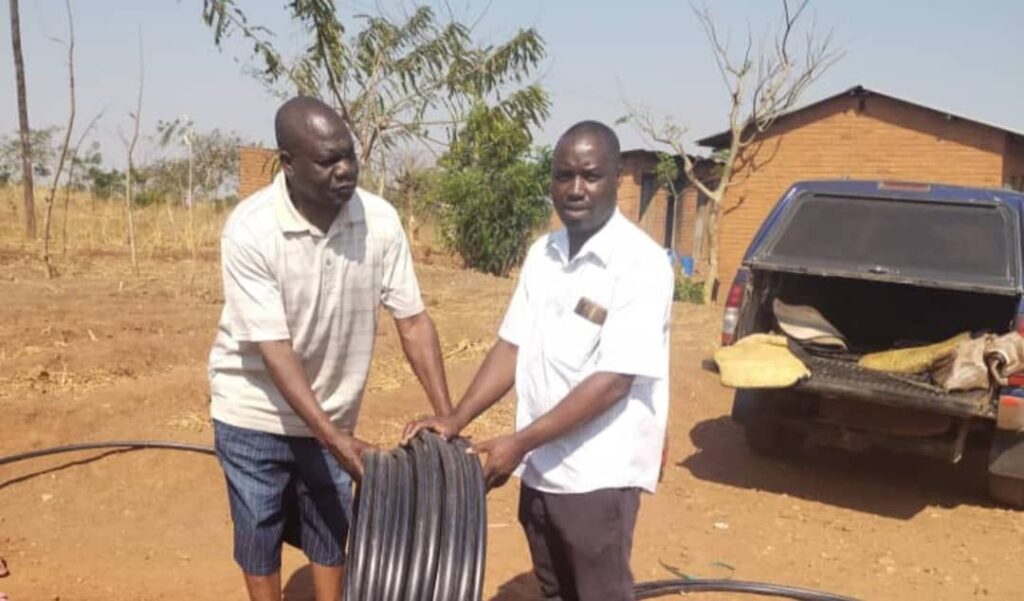
Dowa based non-governmental organization , Rhema Institute for Development, has embarked on free water connection in Dowa, a programme which is aimed at complementing government effort towards achieving clean and portable water all the time.

Rhema Executive Director Innocent Semu says he is doing all this as one way of completing Government effort towards achieving Sustainability Development goal number 8 which expresses the need for countries to ensure their people have access to clean water.

Semu same they have so far connected earmarked for 10 Houses which belongs to Chivala Agricultural Officials.

He said this is just a start since they aim at connecting more than this.

Experts have commended Rhema for the initiative.

Social and political commentator Dr Ben Dzolowere says water is life and any organisation helping the government on water has to be commended.

Dzolowere says, prioritizing on  water and
sanitation is so important because access to safe drinking water and good sanitation are vital for family well-being.

He said good water results in control of waterborne diseases and boosts child health.

He says existing statistics show that diarrheal diseases are the leading cause of death, particularly for children under five in Malawi.

So far, Hope Water Limited, with support from Hope for a Child UK, has connected Hope Water to  3,000 residents.

New Alliance Must Learn from Tonse’s Mistakes, Says Analyst

0

By Twink Jones Gadama

Malawi’s political landscape is abuzz with the possibility of a new alliance between the Democratic Progressive Party (DPP), Alliance for Democracy (AFORD), United Transformation Movement (UTM), and United Democratic Front (UDF).

As the country looks to the future, one thing is clear: the new alliance must learn from the mistakes of the previous Tonse Alliance if it hopes to bring about positive change.

According to a recent analysis, the Tonse Alliance’s failures were numerous, ranging from a lack of clear roles and responsibilities to neglecting unity and internal cohesion.


The alliance was also criticized for failing to deliver on promises, overrelying on executive power, and lacking policy coordination.

To avoid similar pitfalls, the new alliance must prioritize unity and internal cohesion, define clear roles and responsibilities, and deliver on promises.

It must also avoid overrelying on executive power, ensure policy coordination, and combat corruption.

The analysis highlights several key areas where the Tonse Alliance went wrong.

Firstly, the alliance failed to define clear roles and responsibilities, leading to internal power struggles and inefficiencies.

To avoid this, the new alliance must establish clear structures, task allocations, and decision-making mechanisms upfront.

Secondly, the Tonse Alliance neglected unity and internal cohesion, leading to factionalism and affecting governance.

The new alliance must ensure that unity is maintained at all times, with frequent meetings, conflict-resolution mechanisms, and a commitment to the alliance’s common goals.

Thirdly, the Tonse Alliance failed to deliver on promises, such as creating 1 million jobs, reducing the cost of living, and improving the economy.

The new alliance must only make promises that are achievable and based on practical, well-researched policies.

Other areas where the Tonse Alliance went wrong include overrelying on executive power, lacking policy coordination, patronage and favoritism, neglecting grassroots supporters, weak communication and public engagement, failure to combat corruption, and ignoring economic fundamentals.

To succeed, the new alliance must prioritize sound economic policies, ensure the independence of anti-corruption bodies, and be transparent in handling any allegations of corruption within the government.

It must also prioritize effective, transparent, and consistent communication with the public.

In conclusion, the new alliance has a lot to learn from the mistakes of the Tonse Alliance.

By avoiding these pitfalls, the alliance can hope to bring about positive change for Malawi.

As the country looks to the future, one thing is clear: the new alliance must prioritize unity, delivery, and transparency if it hopes to succeed.

US Military Aircraft Make Stopover in Lilongwe En Route to Botswana

0

By Twink Jones Gadama

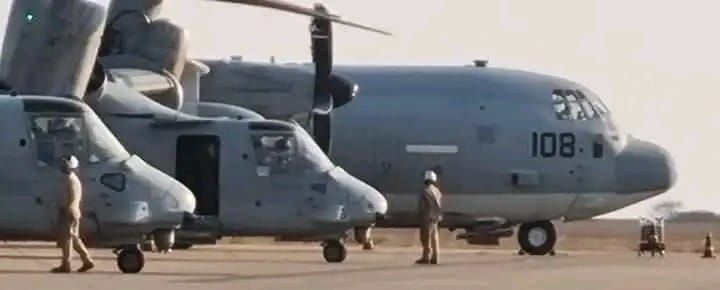
LILONGWE – In a rare sighting, at least four US military aircraft, including two Bell Boeing V-22 Osprey, landed at Kamuzu International Airport (KIA) in Lilongwe last evening to refuel en route to Botswana.

KIA Airport Manager, Gift Matewere, confirmed the development, sparking widespread interest among aviation enthusiasts and security experts.

According to Matewere, the aircraft arrived at KIA around 6 pm local time, with the crew seeking permission to refuel before proceeding to their destination in Botswana.

The US has a military base in Botswana, which has been a key partner in regional security initiatives.

The presence of the US military aircraft at KIA has generated significant interest, with many speculating about the purpose of the stopover.

However, Matewere emphasized that the aircraft were simply refueling and did not have any other agenda.

“The aircraft arrived for refueling purposes only,” Matewere said. “The crew did not disembark, and the aircraft departed shortly after refueling.”

The Bell Boeing V-22 Osprey is a multi-mission, tiltrotor aircraft used by the US military for various operations, including transportation, reconnaissance, and combat.

Its presence in the region has raised eyebrows, with some analysts suggesting that the US may be increasing its military presence in Southern Africa.

However, security experts say the stopover is likely a routine logistical operation, given the US’s extensive military engagements in Africa.

The US Africa Command (AFRICOM) has been actively involved in regional security initiatives, including counter-terrorism operations and training exercises.

“The US has a significant military presence in Africa, and it’s not uncommon for their aircraft to make stopovers in the region for refueling and logistics purposes,” said security analyst, Dr. Blessings Chininga.

The development comes amid growing security concerns in the region, including the threat of terrorism and piracy.

The US has been working closely with regional partners to address these challenges, and the stopover may be part of these efforts.

As the aircraft departed KIA, many onlookers were left marveling at the sheer size and technological sophistication of the V-22 Osprey.

The aircraft’s unique tiltrotor design allows it to take off and land vertically like a helicopter, while also achieving high speeds like an airplane.

The stopover has also sparked interest among aviation enthusiasts, who rarely get to see US military aircraft in the region.

“It’s not every day you get to see such advanced military aircraft up close,” said aviation enthusiast, Mike Mhone. “The V-22 Osprey is an incredible machine, and it’s a privilege to see it in person.”

As the US military aircraft disappeared into the night sky, many in Lilongwe were left wondering about the significance of the stopover.

While officials say it was simply a routine refueling operation, others speculate that it may be part of a larger security strategy in the region.

One thing is clear, however: the presence of US military aircraft in Lilongwe has generated significant interest and highlights the complex security dynamics at play in the region.

Kafwafwa donates K5 million to PLSCE achievers from Chitundu Zone

0

By Dean Chisambo

Member of Parliament(MP) for Dedza North constituency, Savel Kafwafwa, has rewarded students who have been selected to various secondary schools from Chitundu zone.

The zone has achieved a significant milestone, with 22 students selected to national secondary schools, 53 to district boarding schools, and 33 to community day secondary schools.

Kafwafwa expressed his delight, considering this a great achievement, especially since the area has historically performed poorly.

He noted that Chitundu constituency has the lowest number of educated individuals in Malawi, but this achievement brings hope for a brighter future.

The lawmaker spent K3 million on bags and an additional K2 million on arranging the function.

He also promised another K2 million to teachers and headmasters to encourage them, stating that this is an annual commitment.

Regarding bursaries, Kafwafwa appreciated the government’s response to their request, setting aside 10% of the bursary, now amounting to K10 million.

However, he noted that the increased number of students going to national secondary schools (22) poses a challenge, as their fees are around K200,000, totaling K400 million per term.

With only K3.5 million available, he expressed concern about meeting the demand for bursaries.

Ashraf Jima, a learner selected to Robert Blake Boys Secondary School, shared his journey, attributing his success to hard work, parental support, and group discussions with fellow learners.

He encouraged this year’s Standard 8 learners to work hard and pass with flying colors.

The headmaster for Chitundu Zone expressed happiness with the results, citing the encouragement of hard work and strong leadership.

Senior Chief Tambala urged parents to continue sending their children to school, aspiring to become leaders like Kafwafwa.

Chitundu zone, comprising 14 schools, has emerged as the second-best performing school in this year’s PSLCE examination results.