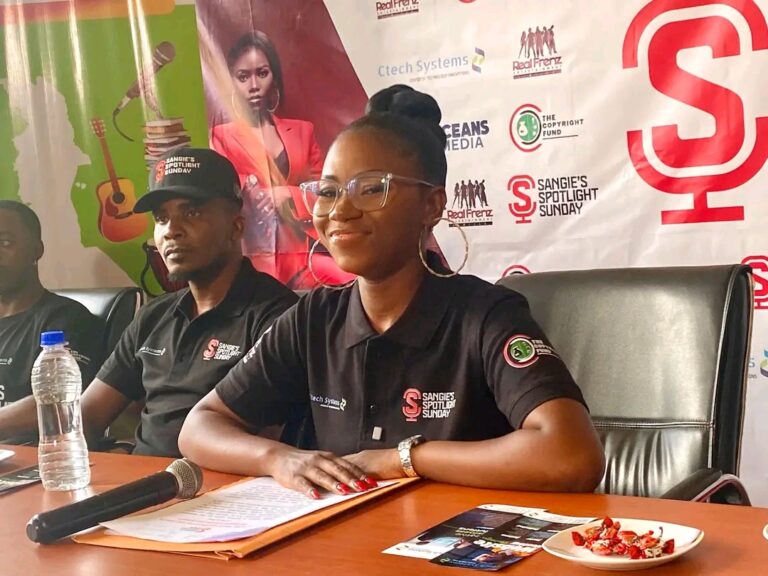
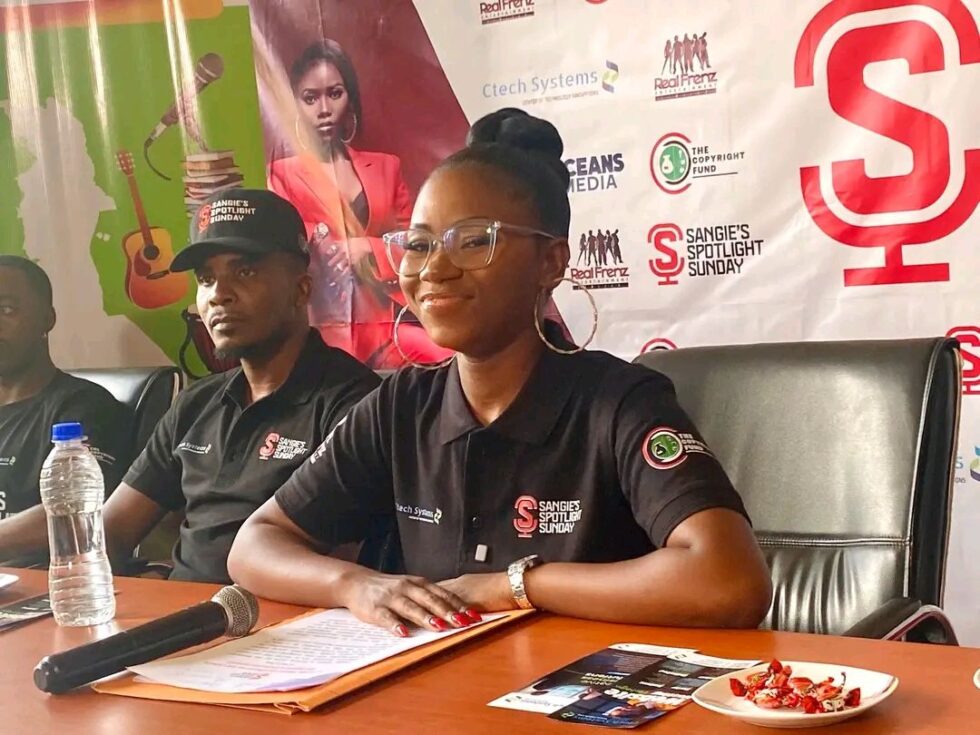
Malawi’s top female reggae singer Sangie has unveiled Sangie’s Spotlight Sunday,an initiative aimed at nurturing young female talent and promoting cultural empowerment across the country.
Speaking during the press briefing on Thursday,Sangie said the initiative is designed to identify and mentor female artists aged 18 to 25, with a special focus on those from underserved communities.
She added that the program also seeks to equip participants with the skills and exposure needed to transition from informal music spaces to professional stages.
Sangie said currently in its pilot phase, Spotlight Sunday will provide selected artists with a three-month training program covering music education, studio recording, and live band performance.
She emphasized that the initiative aims to address the gaps in training and opportunities that many young female musicians face.
Currently,the calls for submissions have been opened, inviting aspiring female artists to apply and benefit from the mentorship and professional development offered through the program.
The initiative is supported by the Copyright Fund, established by the government through the Copyright Society of Malawi (COSOMA), which provides financial support to creatives and promotes awareness on copyright protection and anti-piracy measures.
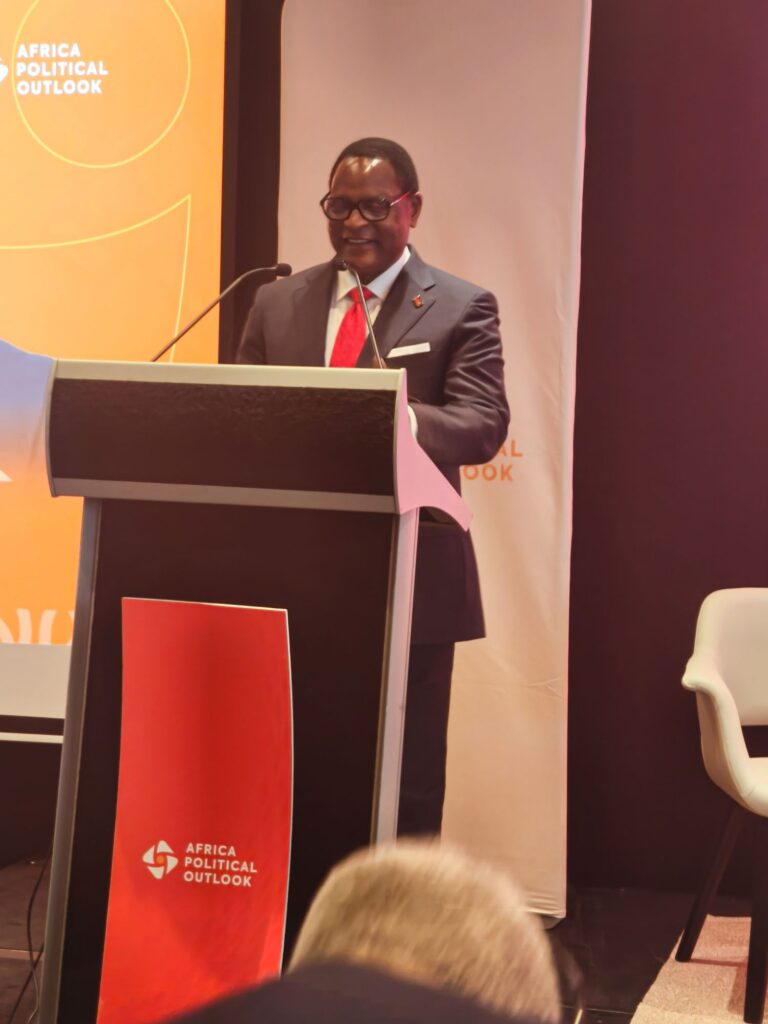
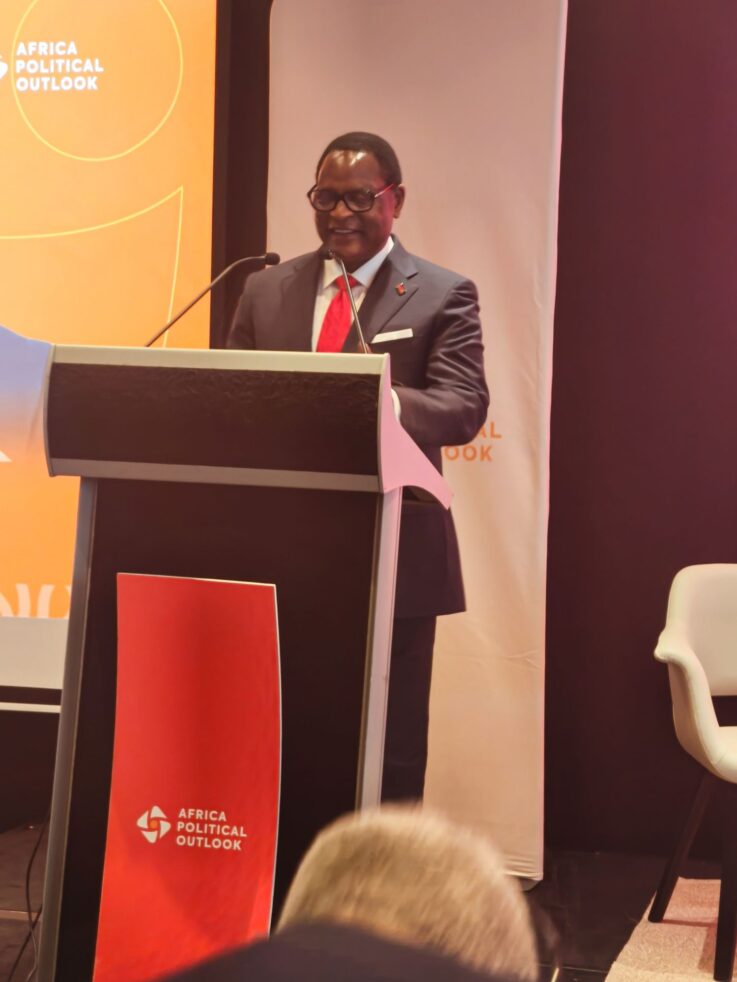
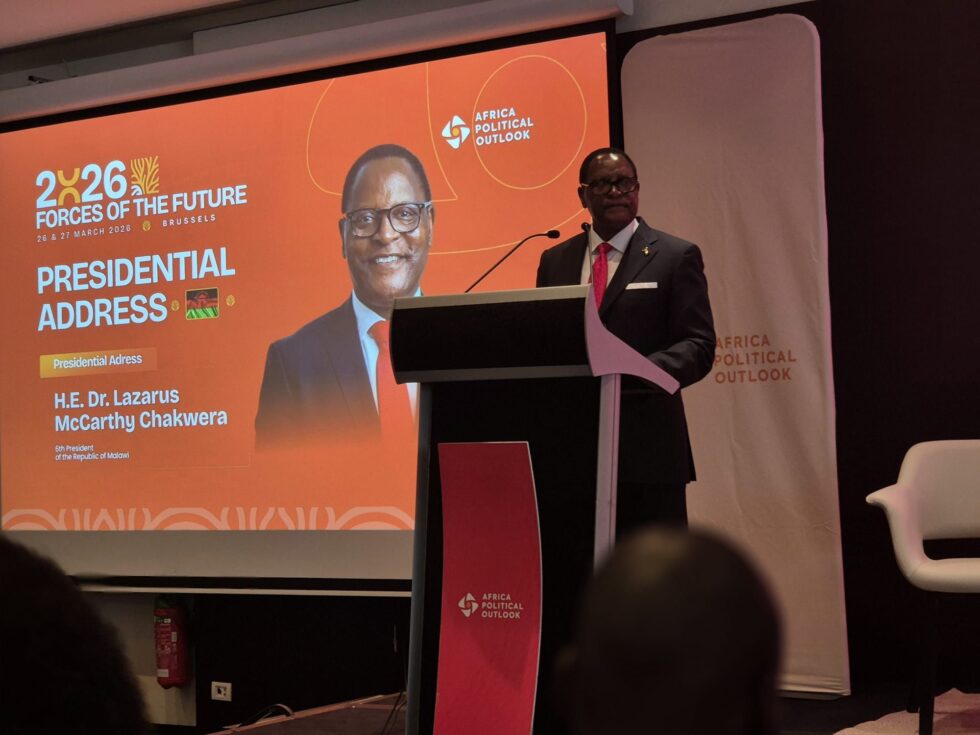
Former Malawi President Dr. Lazarus McCarthy Chakwera has called on Africa to assert its agency and move beyond conventional development paradigms toward self-driven prosperity.
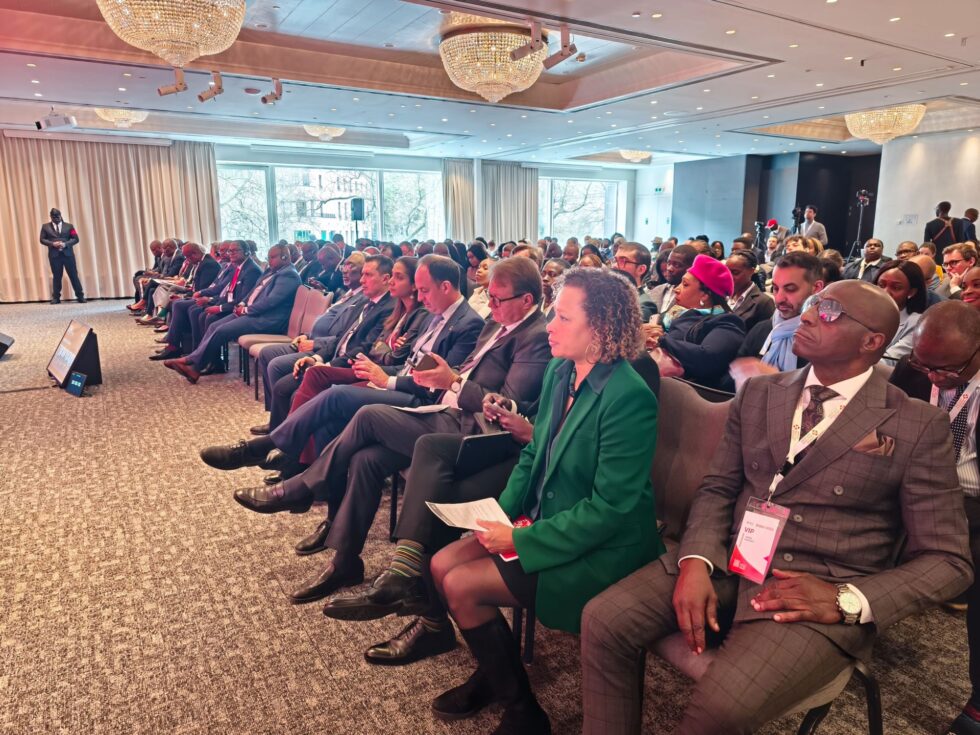
Chakwera made the remarks on Fiday at the 4th Edition of the Africa Political Outlook summit, taking place in Brussels.
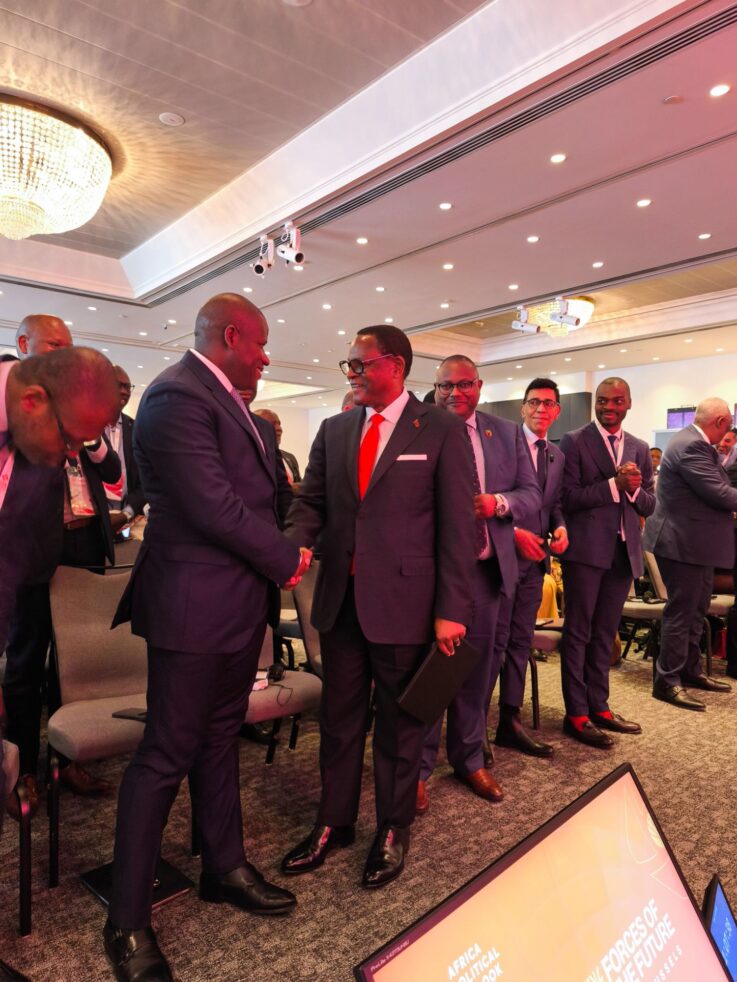
In his key note address, Chakwera, accompanied by Malawi Congress Party (MCP) Deputy Director of International Affairs Chalo, shared his perspective on the evolving dynamics between Africa and its international partners.
Chakwera
The former Malawi leader called on African nations can strengthen their position in an increasingly multipolar world, touching on navigating global realignments and advancing regional integration within the Southern African Development Community (SADC).
While in Brussels, Chakwera held several high-level engagements, including a meeting with Younous Omarjee, Vice President of the European Parliament, and gave an interview with international news network Euronews.
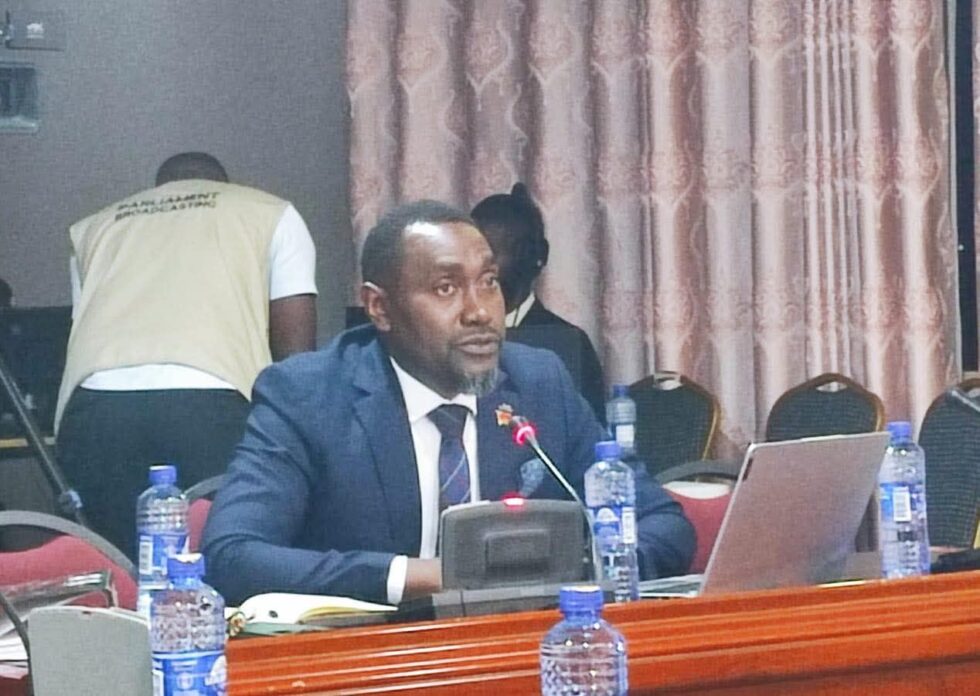
Grappling with the fallout from the infamous K128 billion sale of the Amaryllis Hotel, the ruling Democratic Progressive Party (DPP) has earmarked Prince Kapondamgaga the Sniper for an arrest as a face saver to its battered image.
Meanwhile, the corrupt DPP government has roped in suspended Principal Officer of the Public Service Pension Trust Fund George Jimu as a government witness.
With whispers of corruption and financial mismanagement echoing through the halls of the DPP government, the party’s leadership has resolved to take drastic measures to restore their tarnished image.
Jimu
In his testimony, the former Chief of Staff from the previous administration, categorically denied any connection to the controversial acquisition of the luxurious hotel by the Public Pension Fund, positioning himself as a mere bystander in a transaction fraught with irregularities.
As news of Kapondamgaga’s potential arrest is coming out, the public has been left wondering. Citizens are questioning the integrity of the ongoing inquiry, pointing out that it is still in its preliminary stages and that the Public Accounts Committee is yet to finalize its recommendations.
DPP TURNS GEORGE JIMU GOVERNMENT WITNESS
In another development, DPP through a yet to be identified business tycoon has paid huge sums of money to suspended Principal Officer of the Public Service Pension Trust Fund George Jimu to be a government witness in return for amnesty.
The selective targeting of individuals connected to the previous Malawi Congress Party (MCP) government is only fueled suspicions of political manoeuvring.
Why, many asked, were those affiliated with the DPP seemingly immune to scrutiny, while opponents are dragged into the spotlight?
The controversy surrounding the hotel acquisition had its roots in a tumultuous past. Under the previous administration, the idea for the Public Pension Fund to invest in the hotel initially emerged, but it was swiftly quashed by the 6th President, Dr. Lazarus Chakwera, after revelations, surfaced that the sale price of K47 billion was grossly inflated.
However, in a shocking reversal, the DPP, led by President Arthur Peter Mutharika, ultimately completed the purchase at a staggering K128.5 billion—more than double the previously rejected offer. The transaction had been finalized before the end of the year 2025, leaving many to wonder how such a deal could be made without due diligence.
The stakes are high; DPP’s grip on power depends on the perception of integrity and accountability. Yet, the path forward remained fraught with peril. Would their attempts to cleanse their image succeed? or would the cracks only deepen, exposing a culture of nepotism and corruption?
Orant Charities Africa ( OCA), an organization implementing Sustainable Water, Sanitation, and Hygiene ( WASH) for Kasese in Dowa district, says security measures must be mainstreamed into WASH programming to ensure long term sustainability.
Sustainable WASH for Kasese is an ongoing program which started in 2016, has been receiving annual funding from Orant Charities, United States of America ( USA) in the area of Senior Chief Chakhaza B targeting a total population of 49,000 people.
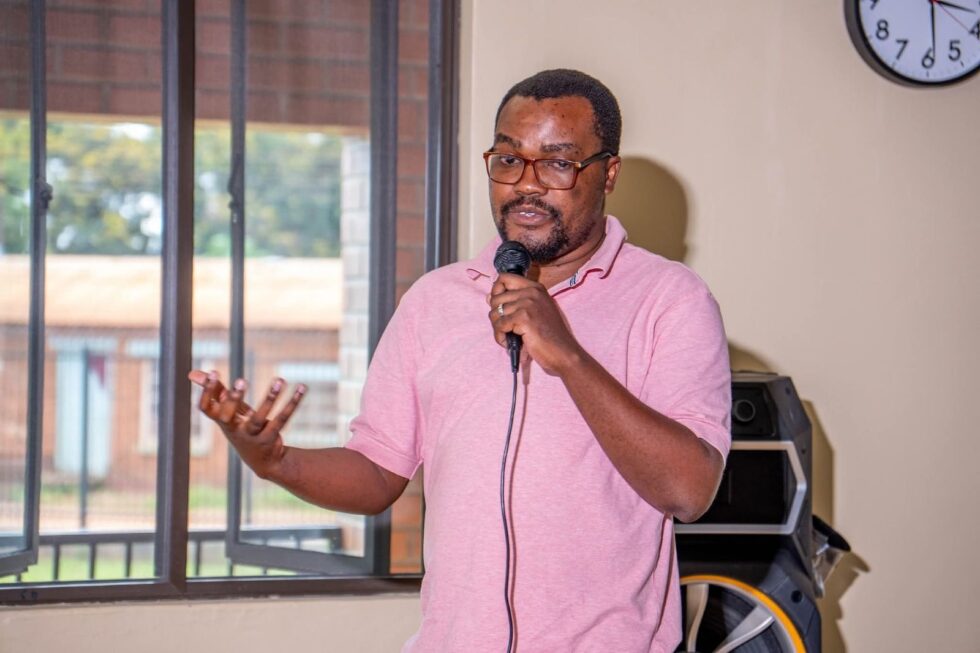
Presenting 2025 OCA achievements to the District Coordinating Team( DCT) in Dowa, Program Manager Mayamiko Mwenda, said the program is being implemented with an overall objective of reducing morbidity and mortality from WASH- related diseases in T/A Chakhaza B in the district.
Mwenda said the program works to prioritize preventive maintenance, improve infrastructure, promote sanitation marketing, and building community resilience.
Mayamiko Mwenda- Solar submessible pump at Kabuluzi was stolen affecting 2000 + people.
He said the program has reduced Under- Five children diarrhea cases from 184 to 67, 84 percent of people in and around its catchment area- Kasese has access to basic water supply.
The Manager said sanitation has increased from 68 percent in 2023 to 83 percent in 2025 and Hygiene has increased from 11 percent in 2023 to 20 percent in 2025.
He said 10 new boreholes were drilled expanding access to potable water, and one borehole in Chilumpha village was postponed to 2026 due to dry wells.
The Manager expressed his great concern over Kabuluzi piped water project saying solar submessible pump was stolen in June, 2025 affecting 2000 plus people.
He said the community did not sit idle, they made a response by raising K1, 185,000 toward replacement of the stolen solar submersible pump out of the required K5, 275,750.
On sanitation and hygiene outputs, Mwenda said the program has distributed 50 Kilogram of chlorine to 2,920 house holds, and WASH sensitization reached to 14,600 people via Health Surveillance Assistants (HSA).
” Entrepreneurs produced or sold 61 pit latrine slabs and constructed 94 corbelled latrines,” said Mwenda.
However, Mwenda said the program has been meeting some challenges in the course of implementation such as rapid price increases for cement, drilling and fuel, theft of submersible pumps, limited uptake of preventive maintenance, hygiene services, and sanitation marketing, and dry wells reported at Nambola and Chilumpha villages led to water scarcity.
In her remarks, Dowa District Council’s Water Development Officer Fanny Muula, called on partners implementing water interventions in the district to work hand in hand with the council in selection of water points and supervision of borehole drilling for the good of the Dowa communities. [3/25, 10:11 AM] Vincent: Noted and thanks for verifying the story.
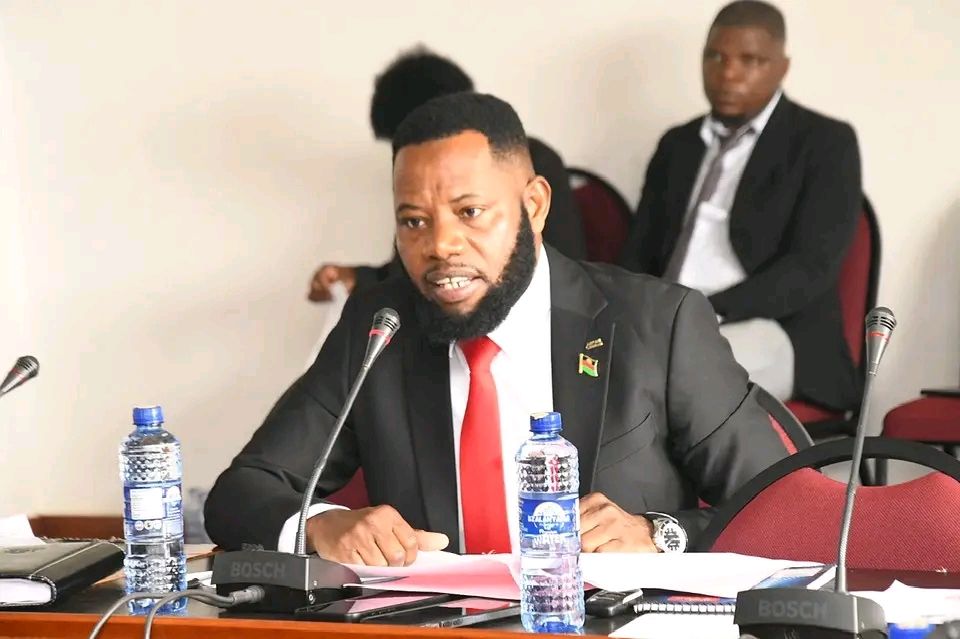
The Parliamentary Committee on Health has urged the government to introduce additional levies on products such as alcohol and cigarettes to generate revenue for the health sector, citing their harmful effects on human health.
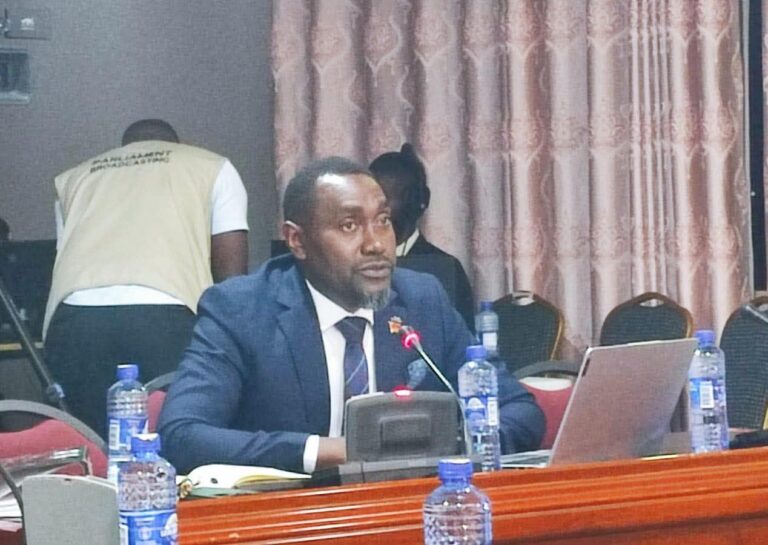
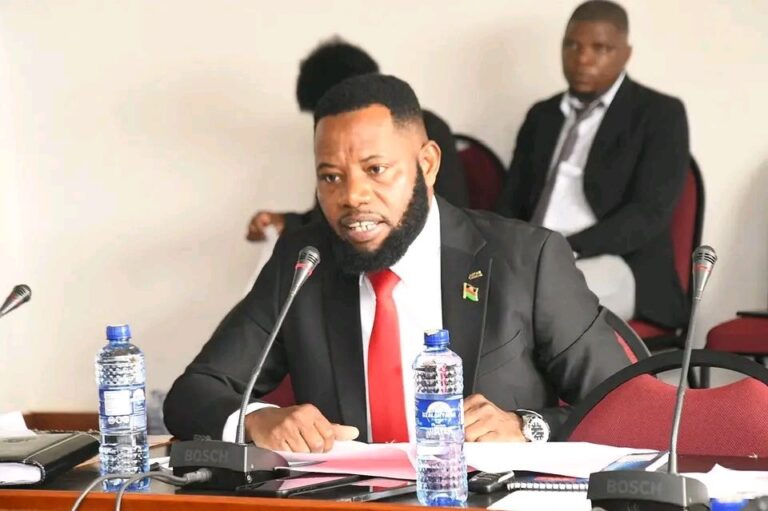
Chairperson of the committee, Anthony Masamba has noted that the consumption of alcohol and cigarettes contributes significantly to diseases such as tuberculosis (TB) and other health conditions.
Masamba
Presenting the committee’s report Masamba, said that the government should proceed with its plan to introduce a paying section in public hospitals.
He added that the funds generated through this initiative would help strengthen efforts to combat major diseases, including TB.
However, Masamba emphasized that in implementing the policy, the government must ensure that vulnerable groups are not adversely affected.
He stressed the need for safeguards to protect low-income citizens from additional financial burdens when accessing healthcare services.
Minister of Health, Madalitso Baloyi, said the government is currently reviewing and developing guidelines to ensure the proposals are implemented effectively.
She assured that the appropriate measures will be put in place before rolling out the policy on user fees in public hospitals.