Friday, December 19, 2025
No menu items!
spot_img
Home Blog Page 1100

Enhancing broadband connectivity in Malawi: ITU’s 15 million euro initiative

0

By Burnett Munthali

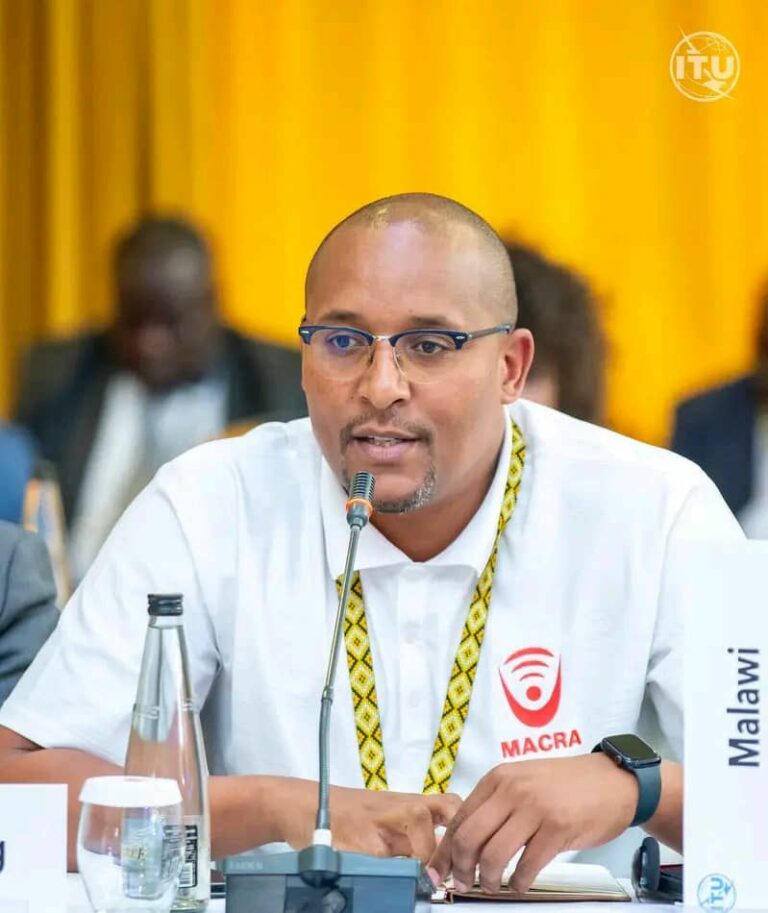
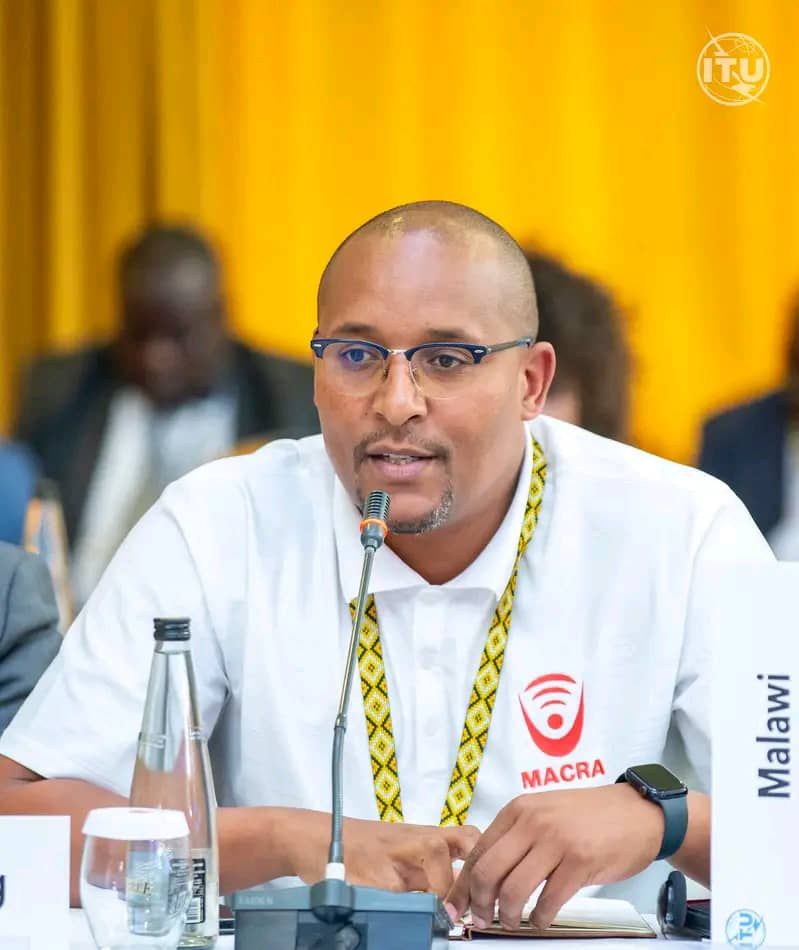
At the ITU Global Symposium for Regulators in Kampala, Uganda, a landmark initiative was unveiled to bolster broadband connectivity across eleven African nations, including Malawi. Spearheaded by the International Telecommunications Union (ITU), this 15 million Euro project aims to significantly enhance digital infrastructure and accessibility in underserved regions.

Empowering nations through connectivity

Malawi, alongside Ivory Coast, Nigeria, Benin, Ethiopia, Kenya, Uganda, Botswana, Zambia, Zimbabwe, and Burundi, has been selected to benefit from this transformative initiative. The project, scheduled to span from 2024 to 2027, focuses on three critical areas: capacity building, equipment investment, and comprehensive system mapping.
Suleman

Ronald Tembo, Head of Universal Service at the Malawi Communications Regulatory Authority (MACRA), emphasized the pivotal role these funds will play in advancing the nation’s digital landscape. He highlighted that the investment will enable Malawi to strengthen its technological foundations, ensuring broader coverage and improved service delivery.

A strategic timeline and vision

The four-year duration underscores the commitment to sustainable development and inclusive growth through technology. By fostering strategic partnerships and leveraging state-of-the-art equipment, the initiative seeks to bridge the digital divide and empower communities across Malawi. It aligns with broader national agendas of fostering innovation, economic empowerment, and social inclusion.

Looking ahead

As the symposium continues to foster dialogue and collaboration among regulators, stakeholders, and policymakers, the momentum for digital transformation in Malawi and its fellow beneficiary nations is set to accelerate. The ITU’s initiative stands as a testament to global efforts to harness technology for socio-economic advancement, ensuring that no nation is left behind in the digital era.

In conclusion, Malawi’s participation in this ambitious project marks a significant stride towards a more connected and resilient future. With robust investments and strategic interventions, the nation is poised to unlock new opportunities and empower its citizens through enhanced broadband connectivity.

Mzimba Chiefs reject UTM

0

By Staff Reporter

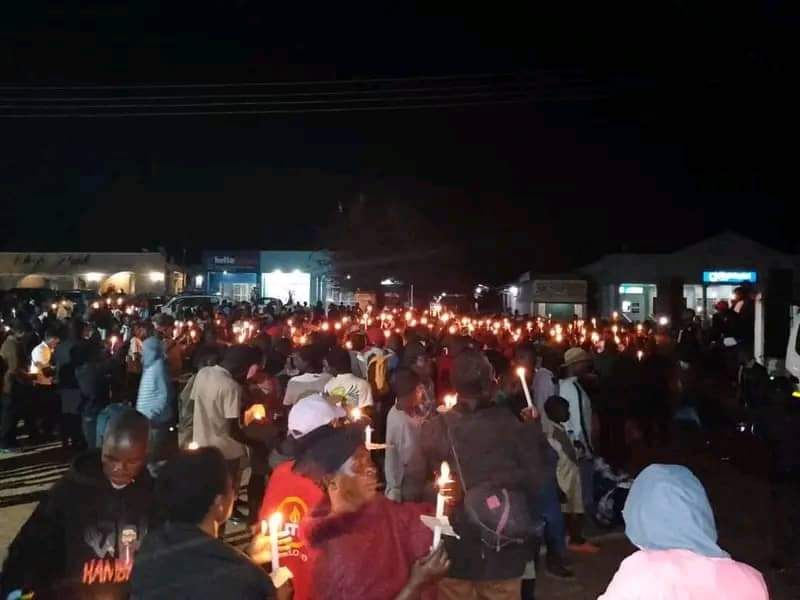
Mzimba chiefs, led by Paramount Chief Inkosi Mbelwa V, have rejected UTM’s proposal to participate in a candlelight memorial event scheduled for tomorrow in Chikangawa.

The event coincides with the independence prayers, which will be led by the President, honoring the memory of the late Vice President and eight others who died in a plane crash last June.

Paramount Chief Inkosi Mbelwa V advised his chiefs to refrain from divisive politics and work with inclusive platforms.

Candle lighting in Rumphi

In the same way, some people have rebuked some Cabinet members of the Tonse Alliance, specifically Hon. Vera Kantukule and Hon. Agness Nyalonje, for sponsoring a parallel meeting with finances, undermining the government’s independence prayers.

The independence prayers will unite the nation, its tribes, and regions, making the timing of the UTM event ill-conceived.

The President will lead the prayers, celebrating Malawi’s independence and unity.

Malawi gained independence from British colonial rule on July 6, 1964.

This significant milestone is celebrated annually with independence prayers, which unite the nation, its tribes, and regions.

This year’s prayers hold special significance as they coincide with a memorial event for the late Vice President and eight others who tragically passed away in a plane crash in Chikangawa last June.

Research reveals active faults in Northern Malawi pose earthquake risks

0

By Burnett Munthali

Recent research conducted by scientists from Northern Arizona University, Syracuse University, and various Malawian departments has uncovered concerning findings regarding active faults in northern Malawi. These faults have the potential to generate significant earthquakes, highlighting a previously under-recognized seismic risk in the region.

Geophysicist Patrick Chindandali from Northern Arizona University emphasized that the research findings will play a crucial role in informing town planners and developers along the rift valley about the need for earthquake-resistant structures. This proactive approach aims to mitigate the potential devastation caused by future seismic events.


Mathews Mbidzi, a lecturer at Karonga Teacher Training College (TTC), underscored the broader impact of the research findings on educational outreach. He highlighted the importance of teachers disseminating this knowledge to students, who in turn can relay crucial information to their families and communities. This cascading effect is expected to enhance awareness and preparedness for earthquake risks among local populations.

The collaborative effort involved scientists from Northern Arizona University, Syracuse University, the Geological Survey, the Surveys Department, and the Fisheries Department. Their comprehensive mapping of active faults in northern Malawi has provided valuable insights into the region’s geological hazards, facilitating informed decision-making and disaster preparedness initiatives.

In addition to disseminating preliminary findings to educational institutions, the District Environmental Sub-Committee was also briefed on the research findings. This engagement aims to integrate seismic risk considerations into local environmental planning and management frameworks, ensuring that development activities are conducted with resilience in mind.

As northern Malawi confronts the realities of potential earthquake hazards, stakeholders are urged to leverage these research insights to implement proactive measures that safeguard lives, infrastructure, and livelihoods. By prioritizing earthquake preparedness and resilience-building strategies, Malawi can mitigate risks and foster a safer future for its communities.

The ongoing collaboration between international researchers and local authorities underscores a shared commitment to advancing scientific knowledge and enhancing disaster resilience in the face of natural hazards. Through collective efforts, Malawi is poised to strengthen its capacity to respond effectively to seismic threats and ensure sustainable development in earthquake-prone regions.

The research findings serve as a call to action for policymakers, educators, and community leaders to prioritize earthquake preparedness as an integral component of holistic disaster risk management strategies across northern Malawi.

Mchinji District Hospital, Our Aim Foundation join forces to improve healthcare services

0

By Chisomo Phiri


Mchinji District Hospital and Our Aim Foundation on Thursday signed a Memorandum of Understanding (MoU) to spearhead and provide more lifesaving resources in less privileged communities in Mchinji District.

Speaking during the signing ceremony, Mchinji District Hospital Acting Director of Health and Social Services, Dr. Yohane Mwale, described MoU between the two parties as crucial in fostering healthcare services.

Mwale expressed satisfaction with the initiative saying it saves as a good indicator to the development of the district as it will help serve less privileged citizens of the community.


“My role is to ensure that what is in the MoU is being adhered to,” he said.

In his remarks,Secretary for Our Aim Foundation, Blessings Kaphwiti Banda, expressed satisfaction with the initiative emphasizing the significant role the MoU will play during the course.

Kaphwiti Banda applauded Mchinji District Health Office for being collaborative in rendering the support to Our Aim Foundation.

“We had given Mchinji District Hospital a wish list of the kind of help that we wanted. So far, we are satisfied with the progress,” she said.

Our Aim Foundation is a non-profit organization dedicated to providing healthcare, food, solar homes, education, water and sanitation services to communities.

AFCON 2025 qualifiers draw out as Malawi Flames  to face Senegal, Burkina Faso

0

By Burnett Munthali

Excitement is building among football enthusiasts as Malawi’s national football team, the Flames,  sees itself being featured on Group F for the 2025 Africa Cup of Nations (AFCON) qualifiers. The draw which took place in  South Africa,has Malawi , Burundi, Burkina Faso and Senegal

The Flames found themselves placed in Pot 3 for the qualifiers, which means they will not face formidable teams such as Kenya, Mauritania, Tanzania, Congo, Guinea Bissau, Libya, Comoros, Togo, Sudan, Sierra Leone, and the Central African Republic during the initial stages of the qualifiers.

Having made three previous appearances at the AFCON finals, with their most recent participation in 2022, Malawi aims to replicate past successes and qualify once again for the continental tournament.

A total of 48 teams will compete in the AFCON 2025 qualifiers, vying for 24 coveted spots in the final tournament, which will be hosted by Morocco. The qualifiers promise to be fiercely contested, with each team striving to showcase their prowess and secure a berth in Africa’s premier football competition.

Afcon 2025 qualifying draw


Group A: Tunisia, Madagascar, Comoros, The Gambia.

Group B: Morocco, Gabon, Central African Republic, Lesotho.

Group C: Egypt, Cape Verde, Mauritania, Botswana.

Group D: Nigeria, Benin, Libya, Rwanda.

Group E: Algeria, Equatorial Guinea, Togo, Liberia.

Group F: Ghana, Angola, Sudan, Niger.

Group G: Ivory Coast, Zambia, Sierra Leone, Chad.

Group H: DR Congo, Guinea, Tanzania, Ethiopia.

Group I: Mali, Mozambique, Guinea-Bissau, Eswatini.

Group J: Cameroon, Namibia, Kenya, Zimbabwe.

Group K: South Africa, Uganda, Congo, South Sudan.

Group L: Senegal, Burkina Faso, Malawi, Burundi