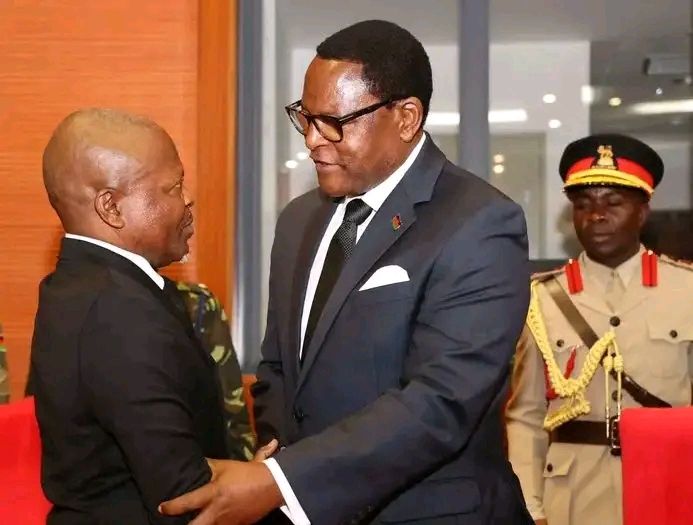
Police have stopped the country’s top newspaper, Nation Publications Limited (NPL), from live streaming proceedings at the Malawi Congress Party (MCP) elective convention using a mobile phone as President Dr. Lazarus Chakwera is in attendance.
The publication’s reporter, Sugzo Chitete, told us in an interview that National Police Spokesperson Peter Kalaya directed them to stop livestreaming the event.
He said:”Kalaya claimed that phones are not allowed according to the law, but he couldn’t cite the specific law.
“When we reasoned with him that a phone is part of the new technology for broadcasting, Kalaya insisted we were not allowed and said, ‘If anything, you need permission from State House.’ All this happened as we tried to film President Lazarus Chakwera at the event.
“Interestingly, we have used the same gadget for updates for the past two days without any issues.”
The 2024 MCP elective convention is taking place at Bingu International Convention Centre (BICC) in Lilongwe under the theme ‘Rebuild Malawi Nation signifying the Party’s Major Masterplan in developing the country.’
Renowned author Blessings Chiwosi has published his second book, titled “Malawian Wealth Creation: A Holistic Approach to Creating a Wealthy Malawi”.
In an interview with our journalist Chisomo Phiri, Chiwosi explained that the new book offers a comprehensive analysis of the approaches African countries, particularly Malawi, have been using to combat poverty.
He said in the book, he presents practical and inclusive methods that Malawi can adopt to build wealth within 10 to 20 years, rather than relying on hopes for 2063.
Blessings Chiwosi
When asked about the growth of book writing in Malawi, Chiwosi noted that while there is progress, with more young and visionary authors emerging, the reading culture in the country is still lacking.
He attributed this deficiency to the rise of technology and social media usage.
Chiwosi emphasized that more work needs to be done to emphasize the importance of reading books.
He said he believes that his book is a valuable resource for those looking to make a positive impact.
“As a nation, Malawi has the potential to build wealth and prosperity,”said Chiwosi.
Chiwosi’s first book, “Effective Leadership in the Dot.Com Generation”, was published in 2020.
He draws inspiration from renowned authors like John Calvin Maxwell, an American author, speaker, and pastor who has written extensively on leadership.
In Malawi, Chiwosi is inspired by Pastor Esau Banda, who has written over 100 books on leadership and financial management.
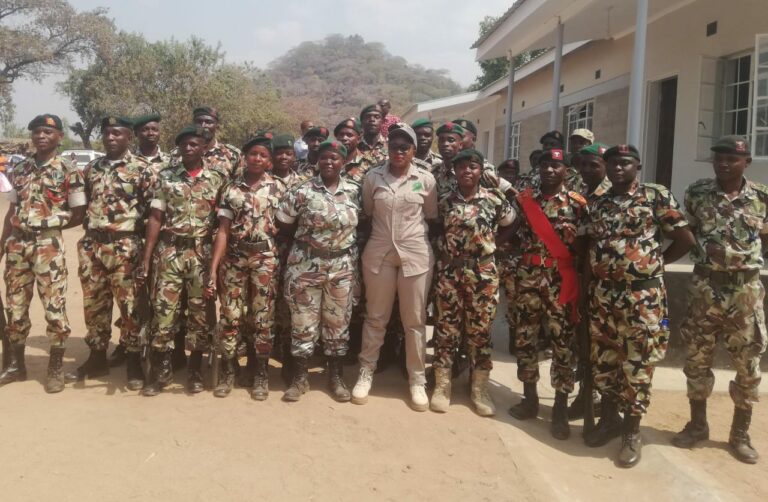
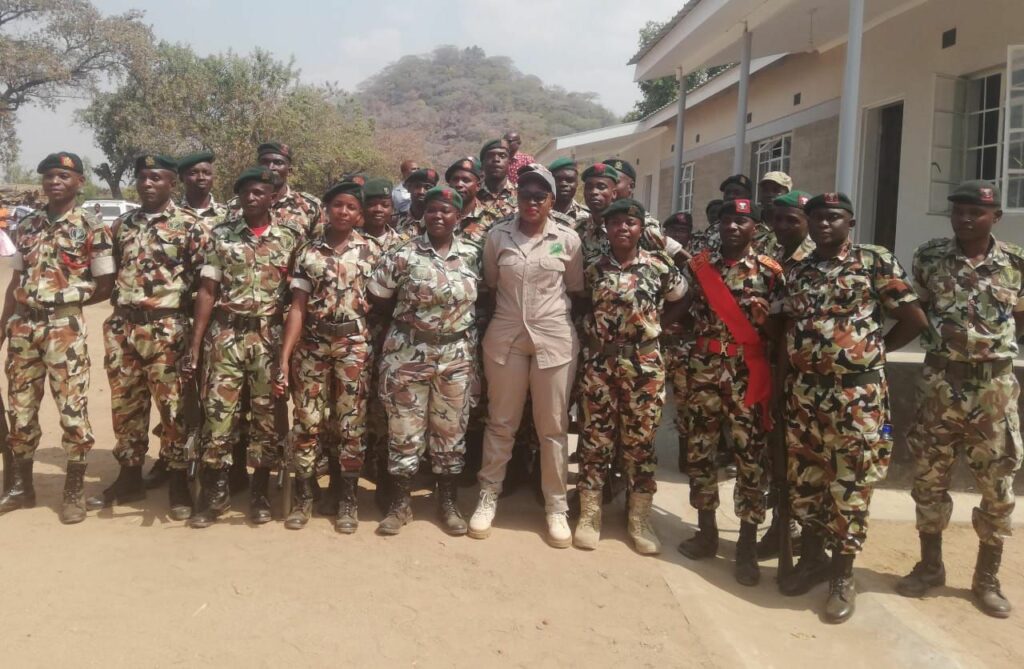
Minister of Tourism, Vera Kamtukule, on Wednesday handed over four newly constructed staff houses to rangers at Lake Malawi National Park in Monkey Bay, Mangochi.
The houses, constructed under the Malawi Watershed Services Improvement Project (MWASIP) with funds from the World Bank, are a significant asset to improving the welfare of rangers.
Speaking during the handover, Kamtukule urged rangers to take good care of the houses, emphasizing that they are a valuable resource for their benefit.
“Regard these houses as your own, not the government’s. I want to see these houses in good condition when I come again in the next six months.
“If they are not well-maintained, you will have to find alternative accommodation outside the park, which will be inconvenient and expensive for you,” said Kamtukule.
The Minister pledged the government’s commitment to providing rangers with good accommodation, highlighting the importance of investing in human capital.
She commended MWASIP and the World Bank for supporting her ministry, through the Department of National Parks and Wildlife, to construct modern houses for the rangers.
MWASIP Monitoring and Evaluation Technical Team member, James Kumwenda, praised the Department of National Parks and Wildlife for utilizing Performance Based Grants effectively, aligning with the project’s objectives.
He explained that MWASIP provides grants to institutions focusing on watershed management, including the Department of National Parks and Wildlife, Department of Forestry, and National Water Resources Authority.
Councilor Martin Milanzi, representing the Chairperson for Mangochi District Council, hailed the construction of the houses as a significant and timely move.
He anticipated that the houses will motivate rangers to be dedicated to their duty of patrolling the park, leading to intensified patrols and prevention of illegal fishing and destruction of the forest.
The Lake Malawi National Park is the world’s first freshwater national park and a World Heritage Site, found at Cape Maclear at the southern end of Lake Malawi.
The park includes a land area around the cape and bay as well as the Lake and islands up to 100 metres (330ft) offshore.
Malawi, once a beacon of self-reliance and economic growth under the leadership of former presidents Bingu wa Mutharika and Peter Mutharika, has taken a drastic turn for the worse under President Lazarus Chakwera.
Chakwera’s administration has embraced a culture of begging, prioritizing foreign aid over innovation and hard work.
This approach has suffocated Malawi’s economy, bred laziness, and stifled national development.
The recent revelation by Vice President Michael Usi, also known as Manganya, that he was appointed due to his expertise in begging from Western countries, has sparked outrage and concern.
Usi’s admission, which Chakwera has failed to dispute, exposes the president’s alarming dependence on foreign handouts.
This stance is unprecedented, making Chakwera the only president globally who openly advocates for begging as a national strategy.
Under Bingu wa Mutharika and Peter Mutharika’s leadership, Malawi achieved remarkable GDP growth, maintained a zero-deficit budget, and fostered self-reliance.
In contrast, Chakwera’s administration has reversed these gains, plunging Malawi into economic turmoil.
The president’s failure to drive the nation toward prosperity and self-reliance raises questions about his vision and leadership.
Chakwera’s begging culture has far-reaching consequences, including stifling innovation, breeding laziness, undermining national pride, and hindering economic growth.
Furthermore, foreign aid creates a false sense of security, distracting from the need to develop sustainable economic strategies, which hinders Malawi’s ability to achieve long-term economic growth and stability.
Moreover, the reliance on foreign aid can lead to corruption, as funds may be mismanaged or embezzled, undermining trust in government and institutions.
Foreign aid can also lead to an influx of foreign goods and services, undermining local industries and entrepreneurs, and creating a culture of dependency, making it challenging for Malawi to wean itself off handouts.
Additionally, the focus on foreign aid diverts attention from domestic revenue mobilization, neglecting critical tax reforms and revenue collection efforts.
Begging strips citizens of their agency, reducing them to recipients of aid rather than empowered contributors to their nation’s development.
Excessive reliance on foreign aid can also compromise Malawi’s sovereignty, as the country becomes beholden to donor interests rather than its own development goals.
Furthermore, the begging culture perpetuated by Chakwera’s administration has led to a lack of accountability and transparency in the management of foreign aid.
Funds are often misallocated, and projects are not properly monitored, leading to waste and inefficiency.
This lack of accountability also undermines trust in government and institutions, making it challenging to attract investment and promote economic growth.
Moreover, the reliance on foreign aid has stifled innovation and entrepreneurship in Malawi.
With a constant influx of handouts, there is little incentive to develop innovative solutions to the country’s challenges.
This has led to a lack of investment in critical sectors such as agriculture, manufacturing, and technology, hindering Malawi’s ability to diversify its economy and achieve sustainable growth.
Additionally, the begging culture has eroded Malawi’s national pride and sovereignty.
By constantly relying on foreign handouts, the country has become beholden to donor interests rather than its own development goals.
This has led to a loss of autonomy and self-determination, making it challenging for Malawi to pursue its own development agenda.
In contrast, countries that have prioritized self-reliance and innovation have achieved remarkable economic growth and development.
For example, countries like Singapore and South Korea have invested heavily in education, technology, and entrepreneurship, enabling them to become major players in the global economy.
Here are three African countries that have made significant strides in reducing their reliance on foreign aid and are worthy of emulation:
*Rwanda*
Rwanda has made remarkable progress in recent years, transforming itself from a recipient of foreign aid to a self-sufficient nation.
Under the leadership of President Paul Kagame, Rwanda has prioritized innovation, entrepreneurship, and domestic revenue mobilization.
The country has invested heavily in education, technology, and infrastructure, making it an attractive destination for foreign investment.
Rwanda’s success can be attributed to its visionary leadership, strategic planning, and commitment to self-reliance.
The country has established a robust tax system, reducing its reliance on foreign aid from 80% to 20% of its budget.
Rwanda’s focus on innovation and entrepreneurship has also led to the growth of a thriving private sector, creating jobs and driving economic growth.
*Botswana*
Botswana is another African country that has successfully reduced its reliance on foreign aid.
The country has invested heavily in education, healthcare, and infrastructure, making it one of the most stable and prosperous nations in Africa.
Botswana’s economy is driven by its vibrant private sector, with a strong focus on entrepreneurship and innovation.
Botswana’s success can be attributed to its prudent economic management, strategic planning, and commitment to self-reliance.
The country has established a robust tax system, and its leadership has prioritized domestic revenue mobilization over foreign aid.
Botswana’s focus on innovation and entrepreneurship has also led to the growth of a thriving diamond industry, making it one of the world’s leading diamond producers.
*Ghana*
Ghana is a shining example of an African country that has made significant strides in reducing its reliance on foreign aid.
Under the leadership of President Nana Akufo-Addo, Ghana has prioritized innovation, entrepreneurship, and domestic revenue mobilization.
The country has invested heavily in education, technology, and infrastructure, making it an attractive destination for foreign investment.
Ghana’s success can be attributed to its visionary leadership, strategic planning, and commitment to self-reliance.
The country has established a robust tax system, reducing its reliance on foreign aid from 50% to 20% of its budget.
Ghana’s focus on innovation and entrepreneurship has also led to the growth of a thriving private sector, creating jobs and driving economic growth.
Malawians don’t need a begging president, as that breeds laziness, undermines national pride, and stifles innovation.
A president who constantly begs for foreign aid creates a culture of dependency, making citizens reliant on handouts rather than their own hard work and ingenuity.
This approach also erodes trust in government and institutions, as citizens become disillusioned with the lack of progress and development.
Moreover, a begging president sends a negative message to the international community, portraying Malawi as a helpless nation unable to take care of its own affairs.
This perpetuates a cycle of poverty and underdevelopment, as investors and partners are deterred by the lack of vision and self-reliance.
In contrast, a president who prioritizes self-reliance, innovation, and entrepreneurship inspires citizens to take ownership of their development.
By investing in education, technology, and infrastructure, a president can create an environment conducive to growth and prosperity.
This approach fosters a sense of national pride, as citizens become empowered to contribute to their nation’s progress.
Malawians deserve a president who embodies the spirit of self-reliance and innovation.
A president who can harness the country’s vast resources, talents, and potential to drive growth and development.
A president who can inspire citizens to work together towards a common goal, rather than relying on foreign handouts.
By embracing self-reliance and innovation, Malawi can break the cycle of poverty and underdevelopment.
The country can become a beacon of hope and prosperity in Africa, where citizens are empowered to drive their own development and create a brighter future for themselves and their children.
In conclusion, Malawians have had enough of President Chakwera’s begging culture, which has stifled innovation, bred laziness, and undermined national pride.
They yearn for a leader who embodies the spirit of self-reliance and innovation, a leader who can harness the country’s vast resources and talents to drive growth and development.
That leader is Professor Arthur Peter Mutharika, who during his tenure, never preached begging and instead focused on developing Malawi’s economy through innovative policies and projects.
Malawians remember his leadership with nostalgia, and many believe that he is the only one who can restore the country’s lost glory.
With his vast experience and proven track record, Professor Mutharika is better equipped to lead Malawi than President Chakwera.
He has a deep understanding of the country’s challenges and opportunities, and he knows what it takes to drive sustainable economic growth and development.
Malawians are eager to give Professor Mutharika another chance to lead the country, and they are confident that he will not disappoint.
Under his leadership, Malawi will once again become a beacon of hope and prosperity in Africa, where citizens are empowered to drive their own development and create a brighter future for themselves and their children.
The time has come for Malawi to move away from the begging culture and embrace a new era of self-reliance and innovation.
The time has come for Professor Arthur Peter Mutharika to take the reins and lead Malawi to its rightful place among the prosperous nations of Africa.
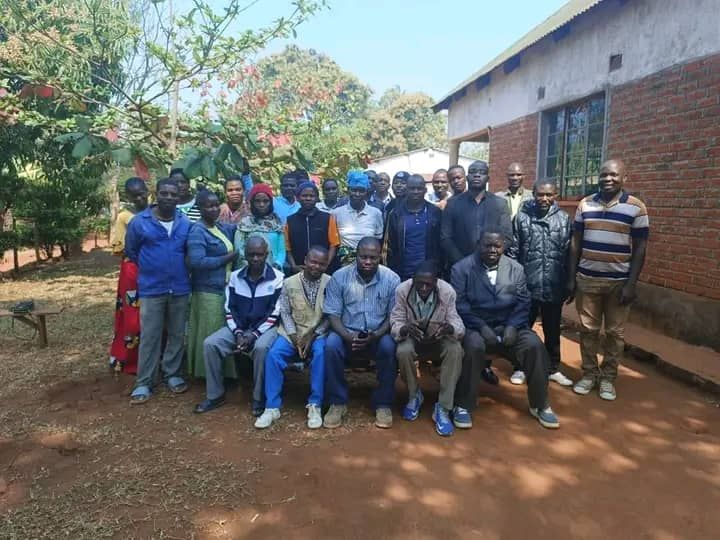
Communities in Senior Chief Chikumbu’s area in Mulanje have initiated a fundraising campaign to construct a community hall.
The Area Development Committee (ADC) Secretary, Elton Magombo, stated that they aim to raise 50 million kwacha for the project.
Magombo explained that community members have begun contributing 1,000 kwacha each.
“We understand that not everyone can afford to contribute money, so some farmers are pledging to contribute pigeon peas and other resources,” he said.
He added that a committee has been formed to manage the finances, ensuring transparency and accountability.
“We have opened a special account where the collected funds are being deposited,” Magombo explained.
He further emphasized that their efforts align with the 2063 goals, which encourage communities to develop their areas using locally available resources as a way of achieving self-reliance.
“We are appealing to anyone who can contribute in any way towards the construction of this much-needed community hall. With collective effort, we can build a magnificent facility,” he added.
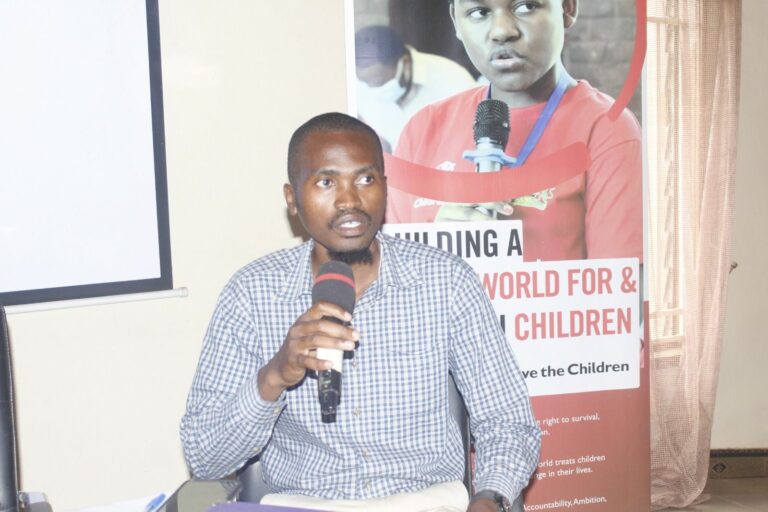
Kenneth Mumma, Executive Director of Children of Hope Organisation (COHO), expressed his admiration for the community’s initiative.
He called on other organizations in the district to support the project to help fulfill the community’s vision.
“Since we have an ongoing project to construct CBCCs in the area, we will negotiate with donors to assist in this construction, as the hall will serve the community, facilitate various meetings, and act as a tool for fundraising,” Mumma said.
The American Firelight Foundation and Mudzi are supporting Children of Hope Organisation, which is actively involved in community development, particularly in the areas of Early Childhood Development through the construction of CBCCs, offering soft loans to parents and caregivers, providing livestock to families, and other initiatives in Traditional Authority Chikumbu in Mulanje District since 2007.