Monday, April 6, 2026
No menu items!
spot_img
Home Blog Page 1172

Assessing Malawi’s leadership and IMF relations: A critical view

By Burnett Munthali

Malawi, a nation in Southern Africa, has long grappled with economic challenges that have led it to seek financial assistance from international institutions like the International Monetary Fund (IMF). The IMF’s role, in theory, is to provide guidance and support to countries in economic distress, but its policies and recommendations are often met with mixed reactions. This article examines the current leadership in Malawi and their approach to dealing with the IMF, questioning whether they possess the fortitude to challenge the institution’s guidance and decisions.

Malawi’s contemporary leadership has faced scrutiny for its handling of the nation’s economic policies. Critics argue that the current leaders lack the vision and courage needed to confront the IMF when its recommendations are seen as counterproductive or inappropriate for Malawi’s unique circumstances. This perception is fueled by the view that the leaders are excessively reliant on external aid and financial assistance, embodying a metaphorical “beggar” mentality.
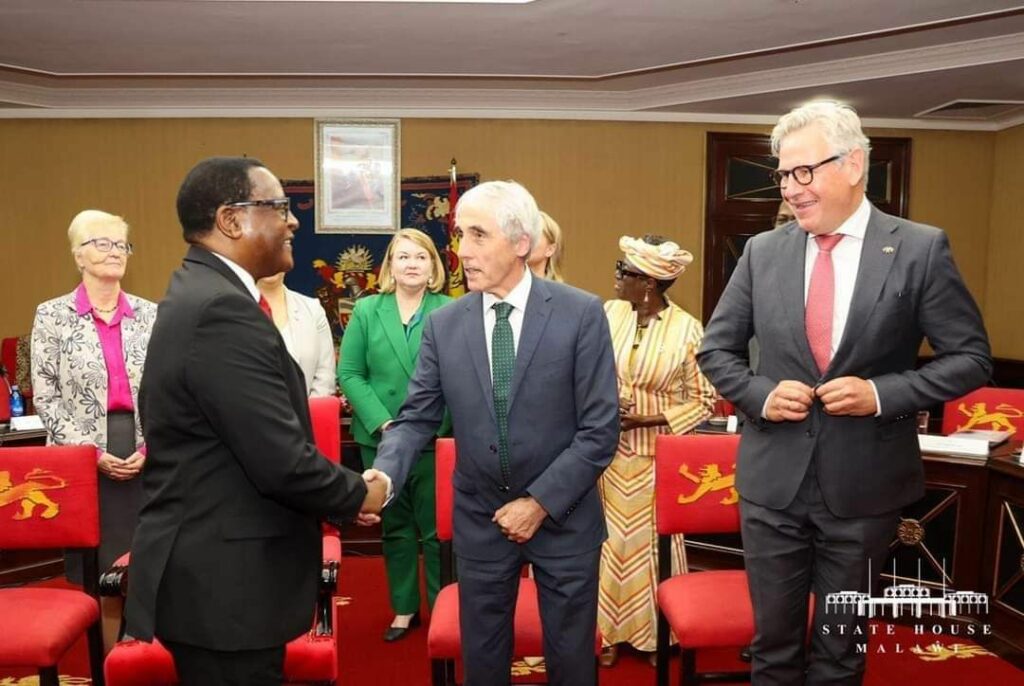

LThe IMF often prescribes austerity measures, structural reforms, and fiscal discipline to countries in economic distress. While these measures are intended to stabilize economies, they can sometimes exacerbate poverty and social inequality. For Malawi, these recommendations might appear disconnected from the lived realities of its citizens, who struggle with basic needs and services.

Critics of Malawi’s leadership argue that instead of questioning or negotiating the IMF’s terms, the current administration acquiesces readily, prioritizing short-term financial relief over long-term sustainable development. This perceived lack of assertiveness is likened to the naivety of “kindergarten kids,” suggesting a lack of sophistication and strategic thinking.

The analogy of “mwala ku mwala katapila” (a stone hitting a stone) is used to describe the seemingly unproductive cycle of borrowing. This phrase highlights a concern that borrowing from international institutions, without addressing underlying economic issues, is akin to hitting a hard surface with no productive outcome. Critics argue that such borrowing, while providing temporary relief, often fails to address structural weaknesses within Malawi’s economy.

For Malawi to navigate its economic challenges effectively, strong leadership is crucial. This means not only accepting financial assistance but also critically evaluating the terms and advocating for policies that align with the country’s needs. Courageous leadership would involve engaging with the IMF in a way that prioritizes national interests, even if it means challenging established norms or facing short-term discomfort.

In conclusion, the current leadership in Malawi faces a critical test in its interactions with the IMF. The ability to confront and negotiate terms with the IMF, rather than passively accepting its recommendations, is essential for achieving sustainable economic progress. As Malawi continues to navigate its complex economic landscape, it will need leaders who are both resilient and innovative, capable of balancing external assistance with effective domestic policy and reform.
Doing business or farming in Malawi is more complicated

0

By Burnett Munthali

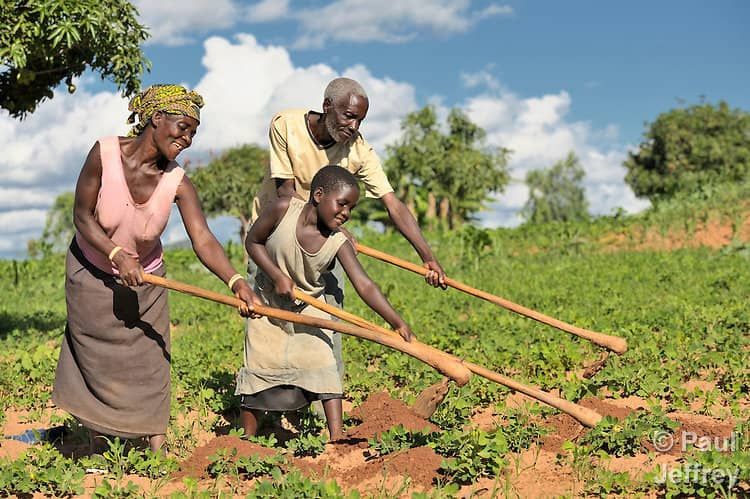
Operating a business or farming in Malawi presents significant complications that hinder growth and development. Among these challenges, a fundamental issue is the widespread lack of mathematical understanding among entrepreneurs and farmers, which impacts their ability to navigate and manage their operations effectively. However, this is only part of the broader problem.

Many business owners and farmers in Malawi struggle with basic mathematical concepts crucial for financial management. This deficiency affects:

Inadequate mathematical skills lead to poor budgeting and inaccurate financial forecasting, making it difficult to plan for future expenses or growth.

Without a clear grasp of cost structures, setting competitive prices becomes problematic, often resulting in reduced profitability or unsustainable pricing strategies.

Effective business decisions depend on analyzing data related to sales, costs, and market trends. A lack of mathematical expertise hampers this analysis, leading to suboptimal decision-making.

*High taxes and their impact*

High taxation is another significant barrier to business growth in Malawi. The high tax burden on businesses increases operational costs and reduces profit margins. This issue is compounded by:

High taxes on imported goods make even the most basic commodities expensive. This reduces the affordability of goods for consumers and increases costs for businesses that rely on imported materials.

*Challenges in farming*

Farming in Malawi faces its own set of severe challenges, particularly regarding high costs and productivity issues:

The high prices of fertilizers have escalated the cost of food production. This financial burden limits farmers’ ability to invest in necessary inputs, impacting crop yields and overall food security.

For the past 60 years, food production in Malawi has been fraught with challenges. Despite various interventions and efforts, breaking through these longstanding issues remains elusive.

*Overall business environment*

The current environment for business in Malawi is broadly unfavorable due to several factors:

Inadequate infrastructure, including poor transportation and unreliable energy supplies, increases costs and complicates business operations.

Navigating the regulatory landscape is cumbersome and time-consuming. The complexity of obtaining permits and meeting compliance requirements can stifle entrepreneurial activity.

Fluctuations in the economy, including currency volatility and inflation, create an unpredictable business environment that makes long-term planning challenging.

Access to affordable financing is restricted, limiting the ability of businesses to invest in growth and innovation.

In conclusion, the challenges of doing business or farming in Malawi are multifaceted and interconnected. From the lack of mathematical understanding to high taxes, expensive imports, and costly agricultural inputs, the environment for economic activities is difficult. Addressing these issues requires comprehensive reforms, including better educational support for mathematical skills, tax policy adjustments, infrastructure improvements, and more accessible financial resources. Only through a concerted effort to overcome these hurdles can Malawi hope to foster a more conducive environment for business and agricultural success.

Chithyola finally delivers nomination papers at MCP headquarters – Assures MCP followers of change in doing things

0


By Senior Political Editor

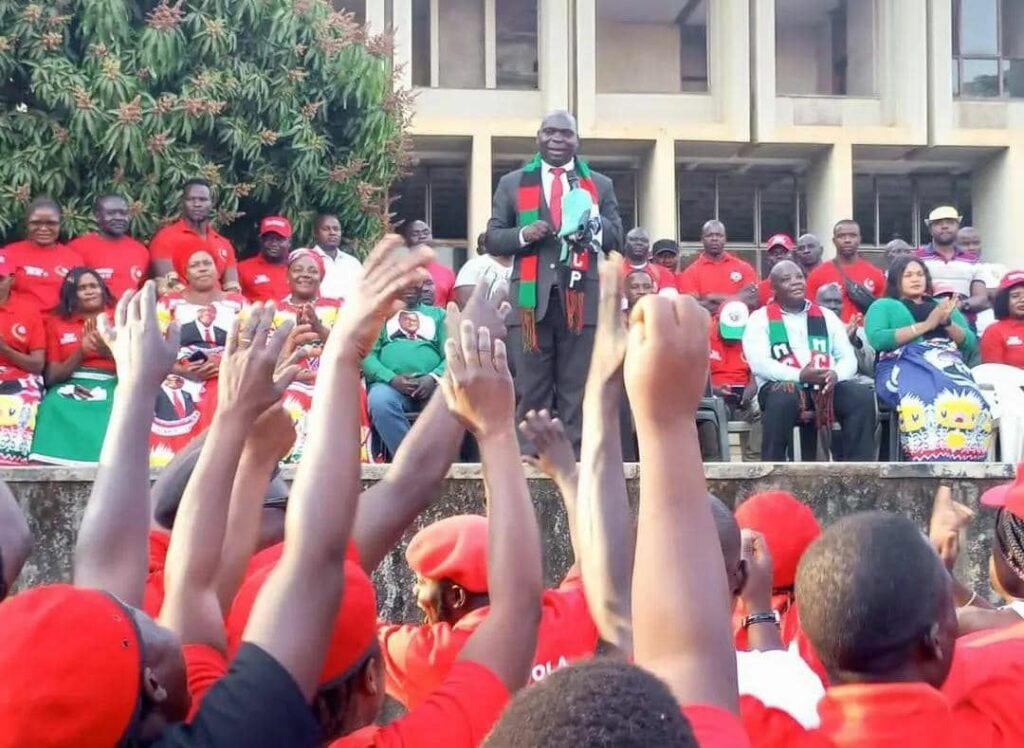
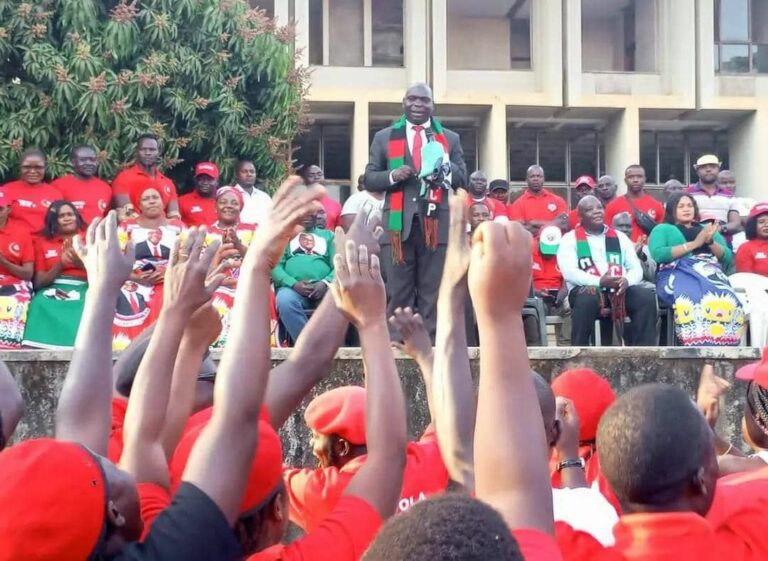
Thousands of Malawi Congress Party (MCP) supporters and senior party leaders on Saturday thronged,  party headquarters to witnes delivery of nomination papers by the hot candidate,  Honourable Simplex Chithyola Banda.

Banda, who is also Minister of Finance, arrived at the party headquarters while being escorted by District Chairpersons from Lilongwe , Dowa , Ntchisi,  Mchinji, Kasungu and others from the Northern region too numerous to mention.

Chithyola


To crown it all, Chithyola was also escorted by Regional Chairpersons from Central Region,  Patrick Zebron Chilondola, Lakeshore region chair Hon Chidzanja and more Members of Parliament.

Speaking during the function, Chithyola said he was so happy with the support that he received during the nomination process.

Chithyola said he did not anticipate such support from the MCP followers. He said that once voted into power, his first thing is to change the way things are being handled in the party.

He said currently it is sad that four years in Government the party infrastructure is still looking like a forgotten place’Bwinja’ .

In conclusion,  Chithyola pledged to creeate opportunities for the young people.

Vice President Usi attends 40th-day memorial mass for late Chilima

0

By Maston Kaiya


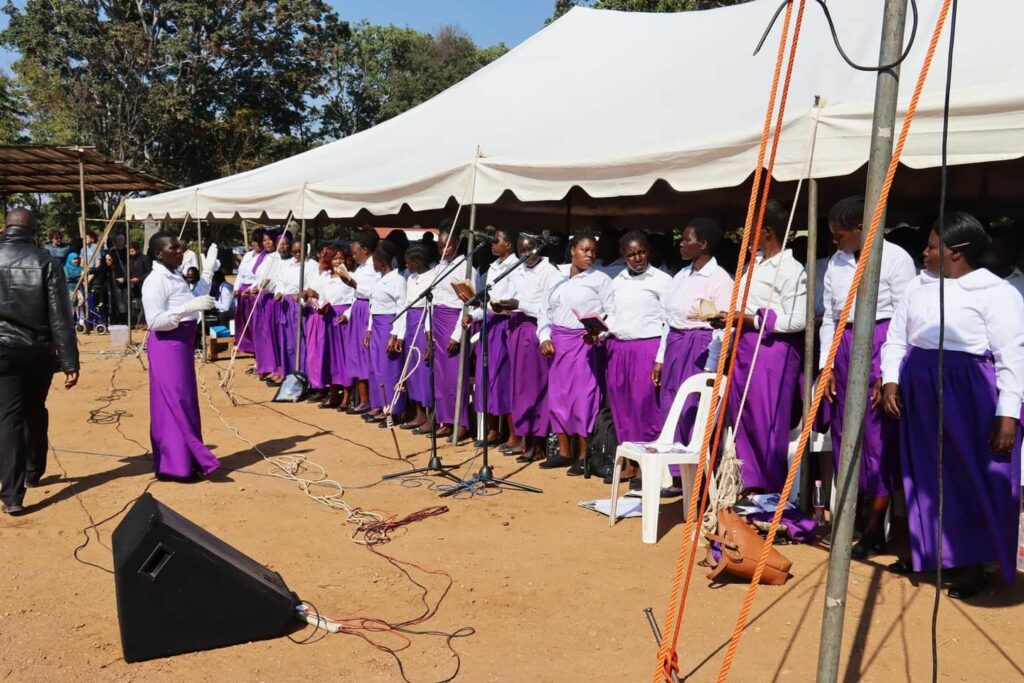
Malawi`s Vice President Michael Usi on Saturday attended the Memorial Mass of Late Saulos Chilima, who died in a plane crash together with eight others.

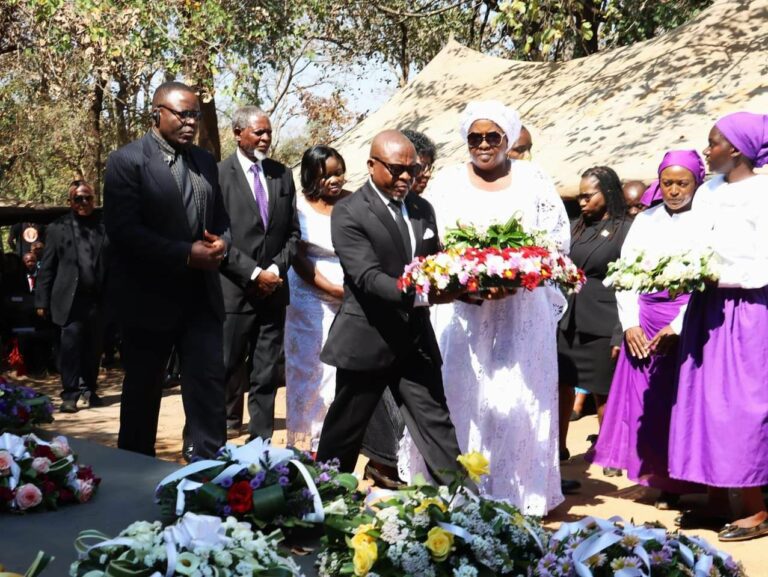
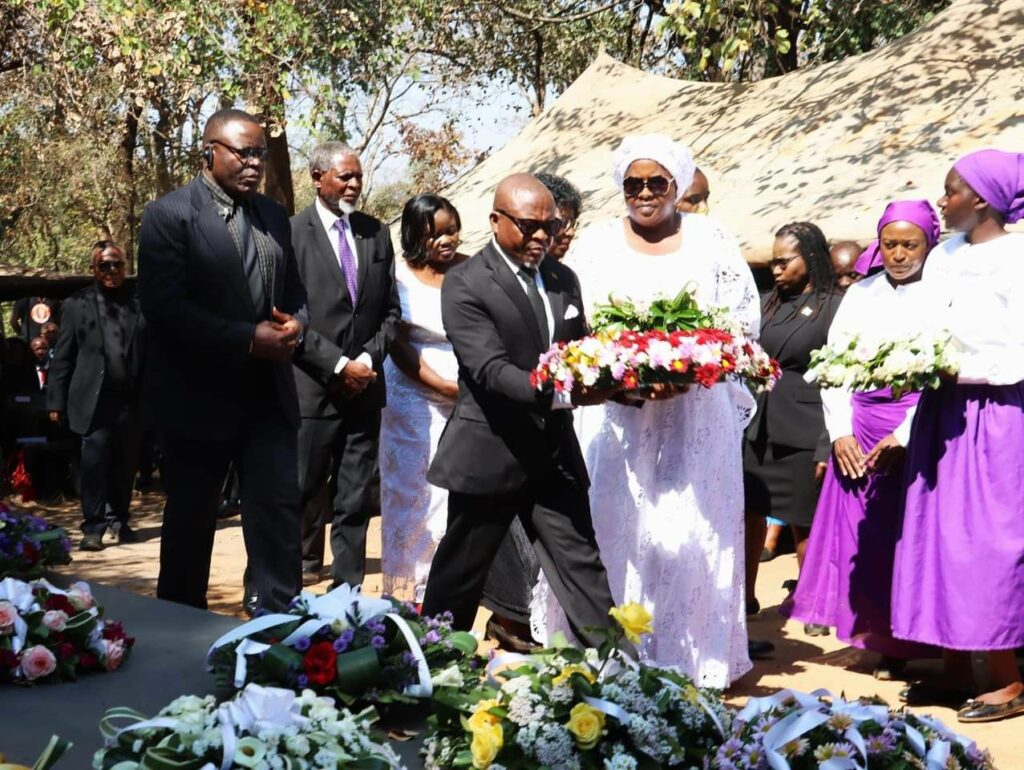
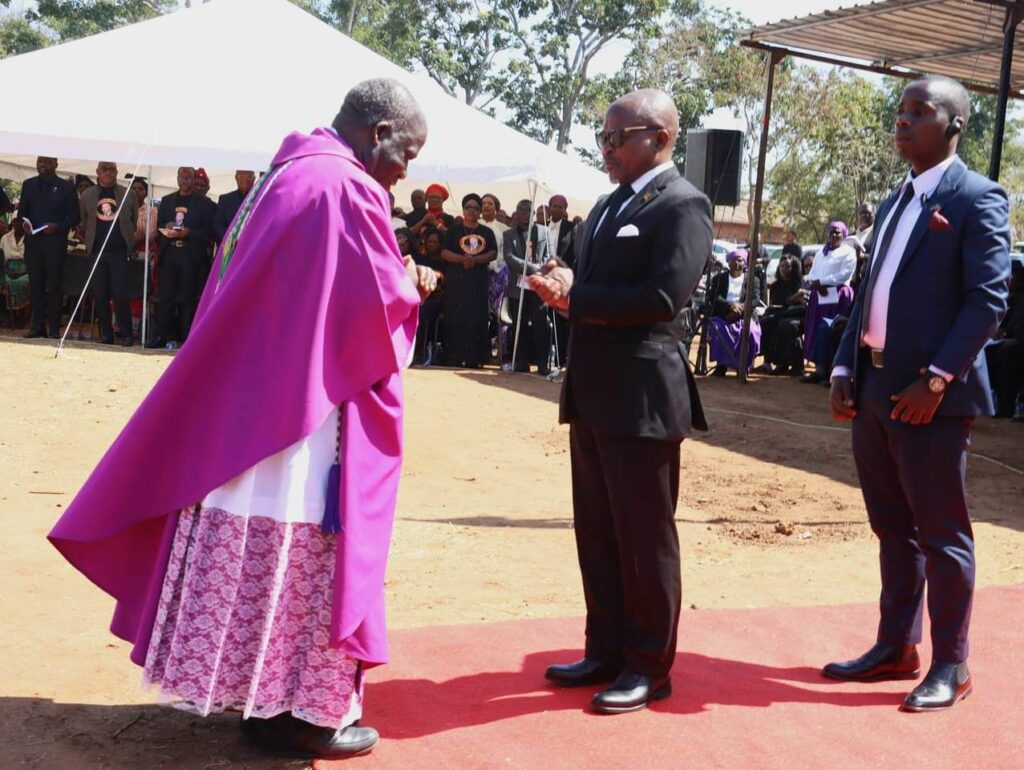
Usi, who was accompanied by cabinet ministers, among other government officials attended the Mass at Nsipe Catholic School Ground in Ntcheu 40 days after the plane crash which claimed the life of the late Vice President Saulos Chilima.

Speaking during the Mass, a representative of the bereaved family, Joshua Valera said the Chilima family members have no intention to run for any political position.

He said the family is still mourning Chilima and has since asked all people to respect Chilima’s soul but among others stop spreading false stories about the late Chilima.

Usi laying a wreath at Chilima’s grave

“The bereaved family has no intention to run for any political position as we are currently mourning Chilima,” said Valera.

He saluted Saint Patrick’s Parish, Dedza Diocese and Saint Montfort Parish, among other parishes for the support and love they have shown over Chilima’s death and urged all Malawians to forge ahead in the development of the nation.

On his part, Inkosi Ya Makosi Gomani V urged all people to love one another and put God first as was exemplified by the late Chilima.

During the ceremony, Right Reverend Peter Adrian Chifukwa, Bishop of the Dedza Diocese described Chilima as a devoted Christian.

He said the Chilima family decided to organize the memorial mass so that the church continues to pray for Chilima’s soul to rest in peace.

He added that Chilima was a natural leader who shared his vision with people from all walks of life.

Other notable people who attended the mass were beside the Vice president were spouse of the late Chilima, Mary and Catholic Bishops from Malawi and Zambia, among others.

The late Dr. Saulos Chilima who was also an Impi to Inkosi ya Makhosi Gomani V died in a Malawi Defense Force aircraft that crashed on Monday, June 10, 2024, in Chikangawa forest in Mzimba district.

He is survived by a wife and two children, Sean and Elizabeth.

He hailed from Mbirimtengerenji village, in the area of Inkosi Champiti in Ntcheu district.

Chimwendo Banda calls for peaceful political coexistence

0

By Joel Chirwa & George Bulombola

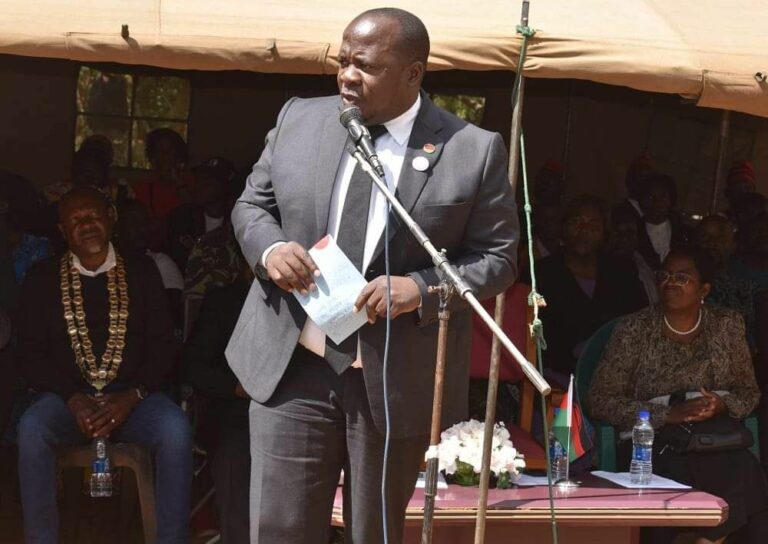
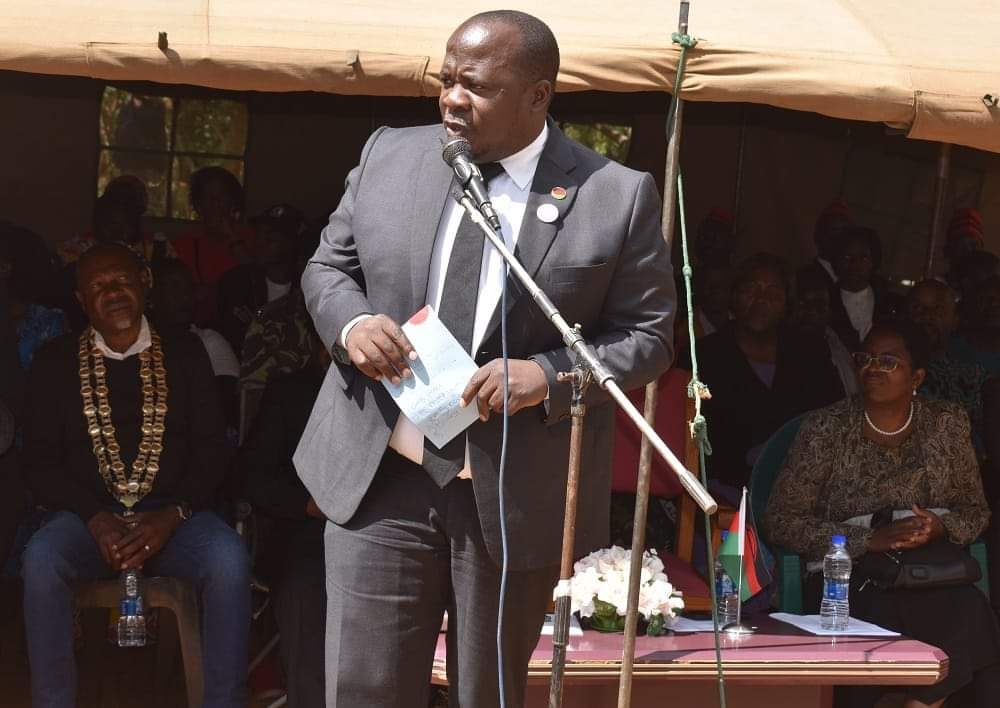
Minister of Local Government Unity and Culture, Richard Chimwendo Banda has appealed to politicians in the country to refrain from propelling hate speeches to avoid creating divisions amongst Malawians.

He was speaking Saturday at Zolozolo Cemetery in Mzuzu during the 13th anniversary commemoration prayer service for 21 people who were killed on July 20, 2011 by police during anti-government protests.

Chimwendo

Chimwendo Banda said hate speeches have the potential to create anger and incite people in taking unnecessary measures in seeking solutions to both social, economic and political issues.

“Let us promote behaviors that can bring peaceful political coexistence in the country to avoid similar incidents which led to the death of the 20 people during anti- government protests which could have been avoided in multiparty democracy.

We need not to continue politicking by promoting violence. Our words must go towards building national unity.  We have encountered enough problems in the form of natural disasters. This is not the time to create artificial problems. We cannot achieve anything through violence,” said Chimwendo Banda.

Representative of the bereaved families, Mercy Mbezuma Mfune appealed to the government to assist members of the families with soft loans for them to embark in small-scale business besides providing bereaved children with fees to pursue their education and vocational training.

“Some of the people who were killed had dependents who were in schools but now have dropped out because they cannot manage to pay school fees. Some had families and their spouses and children cannot make ends meet,” said Mbezuma.

Mbezuma said the families of those who were killed have on several occasions appealed for support from previous government administrations but their efforts have not achieved anything.

She however commended the government for providing both material and financial support towards the commemoration.

Vice President for Alliance for Democracy (Aford), Timothy Mtambo appealed to the government to compensate the bereaved families.

“Let me advise politicians against using this event for political gains. This should teach us a lesson to avoid repeating the same,” said Mtambo.

Deputy Secretary General of CCAP Synod of Livingstonia, Isaiah Mhone advised politicians against using young people to cause havoc under the pretext that they are supporting their parties.

“We are preparing for general elections which are scheduled for next year and if youth are used to perpetrating violence, we may not have peaceful elections as such we need to see a change in the way our politics is conducted in our country,” said Mhone.

Notable people who attended the service include Minister of Defence, Harry Mkandawire who is also Malawi Congress Party Vice President for the north, President for Aford, Enock Chihana, human rights activist for Nyika Institute, Moses Mkandawire, senior government officials, civil society organizations, clergy and leaders of political parties.

The event which was held under the theme ‘Towards healing and closure’ started with a procession from Mzuzu Technical College led by the clergy from CCAP Synod of Livingstonia, human rights activists, members of the bereaved families and sympathizers.