Sunday, April 5, 2026
No menu items!
spot_img
Home Blog Page 1178

Time management: A major challenge for civil servants in Malawi

By Burnett Munthali

Time management remains a critical issue for many civil servants in Malawi, as highlighted by recent observations made during a surprise visit by Vice President Dr. Michael Usi. On Wednesday, July 17, 2024, Dr. Usi’s unannounced inspection of government offices in Chikwawa revealed significant inefficiencies and challenges in time management among civil servants.


Dr. Usi’s visit to Chikwawa was intended to assess the operational effectiveness and commitment of civil servants in the region. The Vice President’s decision to conduct an unscheduled check underscores the importance of accountability and transparency within the public sector.
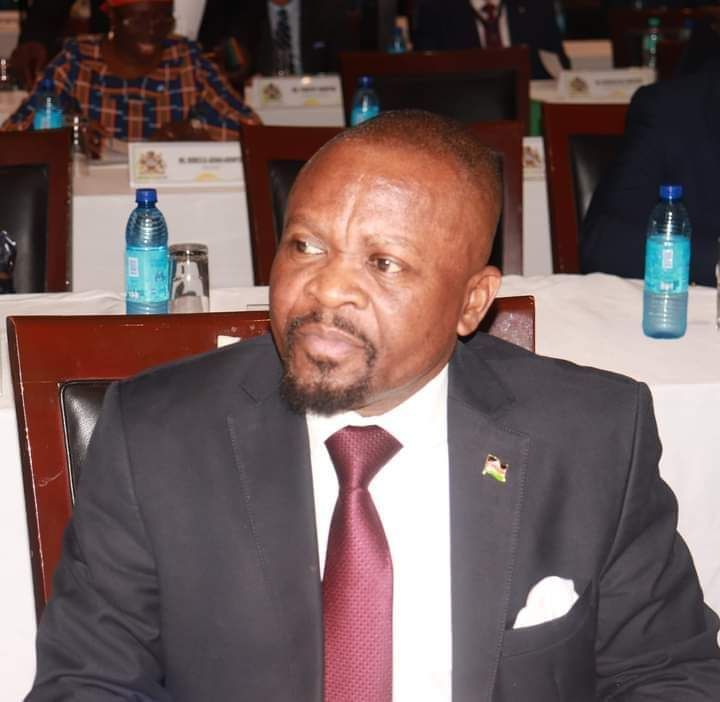
Usi

During his visit, Dr. Usi observed several instances where time management issues were prevalent. These observations included delayed responses to tasks, inefficient use of working hours, and a general lack of punctuality. Such challenges not only hinder the productivity of government offices but also impact the quality of service provided to the public.


Effective time management is crucial for the smooth functioning of government operations and the delivery of services to citizens. The inefficiencies observed in Chikwawa reflect broader systemic issues that can affect various aspects of public administration. When civil servants struggle with time management, it can lead to delays in processing applications, inefficiencies in service delivery, and reduced public trust in government institutions.

The findings from Dr. Usi’s visit highlight the need for targeted interventions to address time management issues within the civil service. Potential solutions could include:

1) Providing civil servants with training on effective time management techniques and productivity tools can help improve their efficiency and organizational skills.

2) Implementing robust performance monitoring systems to track punctuality and task completion can encourage accountability and better time management.

3) Ensuring that civil servants have the necessary resources and support to perform their duties effectively can help minimize delays and improve overall productivity.

4) Promoting a culture of professionalism and time-consciousness within government offices can foster a more efficient working environment and enhance public service delivery.

Dr. Usi’s observations serve as a wake-up call for the Malawian civil service to address time management challenges proactively. By implementing strategic measures and fostering a culture of accountability, the government can enhance the efficiency of its operations and improve the quality of service provided to citizens.

As the Vice President’s visit underscores, addressing time management issues is not just about improving productivity; it is also about restoring public confidence in the effectiveness and integrity of government institutions.

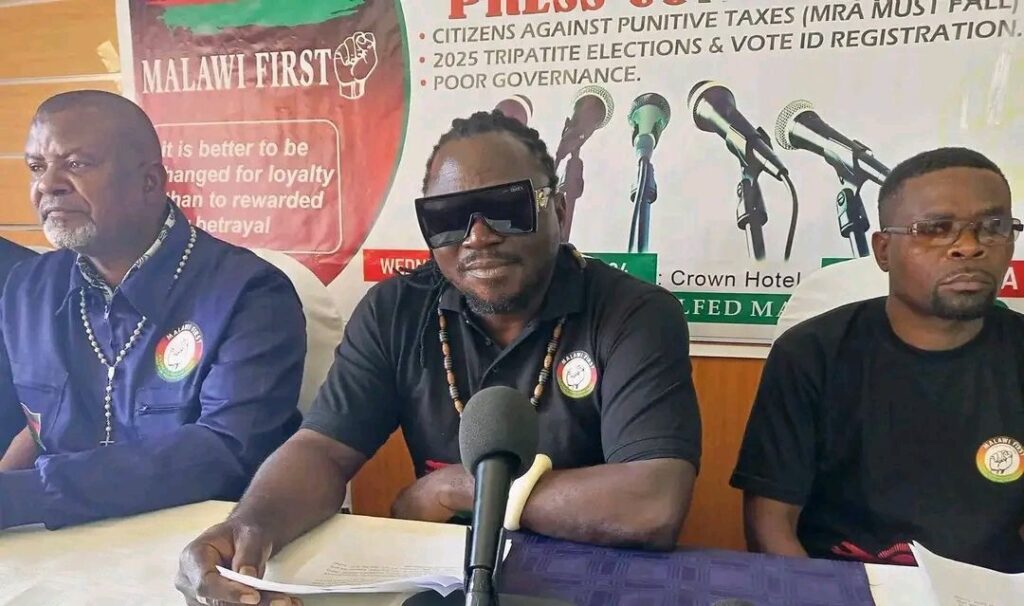
Malawi First gives Govt 10-day ultimatum to address citizen grievances

0

By Chisomo Phiri

Malawi First, a pressure group led by activist Bon Kalindo, has given the government a ten-day ultimatum to address several issues affecting the country’s citizens.

The grouping is demanding changes in the way three key agencies the Malawi Revenue Authority (MRA), the National Registration Bureau (NRB), and the Malawi Electoral Commission (MEC) operate.

Specifically, they want the MRA to suspend the implementation of Tax Stamps and engage in meaningful consultations with stakeholders.

They also want the NRB to overhaul its registration process to make it more inclusive and efficient.

Furthermore, they are calling on the MEC to reform its electoral laws to allow Malawians to register to vote using alternative forms of identification, not just national registration identification.

Speaking during a press briefing on Wednesday, Kalindo indicated that if their demands are not met within the ten-day deadline, they will organize nationwide demonstrations.

Kaphale,Silungwe  join Govt to defend ban on thin plastics

0

By Chisomo Phiri

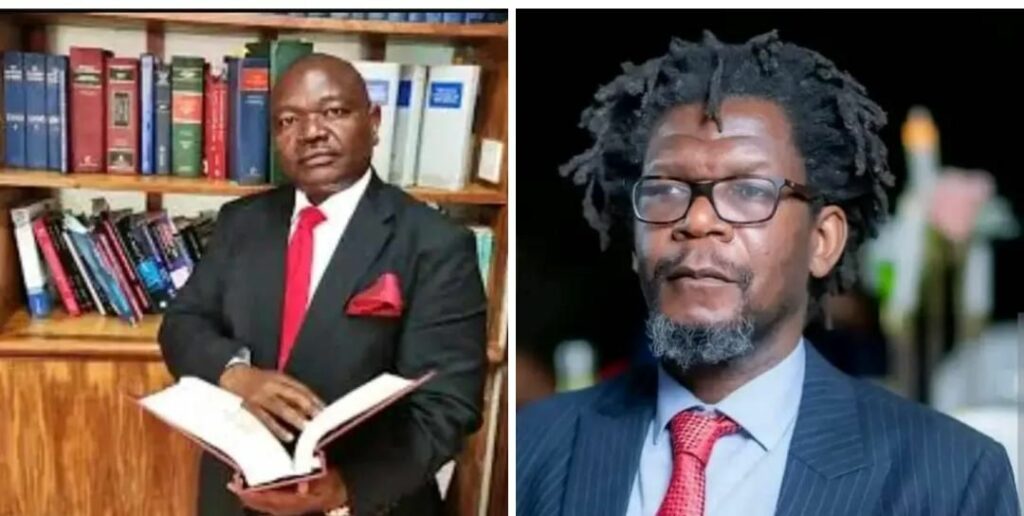
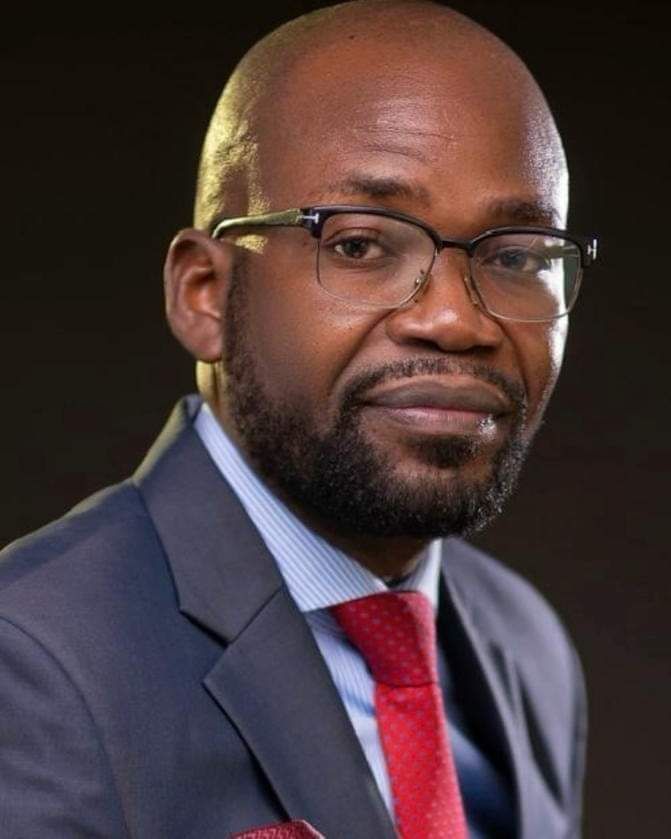
In a remarkable display of dedication to the public interest, two former Attorneys General, Kalekeni Kaphale and Chikosa Silungwe, have generously offered to join the government’s legal team in the “thin plastics case” pro bono.

Their expertise and experience will be invaluable in helping the State team defend against a fresh injunction obtained by 11 companies seeking to halt the Ministry of Natural Resources and Climate Change’s ban on thin plastics.

Kaphale and Chikosq

Once formally appointed by Attorney General Thabo Chakaka Nyirenda, the two Senior Counsel will bring their wealth of knowledge and skill to the legal battle.

The Ministry of Justice has confirmed that the duo has offered their services pro bono, demonstrating their commitment to the public good.

Kaphale previously served as Attorney General under the Democratic Progressive Party (DPP) administration, while Silungwe held the position under the current Tonse Alliance administration.

The companies that obtained the injunction include City Plastics Industry, Flexo Pack Ltd, G. Plastics Wholesale and Retail, G.S Plastic Industry, Jagot Plastics Ltd, O.G Plastics Industries (2008) Ltd, Plastimax Ltd, Polypack Ltd, Qingdao Recycling Ltd, Sharma Industries, and Shore Rubber (Lilongwe) Ltd.

Meanwhile, Chakaka Nyirenda has expressed gratitude for the offer from the two former Attorneys General, acknowledging the significance of their contribution to the case.

“Their involvement is expected to bolster the government’s position and help ensure a favorable outcome for the environment and the public,” says Chakaka Nyirenda.

Three fined for cutting down trees in forest reserve area in Balaka

0

By Vincent Gunde

Balaka Senior Resident Magistrate Joshua Nkhono has ordered three men to pay a fine of K100,000.00 each or in default serve 18 months imprisonment with hard labour for cutting down trees in a forest reserve without authority.

The court through state prosecutor Constable Paul Shema heard that the convicts Paul Mungomo, Misheck Masese and Joseph Mcherewatha on June 26, 2024 at Demeter Farm in the district of Balaka were found cutting down trees at Demeter Fuel and Crops Farm Forest Reserve without authority and value of the trees being K650,000.00.


Appearing before court, the convicts pleaded guilty to charges of cutting down trees in a forest reserve contrary to Section 46 of the Forest Act.

Passing sentence, Senior Resident Magistrate Joshua Nkhono concurred with the state’s submission and ordered the convicts to pay a fine of K100,000.00 each or in default serve 18 months imprisonment with hard labour as a deterrent to other would-be offenders.

They have since paid the fine.

Paul Mungomo, 49, comes from Makawa Village, Misheck Masese, 52, is from Chilimba Village and Joseph Mcherewatha, 70, is from Tapuwa Village, all from Traditional Authority Nkaya in Balaka District.

In a related development, the Second Grade Magistrate’s Court in the district has convicted and sentenced a 52-year-old man, Wyson Nkuwo, of Chipapa Village in Traditional Authority Kalembo in Balaka District, to 2 years imprisonment with hard labour for stealing a bicycle.

Malawians Unite Against Corruption: 89% Believe Country is Heading in Wrong Direction

0

By Twink Jones Gadama

A staggering 89% of Malawians believe their country is on the wrong path, according to a recent Afrobarometer survey.

The report, titled “African Insights 2024: Democracy at Risk, the People’s Perspective,” reveals widespread discontent with the government’s handling of corruption, economic management, and political shortcomings.

The survey found that corruption is perceived as a significant obstacle to Malawi’s progress, with 80% of respondents believing that ordinary people who commit crimes are punished, while 66% think corruption is increasing.

A alarming 37% of Malawians believe most or all officials in the Presidency are corrupt.

The report also highlights a decline in democratic support, from 78% in 2011 to 58% in 2024.

This downward trend is attributed to the government’s failure to address corruption and ensure accountability.

Boniface Dulani, associate professor of political science at the University of Malawi, notes that there is a growing demand for accountable governance, citing examples of youth-led movements in Kenya and elsewhere calling for an end to corruption and greater democratic norms.

Kunkuyu- government committed to fight corruptio


Governance advocate Charles Kajoloweka lamented that the fight against corruption remains rhetorical, while poverty continues to worsen.

He urged the government to demonstrate commitment to implementing Malawi2063, a development blueprint aimed at growing the economy and creating wealth.

Accountability pundit Willy Kambwandira expressed frustration over the discontinuation of grand corruption cases and the perceived impunity of those connected to the corridors of power.

Human Rights Defenders Coalition chairperson Gift Trapence concurred, stating that governments have lacked political commitment to stamp out corruption.

In response, Minister of Information and Digitisation Moses Kunkuyu acknowledged the findings, attributing them to people’s perceptions driven by needs, interests, and expectations.

He emphasized the government’s commitment to fighting corruption and highlighted initiatives like commercializing agriculture, regulating mining, and promoting tourism to boost economic growth.

The Afrobarometer report serves as a wake-up call for Malawi’s leadership to address the pressing concerns of its citizens.

As the country grapples with corruption, economic hardship, and political disillusionment, it is clear that urgent action is needed to restore trust in government and ensure a brighter future for all Malawians.