
Sunday, April 5, 2026
No menu items!
spot_img
Home Blog Page 1180

MACRA initiates interactive forum for operators and consumers

0

By Dean Chisambo

Malawi  Regulatory Authority (MACRA) has initiated an interactive forum for consumers and service operators for promoting digital literacy and skills development in line with Malawi blue print 2063.

Speaking during an open  week meeting with various stakeholders on Wednesday in Lilongwe principle secretary in the ministry of information and Digitalization Baldwin Chiyamwaka said the open week will provide an opportunity for stakeholders to collectively work together to foster a vibrant and inclusive information and communication technology sector in this country.
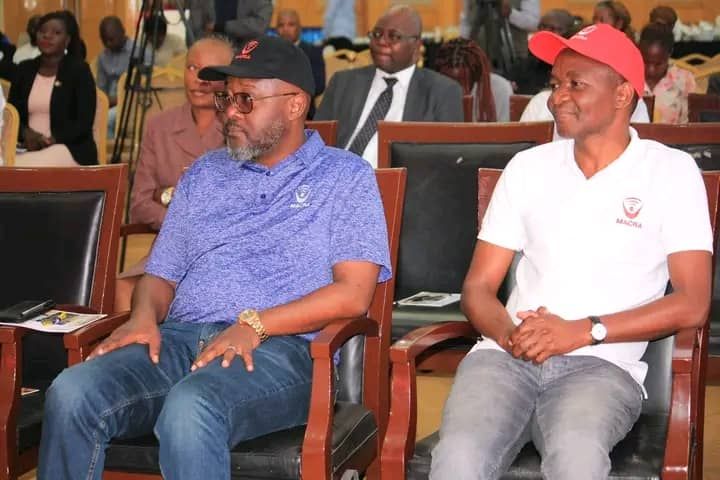
Chiyamwaka (L) and Namatcha (R) listening the meeting presentation

He said the government is committed in enhancing ICT and has several initiatives in motion such as providing free public Wi-Fi at different sites like markets, universities airports, primary and secondary schools.

Chimwayaka said:” a number of ICT labs are being built in community day secondary school to promote the use of ICT services and provision of Wi-Fi internet services connection.”

In his remarks MACRA Acting director of postal service Barnett Namatcha said they will proceed with an open day meeting to promote service players in the digital and telecommunication sector.

He further said the government is committed to ensuring that its actions and decisions are open to scrutiny and that stakeholders have pure clear understanding of regulatory needs and processes.

He said:” in this open week we will highlight the key projects, innovation and initiatives that are shapping the future of ICT sector in Malawi.”

He revealed that the advancements in digital infrastructure, efforts to promote connectivity and initiatives aimed at bridging the digital divide.

The open week meeting started in Blantyre last week and will continue to Mzuzu which brought together  the service providers in the digital and telecommunication industry and also the consumers.
Is fake news the same as breaking news? Lessons from the Dr. Dalitso Kabambe resignation

By Burnett Munthali

On July 14, 2024, the resignation of Dr. Dalitso Kabambe from the Democratic Progressive Party (DPP) was reported by Malawi Voice, Nyasa Times, and 247 Malawi, as breaking news. This announcement was swiftly challenged by DPP spokesperson Shadric Namalomba, who claimed that the party had not been informed and labeled the reports as fake news. This response led to criticism and accusations of hasty reporting, particularly targeting me. However, on July 15, 2024, Dr. Kabambe confirmed his resignation in a letter dated the same day, validating the initial reports that he had resigned on July 14, 2024. This development raises crucial questions about whether the initial report should have been considered fake news or merely unofficial.

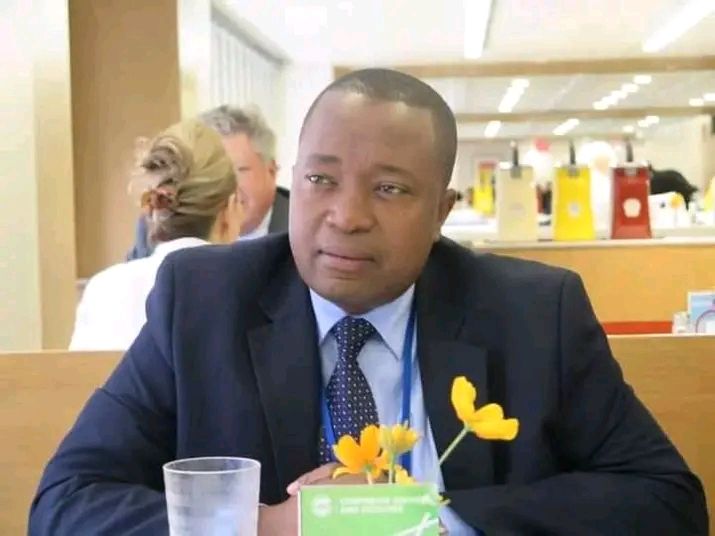
Dalitso Kabambe

What is breaking news?

Breaking news refers to reports on significant and current events that are happening or have just occurred. Key aspects include:

It provides immediate updates on recent developments that are of public interest.

The news is relevant and impactful, warranting prompt reporting.

Breaking news often evolves with new information, requiring ongoing updates.

In the case of Dr. Kabambe, the report was classified as breaking news because it announced a significant event in real-time, reflecting the urgency of the situation.

What is fake news?

Fake news involves deliberately false or misleading information presented as if it were genuine news. Characteristics include:

The content is intentionally false or distorted.

It aims to mislead, manipulate, or influence public opinion for various agendas.

It often lacks credible sources or proper fact-checking.

Initially, the resignation report was labeled as fake news by some due to the lack of immediate confirmation from the DPP. However, as Dr. Kabambe’s confirmation later verified the report, it became clear that the initial news was not fake but rather an early report of a true event.

*Final thoughts on Dr. Dalitso Kabambe’s resignation*

Given that Dr. Kabambe confirmed his resignation on July 15, 2024, the initial report from July 14 should be viewed as breaking news rather than fake news. The initial confusion stemmed from the lack of immediate confirmation from the DPP, not from intentional misinformation. The term “fake news” was misapplied in this instance, reflecting the challenges of distinguishing between unofficial news and deliberate misinformation.

On candle light: A Matter Of Faith


By Burnett Munthali

In examining the intricacies of faith and cultural practices, one may encounter diverse perspectives on seemingly simple customs. A particular instance comes to mind, highlighting how faith can shape our attitudes toward traditional practices.

Consider the example of a certain  revered figure from someone’s lineage who has a distinct view on cultural rites. In his tradition, there’s a customary practice of lighting candles as part of funeral ceremonies. This act is meant to honor the deceased and guide their spirit. However, it’s important to acknowledge that not everyone subscribes to this practice or attaches the same significance to it.

For some, such rituals might seem redundant or disconnected from their personal beliefs. For instance, this individual might believe that once the funeral rites are completed, their role is fulfilled, and there is no need to continue with traditional customs that may seem irrelevant or redundant. They might argue that life moves on and that dwelling on rituals after their purpose has been served does not align with their faith or practical outlook.

This perspective highlights a broader issue: the intersection of personal faith and cultural practices. Faith can profoundly influence one’s engagement with traditional rituals. If an individual’s faith does not align with the significance or purpose of certain practices, they might choose to forego or reinterpret them according to their beliefs.

Understanding this viewpoint requires a nuanced appreciation of how faith shapes our engagement with cultural norms. While some may see these practices as essential to honoring traditions, others may find their relevance limited by their faith’s teachings or personal convictions.

Ultimately, this divergence illustrates that faith and cultural practices are deeply personal. What is meaningful to one might not hold the same significance to another. Respecting these differences is key to fostering understanding and harmony within our diverse communities.

Analysis of VP Dr. Michael Usi’s metaphor: “Cooking stick” versus UTM


By Burnett Munthali

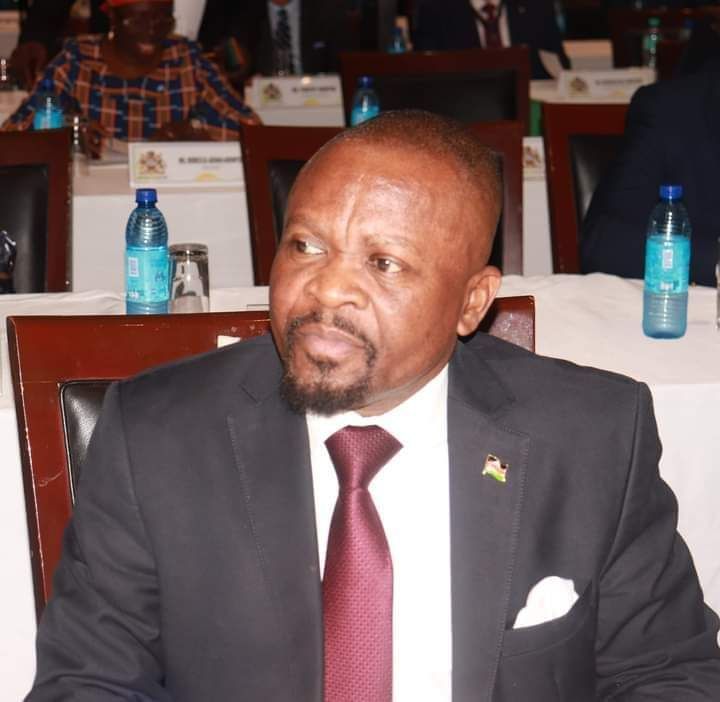
On Wednesday, July 17, 2024, Vice President Dr. Michael Usi drew a vivid metaphor by comparing himself to a woman cooking nsima, a staple Malawian dish. In his analogy, he likened himself to someone holding the “mthiko” (cooking stick), despite the “hot price” or difficulties that might arise. This metaphor offers a rich layer of interpretation about his role and position within the United Transformation Movement (UTM) and his political journey.

Usi

Interpretation of the metaphor

By comparing himself to a cook who continues to work despite the heat and potential spills, Dr. Usi emphasizes his resilience and determination. Just as a cook endures the challenges of cooking over a hot stove, he suggests he too persists through political and personal challenges, showing steadfastness in his role despite difficulties.

The “mthiko” or cooking stick represents the tools of his trade and the ongoing effort he puts into his work. It symbolizes his active involvement and continuous effort in managing and leading within the UTM. This indicates that, like a cook who keeps stirring the pot to ensure a well-cooked meal, Dr. Usi is consistently working to manage and steer the party or address political issues.

The metaphor underscores the responsibilities and leadership roles Dr. Usi assumes. Just as a cook must skillfully handle the cooking stick to prepare a meal, Dr. Usi conveys that he is adeptly handling his responsibilities, guiding

The phrase “I’m a cooking stick” isn’t a common metaphor or idiom, so its meaning can vary depending on context. If used metaphorically, it might imply a role or function related to supporting or facilitating something, similar to how a cooking stick (or spoon) helps in preparing food.

For instance, if someone says “I’m a cooking stick” in a metaphorical sense, they might be suggesting that they play a supportive or enabling role in a situation, helping to stir or manage various elements, much like how a stick is used to stir ingredients in cooking. However, without additional context, it’s challenging to pinpoint a specific meaning.

The metaphor “I’m a cook” can imply several meanings depending on the context:

Firstly, it can suggest that the person sees themselves as someone who creates or manages a process. Just as a cook prepares and combines ingredients to make a dish, someone using this metaphor might feel they are orchestrating or handling various elements of a situation or project.

Secondly, it may also highlight that the person is skilled in combining different elements to achieve a desirable outcome, indicating creativity and expertise in their field, similar to a cook’s ability to craft a delicious meal from diverse ingredients.

Thirdly, the metaphor can imply that the person is good at solving problems and handling challenges, as a cook must adjust and adapt recipes based on available ingredients and conditions.

Overall, saying “I’m a cook” metaphorically emphasizes a person’s role in managing, creating, or solving issues with skill and adaptability.

Whatever the case, Dr Michael Usi knows better what he was driving at. Interpretations still remain opinion and guess work.

Bingu and Economic leadership -lessons to learn

By Burnett Munthali

When evaluating the legacy of economic leadership in Malawi, few names resonate as powerfully as Bingu wa Mutharika. Widely recognized as a skilled economic engineer, Bingu’s contributions to the country’s development are noteworthy. However, an intriguing aspect of his story is how credit for his achievements was often misattributed.

While Bingu was indeed a masterful architect of economic policy, it was his predecessor, His Excellency Dr. Bakili Muluzi, who frequently received public acclaim for the economic progress achieved during his presidency. Dr. Muluzi was adept at leveraging the successes of Bingu’s work to bolster his own political campaigns. This situation, while politically strategic, overlooked the crucial role played by Bingu as an economic visionary.

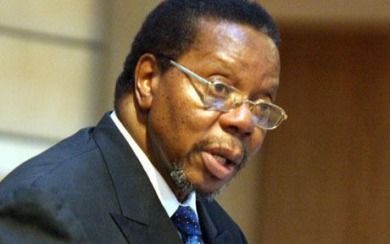
Bingu

Bingu wa Mutharika’s expertise lay not only in his strategic economic planning but also in his ability to implement policies that had a tangible impact on Malawi’s economy. Despite his significant role in shaping economic policy, Bingu chose to maintain a low profile. His humility was a defining trait; he preferred to let his achievements speak for themselves rather than seek personal glory.

It was only after Bingu assumed the presidency that his contributions to economic engineering were fully recognized. His approach, marked by a quiet diligence and a focus on substantive results, eventually brought his role into the spotlight. As President, Bingu’s policies continued to reflect his deep understanding of economic principles, and his tenure was marked by notable achievements in economic development.

This juxtaposition highlights an important aspect of political and economic leadership: the often complex interplay between individual contributions and public recognition. While Bingu wa Mutharika’s work was instrumental in shaping Malawi’s economic landscape, the public narrative initially favored his predecessor, who capitalized on the economic advancements achieved during his tenure.

In retrospect, Bingu’s story serves as a reminder of the often unheralded contributions made by individuals behind the scenes. His dedication to economic development, characterized by a combination of technical skill and understated professionalism, ultimately left a lasting impact on Malawi. As we reflect on his legacy, it is crucial to acknowledge and credit the true architects of economic progress, regardless of the public face that may have initially received the spotlight.