
Tuesday, April 14, 2026
No menu items!
spot_img
Home Blog Page 1194

The impact of candlelighting memorial services: Reflection and resilience

By Burnett Munthali

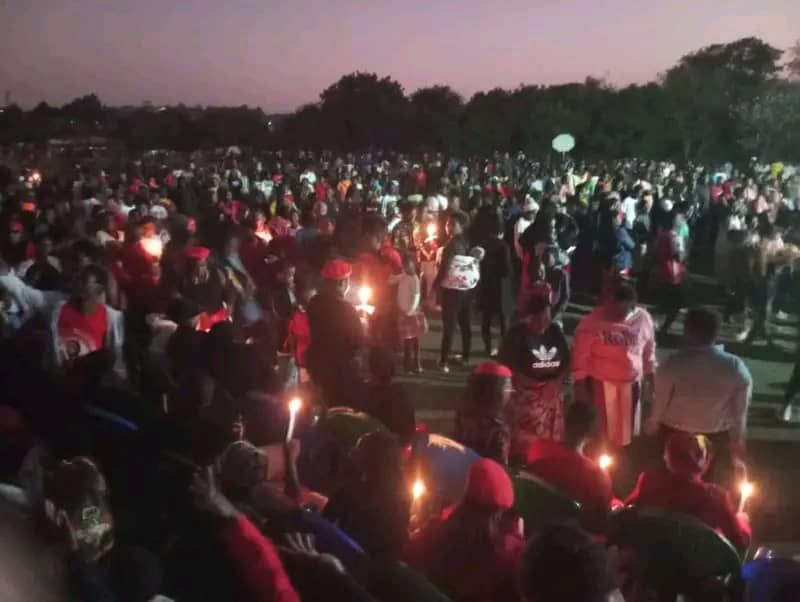
Candlelighting memorial services have become a significant cultural and political ritual, offering communities a poignant way to remember, mourn, and reflect. These ceremonies, marked by the lighting of candles, serve as a powerful symbol of collective grief and solidarity. Their impact extends beyond mere commemoration, influencing social and political consciousness.

The significance of candlelighting memorial services:

Firstly, the act of lighting candles is a symbol of bringing light to darkness, representing hope, remembrance, and the enduring spirit of those who have passed. It transforms personal loss into a shared experience of community solidarity.

Candlelighting serves as a means of preserving and honoring the memory of individuals who have made significant impacts or whose lives have been tragically cut short. It helps communities to collectively remember and celebrate their legacies.

Secondly, for many, participating in a candlelighting memorial provides a sense of closure and comfort. It allows individuals to express their grief in a communal setting, fostering a supportive environment for healing.

These services help to build empathy among participants, as shared mourning and reflection can strengthen communal bonds and provide emotional support.


Political and Social Dimensions:

Firstly, candlelighting memorials are often used to draw attention to social and political issues. By organizing these services, communities can highlight causes related to the individuals being honored, such as human rights, justice, or environmental concerns.

These services can also act as a platform for mobilizing collective action. The visibility and emotional weight of candlelighting can inspire participants to engage in advocacy or support related causes.

Secondly,  in some contexts, candlelighting memorials are integrated into public demonstrations and protests. They serve as a non-violent method of expressing dissent and solidarity, helping to amplify voices calling for change or justice.

The serene and contemplative nature of candlelighting often contrasts with more confrontational forms of protest, providing a peaceful yet powerful form of expression.

Impact on Communities:

Candlelighting services bring people together, fostering a sense of unity and shared purpose. They provide a common space for individuals to come together and support one another through times of sorrow and reflection.

By participating in these rituals, community members can strengthen social ties and reinforce a collective identity, contributing to a more cohesive and resilient community.

These memorials offer an opportunity for collective introspection. They encourage participants to reflect on the lives of those being honored, as well as on broader societal issues, prompting deeper consideration of personal and collective values.

The act of lighting a candle in memory can inspire resilience and a renewed commitment to addressing the issues or values associated with the individual or cause being remembered.


In conclusion, candlelighting memorial services serve as a profound expression of communal grief and solidarity, impacting both individuals and societies. Through their symbolic and emotional resonance, they provide a space for reflection, healing, and advocacy. Their role in fostering unity and raising awareness underscores their significance as a powerful tool for collective memory and social change. In honoring the past and addressing contemporary issues, candlelighting memorials continue to shape and inspire communities, reinforcing their resilience and commitment to justice and solidarity.
Dr. Dalitso Kabambe’s perceived lack of patience: Potential risks and consequences


By Burnett Munthali

Preamble

According to information made available from the people who have worked very closely with him, they say Dr Kabambe lacks patience.

Potential risks and consequences

Dr. Dalitso Kabambe’s departure from the Democratic Progressive Party (DPP) and subsequent shift to the United Transformation Movement (UTM) underscore concerns about his perceived lack of patience—a trait that may have significant implications for his political future. Here’s an analysis of how this perceived impatience could negatively impact Kabambe:

1.) Undermined trust and reputation

Kabambe’s abrupt departure from the DPP, driven by his frustration over not being handpicked as a presidential candidate and his anger over APM’s re-election plans, reflects a lack of patience. This quick exit, coupled with covert campaigns and legal battles, has likely damaged his reputation. Political parties and allies often value loyalty and patience, and Kabambe’s hasty actions may lead to distrust among potential supporters and collaborators.

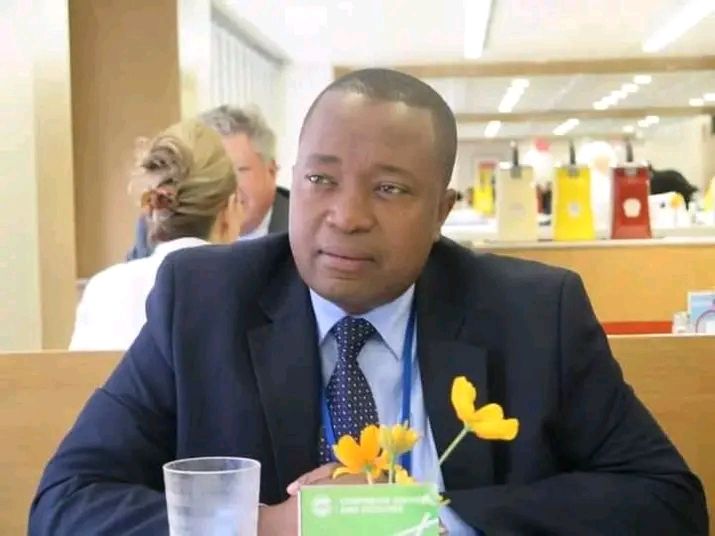
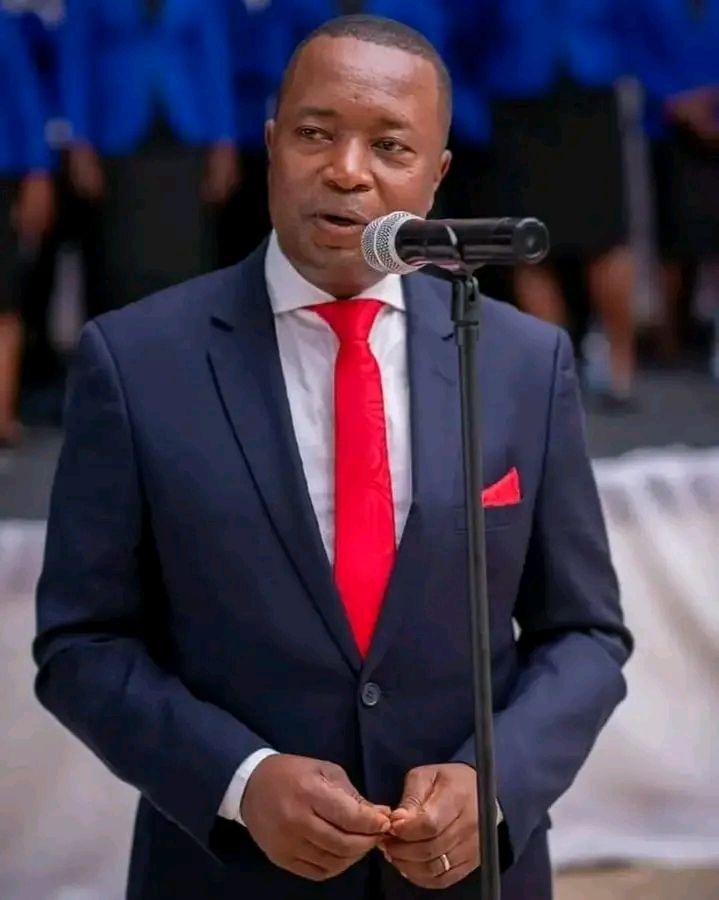
Dr Dalitso Kabambe


2.) Reputation for instability

Kabambe’s swift shift from the DPP to UTM might be perceived as instability or opportunism. Such behavior could make it difficult for him to build lasting, reliable relationships within UTM and beyond. Potential partners and voters may question his commitment and consistency, which are crucial for building a stable political career.

3.) Impact on political capital

Political capital, which includes the trust and support of party members and voters, can be eroded by perceived impatience. Kabambe’s inability to wait for his turn within the DPP and his subsequent move to UTM may result in diminished political capital. This reduction can affect his influence and effectiveness as he attempts to consolidate power within UTM and position himself as a credible candidate.

4.) Challenges in building a new platform

Transitioning to a new political platform like UTM requires time and strategic planning. Kabambe’s impatience might hinder his ability to effectively build and lead within UTM. He may face challenges in establishing himself as a strong candidate if he cannot patiently navigate the complexities of aligning with a new party and addressing internal dynamics.

5.) Potential for political isolation

If Kabambe’s perceived lack of patience continues to be a defining characteristic, he risks becoming politically isolated. His previous actions might deter others from collaborating with him or supporting his ambitions, leaving him with fewer allies and supporters as he attempts to advance his career.

In conclusion, Dr. Dalitso Kabambe’s perceived impatience, as evidenced by his rapid departure from the DPP and his subsequent shift to UTM, could have detrimental effects on his political career. The potential consequences include damaged trust, a reputation for instability, reduced political capital, difficulties in establishing a new platform, and the risk of political isolation. Kabambe’s ability to navigate these challenges with patience and strategic foresight will be critical in determining his future success.

MEC Unveils the theme of 2025 general election theme

0

By Dean Chisambo


Malawi Electrol Commission (MEC) chairperson  Anabel Mtalimanja has launched the theme of 2025 general election  which will be “promoting Democratic leadership through your voter.”

Mtalimanja announced this  during the press briefing on Tuesday in Lilongwe MEC

Mtalimanja also said the commission will begin receiving voter registration representatives from all the parties and organisations.

Mtalimanja addressing the media


She later disclosed that the Commission will launch the election process on 2nd August 2024 saying all the political parties, academia, faith leaders, academia and the media are invited during the event.

The MEC Chair also stated that the fresh voter registration will commence in August 2024.
The commission has already purchased biometric machines which will help solve voter transfer issues.

She emphasises that the commission will conduct credible, transparency and Fair election come 2025.

Mtalimanja cautioned the general public to refrain from misinformation of the election especially  on social media.

The Malawi Electrol Commission is expected to hold the  general election on 16th September 2024

2024 MSCE candidates told to skip map reading question due to MANEB oversight

0

By Chisomo Phiri

Candidates sitting the 2024 Malawi School Certificate of Education (MSCE) examinations have been instructed to skip a map reading question in Geography Paper 1 because the Malawi National Examinations Board (MANEB) failed to provide maps for the question.

MANEB spokesperson, Angella Kashitigu, has confirmed this, stating that the issue has been encountered in all examination centers.

Kashitigu added that the assessment will exclude the skipped question.

“We recognize this as an anomaly, and we will respond later about it. In the meantime, we have directed all examination centers to skip the question,” she said.

The map reading section typically carries 34 marks.

A total of 184,978 candidates are sitting for this year’s MSCE examinations, which started on July 2 and will end on July 26, 2024.

Unveiling reasons why Dr. Dalitso Kabambe quit the DPP

By Burnett Munthali

Dr. Dalitso Kabambe’s departure from the Democratic Progressive Party (DPP) was driven by a series of intertwined factors that reveal the complexities of political ambition and internal party dynamics. Here are the key reasons behind his exit:

Firstly, Kabambe harbored aspirations to become the DPP’s presidential candidate. He anticipated being directly handpicked as the successor to President Peter Mutharika (APM). However, DPP’s policy required that all aspirants be elected through a party convention, not appointed outright by APM. This policy created a significant obstacle for Kabambe, who felt his aspirations were not being addressed adequately.

Dalitso Kabambe

Secondly, Kabambe’s discontent grew when APM announced at the National Governing Council (NGC) meeting that he intended to run for re-election in 2025. APM’s strategy involved representing the DPP in the 2025 elections with the plan to transition leadership afterward. Kabambe, frustrated by this announcement, left the meeting prematurely, unable to accept APM’s decision.

Thirdly, in his frustration, Kabambe, in collaboration with businessman Leston Mulli, initiated an underground campaign aimed at discrediting APM. This effort was intended to undermine APM’s position and elevate Kabambe’s own candidacy. However, the campaign failed to gain significant traction within the party.

Fourthly, Kabambe was linked to financing legal actions against APM to prevent him from contesting the convention. The plot was exposed when it became apparent that Kabambe had failed to pay those involved in the legal maneuvers. This exposure, highlighted by media reports involving figures like Ken Nsonda and Malata, further damaged Kabambe’s standing within the DPP.

Fifthly, after his involvement in the legal controversy was made public, Kabambe recognized that he had compromised his position within the DPP. Despite his outward show of continued support for APM, he was aware that his actions had irrevocably damaged his reputation and prospects within the party.

Sixthly, following the suspicious death of Soulos Chilima, Kabambe saw an opportunity to realign himself with the United Transformation Movement (UTM). He believed that UTM could offer a more viable platform for his presidential ambitions, allowing him to pursue his goals more swiftly than he could within the DPP.

In summary, Dr. Dalitso Kabambe’s exit from the DPP was a result of unmet expectations, internal party conflicts, failed covert operations, and a strategic realignment with the UTM to better achieve his political ambitions.