Saturday, April 18, 2026
No menu items!
spot_img
Home Blog Page 1197

Cholera outbreak declared over

0


By Naomi Langisi

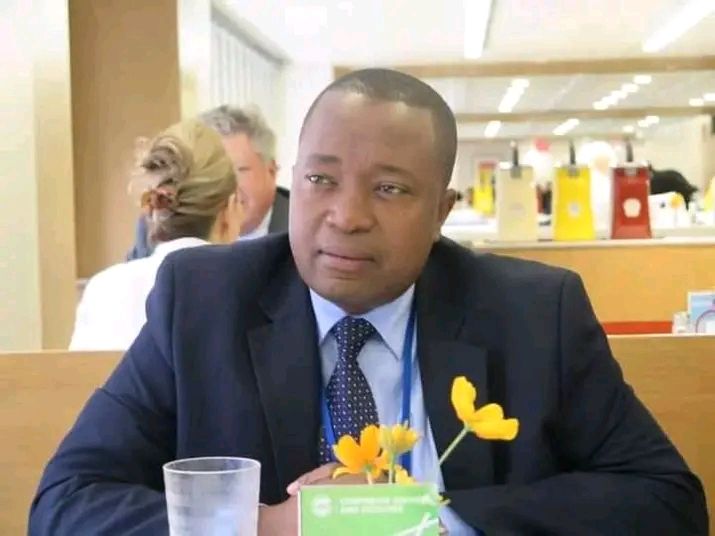
Ministry of Health has announced the end of Cholera outbreak in the country effective July 10, 2024.

This declaration comes after four weeks of no confirmed Cholera cases, indicating that the transmission chains of the disease have been fully interrupted.

These efforts significantly reduced the number of Cholera cases, and the outbreak was eventually declared no longer a National Public Health Emergency on August 5, 2023.

However, rare cases continued to be reported in high-risk districts, prompting continued surveillance and control measures.
Matemba

Secretary for Health, Dr. Samson Mndolo, expressed gratitude to all stakeholders for their efforts in fighting the outbreak.

“We acknowledge the role played by all stakeholders, including the public, in the response efforts. We will continue to be vigilant and support multi-sectoral Cholera prevention and control interventions to ensure that any upsurges of diarrhea diseases are timely identified and controlled,” he said.

Community Health Ambassador, Maziko Matemba urged the government to ensure that all health services are available and to sensitize the public about the deadly disease to avoid future recurrence.

“The intensive surveillance and control measures implemented by the government have been instrumental in halting the outbreak. However, it is crucial that the public continues to observe prevention measures to prevent future outbreaks,” he added.

Malawian citizen, Judith Kabuluzi, expressed relief that the outbreak has ended and thanked all stakeholders who have been working hand in hand with the government to end the outbreak.

“I’m so grateful that the cholera outbreak has been declared over. It’s been a challenging time for our community, but we’re thankful for the government’s efforts in controlling the outbreak,” she said.

The Ministry of Health urges the public to continue observing prevention measures, including drinking safe water, practicing food hygiene, regular hand washing with soap, consistent use of toilets, and reporting any suspected cholera cases to the nearest health facilities.

Since the outbreak was declared on March 3, 2022, the country has reported a total of 59,376 cases and 1,772 deaths, representing a case fatality rate of three percent.

The President, Dr. Lazarus Chakwera, declared a National Public Health Emergency on December 5, 2022, which led to intensified implementation of preventive and control interventions.
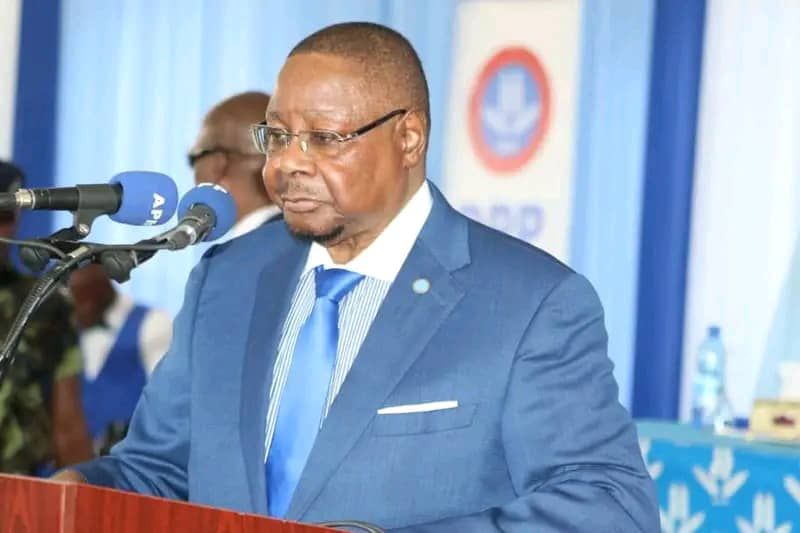
Former Malawi leader Mutharika celebrates his 84th Birthday

0

By Twink Jones Gadama

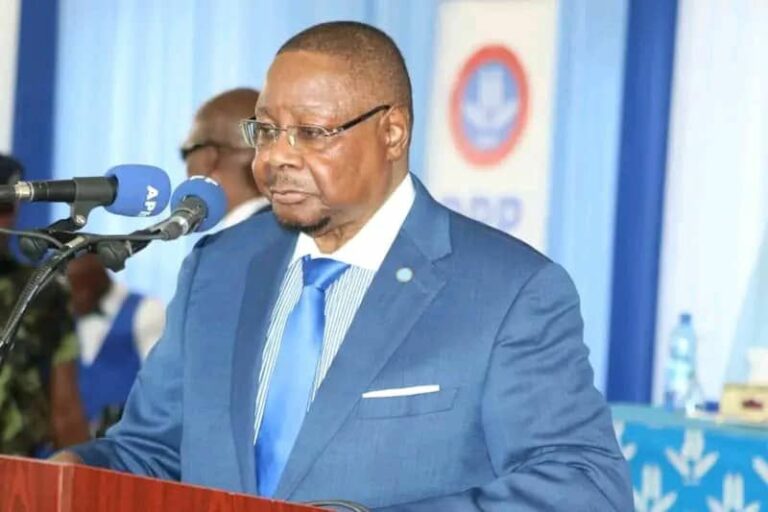
Today, former President of Malawi, Professor Arthur Peter Mutharika, celebrates his birthday, and people of good will from all over the country have joined him in commemorating this special day.

Mutharika’s birthday comes at a time when Malawians are facing numerous challenges, including economic hardship, food shortages, and political repression.

Chakwera’s government has been criticized for its failure to deliver on promises, and the country is experiencing a severe decline in democratic values.

Mutharika

As Malawians celebrate Mutharika’s birthday, they are also reflecting on his legacy and the impact he had on the country.

In a statement, Mutharika thanked Malawians for their birthday wishes and reiterated his commitment to the country’s development.

“I am humbled by the outpouring of support and gratitude from Malawians,” he said. “I remain committed to the cause of democracy and development in our beloved country.”

As the nation celebrates Mutharika’s birthday, it is clear that his leadership is still deeply revered and cherished.

His legacy serves as a reminder that leadership can make a difference and that Malawians deserve a government that truly serves their interests.

Malawi secures $115 million World Bank grant to boost ICT Sector

0

By Chisomo Phiri

The Government of Malawi has secured a significant grant of $115 million (approximately K199 billion) from the World Bank to drive transformation in the Information Communication Technology (ICT) sector.

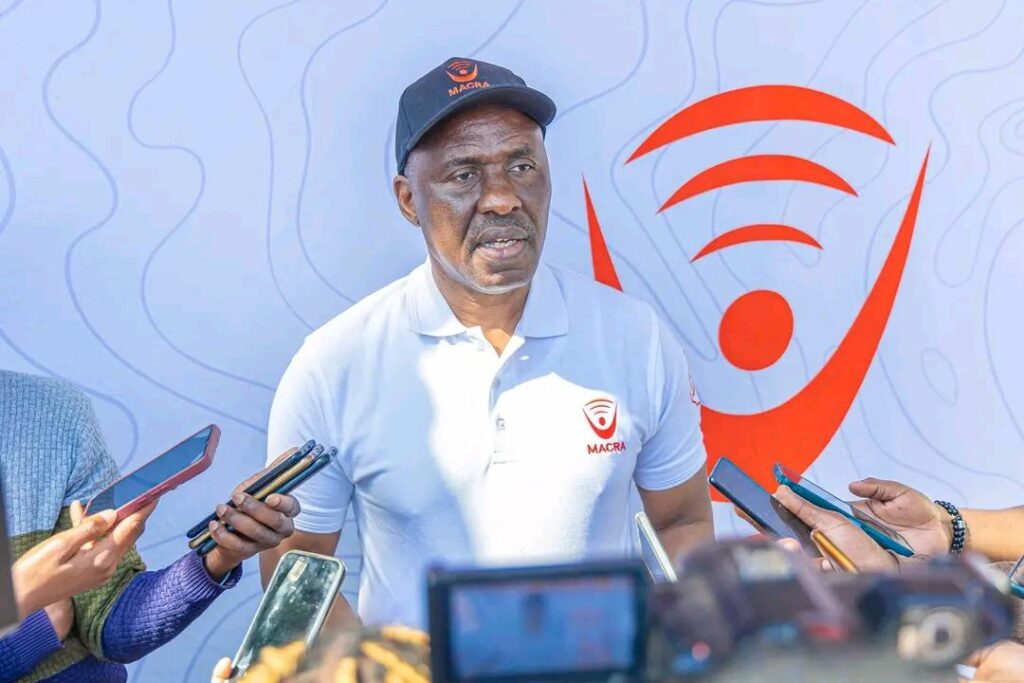
This was announced by Principal Secretary in the Ministry of Information and Digitalisation, Baldwin Samuel Chiyamwaka, on Wednesday in Lilongwe during MACRA’s open day.

Chiyamwaka revealed that the government has also received $10,000 from the UNDP and has allocated K8 billion to complete the final phase of fibre works.

Chiyamwaka

He emphasized the need for collective effort to harness the power of technology for Malawi’s socioeconomic development.

“The government is investing heavily in the ICT sector because it is a critical enabler of the Malawi 2063 agenda,” he said.

“We must work together to ensure that we maximize the potential of technology to drive growth and development in our country,” added Chiyamwaka.

On his part,MACRA Acting Director of Postal Services,Burnet Namacha,highlighted the importance of stakeholder participation in the communication sector.

“We need all stakeholders to actively engage with us to share ideas on how we can grow the sector and ensure that it benefits all Malawians,” he said.

MACRA’s open day, which began in Blantyre on July 15, 2024, will conclude in Mzuzu next week.

The event aims to bring together stakeholders in the communication sector to share ideas and explore ways to drive growth and development in the sector.

Is fake news the same as breaking news? Lessons from the Dr. Dalitso Kabambe resignation

By Burnett Munthali

On July 14, 2024, the resignation of Dr. Dalitso Kabambe from the Democratic Progressive Party (DPP) was reported by Malawi Voice, Nyasa Times, and 247 Malawi, as breaking news. This announcement was swiftly challenged by DPP spokesperson Shadric Namalomba, who claimed that the party had not been informed and labeled the reports as fake news. This response led to criticism and accusations of hasty reporting, particularly targeting me. However, on July 15, 2024, Dr. Kabambe confirmed his resignation in a letter dated the same day, validating the initial reports that he had resigned on July 14, 2024. This development raises crucial questions about whether the initial report should have been considered fake news or merely unofficial.

Dalitso Kabambe

What is breaking news?

Breaking news refers to reports on significant and current events that are happening or have just occurred. Key aspects include:

It provides immediate updates on recent developments that are of public interest.

The news is relevant and impactful, warranting prompt reporting.

Breaking news often evolves with new information, requiring ongoing updates.

In the case of Dr. Kabambe, the report was classified as breaking news because it announced a significant event in real-time, reflecting the urgency of the situation.

What is fake news?

Fake news involves deliberately false or misleading information presented as if it were genuine news. Characteristics include:

The content is intentionally false or distorted.

It aims to mislead, manipulate, or influence public opinion for various agendas.

It often lacks credible sources or proper fact-checking.

Initially, the resignation report was labeled as fake news by some due to the lack of immediate confirmation from the DPP. However, as Dr. Kabambe’s confirmation later verified the report, it became clear that the initial news was not fake but rather an early report of a true event.

*Final thoughts on Dr. Dalitso Kabambe’s resignation*

Given that Dr. Kabambe confirmed his resignation on July 15, 2024, the initial report from July 14 should be viewed as breaking news rather than fake news. The initial confusion stemmed from the lack of immediate confirmation from the DPP, not from intentional misinformation. The term “fake news” was misapplied in this instance, reflecting the challenges of distinguishing between unofficial news and deliberate misinformation.

On candle light: A Matter Of Faith


By Burnett Munthali

In examining the intricacies of faith and cultural practices, one may encounter diverse perspectives on seemingly simple customs. A particular instance comes to mind, highlighting how faith can shape our attitudes toward traditional practices.

Consider the example of a certain  revered figure from someone’s lineage who has a distinct view on cultural rites. In his tradition, there’s a customary practice of lighting candles as part of funeral ceremonies. This act is meant to honor the deceased and guide their spirit. However, it’s important to acknowledge that not everyone subscribes to this practice or attaches the same significance to it.

For some, such rituals might seem redundant or disconnected from their personal beliefs. For instance, this individual might believe that once the funeral rites are completed, their role is fulfilled, and there is no need to continue with traditional customs that may seem irrelevant or redundant. They might argue that life moves on and that dwelling on rituals after their purpose has been served does not align with their faith or practical outlook.

This perspective highlights a broader issue: the intersection of personal faith and cultural practices. Faith can profoundly influence one’s engagement with traditional rituals. If an individual’s faith does not align with the significance or purpose of certain practices, they might choose to forego or reinterpret them according to their beliefs.

Understanding this viewpoint requires a nuanced appreciation of how faith shapes our engagement with cultural norms. While some may see these practices as essential to honoring traditions, others may find their relevance limited by their faith’s teachings or personal convictions.

Ultimately, this divergence illustrates that faith and cultural practices are deeply personal. What is meaningful to one might not hold the same significance to another. Respecting these differences is key to fostering understanding and harmony within our diverse communities.