Sunday, April 5, 2026
No menu items!
spot_img
Home Blog Page 1236

President Lazarus Chakwera’s Plan for National Unity: Separating Fact from Speculation


By Burnett Munthali


Recent discussions have surfaced regarding President Lazarus Chakwera’s alleged plans to introduce a government of national unity in Malawi. These claims have sparked considerable debate and speculation among political analysts and the public alike.

President Chakwera, since assuming office, has emphasized the importance of unity and inclusivity in governance. His administration has sought to bridge political divides and foster a spirit of cooperation among various political factions and stakeholders. However, the specific notion of forming a government of national unity requires careful consideration and clarification.

Firstly, it is essential to define what constitutes a government of national unity. Typically, such a government includes representatives from different political parties or interest groups, aimed at promoting consensus-based decision-making and stability during times of political uncertainty or crisis.

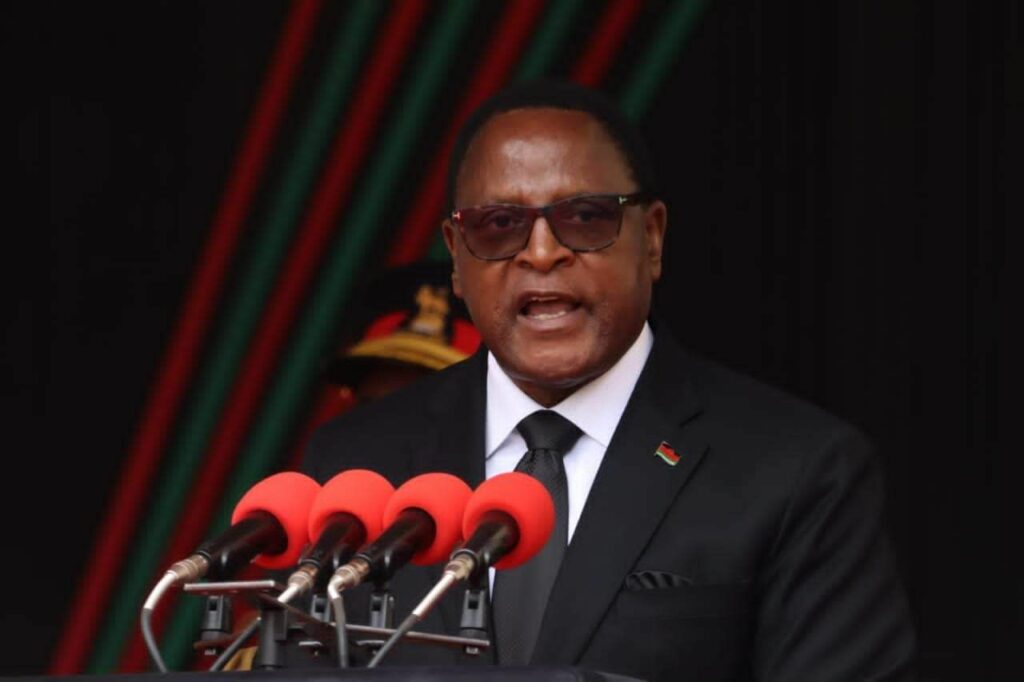
Chakwera

In the context of Malawi, discussions about a government of national unity may stem from the country’s political landscape, which has seen diverse political affiliations and coalitions over the years. President Chakwera’s administration has faced challenges and opportunities in navigating these dynamics while striving to deliver on electoral promises and national development objectives.

It is important to note that while discussions around national unity are pertinent, any decision to form a government of national unity would require careful consideration of legal frameworks, constitutional provisions, and political feasibility. Such a decision would also need broad-based consultation and consensus-building among political stakeholders, civil society, and the public at large.

As of now, President Chakwera’s administration has not officially announced plans to introduce a government of national unity. Therefore, it is crucial to approach discussions and claims about this topic with discernment, separating factual information from speculation and ensuring that any decisions made align with democratic principles and the aspirations of the Malawian people.

In conclusion, while discussions regarding national unity in Malawi continue to evolve, clarity and transparency are essential in understanding the government’s intentions and actions. As citizens and stakeholders, it is vital to remain engaged, informed, and vigilant in shaping the future direction of our nation’s governance and unity efforts.
Refuting Claims: Bon Kalindo’s Activism for the Poor


By Burnett Munthali


In recent discussions surrounding activist Bon Kalindo, there have been unfounded claims suggesting that he has been bribed to cease his advocacy for the impoverished. These allegations undermine the integrity of Kalindo’s longstanding commitment to championing the rights and welfare of marginalized communities.

Kalindo, renowned for his outspoken stance on social justice issues, has been a vocal advocate for the rights of the poor and marginalized groups. His efforts have garnered widespread support and admiration among those affected by socioeconomic injustices.

The recent rumors alleging that Kalindo accepted bribes to abandon his advocacy work are baseless and lack credible evidence. They appear to be part of a smear campaign aimed at discrediting his efforts and distracting from the genuine challenges faced by disadvantaged populations.

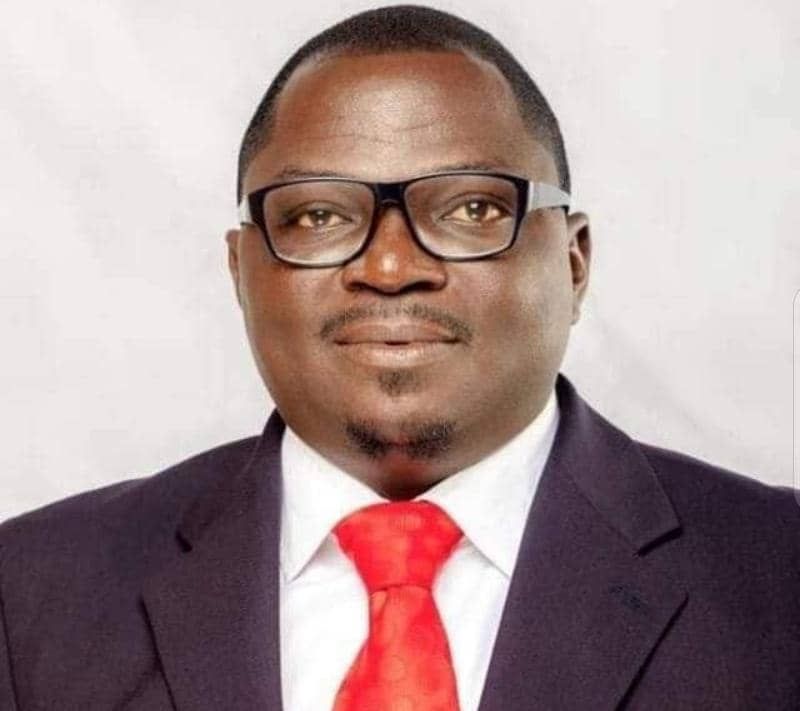
Kalindo

It is important to recognize Kalindo’s track record of activism, which spans various initiatives aimed at addressing poverty, inequality, and systemic injustices. His work has often involved grassroots organizing, lobbying for policy reforms, and raising awareness about critical social issues.

Furthermore, Kalindo has consistently emphasized transparency and accountability in his advocacy efforts. He has been vocal about the need for ethical conduct within both public and private sectors, advocating for fair treatment and equitable opportunities for all citizens.

In conclusion, Bon Kalindo’s dedication to advocating for the poor remains steadfast and unwavering. The allegations of bribery aimed at undermining his credibility are unsubstantiated and should be viewed with skepticism. As supporters of social justice and equality, it is crucial to stand by those who courageously fight for the rights of the marginalized, such as Bon Kalindo, and to reject efforts to discredit their noble endeavors.

Court clears Mutharika’s son and  7 others of aggravated manslaughter, human trafficking charges

0

By Chisomo Phiri

The High Court in Mzuzu has acquitted former first lady Gertrude Mutharika’s son Tadikira Mafubza and 7 others in a case where they were accused of aggravated manslaughter and trafficking in persons in connection with the deaths of 30 unidentified people believed to be Ethiopian immigrants.

The 30 bodie were discovered buried in a mass grave in Mtangatanga Forest in Mzimba District in October 2022, but all the accused persons denied the charges.

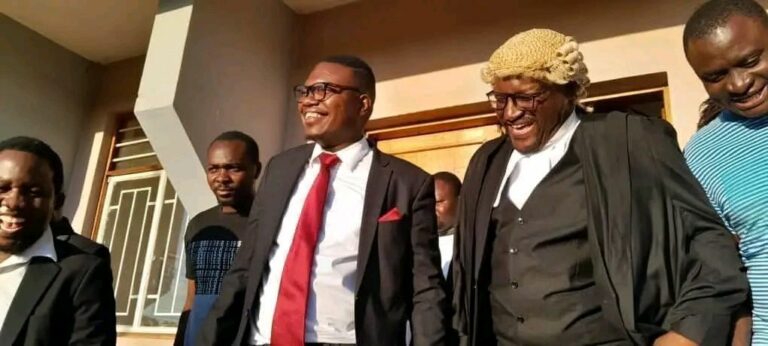
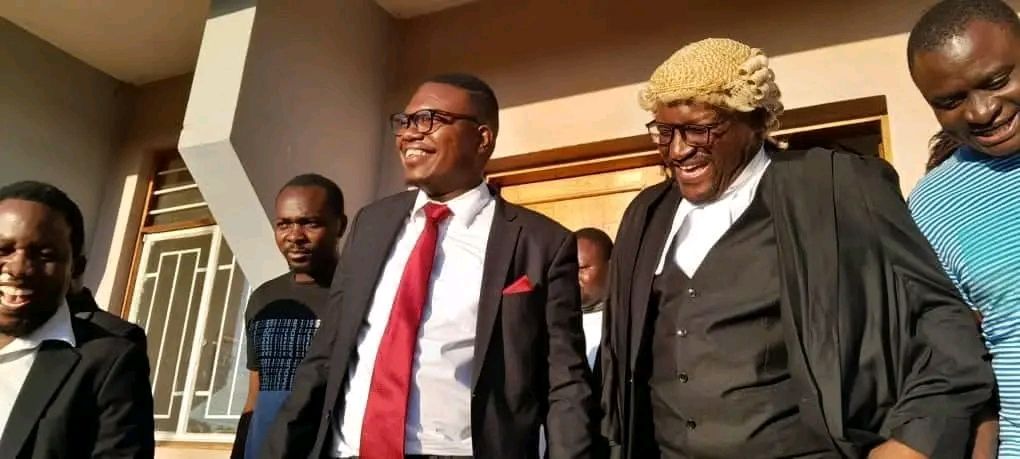
Tadikila now free

Delivering the ruling, Judge Gladys Gondwe said the court had found that there was no sufficient evidence from the state to link all the accused to the deaths of the immigrants.

Gondwe also ordered the State to return to owners of detained motor vehicles like a Van owned by Mafudza, which was said to have been used to carry the victims from Karonga to Mtangatanga Forest.

Others who were involved in the case are Samuel Navaya, David Luhanga, Thomas Kazembe, Duncan Kalulu, Boniface Ngulube, Aubrey Dukes and Arnold Mwakiyelu.

Bird’s eye View: Shame on DPP

As Malawi was enshrouded in profound sorrow, preparing to bid a dignified and heartfelt farewell to its Vice President, Dr. Saulos Klaus Chilima, at his ancestral home in Nsipe, Ntcheu, a dark and shameless plot was being hatched by certain members of the Democratic Progressive Party (DPP) in the same district.

The stoning of the motorcade carrying the late Chilimas remains, which led to the death of four innocent people including a pregnant woman, could have been avoided if such selfish individuals had respected cultural morals.
In our culture and tradition, we hold the utmost respect for the dead and to imagine that someone could organize hooligans to stone the remains of the Vice President, injuring people and damaging vehicles, is unheard of.

As the convoy transporting the body arrived at Tsangano, it was reported that a driver, not part of the convoy, ran over four people while fleeing from stones pelted by a mob.
The mob was apparently angered because their demand to view Chilimas body had been turned down. Two victims were killed instantly, and the other two died while receiving treatment.

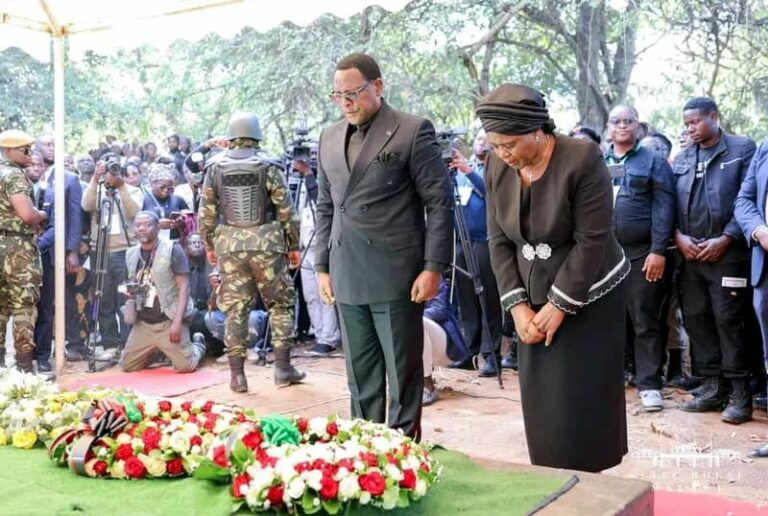
Chakwera

This behaviour is a gross violation of our cultural norms and a disgrace to our nation. What did the DPP gain from cheering the mention of Arthur Peter Mutharika while the Chilima family and other well-meaning Malawians were mourning?

During the funeral service, it became apparent that supporters of the United Transformation Movement (UTM), the party which the fallen Vice President founded, were peaceful.
However, it was the members of the DPP who behaved wildly and without any respect, as if they were more aggrieved than the rest of Malawians, despite calls from various sectors of society including traditional and religious leaders to maintain peace.

This incident highlights a shameful chapter in our political history, where partisan interests overshadowed the solemnity of a national tragedy.
The DPP’s actions during this somber occasion were not only disrespectful but also dangerous, leading to unnecessary loss of life and adding to the grief of an already mourning nation.
Such behavior should be condemned in the strongest terms, and those responsible should be held accountable for their actions. It is a sad day when political animosity overrides our shared humanity and respect for the deceased.

The DPP members involved have disgraced themselves, their leaders and their party, and their actions are a stark reminder of the need for civility and respect in our political discourse.
However, it is not surprising because violence is in the DNA of the DPP. The acts of Sunday evening and the entire funeral period remind Malawians of the many lives that have been lost without mercy at the hands of the DPP.
One is reminded of the death of Robert Chasowa, a polytechnic engineering student who was murdered in cold blood on his college campus, as well as Issa Njaunju, the Anti-Corruption Bureau administrator who was found killed, with his official car burnt.

At least 21 people were shot dead by police during the two days of protests against President Bingu wa Mutharika in July 2011. This is why the conduct of DPP-sponsored people at Tsangano and during the funeral service at Nsipe was not in any way a surprise.
Vice President Chilima and nine other officials died in a plane crash on June 10, 2024. The crash occurred in Chikangawa Forest due to bad weather conditions but President Lazarus Chakwera has promised a comprehensive investigation into the accident.
The plane was a military aircraft, and its crash has left the nation in deep mourning. President Lazarus Chakwera praised Chilima for his patriotism and his service to Malawi.

Looking back at Mutharika’s Choice of Saulos Chilima: Skepticism and Surprising Outcomes


By Burnett Munthali


When former President Peter Mutharika announced Saulos Chilima as his running mate for the 2014 elections, skepticism reverberated both within and outside the Democratic Progressive Party (DPP). Chilima, then a relatively unknown figure in Malawian politics, was seen as an unconventional choice, stirring mixed reactions and uncertainties among political pundits and the public alike.

In 2014, Malawi’s political climate was turbulent, marked by economic challenges and public discontent. Mutharika’s decision to select Chilima, a technocrat with a background in business and academia rather than seasoned political experience, raised eyebrows within the DPP establishment. Critics questioned Chilima’s political acumen and ability to navigate the complex landscape of Malawian politics.

Within the DPP, some party loyalists viewed Chilima’s selection as a gamble, expressing concerns over his loyalty and ideological alignment. His outsider status led to speculation about his true intentions and potential conflicts within the party hierarchy. External observers also voiced doubts, citing Chilima’s lack of political pedigree and limited exposure in national governance.

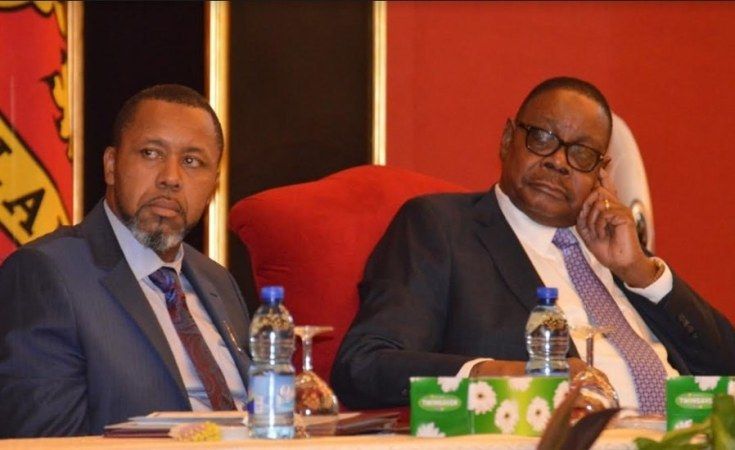
Mutharika and Chilima


Despite the initial skepticism, Chilima’s tenure as Vice President under Mutharika’s administration proved transformative. He brought fresh perspectives to governance, advocating for transparency, accountability, and economic reforms. Chilima’s proactive approach resonated with Malawian youth and reform-minded citizens, positioning him as a prominent figure in national politics.

Chilima’s journey within the DPP was not without challenges. His public criticism of corruption and inefficiencies within the government led to tensions and eventually his departure from the party. Subsequently, Chilima formed the United Transformation Movement (UTM) and emerged as a formidable presidential candidate in the 2019 elections, signaling a significant realignment in Malawian politics.


Mutharika’s unconventional choice of Saulos Chilima as his running mate sparked a wave of skepticism that ultimately paved the way for political evolution and realignment in Malawi. The experience underscores the unpredictable nature of politics and the potential for transformative leadership to emerge from unexpected quarters.


In conclusion, the story of Mutharika’s selection of Saulos Chilima as his running mate serves as a reminder of the complexities and dynamics of political decision-making. What began with skepticism and uncertainty evolved into a pivotal moment in Malawi’s political history, shaping the trajectory of leadership and governance in the nation.