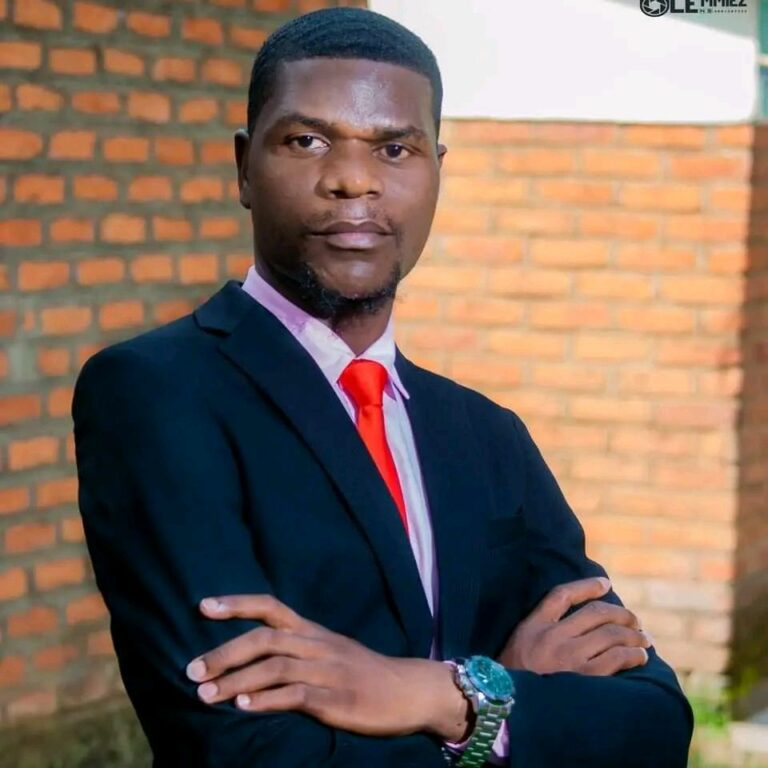
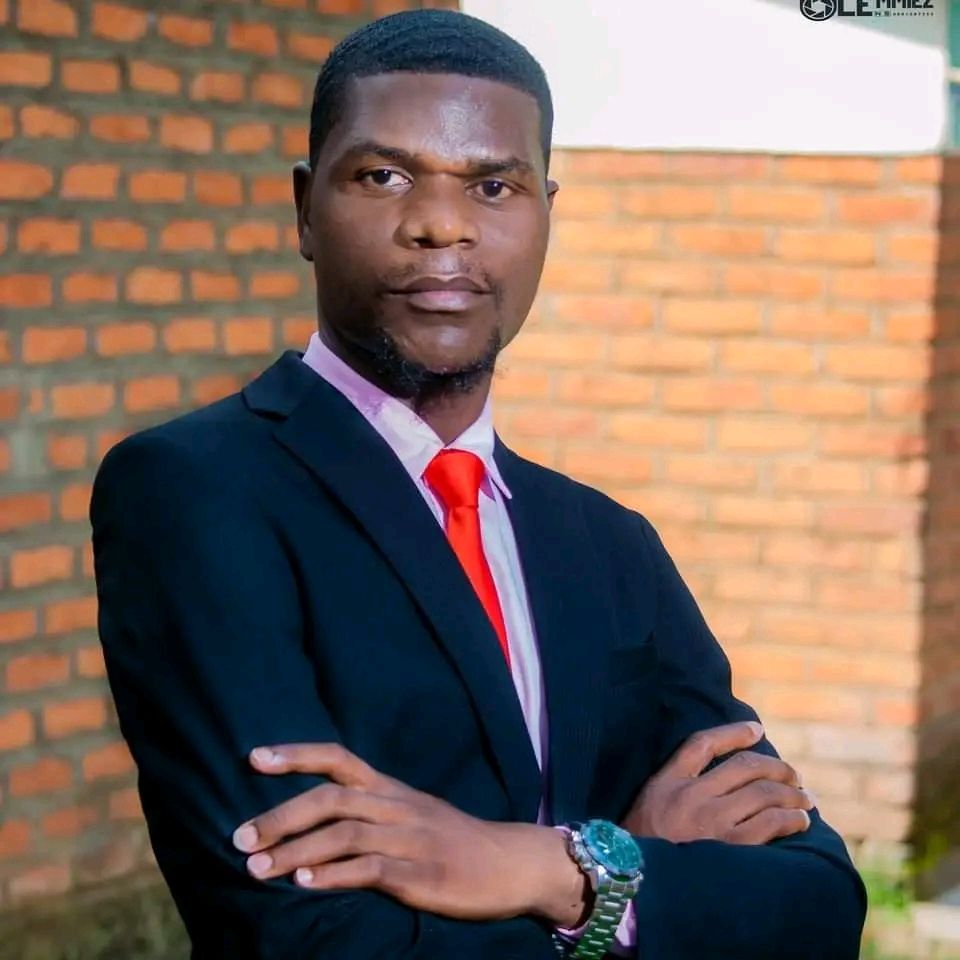
A fourth year student at the University of Malawi(UNIMA) Humble Bondo has been suspended for three years after the university’s disciplinary committee found him guilty of sexual harassment,specifically touching a breast of a certain girl.
According to a letter dated June 18,2024 and signed by UNIMA registrar Eluby Kaumbata, the committee found Bondo guilty of violating the institution’s codes of conduct.
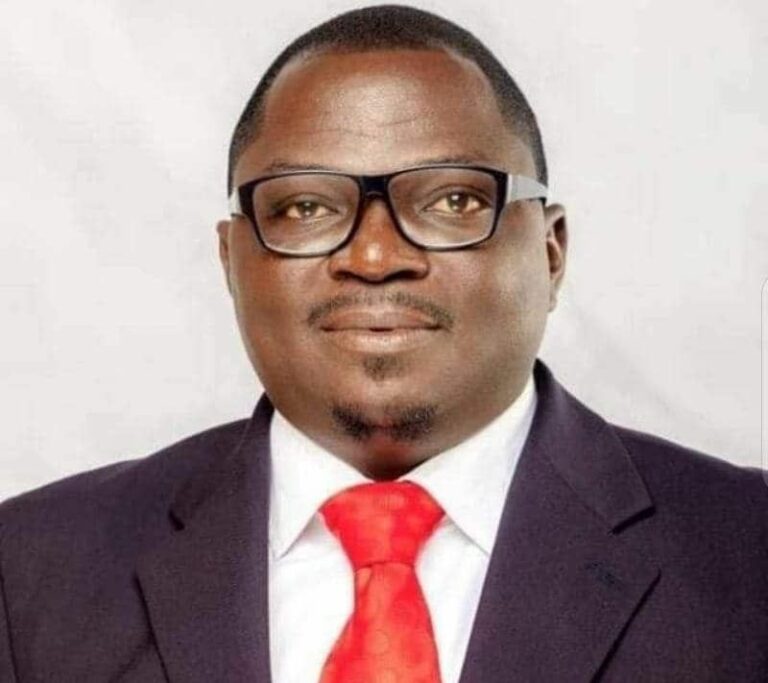
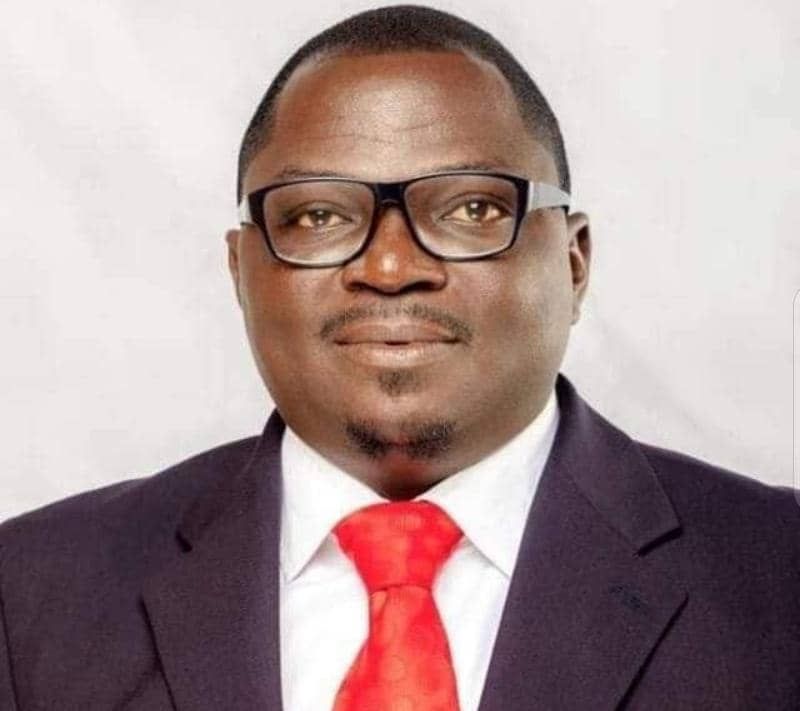
Humble Bondo suspended
This comes after the Bachelor of Arts Public Administration student finished writing his end of year exams on Friday.
Bondo served as president of the UNIMA’s Students Representative Council (SRC) in the 2022/2023 academic year and he was instrumental in the fight against long holidays that made students at the institution to hold the famous one-long vigils in 2022.
NGO Gender Coordination Network(NGO-GCN), an organization that promotes gender equality and women empowerment has urged President Dr.Lazarus Chakwera to appoint a female Vice President as a replacement of the late Vice President Dr. Saulos Chilima who died in a plane crash last week.
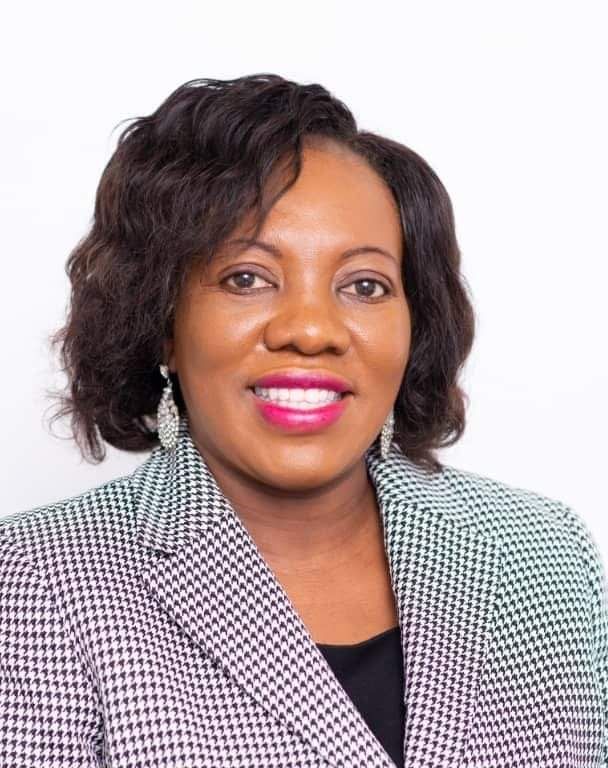
In a statement, the organization’s chairperson Maggie Kathewera Banda says the appointment of the female Vice President will increase women representation in top positions and politics.
Maggie Kathewera Banda
She also believes that Malawi has many capable and qualified women to assume the position of VP.
Reads the statement in part:” We call upon the state president to appoint a female Vice President.
“While we acknowledge the increase in the number of women in the executive arm of government, we are of the view that having a female VP would put women up in the ladder of decision making, thereby not only shifting norms around politics but also ensure that women voices are heard more than before.
“If appointed, the female Vice President will carve a direction for all young aspiring women across the political divide to increase the female representation percentage and break new record.”
It adds:”The appointment of the female Vice President would be a critical policy directive to ensure that 60/40 quota is maintained in all public appointments and requirements, in accordance with Section 11 of the Gender Equality Act (2013).
“This would further Malawi’s progress towards gender parity, as it will joining other countries in this endeavor.
“NGO-GCN is available to support the state president in the promotion of gender equality and women empowerment.”
President Chakwera is yet to appoint the Vice President, with the mandated time off the zones.
Constitutionally, Chakwera was supposed to appoint a new Vice by the end of yesterday, 19 June, 2024.
According to the supreme law, the President is mandated to appoint a replacement within seven days from the time of death of a serving Vice President.
However, it seems there has been a delay in finding the replacement as the days as provided by the law have elapsed.
This is contrary to what the Minister of Information, Moses Kunkuyu told the press on Tuesday that the President will abide by the law in making his appointment.
Currently, Malawians are eager to know who will President Chakwera choose as his Vice.
In a recent development within Malawi’s political landscape, outspoken activist Bon Kalindo has publicly, through his audio which has gone viral on social media, called upon the United Transformation Movement (UTM) to address internal challenges and strengthen their organizational structure. Kalindo’s remarks come amidst ongoing discussions about the party’s cohesion and effectiveness in advancing its political agenda.
Kalindo, known for his advocacy on social justice issues and grassroots mobilization, emphasized the importance of unity and efficiency within political parties, particularly during critical junctures in national governance. His call for UTM to “put their house in order” reflects broader concerns about the party’s ability to navigate political dynamics and effectively represent the interests of its constituents.
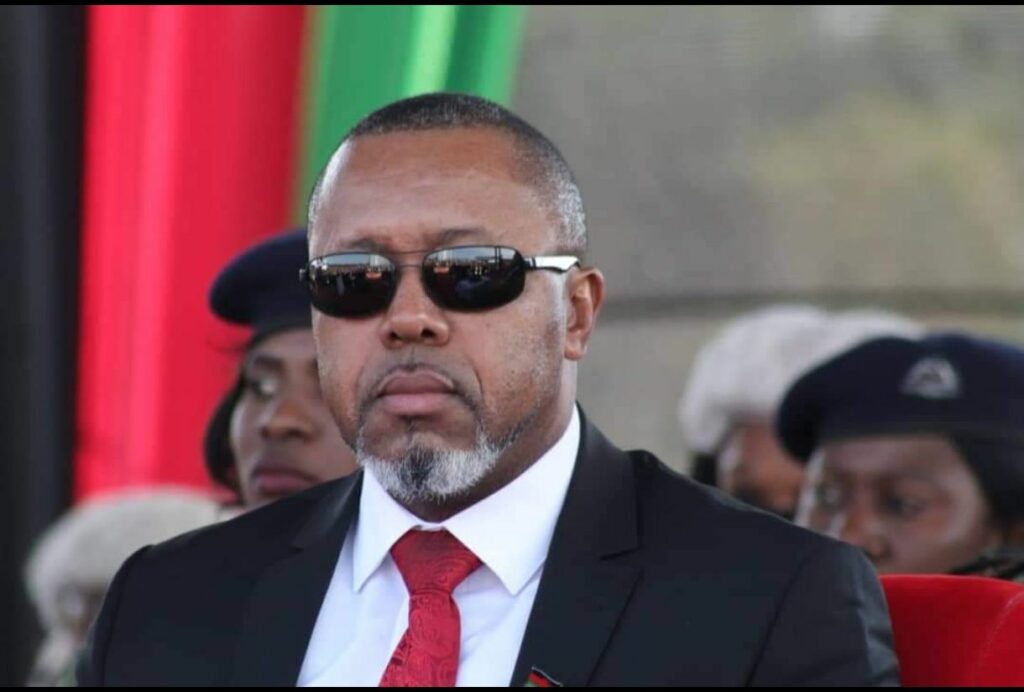
To be replaced as UTM leader, the late Saulos Chilima
UTM, a prominent political entity formed by Vice President Saulos Chilima ahead of the 2019 elections, has been a key player in Malawi’s political landscape. The party garnered significant support during its inception, promising a platform of reform, transparency, and inclusive governance.
However, like many political organizations, UTM has faced challenges in maintaining internal cohesion and managing divergent viewpoints among its members. These challenges have occasionally led to public scrutiny and internal tensions, prompting calls for introspection and strategic realignment.
Kalindo’s advocacy for UTM to address internal issues is not only a reflection of his commitment to accountable governance but also a reminder of the importance of robust party structures in advancing democratic principles and national development agendas. By fostering unity and operational efficiency, political parties can better serve as effective vehicles for policy formulation, legislative advocacy, and grassroots engagement.
As Malawi continues to navigate its democratic journey, the role of political parties in promoting transparency, inclusivity, and responsiveness to citizens’ needs remains pivotal. Kalindo’s call for UTM to “put their house in order” underscores the ongoing dialogue within the political sphere on enhancing organizational effectiveness and strategic positioning in advancing democratic governance.
In conclusion, while challenges persist, Kalindo’s advocacy serves as a catalyst for constructive dialogue and action within UTM and the broader political landscape of Malawi. The path to sustainable political progress lies in fostering unity, accountability, and purposeful leadership within political organizations, thereby ensuring they effectively represent and empower the aspirations of the Malawian people.
Recent discussions have surfaced regarding President Lazarus Chakwera’s alleged plans to introduce a government of national unity in Malawi. These claims have sparked considerable debate and speculation among political analysts and the public alike.
President Chakwera, since assuming office, has emphasized the importance of unity and inclusivity in governance. His administration has sought to bridge political divides and foster a spirit of cooperation among various political factions and stakeholders. However, the specific notion of forming a government of national unity requires careful consideration and clarification.
Firstly, it is essential to define what constitutes a government of national unity. Typically, such a government includes representatives from different political parties or interest groups, aimed at promoting consensus-based decision-making and stability during times of political uncertainty or crisis.
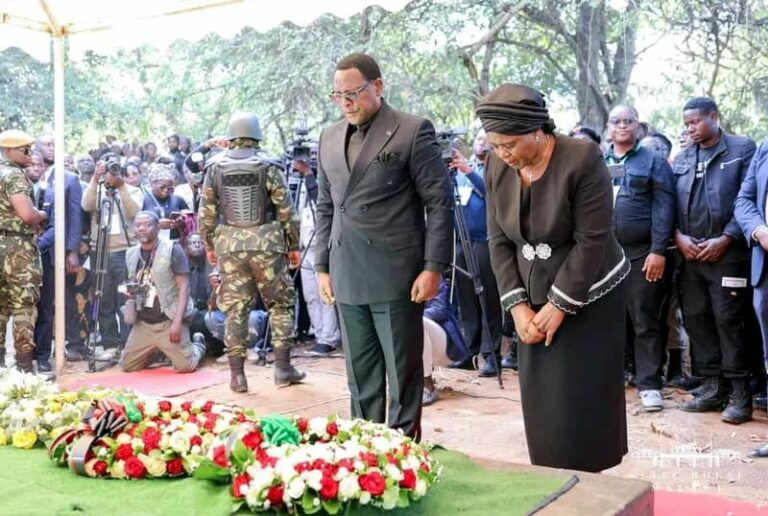
Chakwera
In the context of Malawi, discussions about a government of national unity may stem from the country’s political landscape, which has seen diverse political affiliations and coalitions over the years. President Chakwera’s administration has faced challenges and opportunities in navigating these dynamics while striving to deliver on electoral promises and national development objectives.
It is important to note that while discussions around national unity are pertinent, any decision to form a government of national unity would require careful consideration of legal frameworks, constitutional provisions, and political feasibility. Such a decision would also need broad-based consultation and consensus-building among political stakeholders, civil society, and the public at large.
As of now, President Chakwera’s administration has not officially announced plans to introduce a government of national unity. Therefore, it is crucial to approach discussions and claims about this topic with discernment, separating factual information from speculation and ensuring that any decisions made align with democratic principles and the aspirations of the Malawian people.
In conclusion, while discussions regarding national unity in Malawi continue to evolve, clarity and transparency are essential in understanding the government’s intentions and actions. As citizens and stakeholders, it is vital to remain engaged, informed, and vigilant in shaping the future direction of our nation’s governance and unity efforts.
In recent discussions surrounding activist Bon Kalindo, there have been unfounded claims suggesting that he has been bribed to cease his advocacy for the impoverished. These allegations undermine the integrity of Kalindo’s longstanding commitment to championing the rights and welfare of marginalized communities.
Kalindo, renowned for his outspoken stance on social justice issues, has been a vocal advocate for the rights of the poor and marginalized groups. His efforts have garnered widespread support and admiration among those affected by socioeconomic injustices.
The recent rumors alleging that Kalindo accepted bribes to abandon his advocacy work are baseless and lack credible evidence. They appear to be part of a smear campaign aimed at discrediting his efforts and distracting from the genuine challenges faced by disadvantaged populations.
Kalindo
It is important to recognize Kalindo’s track record of activism, which spans various initiatives aimed at addressing poverty, inequality, and systemic injustices. His work has often involved grassroots organizing, lobbying for policy reforms, and raising awareness about critical social issues.
Furthermore, Kalindo has consistently emphasized transparency and accountability in his advocacy efforts. He has been vocal about the need for ethical conduct within both public and private sectors, advocating for fair treatment and equitable opportunities for all citizens.
In conclusion, Bon Kalindo’s dedication to advocating for the poor remains steadfast and unwavering. The allegations of bribery aimed at undermining his credibility are unsubstantiated and should be viewed with skepticism. As supporters of social justice and equality, it is crucial to stand by those who courageously fight for the rights of the marginalized, such as Bon Kalindo, and to reject efforts to discredit their noble endeavors.