Sunday, April 5, 2026
No menu items!
spot_img
Home Blog Page 1255

Immigration Officers Strike: Legal and Practical Implications


By Burnett Munthali


Immigration officers in Malawi have embarked on a strike, voicing grievances related to working conditions, salaries, and administrative practices. This industrial action raises significant concerns about the impact on national security, border management, and public services.

Legal Framework

Right to Strike:
Malawian law, specifically the Labour Relations Act, permits employees to strike under certain conditions, typically after unresolved mediation or arbitration. However, this right is balanced against the need to maintain essential services, which includes immigration.

Essential Services:
Immigration services are often classified as essential, meaning strikes can be legally restricted to ensure continuity in critical functions like border control and national security. The law may require a minimum level of service to be maintained during industrial action.

Government Intervention:
The government can intervene by negotiating with striking officers or taking measures to ensure service delivery, such as deploying alternative personnel or seeking court injunctions to end the strike.


Implications

*Security and Economy:*
The strike disrupts both national security and economic activities by delaying border operations, affecting trade, and potentially increasing security risks.

Administrative Challenges:
The strike highlights systemic issues within the Department of Immigration, indicating a need for reforms in working conditions, pay structures, and administrative practices.

Balancing Rights and Services:
Managing the strike involves balancing the legal right to strike with the necessity of maintaining essential public services, ensuring both fair treatment for immigration officers and the uninterrupted functioning of critical services.

Conclusion

The ongoing strike by Malawi’s immigration officers underscores significant administrative and labor challenges within the department. Legal frameworks allow for strikes but emphasize the importance of maintaining essential services. Addressing the root causes through dialogue and reforms is crucial for resolving the current impasse and preventing future disruptions.
Analysis of the Persistent Malawi Immigration Saga


By Burnett Munthali


The ongoing saga in Malawi’s Department of Immigration, marked by the Supreme Court’s recent decisions, underscores deep-seated issues within the country’s administrative framework. The persistence of this case, centered around the nullification of Charles Kalumo’s appointment as Director General, highlights several key points:

Legal and Procedural Adherence

The court’s consistent rulings against the Attorney General’s appeals emphasize the judiciary’s insistence on strict adherence to legal procedures. This is crucial for maintaining the integrity of governmental appointments and ensuring that all processes meet established legal standards.

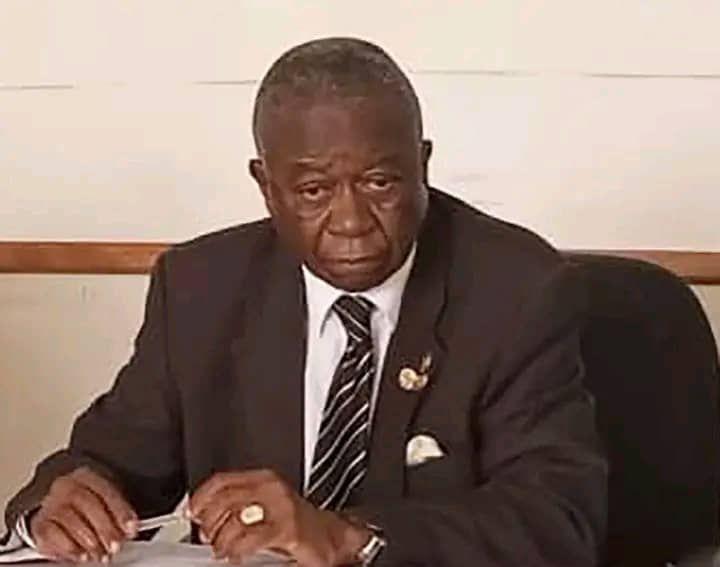
Kalumo

Administrative Reform

The case reveals the need for comprehensive administrative reforms. The procedural flaws that led to Kalumo’s nullification point to systemic issues that require addressing to prevent future occurrences. These reforms could include clearer guidelines for appointments, enhanced transparency, and stricter oversight mechanisms.

Governance and Accountability

This saga also reflects broader challenges in governance and accountability within Malawi. The government’s handling of the situation and the legal battles involved suggest a need for greater accountability and improved governance practices. Ensuring that public officials are appointed through transparent and legal processes is fundamental to restoring public trust.

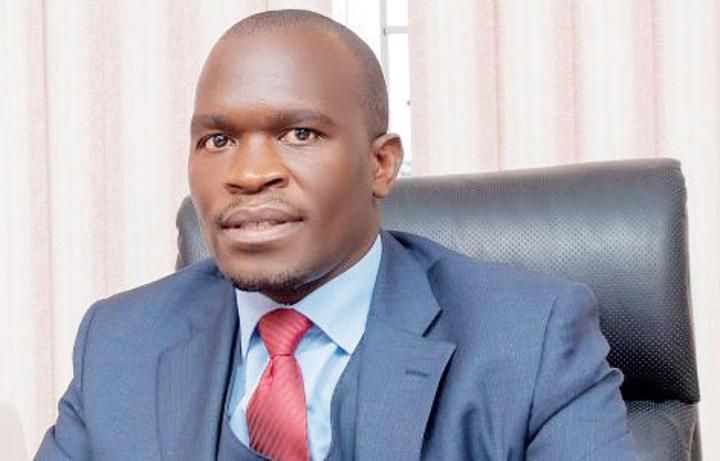
Thabo Chakaka Nyirenda

Broader Implications

The implications of this case extend beyond the Department of Immigration. It sets a precedent for other government departments, signaling that procedural shortcuts and non-compliance with legal norms will not be tolerated. This could lead to more rigorous scrutiny of appointments across the public sector.

Conclusion

The persistence of the immigration saga in Malawi highlights critical issues related to legal compliance, administrative reform, and governance. Addressing these challenges is essential for improving the integrity of public administration and ensuring that similar issues do not arise in the future. The judiciary’s firm stance serves as a reminder of the importance of upholding legal standards in all government operations.

MP Noel Lipipa Engages with Vulnerable Families in His Constituency

0


By Burnett Munthali

In a commendable display of community engagement, Member of Parliament Noel Lipipa recently embarked on a series of visits to vulnerable families within his constituency. Recognizing the importance of direct interaction and understanding the needs of his constituents, Lipipa dedicated time to personally engage with families facing various challenges.

During his visits, Lipipa listened attentively to the concerns and difficulties voiced by these families, ranging from economic hardships to healthcare access and educational opportunities. By actively engaging with his constituents, Lipipa demonstrated his commitment to serving their interests and advocating for solutions to improve their quality of life.

Lipipa with Constituents


Furthermore, these interactions provided valuable insights into the specific needs of vulnerable communities, enabling Lipipa to better represent their interests in legislative discussions and policy-making processes. His proactive approach highlights the significance of grassroots engagement in fostering inclusive and responsive governance.

In addition to listening to their concerns, Lipipa also reassured the families of his ongoing support and pledged to work towards addressing the challenges they face. Whether through advocating for increased social support programs, infrastructure development, or access to essential services, Lipipa’s visit underscored his dedication to ensuring that no family is left behind.

As a representative entrusted with the welfare of his constituents, MP Noel Lipipa’s commitment to engaging with vulnerable families serves as a testament to effective and empathetic leadership. By bridging the gap between policymakers and the community, Lipipa sets a positive example for other public officials, emphasizing the importance of active involvement in grassroots initiatives to bring about meaningful change.

PCPL remains loyal to Bullets

0

By Chisomo Phiri

Paramount Concrete Products Limited (PCPL) says it will not stop providing player of the match prizes to FCB Nyasa Big Bullets despite the team’s poor start in the TNM Super League battle this season.

Speaking in a separate interview, the company’s managing director Arthur Kalinde explained that it is only after a win or a draw that the People’s Team best player of the match will be getting the required K75 000 prize.

Arthur Kalinde


“The aim of the awards is to motivate Bullets players and a loss is not in our vocabulary.

“Therefore, we will only reward the players if they win or draw. We know the team will rise to the occasion and return to the winning ways,” he said.

Paramount Concrete Products signed a year-long partnership with Bullets for man of the match awards worth K7.5million in April this year.

On the TNM Super League log table, Bullets are on fifth position with 14 points from nine games they have played this season.

Saunders Jumah says Malawi’s democracy under Siege

0


By Vincent Gunde

President and Commander-in-Chief of the Muvi wa Chilungamo Revolutionary Party (MRP), Bantu Saunders Jumah, has stated that Malawi’s democracy is under siege.

Jumah believes that a country that relaxes when its fundamental principles of freedom are being abused or violated is prone to destruction or collapse.

He has described Malawi’s democracy as being held hostage, citing that for the first time since 1994, democracy in the country has been abused.

Jumah


He says free speech, freedom of the press, and democratic principles have all been compromised.

According to the MRP President, government officials, including the President and his Ministers, fail to tell the truth while in office, only to speak out against the government once they are out of power.

Jumah is referencing Martha Chizuma, the former ACB Director General , who only spoke out about the government’s lack of will to fight corruption after her contract expired.

He also mentions Kenneth Msonda, who changed his stance on the government after being expelled from the DPP, and Timothy Pagonachi Mtambo, who only began speaking the truth about the government after being fired from cabinet.

He says he believes that Malawi needs people to tell the truth while in government, not just when they are out of power.

Regarding the firing of Immigration Chief Retired Brigadier General Charles Kalumo, Jumah states that President Chakwera will not listen to Malawians’ calls to defend a person doing wrong, just as he has done with corrupt individuals who are party loyalists.

He has however, assured Malawians that MRP has the solution for Malawi and is ready to bring in neutral politics to accommodate all and make them feel part of the government.