
Tuesday, December 23, 2025
No menu items!
spot_img
Home Blog Page 1261

Balancing justice and national security in Chilima corruption case

By Twink Jones Gadama

The recent ruling by the High Court in Lilongwe regarding the sensitive documents in the Vice President Saulos Chilima corruption case raises important questions about the balance between transparency and accountability in the legal system. The court’s decision to caution that some of the documents are highly sensitive and may not be suitable for public disclosure highlights the challenges faced by the judiciary in ensuring a fair trial while also upholding national security interests.

One of the key issues at play in this case is the tension between the right to a fair trial and the need to protect sensitive information. The court’s recognition of the sensitive nature of the documents being sought by the defense signals that there are legitimate concerns about the potential impact of public disclosure on national security. However, the court also emphasized the importance of ensuring a fair trial for the accused, suggesting that if the documents are deemed relevant to the case, the state may have to make a difficult decision about whether to proceed with prosecution or terminate the case.

In a democracy, the principle of transparency is essential to holding public officials accountable for their actions. The right of taxpayers to know how their money is being spent and to hold those in power to account is a fundamental aspect of democratic governance. However, in cases involving sensitive information, such as national security issues, there may be legitimate reasons for withholding certain documents from public view. In such cases, the judiciary plays a critical role in balancing the need for transparency with the need to protect sensitive information.
The recent ruling by the High Court in Lilongwe regarding the sensitive documents in the Vice President Saulos Chilima corruption case raises important questions about the balance between transparency and accountability in the legal system. The court's decision to caution that some of the documents are highly sensitive and may not be suitable for public disclosure highlights the challenges faced by the judiciary in ensuring a fair trial while also upholding national security interests.
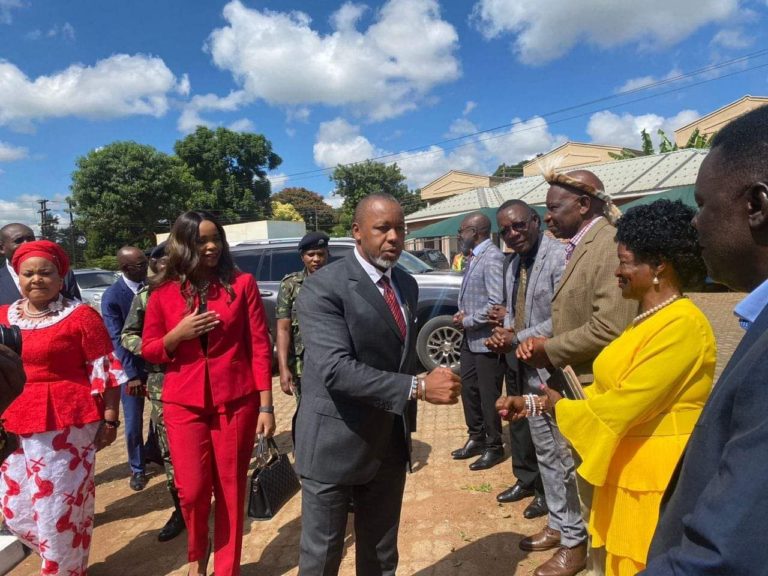
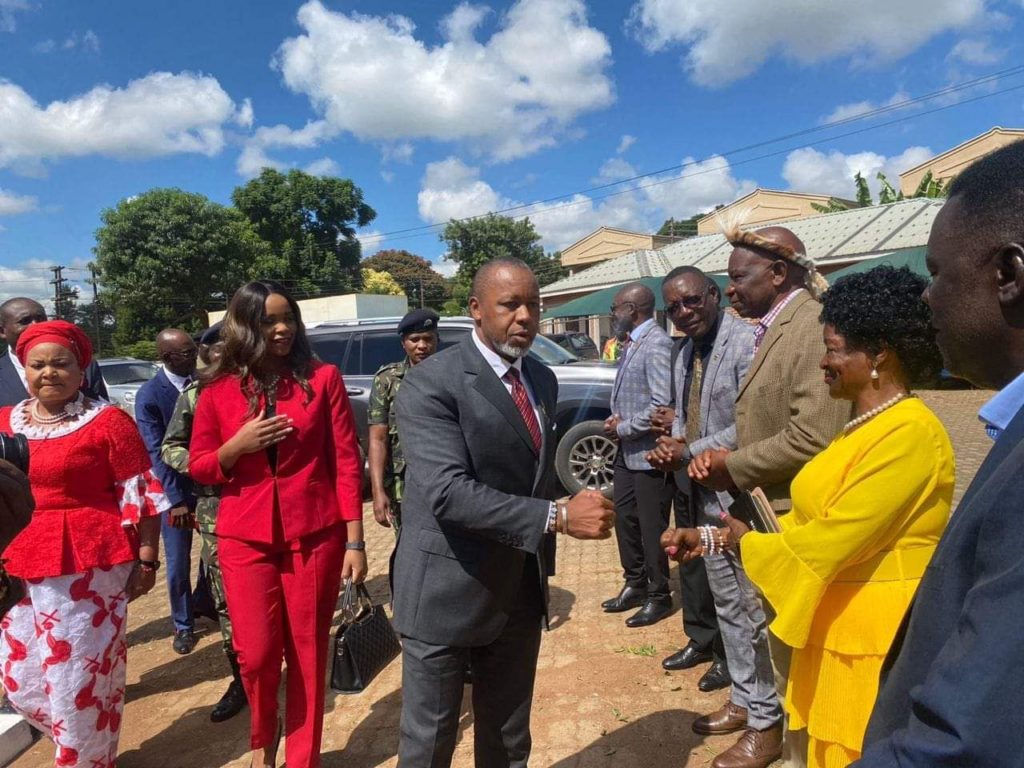
Chilima on the way to court

In this case, the court’s decision to allow a limited viewing of the sensitive documents by key stakeholders, including the defense team lead lawyer, the Attorney General, and the lead lawyer from the Anti Corruption Bureau, is a sensible compromise. By allowing these individuals to review the documents in a controlled setting, the court is ensuring that all parties have access to the information they need to prepare their case while also protecting the sensitive nature of the information.

The court’s ruling also highlights the importance of safeguarding the right to a fair trial for all individuals accused of wrongdoing. In a just legal system, all parties must have equal access to evidence and information relevant to the case in order to present a strong defense or prosecute the case effectively. By making it clear that the state will have to decide whether to disclose the sensitive documents or terminate the case if they are deemed relevant, the court is sending a message that justice must be the top priority in this case.

Overall, the case of Vice President Saulos Chilima raises important questions about the role of the courts in balancing the interests of transparency, accountability, and national security. By carefully considering the sensitive nature of the documents at issue and providing a mechanism for key stakeholders to review them in a controlled setting, the court is working to ensure a fair trial for all parties involved. In a democracy, the rule of law and the protection of individual rights must always be the guiding principles of the legal system, even in cases wherThe recent ruling by the High Court in Lilongwe regarding the sensitive documents in the Vice President Saulos Chilima corruption case raises important questions about the balance between transparency and accountability in the legal system. The court’s decision to caution that some of the documents are highly sensitive and may not be suitable for public disclosure highlights the challenges faced by the judiciary in ensuring a fair trial while also upholding national security interests.

One of the key issues at play in this case is the tension between the right to a fair trial and the need to protect sensitive information. The court’s recognition of the sensitive nature of the documents being sought by the defense signals that there are legitimate concerns about the potential impact of public disclosure on national security. However, the court also emphasized the importance of ensuring a fair trial for the accused, suggesting that if the documents are deemed relevant to the case, the state may have to make a difficult decision about whether to proceed with prosecution or terminate the case.

In a democracy, the principle of transparency is essential to holding public officials accountable for their actions. The right of taxpayers to know how their money is being spent and to hold those in power to account is a fundamental aspect of democratic governance. However, in cases involving sensitive information, such as national security issues, there may be legitimate reasons for withholding certain documents from public view. In such cases, the judiciary plays a critical role in balancing the need for transparency with the need to protect sensitive information.

In this case, the court’s decision to allow a limited viewing of the sensitive documents by key stakeholders, including the defense team lead lawyer, the Attorney General, and the lead lawyer from the Anti Corruption Bureau, is a sensible compromise. By allowing these individuals to review the documents in a controlled setting, the court is ensuring that all parties have access to the information they need to prepare their case while also protecting the sensitive nature of the information.

The court’s ruling also highlights the importance of safeguarding the right to a fair trial for all individuals accused of wrongdoing. In a just legal system, all parties must have equal access to evidence and information relevant to the case in order to present a strong defense or prosecute the case effectively. By making it clear that the state will have to decide whether to disclose the sensitive documents or terminate the case if they are deemed relevant, the court is sending a message that justice must be the top priority in this case.

Overall, the case of Vice President Saulos Chilima raises important questions about the role of the courts in balancing the interests of transparency, accountability, and national security. By carefully considering the sensitive nature of the documents at issue and providing a mechanism for key stakeholders to review them in a controlled setting, the court is working to ensure a fair trial for all parties involved. In a democracy, the rule of law and the protection of individual rights must always be the guiding principles of the legal system, even in cases where sensitive information is at stake.stake.


Bird’s Eye View: Will Chakwera secure a second term?


As the anticipation for the 2025 elections in Malawi builds, there is widespread speculation on whether President Lazarus Chakwera will secure a second term in office or follow the path of two past presidents who served only one term.

This question sparks curiosity, especially among those close to Chakwera, as time steadily moves forward.
Yet, amidst this speculation, another crucial question arises: If not Chakwera, who stands poised to win the upcoming presidential election?

The political landscape of Malawi leading up to the tripartite elections presents an intriguing tableau, notably marked by the apparent quietude and inactivity of major opposition political parties.
While some may interpret this relative dormancy and the defections of members to the Malawi Congress Party (MCP) as indicators of its assured dominance, such a conclusion oversimplifies the intricate dynamics of Malawi’s political sphere.

However, the electoral prospects of opposition parties hinge significantly on their ability to present a united front. Infighting, factionalism, and lack of cohesion among opposition parties could weaken their electoral viability.
Should they fail to project unity and instead engage in internal conflicts, voters may perceive them as unstable and ineffective alternatives, thereby bolstering MCP’s chances of electoral success.

The MCP’s potential to win elections easily in 2025 could be attributed to a combination of factors, including weaknesses within other political parties, effective leadership, and messaging by the MCP, and broader socio-economic dynamics shaping voter preferences.
Truth be told, President Chakwera has exhibited a strong and effective leadership style during his first term in office. He has prioritised issues such as economic development, healthcare, education and infrastructure improvement. His actions in addressing national challenges have gained him popularity among the electorate.

Despite facing numerous natural disasters and pandemics such as COVID-19 and Cholera, Chakwera’s administration has successfully implemented various policies and projects that have positively impacted the lives of citizens.

On the other hand, the opposition parties in Malawi may be fragmented, lacking strong leadership and coherent policies. Their focus seems to be on removing Chakwera from office rather than presenting Malawians with policies aimed at transforming the country.
Compounded by internal discord, absence of a clear vision and an inability to offer a credible alternative to Chakwera’s leadership, opposition parties find their capacity to mount a convincing challenge in the upcoming elections significantly weakened.

The Democratic Progressive Party (DPP) finds itself in disarray, with internal divisions casting doubt on the party’s direction for the upcoming elections. Membership is split on whether to retain APM as a candidate, adding to the uncertainty surrounding the party’s future.
Meanwhile, the United Democratic Front (UDF) appears to be a mere shadow of its former self, grappling with the challenge of asserting relevance in the current political landscape. Conversely, the relative popularity of the United Transformative Movement (UTM) on social media platforms has shown signs of dwindling in recent times.
Without a compelling alternative, voters may lean towards maintaining the status quo, particularly if they perceive Chakwera as the superior choice.

Honest Malawians will agree that under Chakwera’s leadership, Malawi has experienced a period of political stability and social cohesion. A stable political environment often favors the incumbent, as voters tend to prioritise continuity.
Chakwera’s demonstrated leadership style, achievements in office, public approval ratings, weak opposition, political stability, and incumbency advantage collectively position him as a strong contender for victory in the 2025 presidential elections in Malawi.
In conclusion, President Chakwera appears poised to secure a second term during next years elections.

Farmers cautioned against selling maize to vendors

0

By Austine Patrice Kachilika

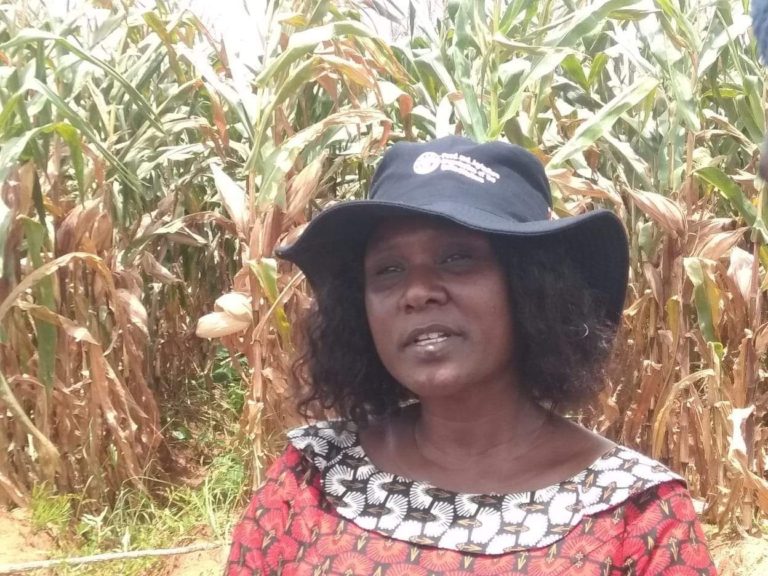
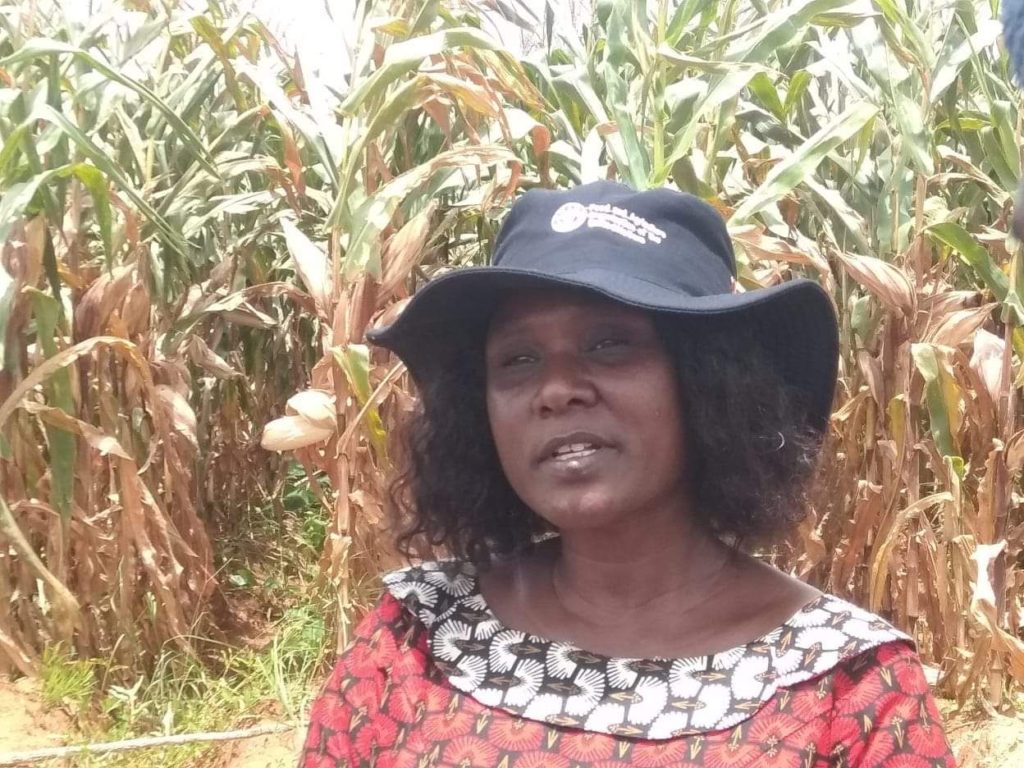
M’mbelwa District Council Director of Agriculture, Environment and Natural Resources, Beatrice Mbakaya has advised farmers in Mzimba District against selling their agricultural produce to vendors as the district is anticipating hunger in some areas.

In an interview on Tuesday, Mbakaya said the district has been greatly affected by dry spells which have contributed to the withering and underdevelopment of crops in Mzimba.


“Mzimba District registered over 20 days of dry spells during this growing season which contributed to stunted growth and withering of crops in several areas in the district. As such, farmers should know that we are likely to experience hunger in the coming months and should refrain from selling their grains to vendors at an early stage,” she said.

Mbakaya further advised farmers in the district to adopt climate resilient technologies for improved agricultural productivity and enhanced nutrition security.

She said: “It is high time farmers started adopting climate smart agriculture technologies such as manure production, drip irrigation, livestock keeping, genetic modified crops adoption and moisture retention methods.”

Mbakaya also urged farmers to grow drought tolerant crops such as cassava, cassava, millet and sweet potatoes which may act as a substitute for maize.

“People in the district should realise that maize is not the only source of carbohydrates, therefore, they must try out other alternatives in the wake of climate change shocks”, said Mbakaya.

Commenting on the matter, Group Village Head Venge Nyirenda asked community members to take heed of the advice to prevent hunger from striking their households.

One of the farmers, Ephrina Mvula said the advice has come at a right time because it will help most farmers weigh their options, whether to store their produce for future use or fall for money and face hunger.

12 injured in Blantyre’s Kenyata drive road accident

0

By Chisomo Phiri

Twelve people  have suffered various degrees of injuries following a road accident that happened along Kenyatta drive at Kanjedza in Limbe on Tuesday.

According to Sergeant Aubrey Singanyama Public Relations Officer (PRO) for
Limbe Police Station,Leonard Jawadi, 37, was driving a Toyota Hiace minibus with registration number KK10693.

The driver lost control of the vehicle while driving from Kanjedza roundabout heading towards Kwacha roundabout.


“Upon arrival at Kanjedza Puma Filling station, he veered into the wrong lane and collided with a Toyota Corolla Saloon with registration number BS 1017.

“The impact caused the  minibus to swerve back into it’s s lane and hit another Toyota Hiace minibus with registration number MJ 5318, which was also heading in the same direction.

“As a result, twelve people were injured. They were taken to Queen Elizabeth Central Hospital for treatment, where ten were treated as outpatients and two were admitted,” says Singanyama.

He says Jawadi who comes from Kabango village in Blantyre district, will be charged with reckless driving Contrary to Section 126 of the Road Traffic Act.

Meanwhile,  Police in the area  are urging all road users to obey traffic signs and regulations and avoid speeding.

Eagles Relief to implement Dowa Child Centered pilot project

0

By Vincent Gunde

A Relief and Development arm of the Living Waters Church, Eagles Relief and Development Programme International will implement a three-year -Dowa Child Centered -Church and Community Mobilization Process (CCMP) pilot project in the area of Senior Chief Msakambewa in Dowa district.

The project will target 20 churches, 60 church leaders, 80 children and youth and 10,000 church members trained and transformed to transform others with Eagle Relief as the implementing partner with funding from Compassion in Jesu’s name.

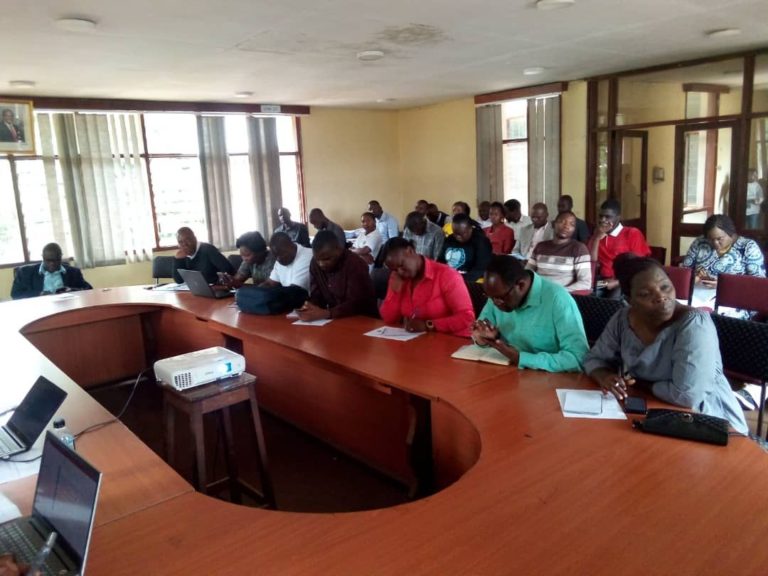
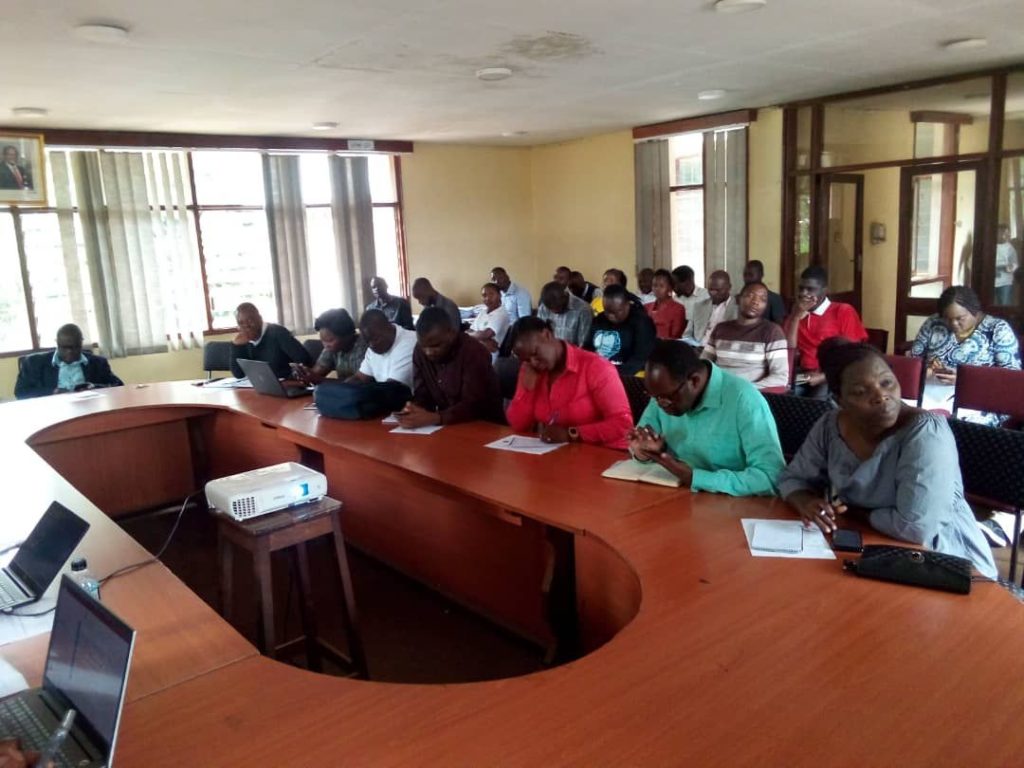
Dowa Dec members following Eagles presentation


Compassion International is a Christian charity dedicated to releasing children in Jesus’s name through sponsorships and donations by empowering local churches to provide individualized and holistic care to children in poverty so that they are free to learn, grow, play and dream.

Introducing the project to the District executive committee at a meeting held at the Dowa Boma, the organization’s Church Mobilisation Manager Curthbert Gondwe, said the project will train pastors and church leaders through a Bible school course, online course and in their fraternal.

Gondwe said Eagles has trained church leaders through out Malawi and Dowa is the next strategic target to fulfill its mission of using a church and community mobilization and empowerment model- Church and Community Mobilization Process (CCMP) with an objective of empowering people to transform their situation using their God given resources.

He said the project has a goal of contributing towards improved living standards and holistic transformation of communities in T’A Msakambewa and their most vulnerable members especially youth and children through improved church involvement and participation in social development.

The Mobilization Manager said the project will mobilize and strengthen local churches and communities to undertake effective and sustainable social action regarding social development priorities together with their local communities and stakeholders aimed at improving people’s living standards.

He said Eagles mission is to mobilize and empower local churches and communities to work together, take responsibility for their own development and achieve holistic change saying some key activities of the project include mapping of Dowa churches, envisioning of key church leaders, quarterly review meetings with the facilitators and learning visits for facilitators.

Gondwe said the project has some key deliveries such as 20 churches mobilized, 60 pastors and church leaders trained and 10,000 community members empowered to be self-reliant and take responsibility for their own development.

In his remarks, Acting Director of Agriculture for Dowa Martin Kamlomo, welcomed the project into the district saying church members trained and transformed will transform others as a sustainability measure for the project in the district.

Kamlomo advised Eagles Relief to sign a Memorandum of Understanding (MoU) with both the council and CSO Network for the district to enhance cooperation, transparency and accountability as well as providing progress reports of the project to Dec.

Eagles Relied and Development Programme International will implement Dowa Child Centered (CCMP) Pilot project with a total budget of 305,952.18 US Dollars from 2024 to 2026.