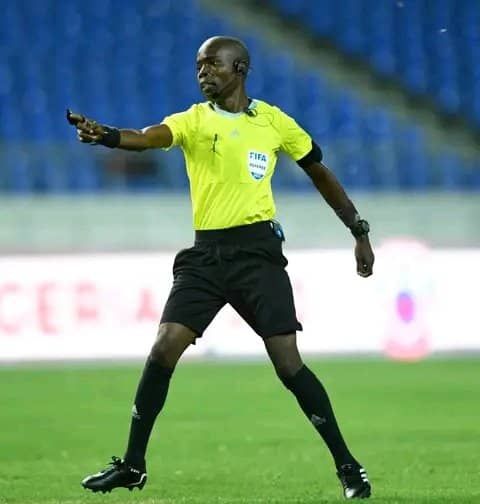
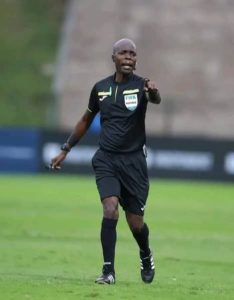
The National Referees Association(NRA) says it will assess four of its members who worked during the Four Nations tournament at Bingu National Stadium (BNS) in Lilongwe.
The four are Godfrey Nkhakananga, Easter Zimba, Pondamali Tembo and Clemence Kanduku.
According to the body’s General Secretary Chris Kalichero, this follows reports that Nkhakananga failed to manage well the final of the senior teams after flashing out three red cards in the match.
Referee Godfrey Nkhakananga
“I think we have seen people complaining about it, so as a body, these are our children, we will assess on how they performed then see the way forward. If it is to help them, we will do to keep our reputation,”says Kalichero.
The national teams that participated in the tournament are Kenya, Zambia, Zimbabwe and Malawi.
Kenya won the tournament following a convincing 3-1 win over Zimbabwe in the final match while Malawi finished bottom after losing to Zambia 2-1.
The national teams participated in the tournament in preparation for the 2026 FIFA World Cup qualifiers.
According to 247 Malawi, Chisomo Phiri reported that the country’s energy regulator, Malawi Energy Regulatory Authority (MERA) has granted permission to all oil marketing companies and fuel services stations registered with it to start selling up to 20 litres of fuel in jerry cans to consumers.
In a statement, the authority’s Chief Executive Officer (CEO) Henry Kachaje says the decision for this is to provide increased convenience to consumers, particularly those with small-sale fuel requirements machinery, generators, and emergency fuel needs.
This article scrabbles about into the history and introduction of jerrycans. It is always fascinating to look back at history and have a feeling of how things were then and compare and contrast with the present. Those who were there in the old days will always cherish those moments and are reminded of the past while those who weren’t there can only imagine.
The banning of jerrycans
In April 2022, The Malawi Energy Regulatory Authority (MERA) noted with concern an increase in illegal fuel storage. This did not only violate the law but also endangered lives and property.
The Liquid Fuels and Gas Regulations of 2009 provide that a person who wishes to store fuel for commercial purposes shall first register with MERA and comply with standards for storage of liquid fuels and gas. This limitation does not apply to the storage of paraffin.
A Registration Certificateis issued to private generators that comply with the minimum standards upon submission of an application form and payment of applicable fees of MK100 per kilovolt-ampere (kVA) with a minimum of Three Thousand Kwacha for generators of capacity range of 20kVA – 30kVA. Where private generators are used as a baseload the fee is MK150 per kVA.
Private generation facilities that are below 20kVA are required to be declared to MERA. This declaration does not attract any fee.
In March 2024, The Malawi Energy Regulatory Authority (MERA) revoked a directive order that restricted customers from buying fuel in jerry cans without a permit from the energy regulatory body.
When the country was experiencing a fuel crisis in 2023, MERA restricted the buying of fuel in jerry cans without their permission and several service stations were closed and fined for acting contrary to the directive.
However, people can now breathe a sigh of relief as MERA, through a press statement signed by its Chief Executive Officer Henry Kachaje, has finally revoked the directive.
The statement indicates that consumers can now buy up to 20 litres of fuel in jerry cans and it is reported that the decision on the matter has been made to provide more convenience to consumers.
History
The first known filling station was the city pharmacy in Wiesloch, Germany, where Bertha Benz refilled the tank of the first automobile on its maiden trip from Mannheim to Pforzheim back in 1888. Shortly thereafter other pharmacies sold gasoline as a side business.
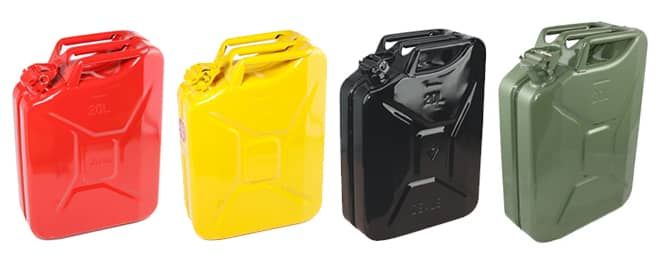
History. The name of the jerrycan refers to its German origins, Jerry being slang for Germans. The design was reverse engineered and subsequently copied, with minor modifications, by the Allies during the Second World War.
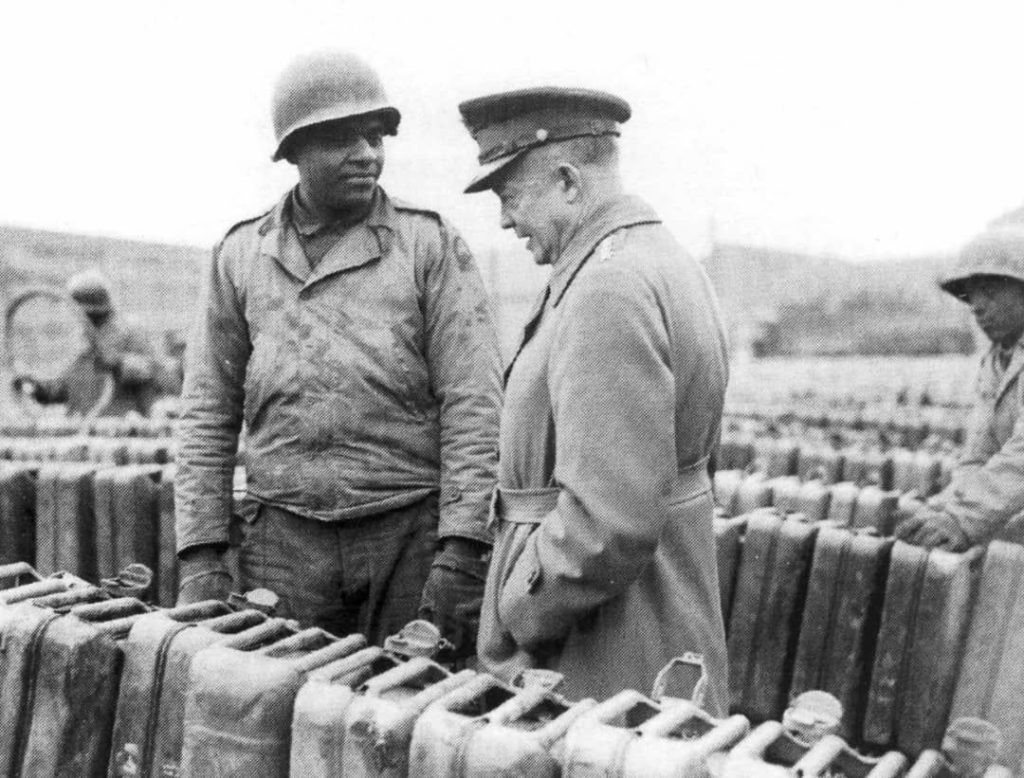
Jerrycans was a Western desert army slang for German liquid containers; hence ‘jerry cans’. The allied army used them in preference to the army issue as the jerry can’s ribbed design made it less prone to leaking in the onerous conditions.
Captured German fuel cans became a prized possession in North Africa and after Benhghazi was captured in 1941 the British army got thousands of them. The cans of course needed a name so British soldiers gave them the nickname for their adversaries, Jerry. These new cans became known as jerrycans.
When this design being copied by the other states, it also got some slang names. The most common are: “Jeep Cans”, “Blitz Cans” or just “Jerry Cans” because of the name by which they were mockingly called the German soldiers ‘germans’ or ‘Jerries’.
Jerrycans simply means a narrow flat-sided container for liquids usually holding about five U.S. gallons (about 19 liters)
The nickname was originally created during World War I. The term is the basis for the name of the jerrycan. The name may simply be an alteration of the word German. Alternatively, Jerry may possibly be derived from the stahlhelm introduced in 1916, which was said by British soldiers to resemble a “jerry” (chamber pot).
The jerry can had been an integral component of the German Blitzkrieg tactics which enabled them to move motorised divisions rapidly through Europe at the start of the war. By the time of the allied invasion, the design had been reverse engineered and British and American troops were equipped with their own jerry cans.
Presidential pardons are a common practice in many countries around the world. However, these pardons are often granted on specific days such as Independence Day, Freedom Day, or other significant national holidays. But why do presidents choose to exercise their powers on these specific days rather than on ordinary days?
There are several reasons why presidents may choose to pardon inmates on specific days. Firstly, these days are often seen as symbolic of freedom, liberty, and justice. By granting pardons on these days, presidents are able to highlight the values that their country stands for and demonstrate their commitment to upholding these principles. It sends a powerful message to the public that the government is compassionate and willing to give people a second chance.
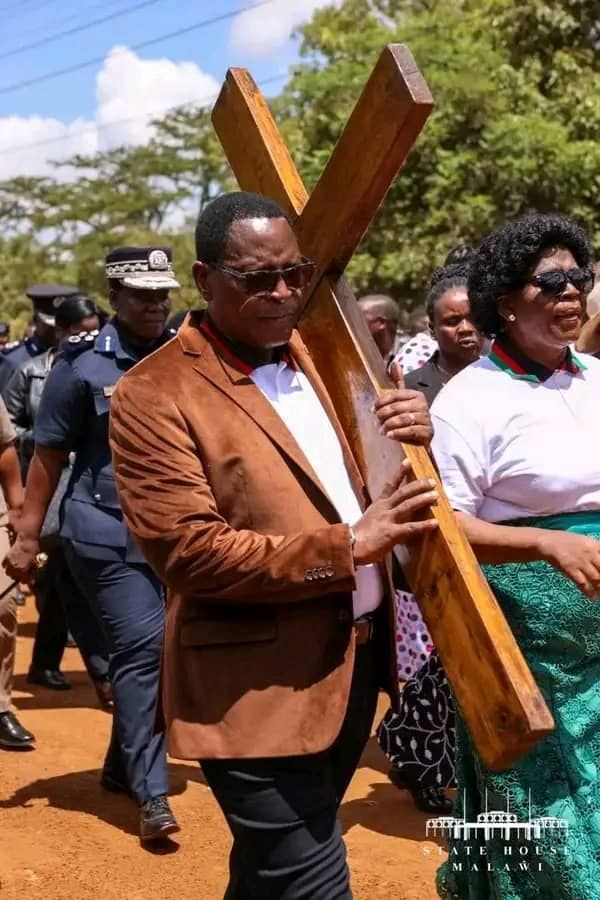
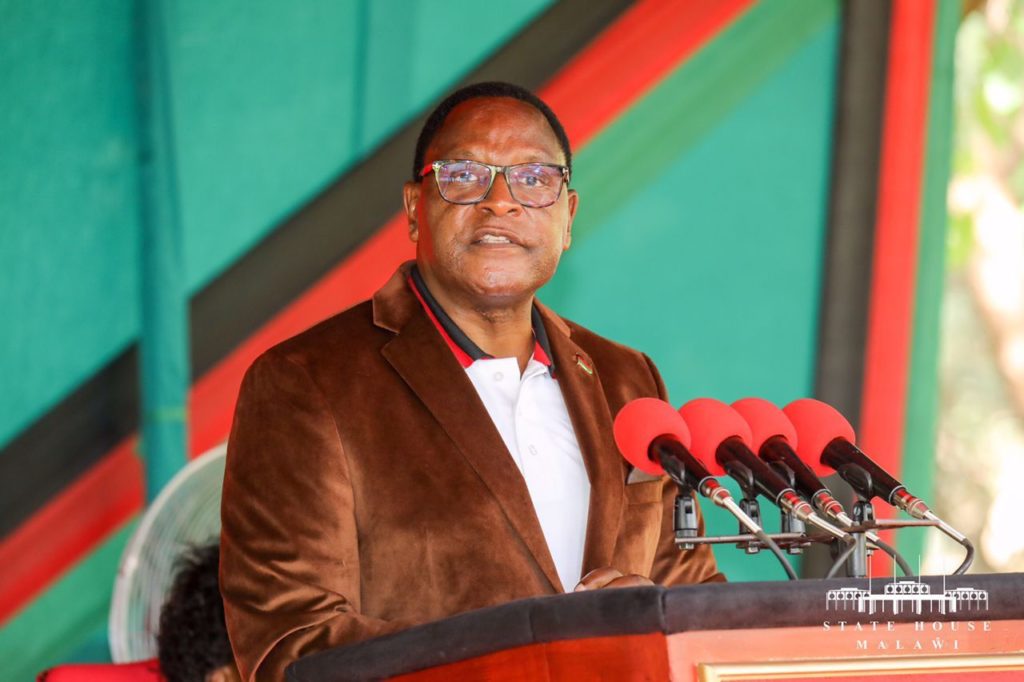
Chakwera during Easter
Secondly, pardoning inmates on specific days can also help to unite the nation. These holidays are often times of celebration and reflection, and by issuing pardons, presidents can promote a sense of solidarity and forgiveness among the population. It can be a way to bring people together and promote reconciliation and healing.
Additionally, pardoning inmates on specific days can also serve as a way for presidents to fulfill campaign promises or political obligations. By timing the pardons to coincide with significant holidays, presidents can capitalize on the emotional resonance of the day and garner positive publicity and support from the public. It can also be a way for presidents to demonstrate their power and authority, as well as their commitment to criminal justice reform.
The significance of pardoning inmates lies in the idea of redemption and rehabilitation. By granting pardons, presidents are acknowledging that individuals have the capacity for change and are deserving of a second chance. It is a way to recognize the humanity and dignity of those who have made mistakes and offer them a path to reintegration into society. Pardons can also serve as a way to address issues of overcrowding in prisons, as well as to promote restorative justice and reduce the stigma associated with criminal records.
The genesis of pardoning inmates can be traced back to ancient times, when rulers had the power to grant clemency to those who had committed crimes. In many cultures, forgiveness and mercy were seen as virtues and it was believed that granting pardons could help to restore harmony and balance in society. Over time, the practice of pardoning evolved into a formal legal process, with specific criteria and procedures governing the granting of pardons.
In modern times, presidential pardons are typically granted based on a variety of factors, including the nature of the offense, the individual’s criminal history, and their behavior while in prison. Presidents often consult with legal advisors and review applications for pardon before making a decision. Pardons can be full or partial, and can also include conditions such as participation in rehabilitation programs or community service.
President Chakwera’s decision to pardon prisoners in commemoration of the Easter festival is a reflection of his values and beliefs as a leader. Easter is a time of forgiveness and renewal in the Christian faith, and by granting pardons, President Chakwera is aligning himself with these principles. It is also a way for him to demonstrate his commitment to social justice and compassion, and to show solidarity with those who have been marginalized or forgotten.
In conclusion, presidential pardons on specific days serve a variety of purposes, from promoting national unity to fulfilling political obligations. The significance of pardoning inmates lies in the values of redemption and rehabilitation, as well as the recognition of individual dignity and humanity. The genesis of pardoning can be traced back to ancient times and has evolved into a formal legal process in modern times. President Chakwera’s decision to pardon prisoners in commemoration of the Easter festival reflects his values and beliefs as a leader.
Director of Strategic Planning in the Malawi Congress Party ( MCP) Kenneth Zikhale Ng’oma has disclosed his plans to revive the party in the rural areas.
Zikhale who is also minister of Homeland Security made the disclosure on Saturday in Karonga district during the official handover ceremony of nine cows and bags of rice for the MCP victory celebrations of the three ward councillors following the by-elections that took place in the district.
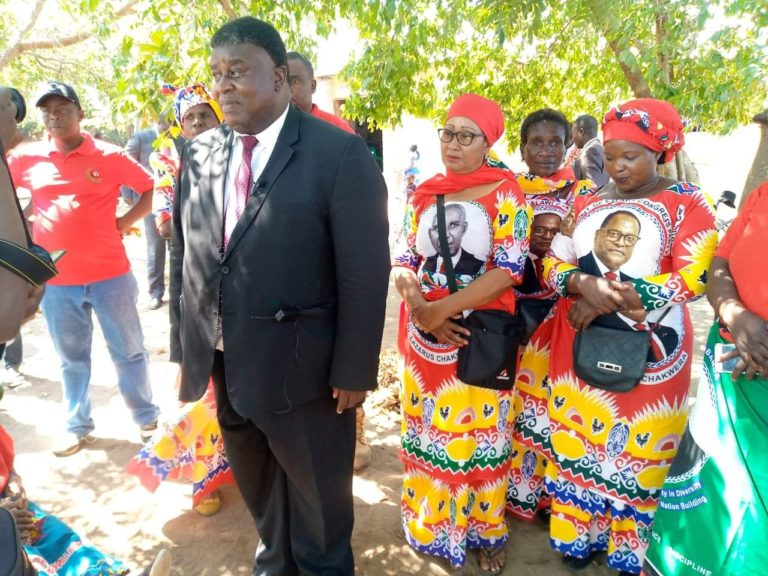
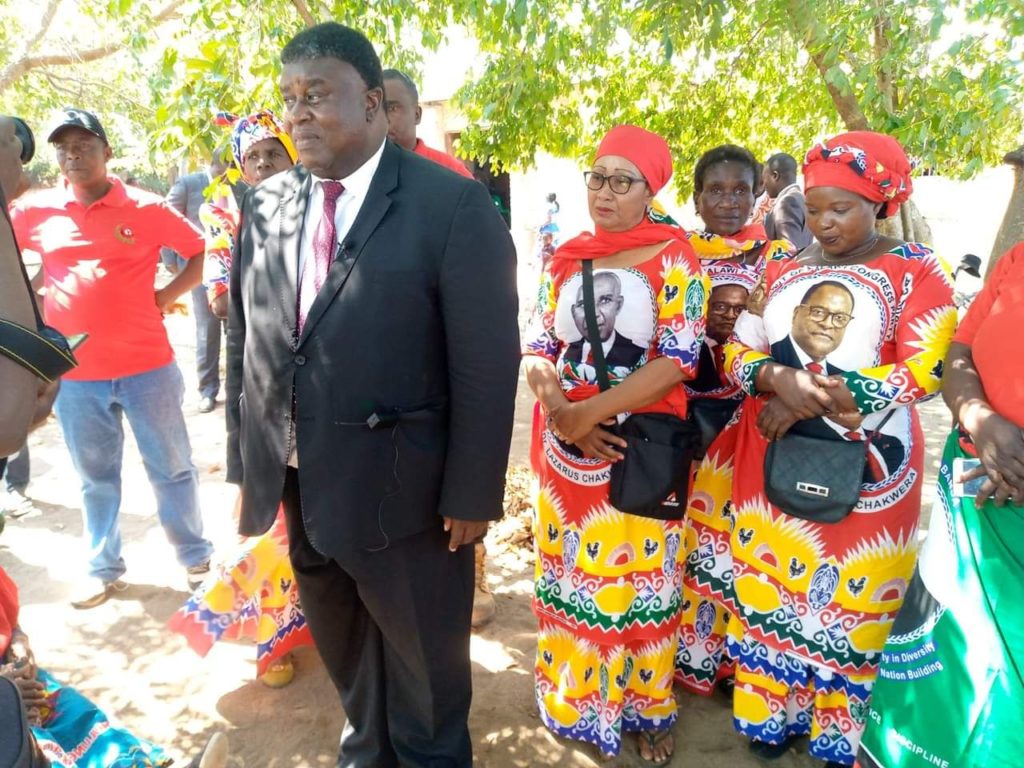
Nyamazikuluzikulu Dr Kenneth Zikhale Reeves Ng’oma
Ng’oma said that he decided to support the event as a way of thanking the people of Karonga for their love of the party and president Lazarus Chakwera.
Ng’oma further disclosed that he will be having meetings with the people in the rural areas in order to bring back the party in the rural areas.
Zikhale Ng’oma together with North North Regional Chairman Kezzie Msukwa and other party’s top officials visited different areas where people gathered for the celebrations.
Ng’oma also said the party’s winning of all three seats in the Karonga by-elections is a clear signal that it will win in next years general elections.
The state president Dr Lazarus Chakwera has pardoned 49 prisoners and reduced sentences of all the prisoners by six months as part of the celebration of this year’s Easter season.
This has been contained in a statement which has been signed by the principal secretary for the ministry of homeland security Dr. Steven Kayuni.
Speaking in an interview, Minister of Homeland Security Kenneth Zikhale Ng’oma said, the pardon of the prisoners is an act of mercy in this Easter season as the christians across the world commemorates the death of jesus Christ.
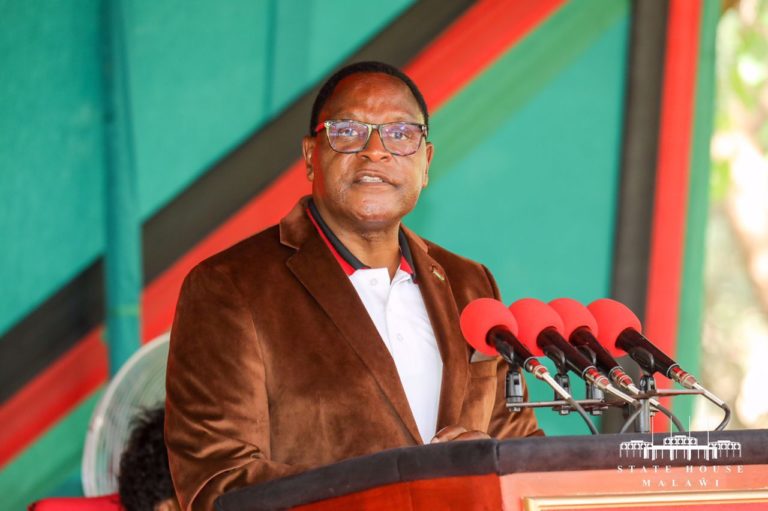
President Chakwera
Ng’oma said: “This is the best time to reflect on our shortfalls a nation and reconcile with one another”.
Last year, Chakwera pardoned 200 prisoners during the same period.