Former ESCOM United and Mighty Mukuru Wanderers striker, Luke Bruno Milanzi has joined Dedza Dynamos as an assistant coach barely days after leaving Karonga United.
Dedza Dynamos FC General Secretary Kondwani Wiseman Banda has confirmed of Milanzi’s appointment indicating that he has penned to paper a two-year contract.
“We can confirm that we have hired Milanzi as our assistant coach replacing Sullivan Kandulu whose contract has expired,” Wiseman Banda said.
He indicated that the decision to hire Milanzi follows his past experience both as a player and coach.
“You can agree with me that despite producing the league’s top goal scorer last season, we struggled up front so his experience as a former striker will definitely help us,” he highlighted.
Speaking after his appointment Milanzi said he needed a different challenge altogether that is why he parted ways with Karonga United in mutual agreement.
“The past season that I have been with Karonga United, I have learnt a lot and it’s time for me to move on with my coaching career,” Milanzi said.
The former Kadona Stars head coach said he enjoyed his stay at Karonga United and he is happy with what he has contributed to the team.
“I wish Karonga United all the best and it’s time I start my contribution at this passionate club in the name of Dedza Dynamos,”he said.
During his days as a player, Bruno Milanzi played for Eagle Strikers, Escom United, TP Mazembe, Mighty Mukuru Wanderers and finished his career at FCB Nyasa Big Bullets.
As it is, Andrew Bunya is the team’s head coach with Milanzi as the first assistant coach and Christopher Zinyongo is the second assistant coach.
In the annals of Malawi’s history, there’s a chapter that speaks volumes about the unwavering courage and determination of its people in the pursuit of justice and democracy. At the heart of this chapter lies the heroic efforts of the Human Rights Defenders Coalition (HRDC), a beacon of hope for many, during the tumultuous period between 2019 and 2020.
Amidst political and electoral turmoil, HRDC emerged as a formidable force, fearlessly advocating for electoral justice and accountability. Led by the indefatigable Timothy Mtambo and his dedicated team, HRDC became the voice of the voiceless, rallying citizens to demand transparency and fairness in the electoral process.
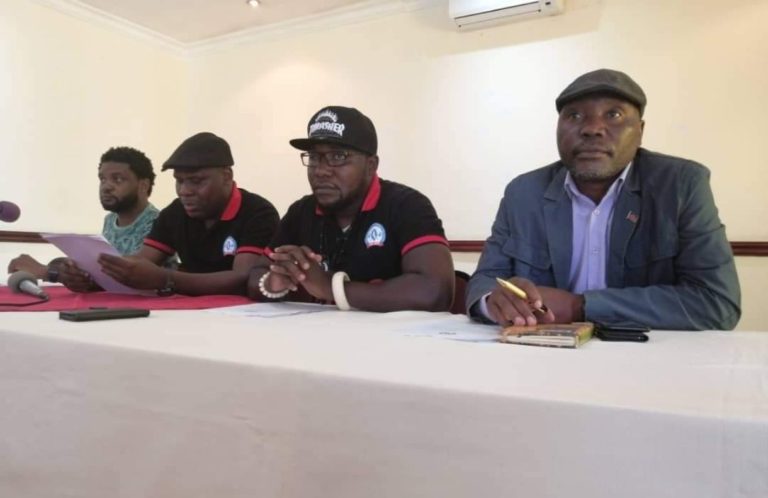
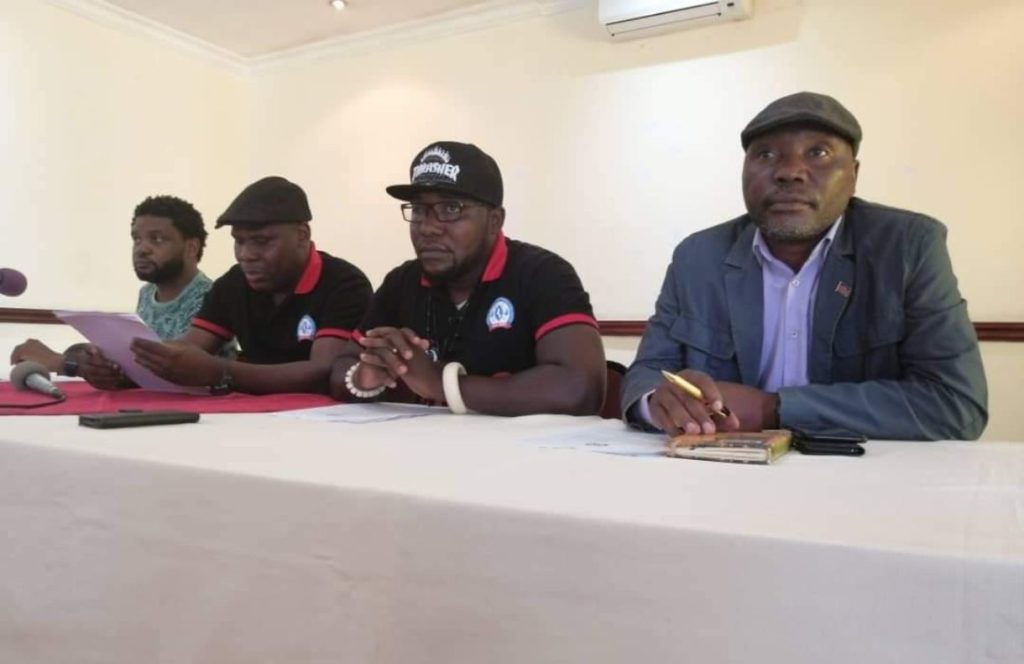
HRDC , File photo
However, their journey was fraught with challenges, and nowhere was this more evident than on the fateful day of March 9, 2020. On this historic day, while Timothy Mtambo and his fellow HRDC activists languished in police custody, charged with crimes they did not commit, the people of Malawi took to the streets in a remarkable display of solidarity and defiance.
In an act of unity, Malawians from all walks of life, transcending political affiliations and ethnic divides, joined hands to demand the release of their beloved leaders. It was a momentous occasion, a testament to the resilience and strength of the Malawian spirit.
Political parties, often at odds with each other, set aside their differences and stood shoulder to shoulder in solidarity with HRDC. It was a rare sight, one that showcased the power of collective action in the face of adversity.
Today, as we mark the fourth anniversary of that historical day, we must pause to reflect on its significance. It serves as a kind reminder of the sacrifices made by those who dared to challenge the status quo, and the enduring legacy of hope they leave behind.
The heroes of HRDC may have faced persecution and hardship, but their spirit of courage lives on in the hearts of every Malawian who yearns for a better future. Their courage inspires us to keep fighting, to never lose sight of our dreams for a more just and equitable society.
As we commemorate this day, let us honor the heroes of HRDC and all those who continue to champion the cause of justice in Malawi. May their legacy endure, guiding us on the path towards a brighter tomorrow.
Long Live Comrade Timothy Mtambo, Long Live Comrade Gift Trapence, Long Live Comrade McDonald Sembeleka! This day will never be erased in history! Happy HRDC day
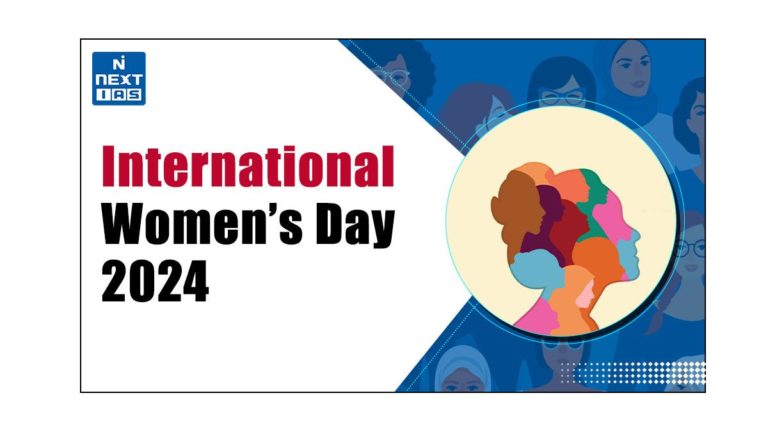
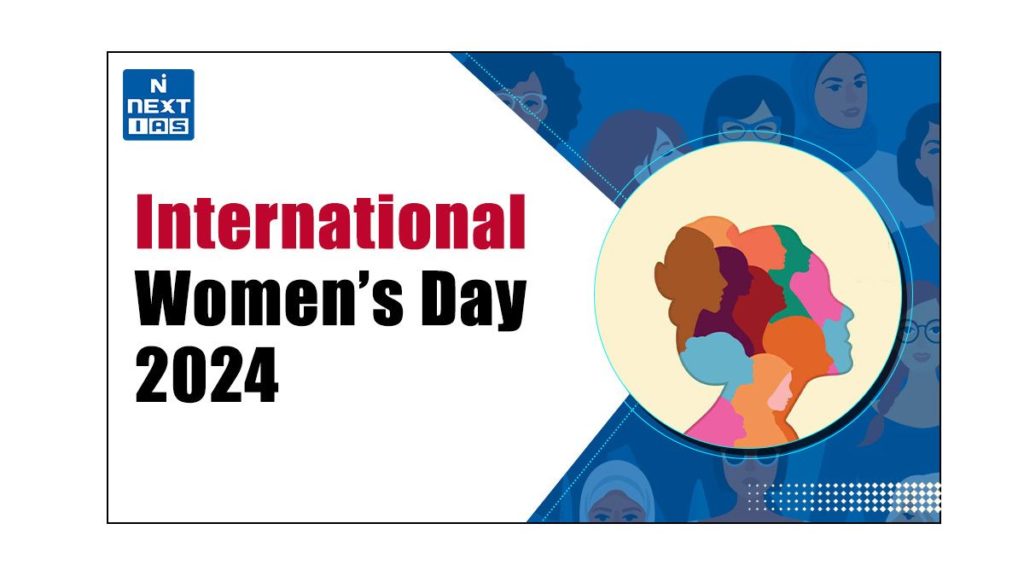
International Women’s Day, observed on March 8th, was a global celebration of women’s achievements and a call to action for gender equality.
International Women’s Day was on the horizon. It was the day to remember women leaders and women’s rights activists who advocated for gender equality and gender justice. After UNGA’s (United Nations General Assembly) mandate in 1977, every year 8th March is observed as International Women’s Day.
The Socialist Party of America designated this day in honour of “the 1908 garment workers’ strike in New York, where women protested against working conditions.” Around 15,000 women marched that day for shorter hours of work, better pay and voting rights, the International Women’s Day (IWD) website says.
The United Nations began celebrating International Women’s Day in 1975, which proclaimed the International Women’s Year. In 1977, the United Nations General Assembly invited member states to proclaim March 8 as an official UN holiday for women’s rights and world peace.
In celebrating International Women’s Day 2024, under the theme of ‘Investing in women: Accelerate progress’, the International Labour Organisation (ILO) puts a spotlight on the essential and inseparable roles of decent work and gender equality.
While the idea behind a women’s day originated in U.S. with the American Socialist Party in 1909, it was a German feminist who pushed for a global commemoration during an international conference of socialist women held in 1910 in Copenhagen.
The day is dedicated to celebrating achievements of women, and marks a call to action for accelerating gender parity.
8 March is International Women’s Day devoted to celebrating the achievements of women and seeking gender equality. The campaign theme in 2024 is #InspireInclusion, while the official theme of the UN observance of the day is ‘Invest in women: Accelerate progress’.
The Women’s Social and Political Union in the UK started using purple, green and white to symbolise women’s equality as far back as 1908. Historically, purple was a colour that denoted justice and dignity, and now it is used to represent women. Green is a symbol of hope.
We need women’s day. It’s an opportunity to celebrate women’s accomplishments. History bursts with important events that have made the world a better place. Women have always played essential roles in the movements for voting rights, civil rights, rights, labor rights, children’s rights, and much more.
Through resource efficiency, circular design, water reuse, repair and recycling, African nations can customize their economic systems to maximize both social benefits and sustainability.
Circularity models hold immense promise for fostering inclusivity in Africa, addressing pressing economic and social challenges while promoting sustainable development. By reimagining traditional linear models of production and consumption, a circular economy offers opportunities for growth that benefit all segments of society. However, there is no one-size-fits-all approach: each African country needs to adapt its policies according to their particular needs and resources.
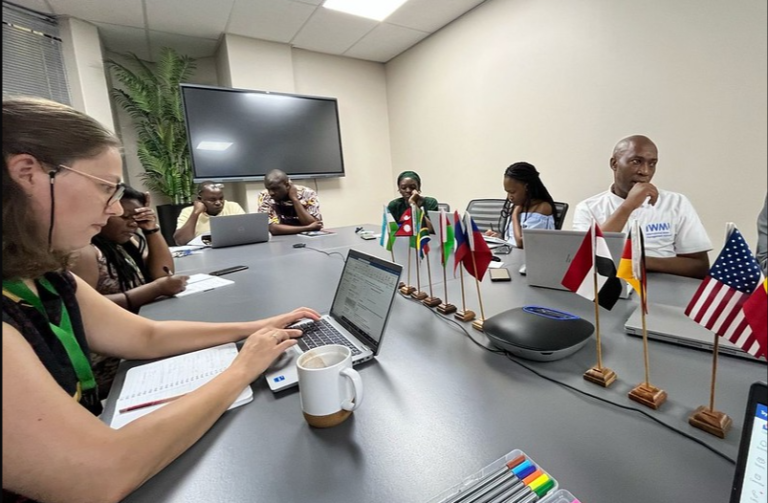
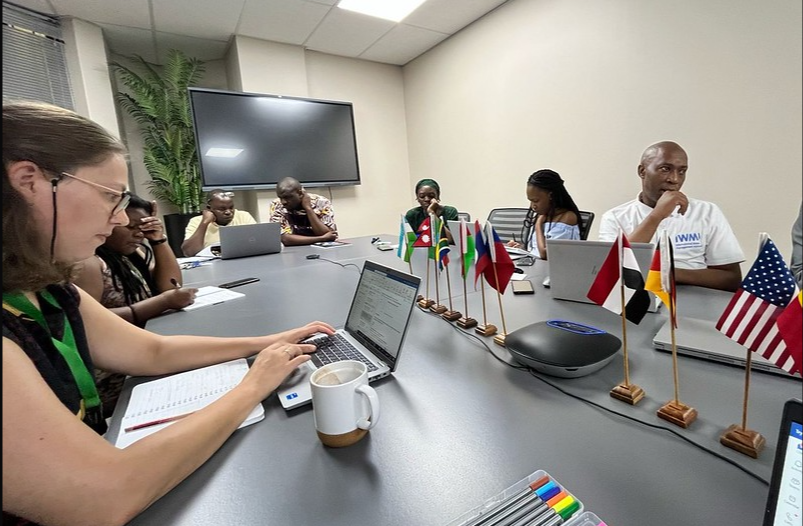
Henry Roman, Regional Representative for Southern Africa at the International Water Management Institute (IWMI) spoke to journalists in Pretoria and online participants on this topic during an event on March 7, 2024.
According to Roman, circular economy represents an opportunity.
“In Africa, where resource scarcity and environmental degradation pose significant obstacles to development, embracing circular principles can unlock new avenues for job creation, entrepreneurship, and community empowerment. Through initiatives such as designing out waste, resource cycling and innovative product design, the circular economy can harness the continent’s abundant resources and creativity to generate shared prosperity. Furthermore, by prioritizing local production, resource efficiency, and social equity, the circular economy has the potential to reduce inequalities, empower marginalized communities, and promote resilient, self-sustaining economies across Africa,” Roman said.
In adopting the circular economy, Africa can chart a path towards a more inclusive and sustainable future, where economic prosperity is intrinsically linked to environmental stewardship and societal well-being.
“Circular economy is not just waste management, recycling, reuse or reduction alone. The principles of circular economy involve designing out waste and pollution, keeping products and materials in use, and regenerating natural systems. It emphasizes resource efficiency, circular design, product longevity, reuse, repair, and recycling to create a sustainable, closed-loop system that minimizes environmental impact and maximizes economic benefits,” Roman explained.
To ensure water security, we must consider circular approaches to its management: water reuse, recycling, and resource recovery in the form of nutrients from wastewater. The reuse of wastewater does not always have to be to potable standards — it can meet industrial or agricultural standards, minimizing the cost of treatment.
Roman discussed stats from The Circularity Gap Report 2024 indicating that, despite the circular economy entering the mainstream, global circularity is in decline. The share of secondary materials entering the economy has declined from 9.1% in 2018 to 7.2% in 2023. In the last six years, we have consumed nearly as many materials as in the last century. It is, therefore, critical that circular solutions are designed with the developing world in mind.
“The very presence of media representatives from Ethiopia, Kenya, Rwanda, South Africa, Tanzania, Zambia, and other African countries in this talk shows that this is the time and season. For a just transition, we must take a system-thinking approach in implementation of the circular economy, because economic transformation has to be inclusive. Circular economy has the potential to create new forms of work and reduce societal inequalities in Africa, and the world at large,” concluded Roman.
The International Water Management Institute (IWMI) is an international, research-for-development organization that works with governments, civil society and the private sector to solve water problems in developing countries and scale up solutions. Through partnership, IWMI combines research on the sustainable use of water and land resources, knowledge services and products with capacity strengthening, dialogue and policy analysis to support implementation of water management solutions for agriculture, ecosystems, climate change and inclusive economic growth. Headquartered in Colombo, Sri Lanka, IWMI is a CGIAR Research Center with offices in 15 countries and a global network of scientists operating in more than 55 countries
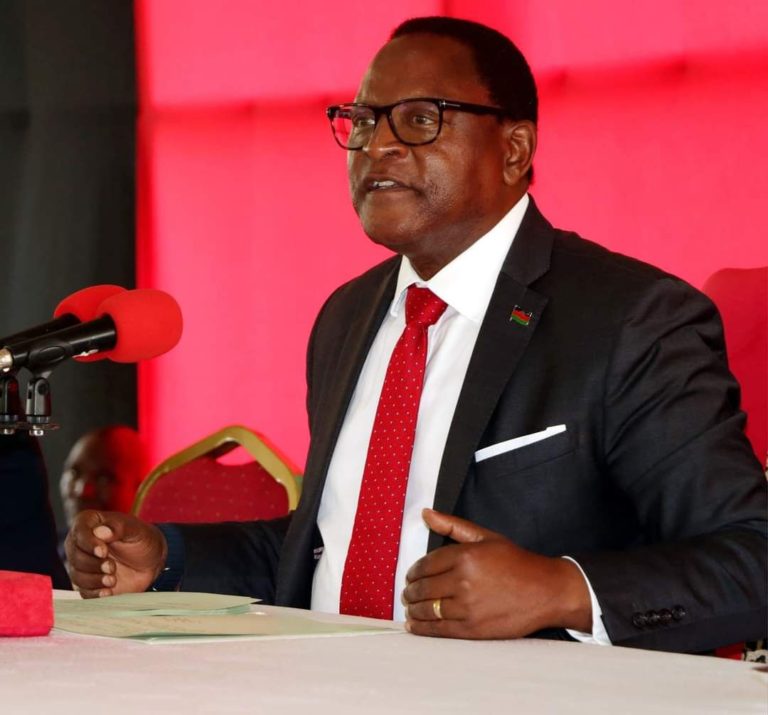
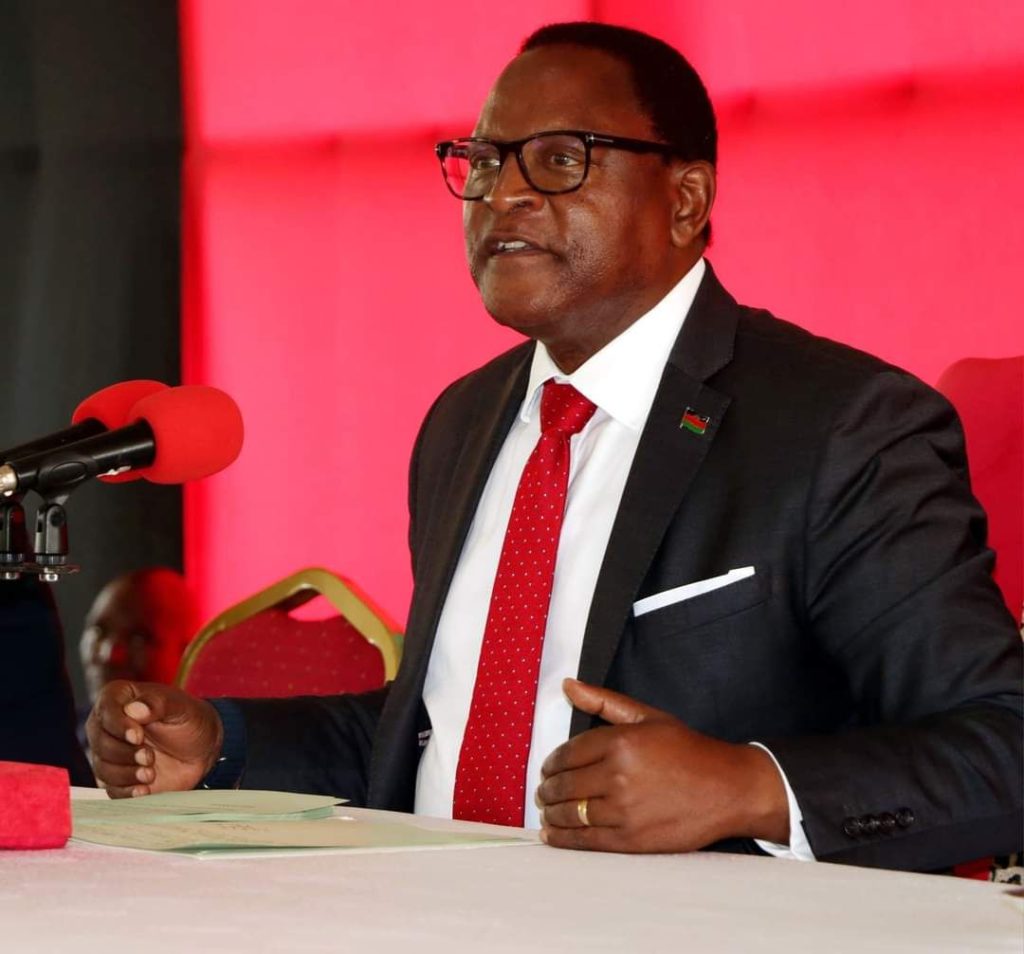
President Lazarus Chakwera is preparing to kick off the 2024 tobacco marketing season, aiming to strengthen the country’s economy.
Chinkhoma Auction floors will be the first to open, followed by other auction floors.
Joseph Chidanti Malunga, the Chief Executive Officer for The Tobacco Commission, confirmed this in a recent statement.
President Chakwera
Last year, Malawi saw great success in the tobacco marketing season, earning $282.62 million by selling over 120 million kilograms of tobacco, with an average price of $2.35 per kilogram.
Tobacco farmers were delighted with the improvements in buying and selling during the 2023 season.
This year, farmers are hopeful and expectant of higher profits from their hard work on the farms. They eagerly await the chance to reap the rewards of their labor in the upcoming marketing season.
The transformation is credited to the visionary leadership of President Chakwera, who envisions a prosperous Malawi.
Unlike the previous regime, the Chakwera-led administration has introduced changes in the pricing of the golden leaf, resulting in an improved rate of 2.35 cents per kilogram.