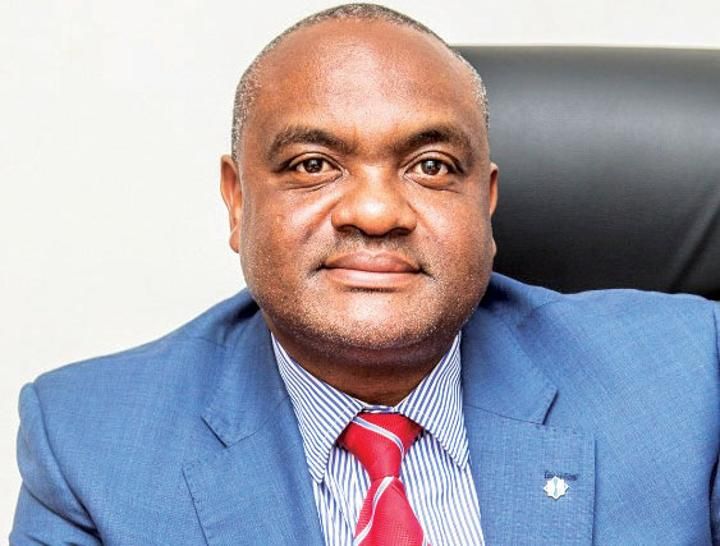
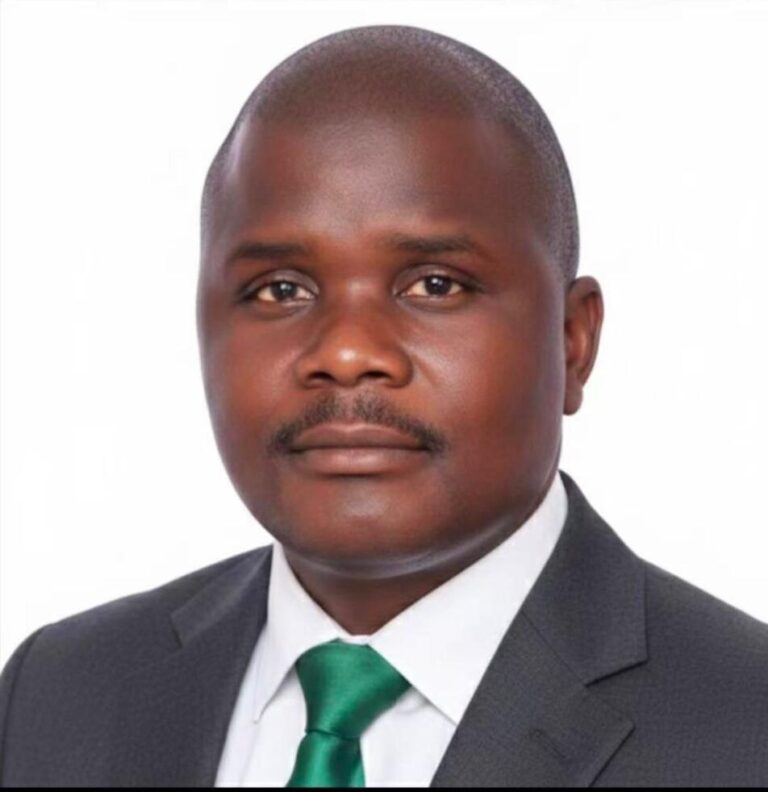
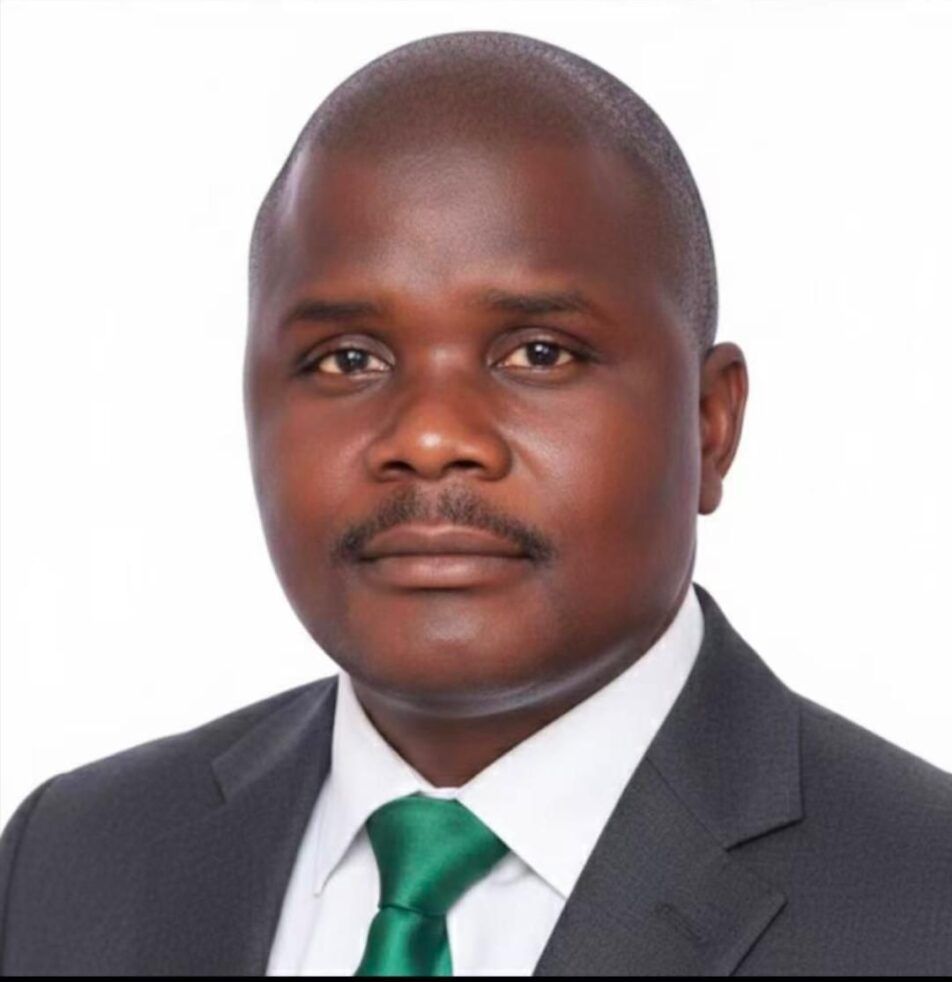
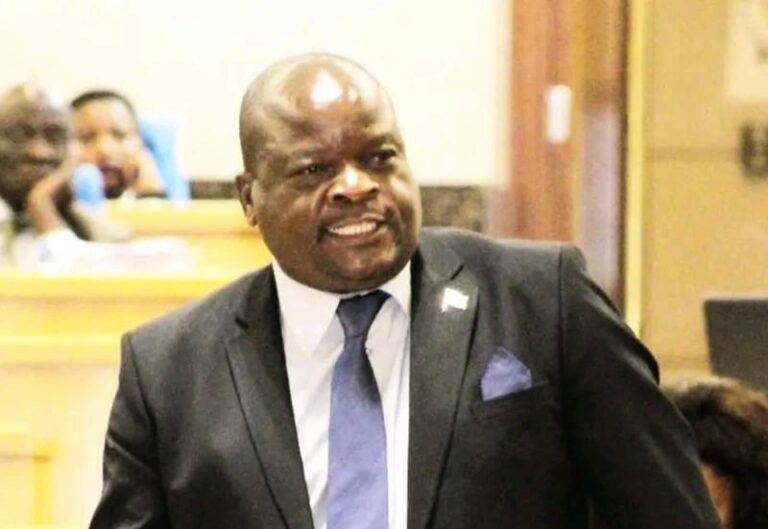
The Board of Directors of the Pesticides Control Board (PCB) has announced the appointment James Chiku Kaphale as the new Registrar and Chief Executive Officer (CEO), effective May 1, 2026.
In a statement, the board’s chairperson Buchizga Victor Madhlopa says Kaphale’s international exposure, including his recognition as a Hubert H. Humphrey Fellow, will be an asset to the institution.
Kaphale brings nearly two decades of experience in regulatory and administrative leadership.
Kaphale
He has previously served as Executive Director of the Competition and Fair Trading Commission (CFTC), Director of Legal Services at the Malawi Communications Regulatory Authority (MACRA), and Director of Administration and Company Secretary at Agricultural Development and Marketing Corporation (ADMARC) Limited.
Kaphale has also held the position of Director of Administration and Corporate Services at the Malawi Housing Corporation (MHC).
In academia, he served as Dean of Law at the Catholic University of Malawi(CUNIMA).
Academically, Kaphale is in the final stages of completing a PhD in Public Administration at the University of Malawi(UNIMA).
He holds a Master of Laws (LLM) from the University of Minnesota in the United States, an Executive Master of Communications Management (EMCM) from Buckinghamshire New University in the United Kingdom, and a Master of Business Administration (MBA) as well as a Bachelor of Laws (Honours), both from the UNIMA.
Presidential aspirant for the upcoming 2030 general elections, Jani Grey Kasunda, has issued a warning over what he describes as an impending food crisis in the country, urging the government to implement urgent structural economic reforms to safeguard food security and stabilize the agricultural sector.
Kasunda
Speaking to 247 Malawi News,Kasunda currently pursuing a Master’s Degree in International Relations at Jinan University in China noted that Malawi has secured funding amounting to US$80 million from the World Bank under the Governance to Enable Service Delivery Project (GESD 2.0), with an additional US$100 million in supplementary support.
He welcomed the financing, describing it as a necessary short-term boost, but cautioned that it does not address Malawi’s deeper structural economic challenges.
He also observed recent changes in maize pricing, stating that prices have fallen from as high as K80,000 per 50kg bag during the previous Malawi Congress Party (MCP) administration to around K20,000 currently, while the minimum farm-gate price has been set at K45,000 per bag.
According to him, this has helped reduce food inflation, but he warned against mistaking short-term price stability for long-term food security.
The presidential hopeful further raised concerns over high production costs faced by farmers.
He pointed out that fertiliser prices have risen significantly in recent years, citing current figures of approximately K187,448.50 per 50kg bag of NPK and K171,611 for Urea.
Kasunda who is campaigning under the banner of ‘The People’s Revolution’ argued that these costs, combined with a maize farm-gate price of K45,000, place farmers at a loss after production expenses.
He warned that this imbalance could negatively affect maize production in the next agricultural season, referencing concerns previously raised by the Farmers Union of Malawi (FUM) about potential declines in output and increased risk of food shortages.
The presidential aspirant also highlighted rising fuel prices, which he said have climbed to nearly K6,700 per litre, making Malawi one of the most expensive countries in the region in terms of fuel costs.
He further noted that persistent inflation and global geopolitical tensions, particularly in the Middle East, are contributing to rising fertiliser prices and increasing pressure on Malawi’s import-dependent economy.
Kasunda argued that while World Bank support provides temporary relief, it should be used as a window for implementing long-term reforms rather than as a permanent solution.
He emphasized the need for stronger domestic production systems and improved governance.
He also raised concerns about corruption, stating that the discontinuation of several high-profile corruption cases sends a negative signal about accountability and could undermine donor confidence.
According to him, development partners are unlikely to continue supporting countries perceived to tolerate impunity and mismanagement of public resources.
Among his key recommendations, Kasunda called for an increase in the maize farm-gate price to reflect production costs, expansion of irrigation farming to reduce dependence on rainfall, investment in local fertiliser production and blending, and the establishment of a strategic grain reserve that prioritizes purchases from local farmers before imports are considered.
He concluded by warning that failure to address these issues could deepen economic hardship and threaten national food security.
“A nation that cannot feed itself compromises its sovereignty,” he said, calling for urgent action to prevent a worsening food crisis.
Through his camera, Chellah Tukuta tells the story of Zambia’s growth and leadership, a narrative that has been unfolding since he became the Presidential Photographer for President Hakainde Hichilema in September 2021.
The Presidency’s trust in Tukuta is evident in his role, which has allowed him to capture the nation’s most pivotal moments, from official meetings to cultural celebrations like the 2026 Kuomboka Ceremony.
Tukuta’s versatility is showcased in his multiple roles within the administration, including diplomatic and editorial positions, demonstrating his expertise in photography and communication.
As Deputy Editor in charge of Photography and Chief Photographer at the Zambia Daily Mail, Tukuta has solidified his position in Zambia’s media landscape, bringing a unique perspective to the country’s storytelling.
His diplomatic stint as Third Secretary for Press at the Zambian mission in Brazil has added an international dimension to his work, informing his approach to capturing Zambia’s global engagements.
With his camera, Tukuta has documented Zambia’s rich culture and leadership, providing a glimpse into the nation’s soul, and showcasing its progress on the world stage.
By focusing on President Hichilema’s social media campaign for the 2026 elections, Tukuta has demonstrated his dedication to the President’s vision, using his skills to amplify Zambia’s message.
Tukuta’s photographs have become synonymous with Zambia’s leadership, capturing iconic moments like the opening of the Zambia National Building Society HQ and parliamentary sessions, showcasing his skill and professionalism.
Through Chellah Tukuta Photography and his social media profiles, the world gets a glimpse into Zambia’s leadership and Tukuta’s artistry, offering a unique perspective on the nation’s journey.
With his contributions to Zambia’s media and diplomacy, Tukuta has cementified his position as a leading photographer in Zambia, telling the country’s story with authenticity and passion.
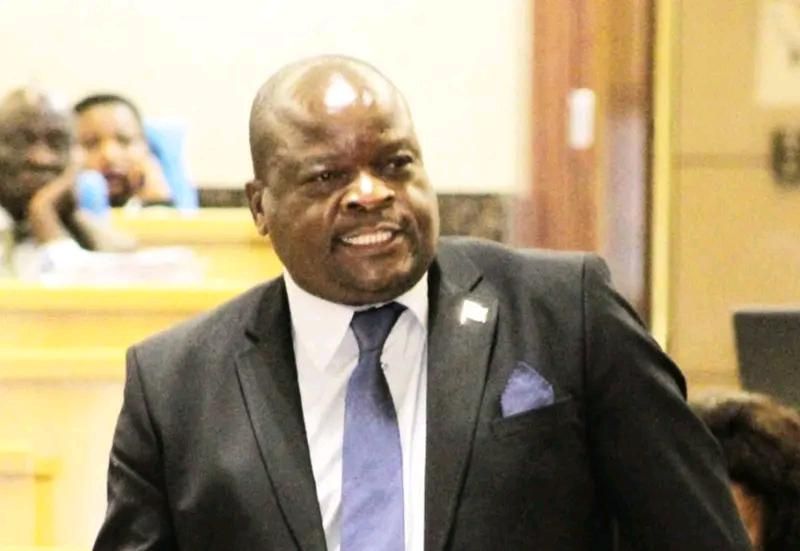
The Blantyre Water Board (BWB) has suspended its Chief Executive Officer, Yeremiah Chihana, with immediate effect, pending a disciplinary hearing on abuse of office charges.
The suspension, announced in a letter dated April 27, 2026, and signed by Board Chairperson Stanley Chirwa, cites several allegations of misconduct, including offering free water and granular chlorine without board approval.
Chihana
Chihana is accused of abusing his position by providing free water and granular chlorine through kiosks in cholera-affected areas without the necessary approval.
This move has raised concerns about the potential misuse of resources and the impact on the institution’s operations.
The BWB Board also alleges that Chihana announced plans to write off arrears owed by kiosk operators in cholera-affected areas without consulting management or the Board.
This decision, if true, could result in significant financial losses for the institution.
Further allegations include allowing an unauthorized person to drive an official vehicle and granting access to BWB offices, documents, and meetings without proper clearance.
These actions, if proven, would be a clear breach of company policy and trust.
Chihana is also accused of orchestrating the arrest of BWB acting directors without the Board’s knowledge or approval, a move that has sparked concerns about his conduct and potential abuse of power.
Last week, Chihana was fired by the Ministry of Agriculture and Irrigation without notice after refusing to facilitate a dubious contract.
However, the decision was later rescinded after President Peter Mutharika intervened.
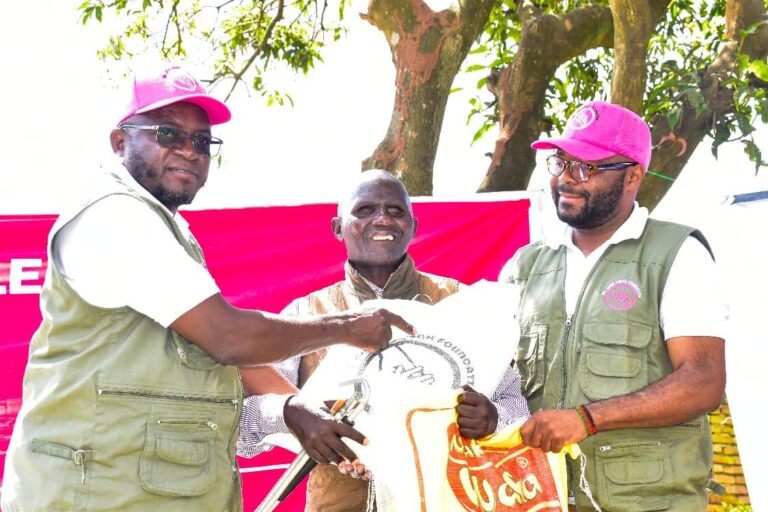
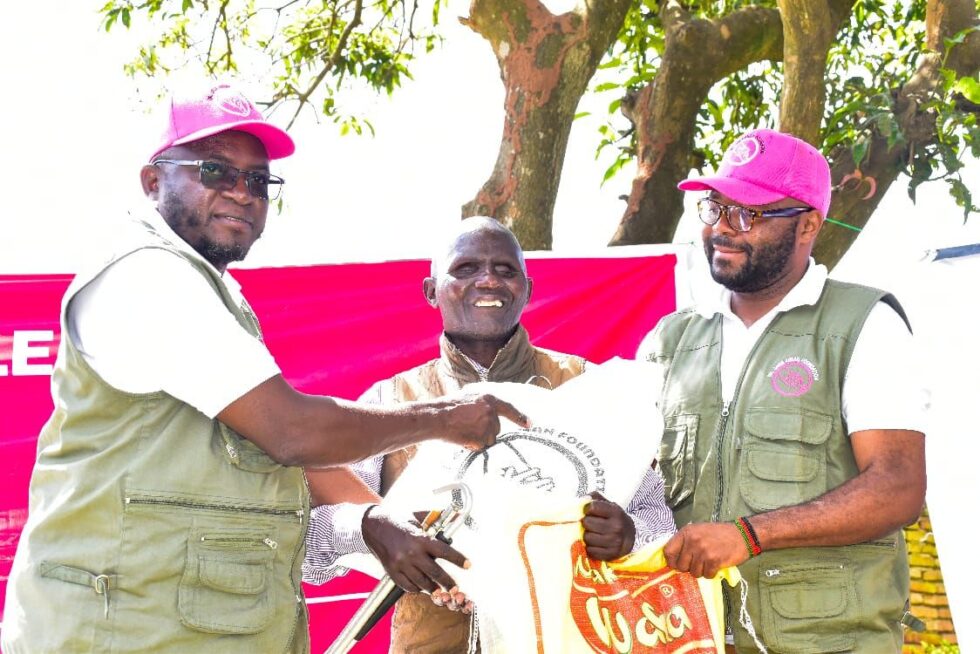
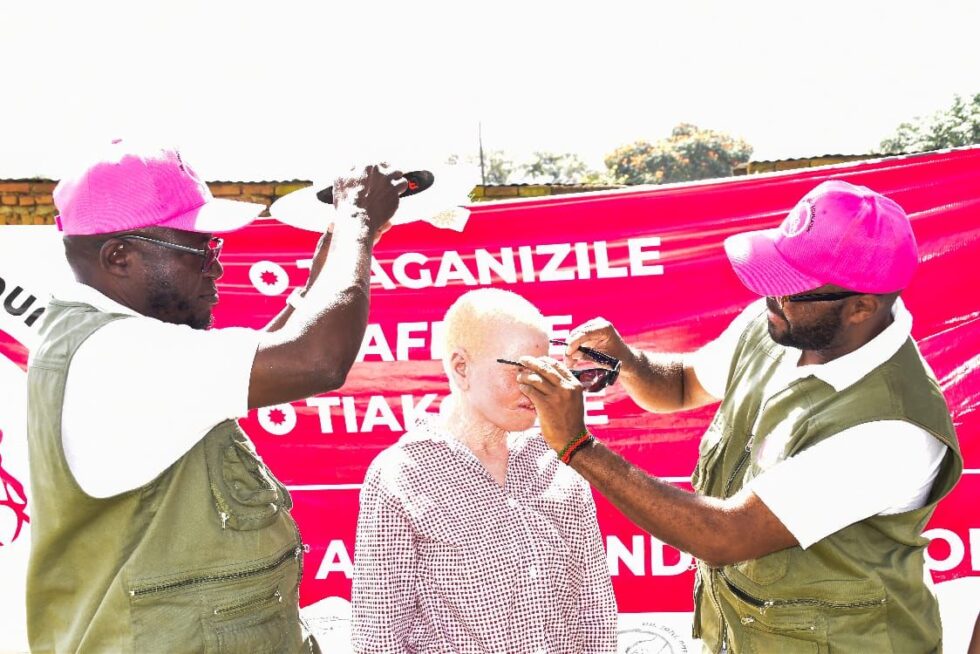
In a remarkable display of compassion, the Dr. Jane Ansah Foundation has reached out to 522 persons with disabilities at the Malawi Council for Disability Affairs (MACOHA) in Blantyre, providing them with vital support.
The foundation’s donation of soya pieces, maize flour, solar lanterns, and gardening hats is a significant step towards promoting inclusivity and addressing the basic needs of persons with disabilities.
This initiative is a testament to the foundation’s commitment to creating a society where everyone has access to opportunities and resources.
By empowering persons with disabilities, the foundation is enabling them to thrive and contribute to their communities in meaningful ways.
The Dr. Jane Ansah Foundation’s efforts are likely to have a lasting impact, inspiring others to join the cause and support persons with disabilities across Malawi.
As the foundation continues to make a difference, it is paving the way for a more inclusive and compassionate society.