Mighty Mukuru Wanderers FC have announced the appointment of their former forward, Peter ‘Pierre’ Wadabwa as the team’s Strikers’ Trainer.
The former Malawi national food team ‘Flames’ player , who started his football career at Mighty Wanderers Youth, played for various football clubs in the country and abroad.
Apart from Wanderers, Wadabwa also played for other local clubs; Silver Strikers and the defunct Escom United as well as Jomo Cosmos, Thanda Royal Zulu and Golden Arrows in South Africa. Wadabwa also played for Destortivo de Maputo in Mozambique.
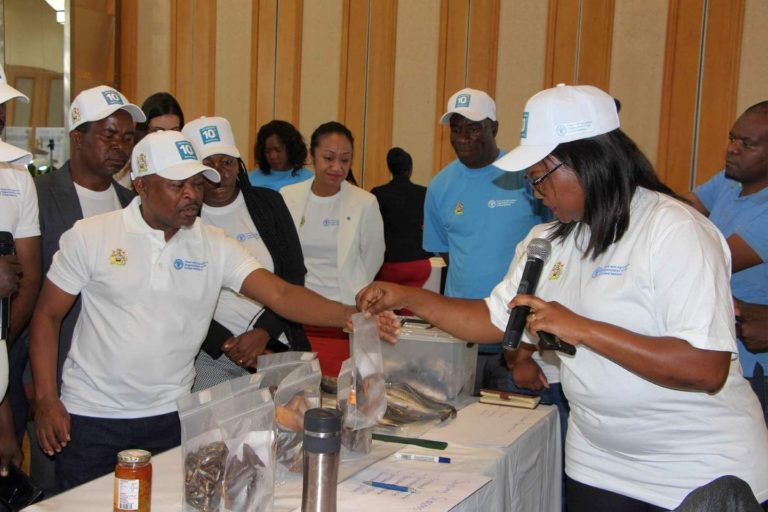
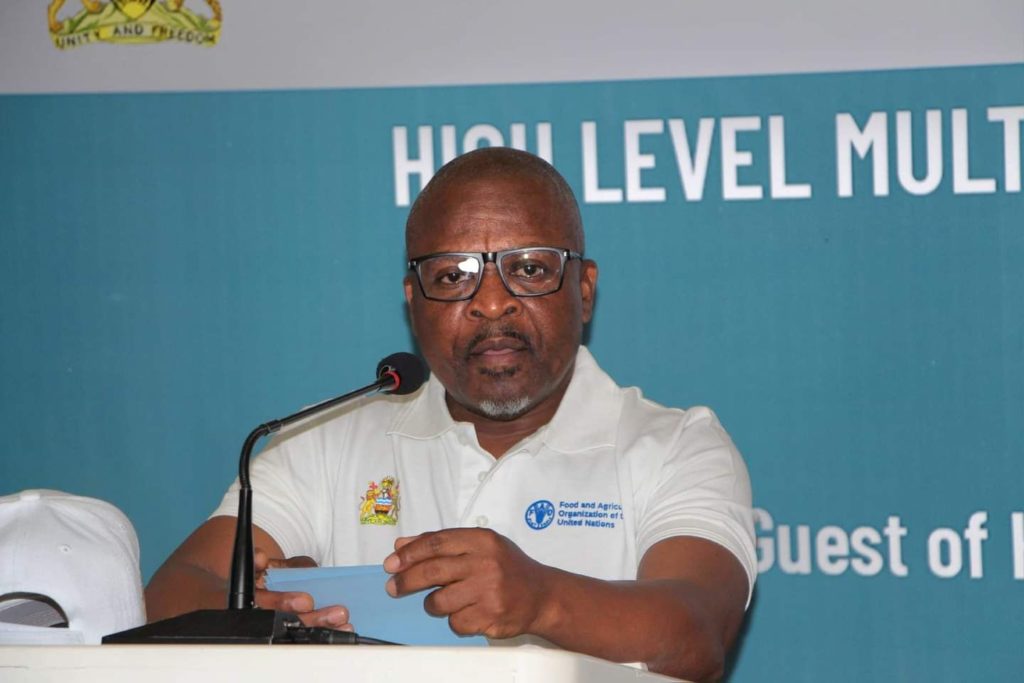
Minister of Climate Change, Michael Usi has hailed the Department of Fisheries for tailoring Small-Scale Fisheries (SSF) guidelines to suit the country’s context.
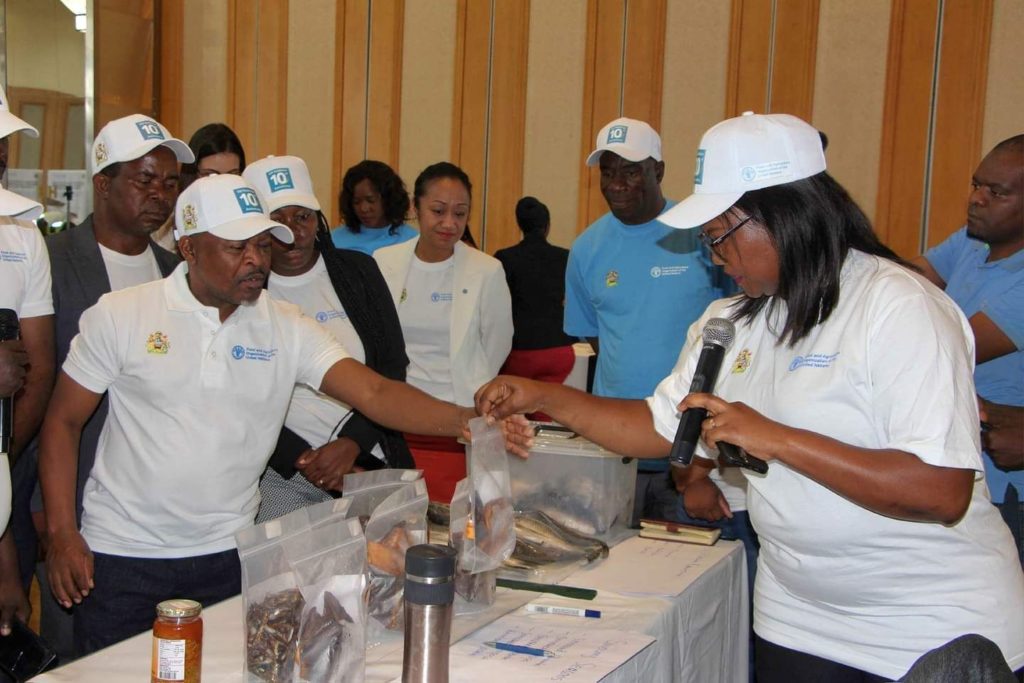
Usi was speaking on Wednesday during a High Level Multi-Stakeholder Dialogue on National Plan of Action for Small-Scale Fisheries at Bingu International Convention Centre BICC in Lilongwe. The Minister noted that the SSF guidelines have been formulated into a National Action Plan for Small-Scale Fisheries.
Michael Usi
He then thanked Food and Agricultural Organization (FAO) and members of the Parliamentary Committee on Natural Resources for their support and joint efforts in organizing dialogues that have significantly influenced the development of small-scale fisheries plan.
Usi stressed the pivotal role of research in informing business practices to ensure fish accessibility for all and voiced expectations for tangible outcomes from the dialogue to tackle challenges and foster cooperation among Malawians.
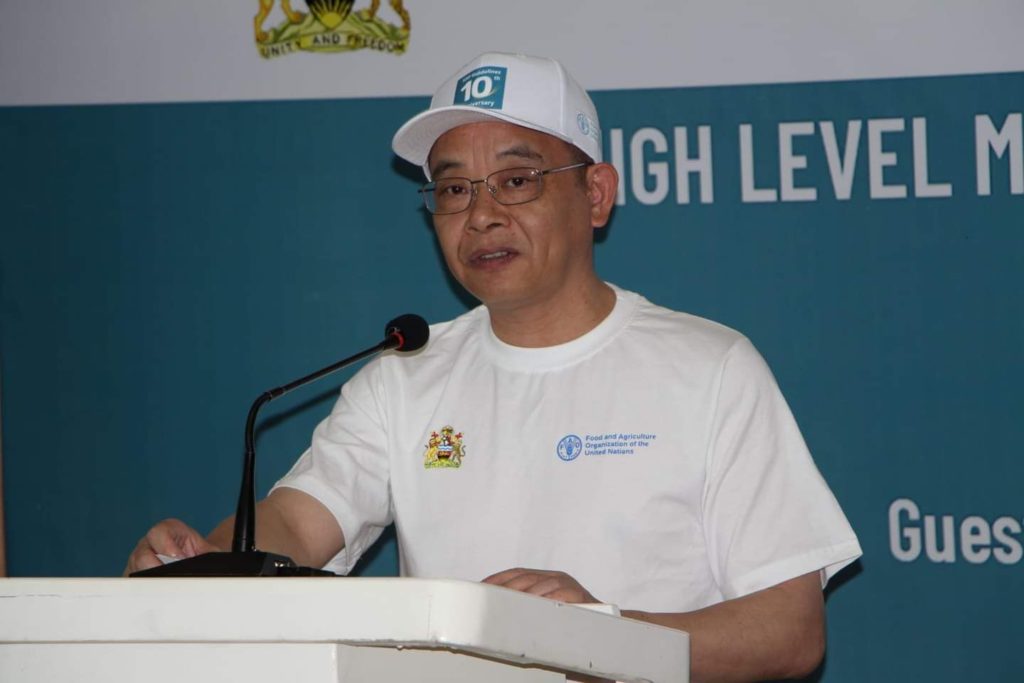
FAO Representative to Malawi, Dr. Zhujin Chen said the dialogues are significant for Malawi’s food security, underlining the necessity for more action and guidelines to support individuals in the fisheries sector.
Senior Chief Makanjira of Salima underscored the significance of dialogue in confronting challenges such as fish scarcity, hardships endured by fishermen and boat operators.
He emphasized the necessity for autonomy, technology, guidelines, and strategies to bolster lake conservation efforts and enhance livelihoods.
A Promoter, Chimwemwe Chipala noted the importance of collective action among Malawians and fishermen to grasp the significance of fisheries conservation and sustainable practices.
He advocated for awareness regarding the repercussions of rising fish prices and the potential of innovative products like fish flour, sausages, and fish-based feeds to mitigate food insecurity.
The Dialogue served as a platform for stakeholders to reflect on achievements, tackle challenges, and map out a sustainable trajectory for the country’s small-scale fisheries sector.
Minister of Education, Madalitso Kambauwa Wirima says government remains committed to creating an enabling environment through policies that support the growth of Science, Technology and Innovation (STI), which is key to the realisation of the Malawi 2063 Vision.
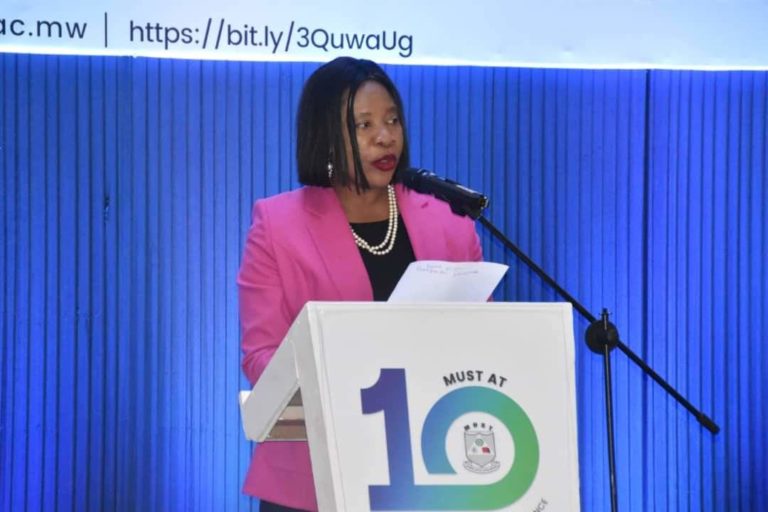
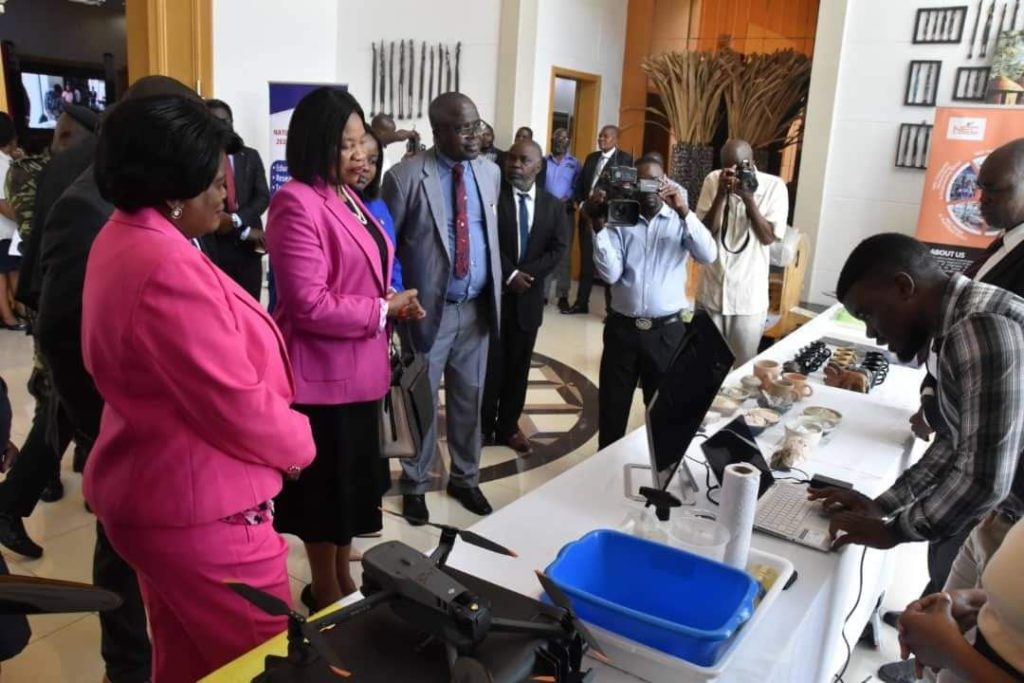
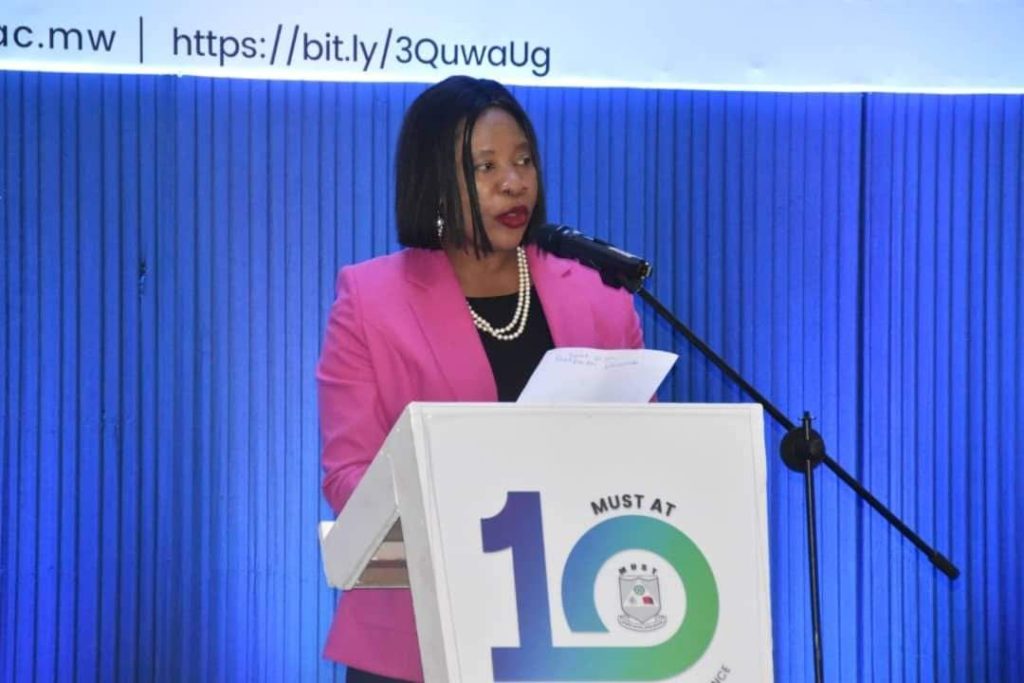
The Minister made the remarks earlier today when she presided over the launch of Malawi University of Science and Technology (MUST) 2024-2027strategic plan at Bingu International Convention Centre (BICC) in Lilongwe.
Education Minister Kambauwa in attendance
The plan focuses on education, research, innovation and entrepreneurship, responding to societal needs, thereby helping the country to accelerate its realisation of the First 10 Year Implementation Plan of the Malawi 2063 (MIP1), running from 2021 to 2030.
“As you are well aware, my Ministry has a whole directorate on STI. This demonstrates our commitment to see the sector grow and contribute to the creation of a Malawi we want.
“We want our universities, more so those running on public resources, to demonstrate their relevance to the nation by being at the centre of solutions. Local challenges can be best solved by local solutions,” Wirima emphasised, adding the country want practical technologies and innovations that will benefit its people, today and now.
She said universities are supposed to offer solutions to problems industries are facing through research, consultancies, and innovation of modern and advanced technologies that can lead to efficiency in production.
Wirima then called upon all players involved to commit themselves to the implementation of the strategic plan.
MUST Council Chairperson, Dr Mathews Mtumbuka said through the plan, the university has resolved to champion industrialisation pillar as well as human capital development of the Malawi 2063.
He said so far, the university has already made great strides towards the cause.
“As a university, we have committed ourselves to be a solution provider through innovation and technology driven by science and meet societal needs,” he said, while expressing university’s commitment to the strategic plan’s full implementation.
MUST Vice Chancellor, Professor Address Malata said for Malawi to realise its development agenda, manufacturing should be advanced and as such the university is mandated to help in the drive.
She said both the university and its graduates are into manufacturing and now they want to expand further, citing their plan to construct a tech centre at Kamphata in Lilongwe and thereafter move up north.
The event directly supported the Ministry’s 2024 theme ‘Propelling Malawi’s Education Renaissance in The Digital Age: Inclusive Foundational Learning and STEAM Skills for Strong Human Capital’.
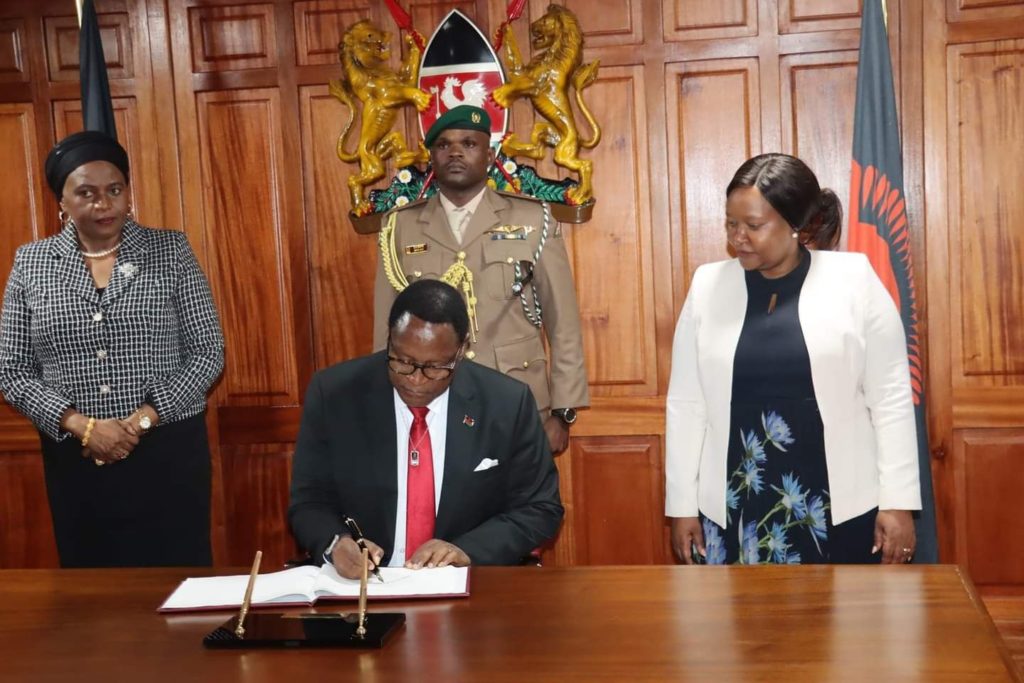
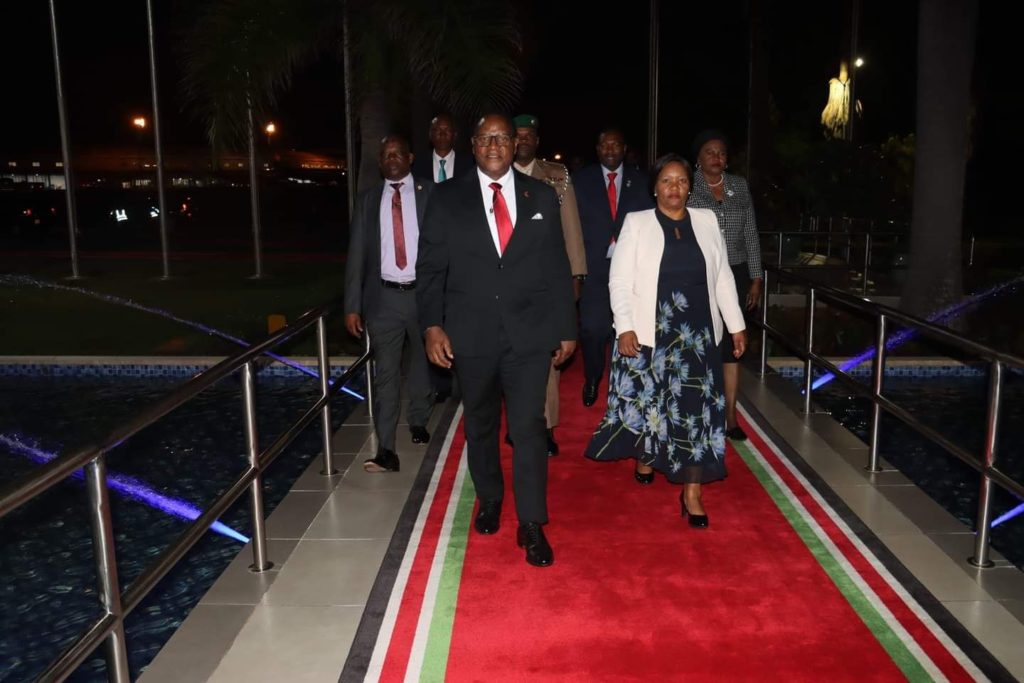
President, Dr Lazarus Chakwera Wednesday evening arrived in Nairobi, Kenya where is expected to attend the Africa Fertilizer and Soil Health Summit.
Upon arrival at Jomo Kenyatta International Airport, the President was welcomed by Malawi High Commissioner to Kenya, Callista Mutharika, Minister of Agriculture Sam Kawale, Secretary for Ministry of Investment, Trade and Industry for Kenya, Rebecca Miano and other senior government officials.
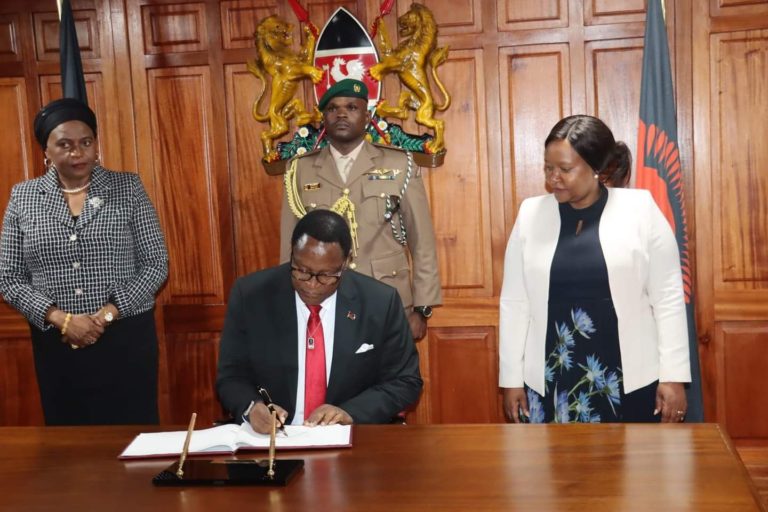
Chakwera in Kenya
The President is attending the Summit on invitation of President, Dr William Ruto of Kenya.
Aside from the summit, President Chakwera is expected to hold bilateral meetings and attend the Malawi Ready Roundtable event.
AFSH Summit brings together all relevant stakeholders to highlight the crucial role of fertilizer and soil health in stimulating sustainable pro-poor productivity growth in African agriculture.
The Summit will agree on an African Fertilizer and Soil Health Action Plan, as well as the Soils Initiative for Africa, which will deliver concrete recommendations for steps to be taken by African leaders and stakeholders over the next 10 years.
The Action Plan will provide a focus for new policies and investments that will enable farmers to work towards re-building soil health and increase yield responses and profitability of fertilizers.
In June, 2006, African Union (AU) Heads of State and Governments endorsed the Abuja Declaration on Fertilizer for the Africa Green Revolution, a continental strategy to reverse the worrying trend of poor productivity of the African soils.
The declaration focused on key targets required for agricultural growth, food security and rural development in Africa, with a focus on fertilizer.
President, Dr Lazarus Chakwera Wednesday evening arrived in Nairobi, Kenya where is expected to attend the Africa Fertilizer and Soil Health Summit.
Upon arrival at Jomo Kenyatta International Airport, the President was welcomed by Malawi High Commissioner to Kenya, Callista Mutharika, Minister of Agriculture Sam Kawale, Secretary for Ministry of Investment, Trade and Industry for Kenya, Rebecca Miano and other senior government officials.
Chakwera in Kenya
The President is attending the Summit on invitation of President, Dr William Ruto of Kenya.
Aside from the summit, President Chakwera is expected to hold bilateral meetings and attend the Malawi Ready Roundtable event.
AFSH Summit brings together all relevant stakeholders to highlight the crucial role of fertilizer and soil health in stimulating sustainable pro-poor productivity growth in African agriculture.
The Summit will agree on an African Fertilizer and Soil Health Action Plan, as well as the Soils Initiative for Africa, which will deliver concrete recommendations for steps to be taken by African leaders and stakeholders over the next 10 years.
The Action Plan will provide a focus for new policies and investments that will enable farmers to work towards re-building soil health and increase yield responses and profitability of fertilizers.
In June, 2006, African Union (AU) Heads of State and Governments endorsed the Abuja Declaration on Fertilizer for the Africa Green Revolution, a continental strategy to reverse the worrying trend of poor productivity of the African soils.
The declaration focused on key targets required for agricultural growth, food security and rural development in Africa, with a focus on fertilizer.